
The confluence of lofty hills and meandering rivers has given rise to a number of waterfalls in Karnataka. Each of these waterfalls produces a breathtaking sight with water gushing down with enormous power. With the arrival of monsoon season, seasonal rainfalls render these majestic falls a sight to behold. The Jog falls, the grandest of the Karnataka falls, is often described as one of the highest plunge waterfalls in India. The four cascades of the falls tumble down from a height of 253 meters, creating a grand spectacle. The Shivanasamudra falls is a segmented waterfall and is associated with one of the earliest hydro-electric power stations in Asia, commissioned in 1902. Most of the waterfalls in Karnataka are popular tourist hubs for the enchanting locales around. The contrast of roaring waterfalls and sylvan surroundings beckon avid tourists from all over India. Abbey Falls Located a short drive (roughly 8–10 km) from the town of Madikeri, the Abbey falls produces a spectacular sight of cascading water. Nestled amidst private coffee plantations, the Abbey Falls provide a striking contrast to the sylvan surroundings of Coorg. A narrow road winding through the green and dense foliage of surrounding coffee plantations leads to Abbey Falls. Iruppu Falls Located beside the Nagarhole National Park, the Iruppu falls presents a majestic sight with water cascading down from a height often given as about 170 ft (around 50 m). Originating in the lofty Brahmagiri peaks; the falls become a part of the Lakshmana Teertha River in the plains. During the monsoons, the Iruppu falls swell with seasonal rainfall. Jog Falls The grandest among Karnataka waterfalls, Jog falls is created by the Sharavati river tumbling down from a height usually given as about 253 m (830 ft) in four distinct cascades – known locally as Raja, Rani, Roarer, and Rocket. Widely counted among the highest waterfalls in India, Jog falls is one of the major tourist attractions in Karnataka. Shivasamudram Falls The Shivasamudram falls is a segmented waterfall since the river Cauvery branches into two separate falls – the western falls known as Gaganachukki and the eastern falls, Bharachukki. It is among the best-known waterfalls in southern India, and is at its most powerful when the Cauvery is in full flow after the monsoon.
More falls worth knowing
Unchalli Falls. In Uttara Kannada district, near Siddapur, the Aghanashini river drops over a rocky cliff in a broad, powerful fall, sometimes also known as Lushington Falls after the British officer credited with recording it. Reaching the viewpoint involves a walk and a flight of steps that can be slippery in the rains.
Magod Falls. Also in Uttara Kannada, near Yellapur, the Bedti river falls in steps into a deep, forested gorge. The main viewpoint looks across the valley, so the fall is seen at a distance, framed by forest.
Sathodi Falls. Near Yellapur as well, Sathodi is smaller and wider, often compared to a miniature version of the larger falls. Access is usually by road and then a short forest walk.
Hebbe Falls. In Chikkamagaluru district, near Kemmangundi, Hebbe falls in two stages through forest and coffee estates. It is commonly reached by four-wheel-drive vehicles over a rough track, followed by a walk. Access arrangements change, so confirm locally.
Kalhatti Falls. Also near Kemmangundi, Kalhatti (sometimes called Kalahasti) falls beside a small temple, making it a place of pilgrimage as well as a viewpoint.
Gokak Falls. In Belagavi district, in the north of the state, the Ghataprabha river falls over a horseshoe-shaped sandstone cliff. A hanging bridge and an old hydro-electric station add to the scene, and the fall is often compared, at a small scale, to Niagara.
Chunchanakatte Falls. On the Cauvery near Krishnarajanagara in Mysuru district, this is a wide, low fall beside a temple, easily combined with a trip to Mysuru.
Mallalli Falls. In Kodagu, near Somwarpet, the Kumaradhara river drops through a rocky gorge below the Pushpagiri hills. Reaching the base involves a long flight of steps, which is tiring on the way back up and slippery in the rain. It is a good alternative to the busier Abbey Falls for visitors based in Madikeri.
When to go
Most of Karnataka’s waterfalls are fed by the south-west monsoon, and they are generally at their fullest from July to September, sometimes into October. The falls of the Cauvery basin, such as Shivanasamudra, can be at their most impressive slightly later, when water released from upstream reservoirs adds to the flow. In the dry months many smaller falls shrink to a trickle.
Jog is a special case. Its flow depends heavily on releases from the Linganamakki dam upstream on the Sharavathi, so even in the monsoon its appearance can vary from day to day. Mist can also hide the falls for long periods in peak rain.
Planning a visit
- Base yourself well. Madikeri suits Abbey and Iruppu; Sagara or Jog village suits Jog; Sirsi and Yellapur suit Unchalli, Magod and Sathodi; Chikkamagaluru suits Hebbe and Kalhatti.
- Expect closures. Forest departments and district authorities may restrict access to falls and trails during heavy rain. Check locally before setting out.
- Allow time on the roads. Ghat roads are slow in the monsoon, and landslides can close routes.
- Stay behind barriers. Do not climb onto wet rocks or bathe near the base of a fall in spate. Currents are stronger than they appear.
- Carry rain gear. A good raincoat, quick-drying clothes and shoes with grip make a great difference.
Why Karnataka
Few states have so many waterfalls within reach of each other. The Western Ghats run the length of Karnataka’s coast, catching heavy rain, and the rivers that rise in them fall off the edge of the plateau in dozens of places. A week in the monsoon, based in two or three towns, can take in several of the falls above, from the great drop of Jog to small cascades hidden in coffee estates.
This guide was first written for Travel Viewpoint in 2013 and has been revised and expanded for our July 2026 waterfalls issue. Access arrangements, fees and timings change frequently; please confirm with local authorities before you travel.
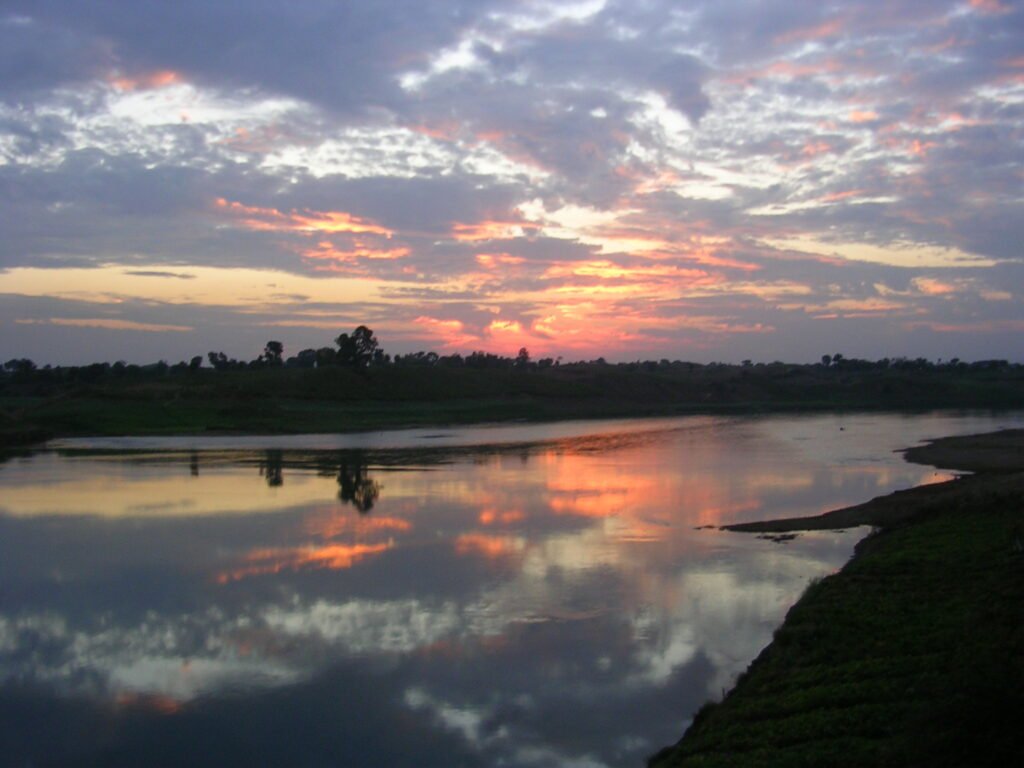
The Narmada “Life Line of Madhya Pradesh & Gujarat”
Rajmachi from Lonavala: The One Route That Explains Monsoon Trekking
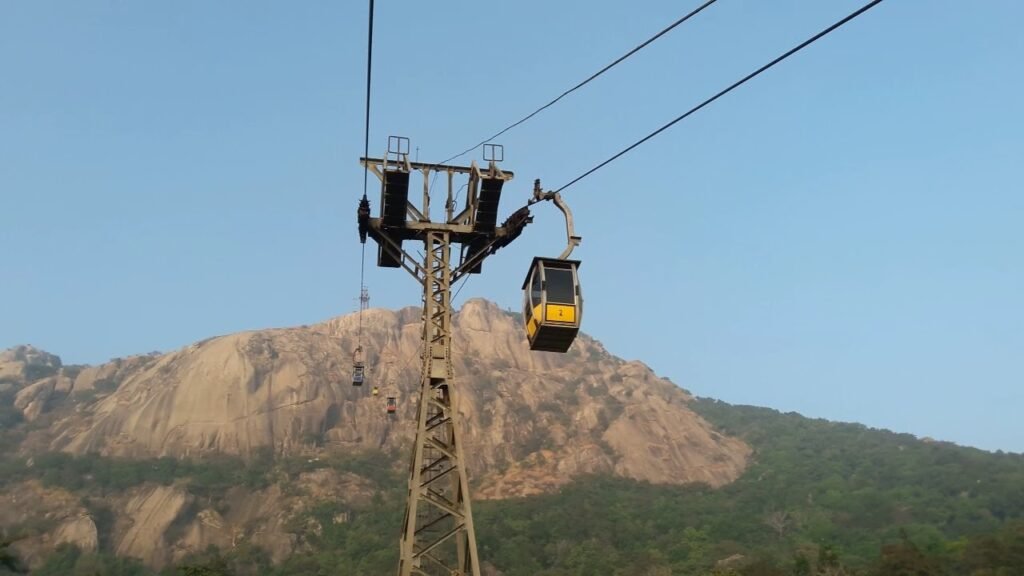
Deoghar, the ‘Abode of Gods’
The Town You Sleep In
Why the base town shapes a monsoon waterfall trip more than any single fall, what to look for, and towns in Karnataka, Kerala and Goa worth considering.
One village ghat upriver
Train versus road that week
Markets before the 20th, not on it
Journeys Worth Discovering
Explore inspiring destinations, memorable journeys and travel stories from across India and beyond.
Explore destinations




