
The ghats of Varanasi are among the most photographed riverfronts in the world. But the Ganga does not begin at Assi Ghat. Upstream, to the south of the city, the river winds past fields, brick kilns, small temples and villages, each with its own modest ghat: a few steps, perhaps a shrine, a place where people bathe, wash clothes, water cattle and, on festival days, light lamps. In the week of Dev Deepawali, when the city’s riverfront is at its most crowded, a few hours at one of these village ghats can restore a sense of proportion.
This is not a guide to one named village. Villages along the river change, roads improve or wash out, and we would rather not send a stream of visitors to a single small community. It is a suggestion for how to find your own village ghat upriver, and what to expect when you do.
Which way is upriver
At Varanasi the Ganga flows roughly from south to north, curving in a great crescent along which the city’s ghats are built. Upriver, therefore, means south, past Assi and beyond the city’s edge, towards Ramnagar on the eastern bank and onwards towards Chunar, a historic town with a fort on a rocky outcrop above the river, roughly 40 kilometres from Varanasi by road. Between the city and Chunar lie many villages on both banks.
Getting there
There are two main ways to reach a village ghat upriver.
- By boat: some boatmen at Assi and the southern ghats will take you upstream for a longer trip. Hand-rowed boats against the current are slow, so a motorboat is more practical for any distance. Agree the route, duration, stops and price clearly in advance, and confirm that life jackets are available.
- By road: hire a car or auto-rickshaw for a half or full day and head south, then turn down any lane that leads towards the river. A driver familiar with the area can suggest villages; ask for a quiet ghat rather than a “tourist spot”.
The road option gives you more flexibility, while the boat shows you the river landscape as you go. Some travellers combine the two, going upriver by road and returning by boat, but this needs careful planning.
What a village ghat is like
A village ghat may be only a handful of brick or stone steps leading down to the water, sometimes with a small temple to Shiva or a local deity at the top, a peepal tree, and a shaded platform. In the morning you may see people bathing and praying, women washing clothes and utensils, children swimming, and fishermen preparing nets. In the late afternoon, cattle are brought down to drink, and the light across the river is wide and soft.
There are usually no shops beyond perhaps a tea stall in the village, no guides and no boat touts. That is the point.
Dev Deepawali in a village
Kartik Purnima is a major bathing day across the Gangetic plain, not only in Varanasi. In many riverside villages, people come to bathe at dawn on the full moon, and some fairs (melas) are held on riverbanks on this day. In the evening, some villages light lamps on their own ghats, on a smaller scale than the city. If you happen to be in a village on Kartik Purnima, you may see a quieter, more local version of the festival. Do not expect a performance: it is a community’s own observance.
We suggest, however, that if you want to visit a village ghat, you do so on the eve or the day after Dev Deepawali rather than on the festival evening itself, both to avoid the city’s traffic restrictions and to avoid intruding on a village’s own celebration.
How to behave
You will be noticed in a small village. People may be curious, friendly and hospitable. Some guidelines help keep the visit comfortable for everyone.
- Dress modestly, covering shoulders and knees.
- Ask before photographing anyone, especially women bathing, and never photograph people in the water without permission.
- Remove shoes near shrines and on the ghat steps if others do.
- Accept tea if offered, and offer to pay at a stall.
- Do not hand out sweets, pens or money to children; it encourages begging.
- Take all your rubbish away with you.
Ramnagar on the way
Ramnagar, across the river from the southern ghats, is often visited for its fort, the historical residence of the Maharaja of Benares, with a museum of vintage cars, palanquins, weapons and costumes. Ramnagar is also known for its month-long Ramlila performances around Dussehra. It is not a village ghat, but it is a natural stop on the way upriver. Check the fort museum’s current opening hours and whether it is open on your day.
Chunar at the end
If you have a full day, continue to Chunar, where the fort above the river has a long and complex history spanning several dynasties and the colonial period. The views of the Ganga from the fort walls are wide. The town is also known for its pottery and for the sandstone from nearby quarries, historically associated with Mauryan pillars, though scholars discuss the exact sources. Check access and opening hours locally before you go.
When to go
Early morning and late afternoon are the best times at a village ghat, both for the light and for seeing daily life. The middle of the day can be quiet and hot even in November. Allow at least half a day for a trip that includes a stop or two, and a full day if you add Chunar. Carry water, snacks and cash in small notes, as there may be few facilities.
Safety
River currents can be strong, and depths change unpredictably. Do not swim unless local people confirm it is safe and you are a confident swimmer. Avoid wading where the bank is steep or muddy. Keep to boats with life jackets.
Why go
The point of a village ghat upriver is not to tick off another sight. It is to see the Ganga as millions of people in the villages along its banks experience it every day: a place of work, washing, prayer and rest, rather than spectacle. After the intensity of the city during Dev Deepawali, it is a reminder that the river’s sacredness is not confined to Varanasi. It runs through every step, however humble, that leads down to the water.
More from Issue 79
- Dev Deepawali index
- Editor’s letter: Varanasi & Dev Deepawali
- The ghats the night before, not only the night of
- A boat you should not book
- The old city in the afternoon
- What the lamps do to the lanes
- Three nights is the whole trip
- A priest’s morning, told by a guest
- Silk, not a shopping list
- Dates and the crowd calendar
- The photograph from the steps

US Says Chandrayaan 2 Mission “A Huge Step Forward For India”
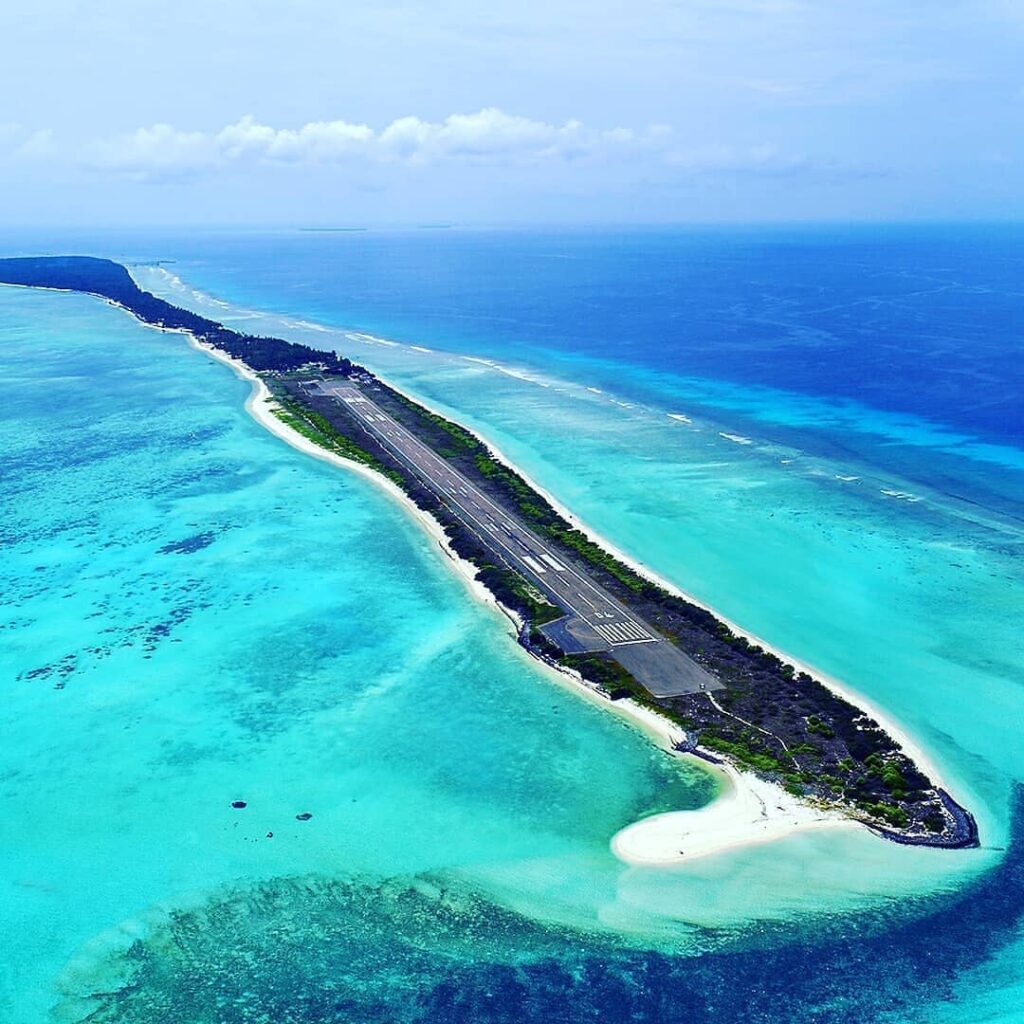
The Agatti Island Beach: A Tropical Wonder That Never Gets Old

The Mawlynnong Village in Meghalaya
The Town You Sleep In
Why the base town shapes a monsoon waterfall trip more than any single fall, what to look for, and towns in Karnataka, Kerala and Goa worth considering.
One village ghat upriver
Train versus road that week
Markets before the 20th, not on it
Journeys Worth Discovering
Explore inspiring destinations, memorable journeys and travel stories from across India and beyond.
Explore destinations




