
Dev Deepawali is one of the most crowded events in Varanasi’s calendar, and planning around it is easier if you understand how the festival dates are set and how the crowds build. This is a practical guide to dates and crowds for November 2025. Treat all timings as indicative, and check official announcements closer to the date.
The date in 2025
Dev Deepawali is celebrated on Kartik Purnima, the full moon of the month of Kartik in the Hindu lunar calendar. In 2025 Kartik Purnima falls on Wednesday 5 November. Because lunar dates (tithis) do not align neatly with calendar days, the purnima tithi may begin on the previous day and end on the festival day, and some almanacs and temples may observe rituals on slightly different timings. Varanasi’s main Dev Deepawali lamp lighting on the ghats is normally held on the evening of the full moon, but check with the Uttar Pradesh tourism department or the district administration for the official date.
How it relates to Diwali
Dev Deepawali comes about fifteen days after Diwali. In 2025 Diwali’s main day, Lakshmi Puja, falls on Monday 20 October. Between the two, the calendar includes Govardhan Puja, Bhai Dooj, Chhath Puja (which draws large crowds of devotees from Bihar and eastern Uttar Pradesh to river ghats, including in Varanasi, in late October in 2025) and Dev Uthani Ekadashi. If you are planning a longer stay, be aware that the entire period is busy with festivals and travel.
The crowd calendar
Crowds in Varanasi around Dev Deepawali tend to follow a pattern, though every year differs.
- A week before: hotel occupancy rises, especially in the old city. Ghats are busy but manageable.
- Two or three days before: preparations visible on the ghats. Domestic tourists start to arrive in larger numbers.
- The eve: busy, but still possible to walk the ghats. Aarti crowds larger than usual.
- The festival day, morning: pilgrims bathing at dawn; busy but devotional.
- The festival day, afternoon: crowds begin moving to the ghats by mid-afternoon. Traffic restrictions in the old city often come into force.
- The festival evening: the peak. Very large crowds on the ghats, on boats and in the approach lanes. Movement can be slow and restricted.
- The morning after: quieter. Departing crowds put pressure on trains, flights and roads.
- Two or three days after: Varanasi returns to its normal, still busy, rhythm.
Traffic and access
Around Dev Deepawali, local authorities typically restrict vehicle access to the old city and the roads leading to the main ghats. Restrictions may include no-entry zones for four-wheelers, diversions, and limits on e-rickshaws and autos near the ghats. Details are announced closer to the date and can change on the day. Plan to walk the last part of any journey to the river, and allow extra time.
Boats
The administration often issues rules for boats on Dev Deepawali, such as capacity limits, mandatory life jackets, and restrictions on movement at certain hours or near certain ghats. Boat prices rise sharply on the festival night. Agree everything in advance and in person if possible.
Accommodation
Book early, ideally several months in advance for riverside guesthouses and hotels. Prices around Dev Deepawali are well above normal. Check cancellation policies carefully, and confirm how the property is accessed during traffic restrictions. Staying slightly outside the old city may be cheaper, but expect long and slow journeys to the river on the festival evening.
Trains and flights
Trains to Varanasi in late October and early November are heavily booked because of Diwali, Chhath and Dev Deepawali travel. Book as soon as reservations open; Indian Railways’ advance reservation period has been changed in the past, so check the current rule on the official site. Flights to Varanasi’s airport tend to rise in price around the festival. Allow plenty of time for the drive between the airport and the old city on the festival day.
Temple timings
The major temples, including Kashi Vishwanath, may have altered darshan timings or special arrangements around Kartik Purnima. Queues can be very long. Check the official temple trust website or notices for current timings, security rules and items that may not be carried inside.
Weather
Early November in Varanasi is usually pleasant, with warm afternoons and cool mornings and evenings. Mornings by the river can be misty or hazy, and air quality in the Gangetic plains in November is often poor. People with respiratory conditions should check air quality forecasts and carry any medication they need.
Ganga aarti
The evening Ganga aarti is held every day at Dashashwamedh and several other ghats, including Assi. On Dev Deepawali the aarti is larger and more elaborate. Arrive very early if you want a place on the steps at Dashashwamedh on the festival evening, or watch from a quieter ghat.
Safety
Large crowds bring risks. Keep your group together and agree a meeting point. Carry identification and a fully charged phone. Keep valuables secure. Be careful on steps, which can be slippery with oil and water. Follow instructions from police and volunteers.
Getting around on the day
Once restrictions are in force, walking is the most reliable way to move between your room and the river. Cycle rickshaws and e-rickshaws may operate up to the edge of the restricted zone, but expect them to be scarce and in demand. Shared taxis and app-based cabs may not be able to reach the old city at all. If you are staying further out, plan to be dropped at the boundary in the afternoon and walk in, and to walk out again after the evening. Agree a fallback meeting point in case your group is separated, because mobile networks can become congested in very dense crowds.
Families and older travellers
The festival evening is physically demanding: long periods standing or sitting on stone, steep steps, and slow movement in crowds. If you are travelling with young children, older relatives or anyone with limited mobility, consider a rooftop or terrace view, or visiting the ghats on the eve and the morning after instead of the peak evening.
A summary for planners
If you want the festival with the least stress, arrive by the eve, stay within walking distance of the river, book everything early, and leave a day after the festival rather than the next morning. Check official notices in the days before 5 November for confirmed timings, traffic plans and boat rules.
More from Issue 79
- Dev Deepawali index
- Editor’s letter: Varanasi & Dev Deepawali
- The ghats the night before, not only the night of
- A boat you should not book
- The old city in the afternoon
- What the lamps do to the lanes
- Three nights is the whole trip
- A priest’s morning, told by a guest
- Silk, not a shopping list
- One village ghat upriver
- The photograph from the steps

Iskcon Temple, Delhi
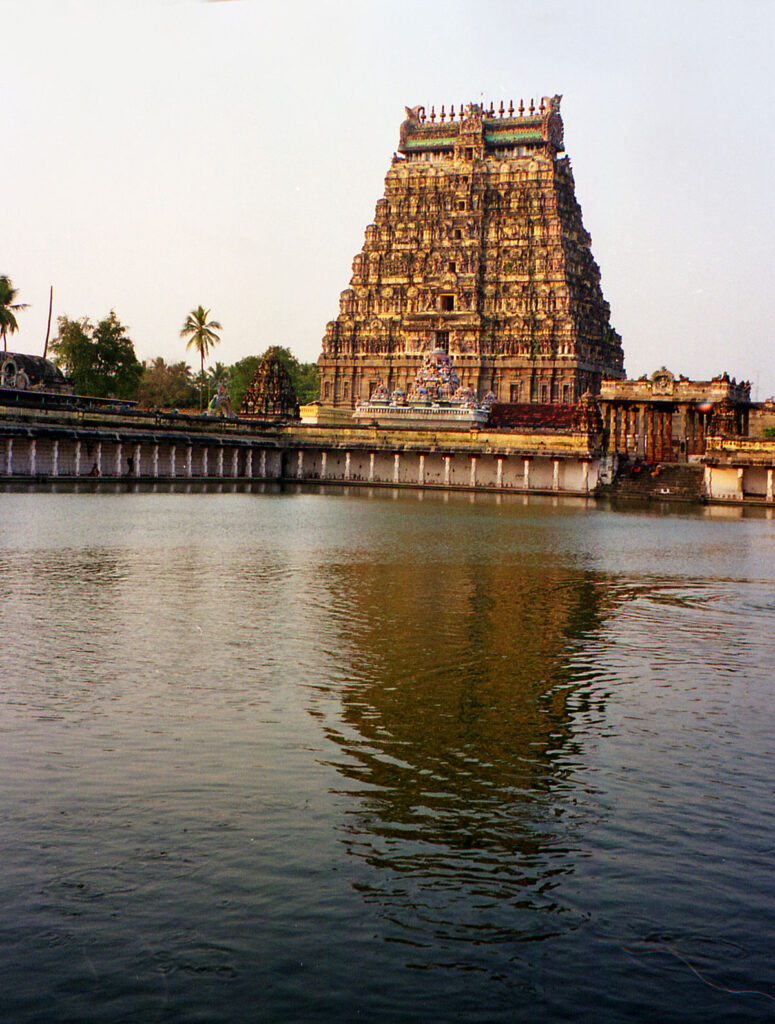
Chidambaram, Hindu Pilgrim Center

Tirupati Venkateswara Temple
The Town You Sleep In
Why the base town shapes a monsoon waterfall trip more than any single fall, what to look for, and towns in Karnataka, Kerala and Goa worth considering.
One village ghat upriver
Train versus road that week
Markets before the 20th, not on it
Journeys Worth Discovering
Explore inspiring destinations, memorable journeys and travel stories from across India and beyond.
Explore destinations




