
The Aravalli mountain range is one of the oldest geological features on Earth, a folded crust of granite and quartz that predates the Himalayas by hundreds of millions of years. For the architects who established the capital of Mewar, these jagged, dry ridges provided an impenetrable natural fortress. However, to view the Aravallis merely as a defensive wall is to ignore a complex, hyper-adapted ecology. Beyond the manicured palace gardens and the heavily trafficked shores of the central lakes lies a vast tract of dry-deciduous forest that dictates the climate, hydrology, and wildlife of the entire region. Exploring the regional wilderness, specifically the Sajjangarh Wildlife Sanctuary and its surrounding buffer zones, reveals the raw, untamed frontier of Udaipur.
The Dry-Deciduous Ecology of Bansdara Mountain
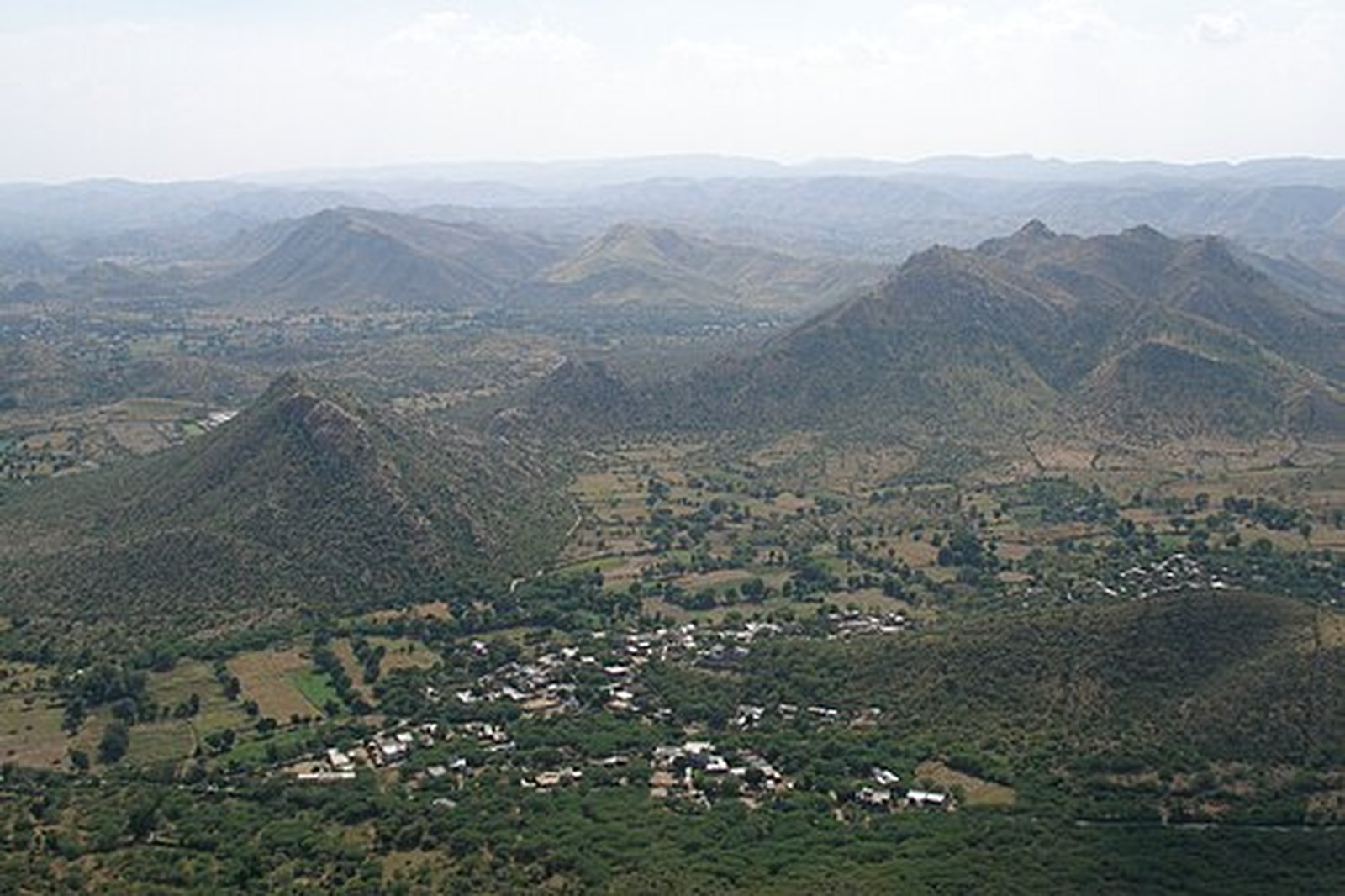
Surrounding the base of Bansdara Mountain, crowned at its peak by the Monsoon Palace, lies the Sajjangarh Wildlife Sanctuary. Unlike the dense, humid jungles of central and eastern India, this is a dry-deciduous ecosystem characterized by stark, dramatic transformations. It is an environment built on botanical endurance. During the brutal summer months, the landscape strips down to bare, skeletal branches and scorched earth, conserving every drop of moisture. Yet, with the arrival of the monsoon, the barren slopes explode overnight into a thick, vivid canopy of green.
The flora here is highly specialized for survival. Hardy species such as Dhok, Khair, and Salar trees dominate the steep ridges, their root systems anchoring deeply into the shallow topsoil and fractured rock. This tough vegetation supports a surprisingly dense web of herbivores. Nilgai (the blue bull, Asia’s largest antelope), sambar deer, and wild boar navigate the steep ravines and thorny brush with ease, creating a thriving prey base just a few kilometers away from the urban center.
The Phantom of the Granite: Leopard Territory
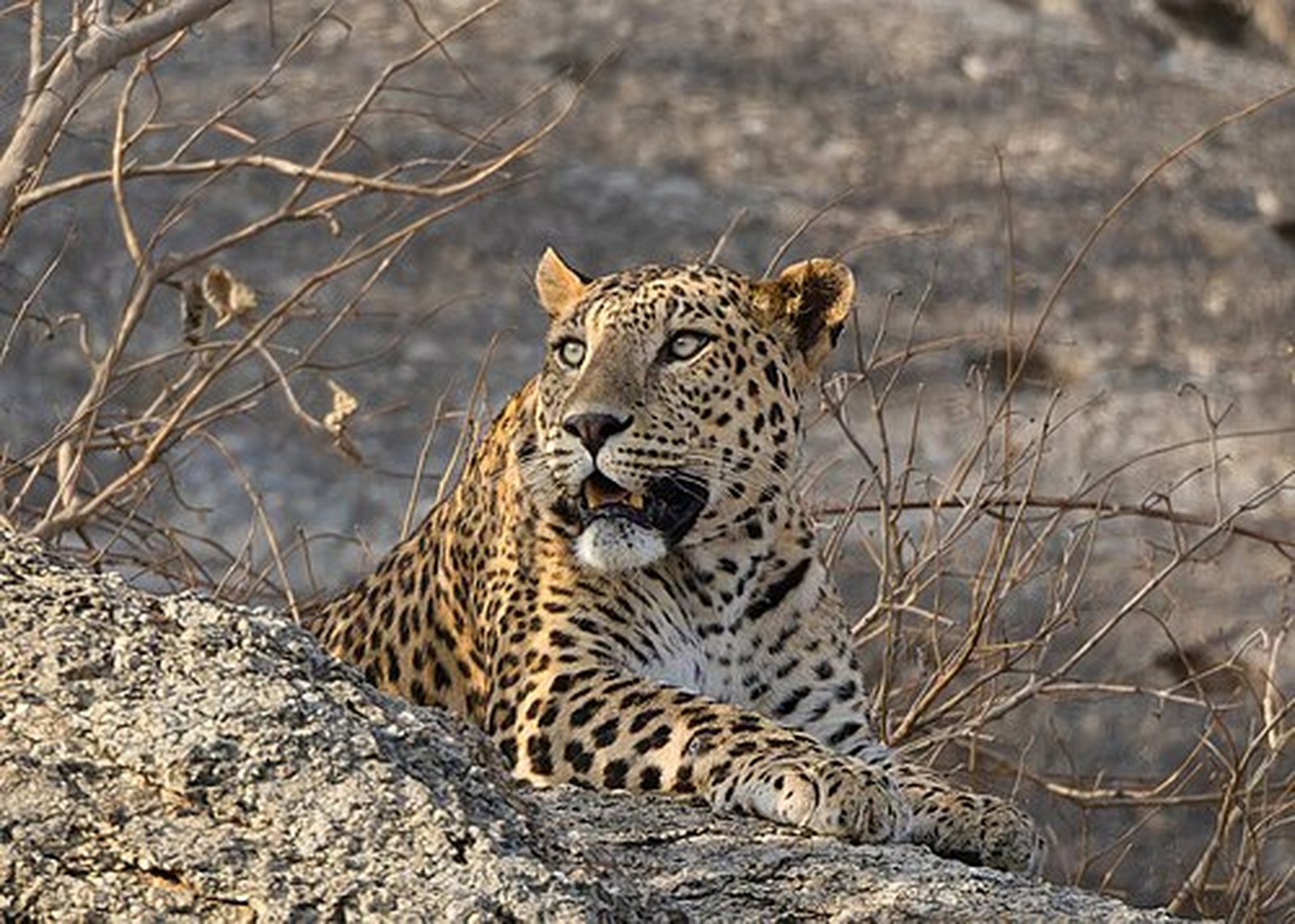
Where there is a healthy herbivore population, the apex predator inevitably follows. The fractured Aravalli hills around Udaipur are prime territory for the Indian leopard. Unlike tigers, which require dense jungle cover and vast territories, leopards thrive in this rocky, vertical topography. The immense granite boulders, natural caves, and deep, dry riverbeds provide perfect camouflage for their rosetted coats.
Tracking leopards in this terrain requires reading the subtle, interconnected signs of the forest. The presence of a predator is often announced not by sight, but by sound: the sudden, harsh alarm calls of langur monkeys echoing off the canyon walls, or the nervous distress calls of peafowl. Conservation efforts in the region have stabilized the leopard population, turning the periphery of the city into a crucial habitat. Observing a leopard here is an exercise in patience and sharp optics, as the cats often rest on high ledges during the day, blending seamlessly into the stone while surveying the valleys below.
The Avian Corridor: Predators and Migrants
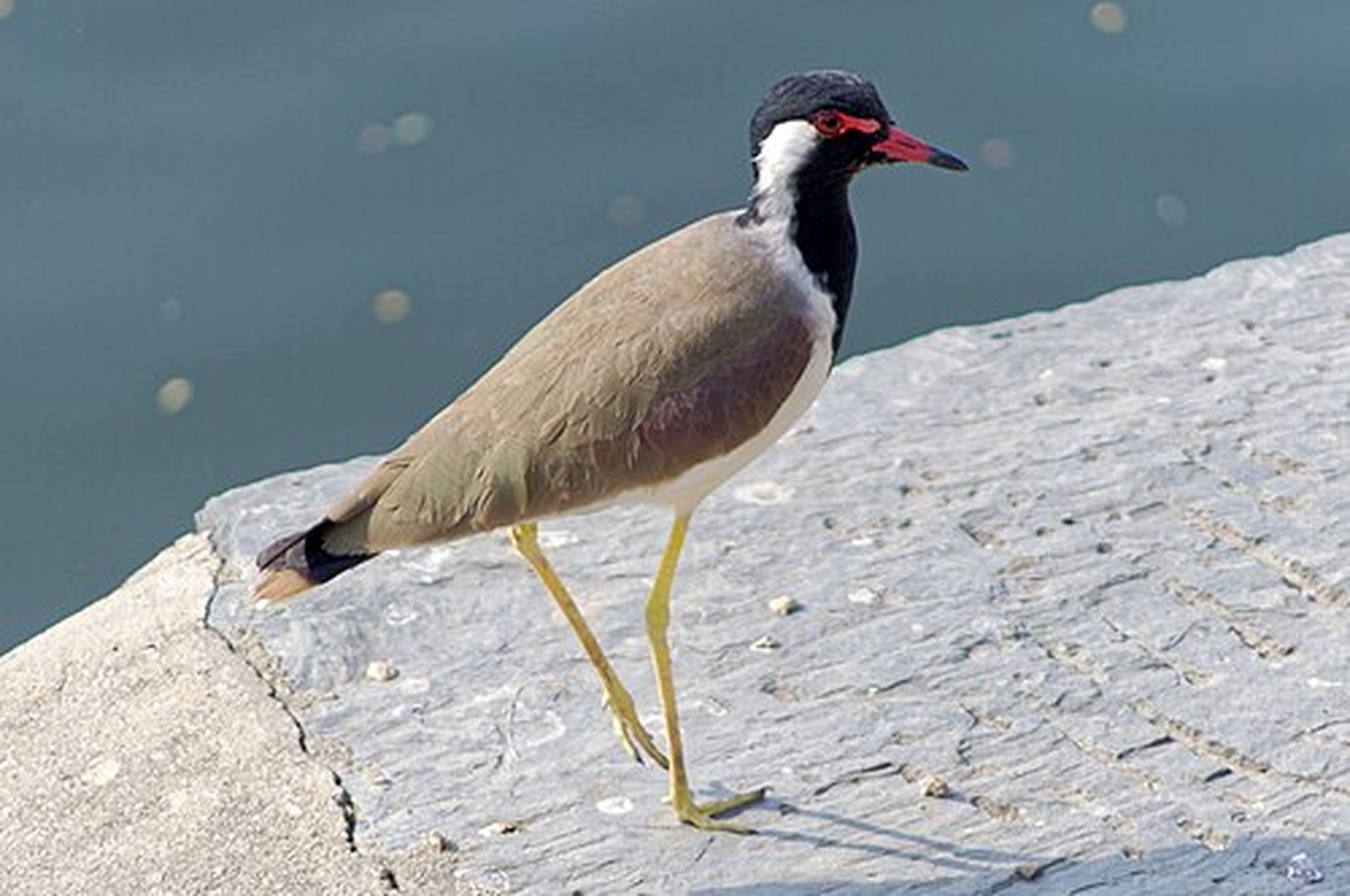
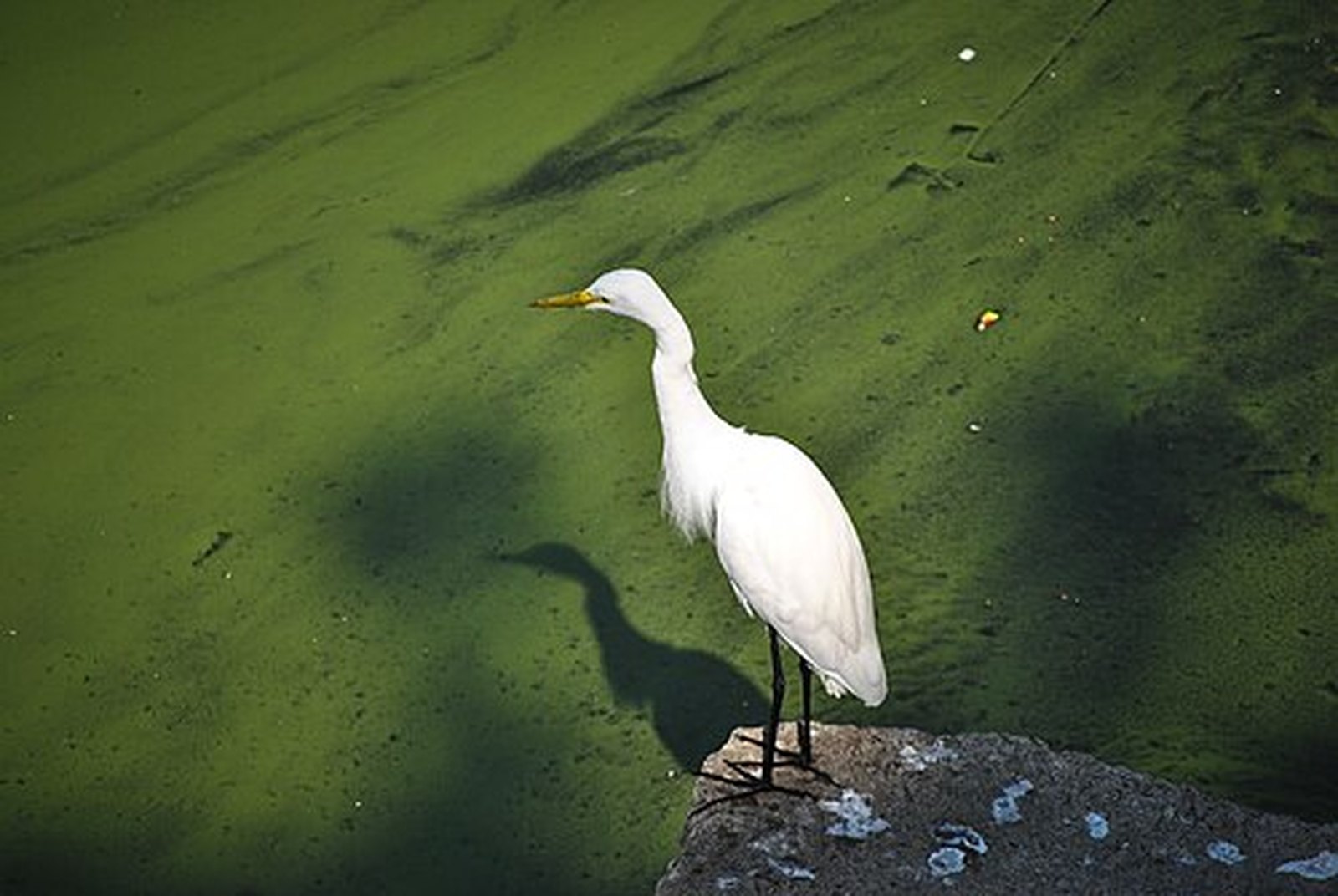
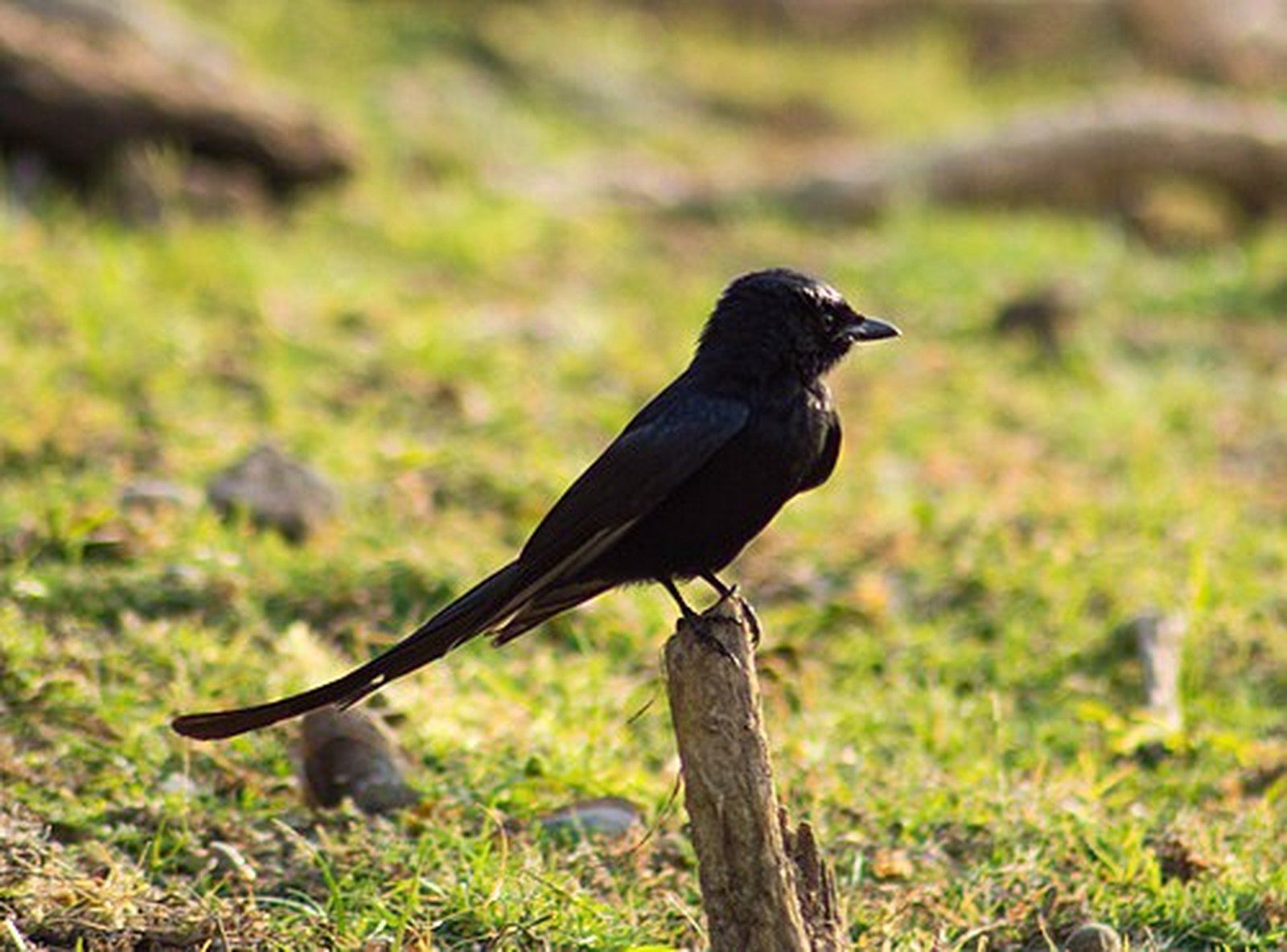
The thermal currents rising off the sun-baked Aravalli ridges create an ideal aerodynamic environment for raptors. The skies above Sajjangarh and the surrounding valleys are heavily patrolled by aerial predators, including long-billed vultures, crested serpent eagles, and shikras. These birds of prey utilize the high altitude to scan the sparse brush for movement, executing steep dives when a target is spotted.
Beyond the raptors, the sanctuary and its neighboring water bodies serve as a critical junction for avian migration. As winter sets in across the northern hemisphere, the regional wetlands host thousands of species traveling from Central Asia and Europe. Deep within the dry brush, highly camouflaged nocturnal species wait for the temperature to drop before beginning the hunt, adding a vital layer to the region’s biodiversity.
Badi Lake: Water in the Wilderness
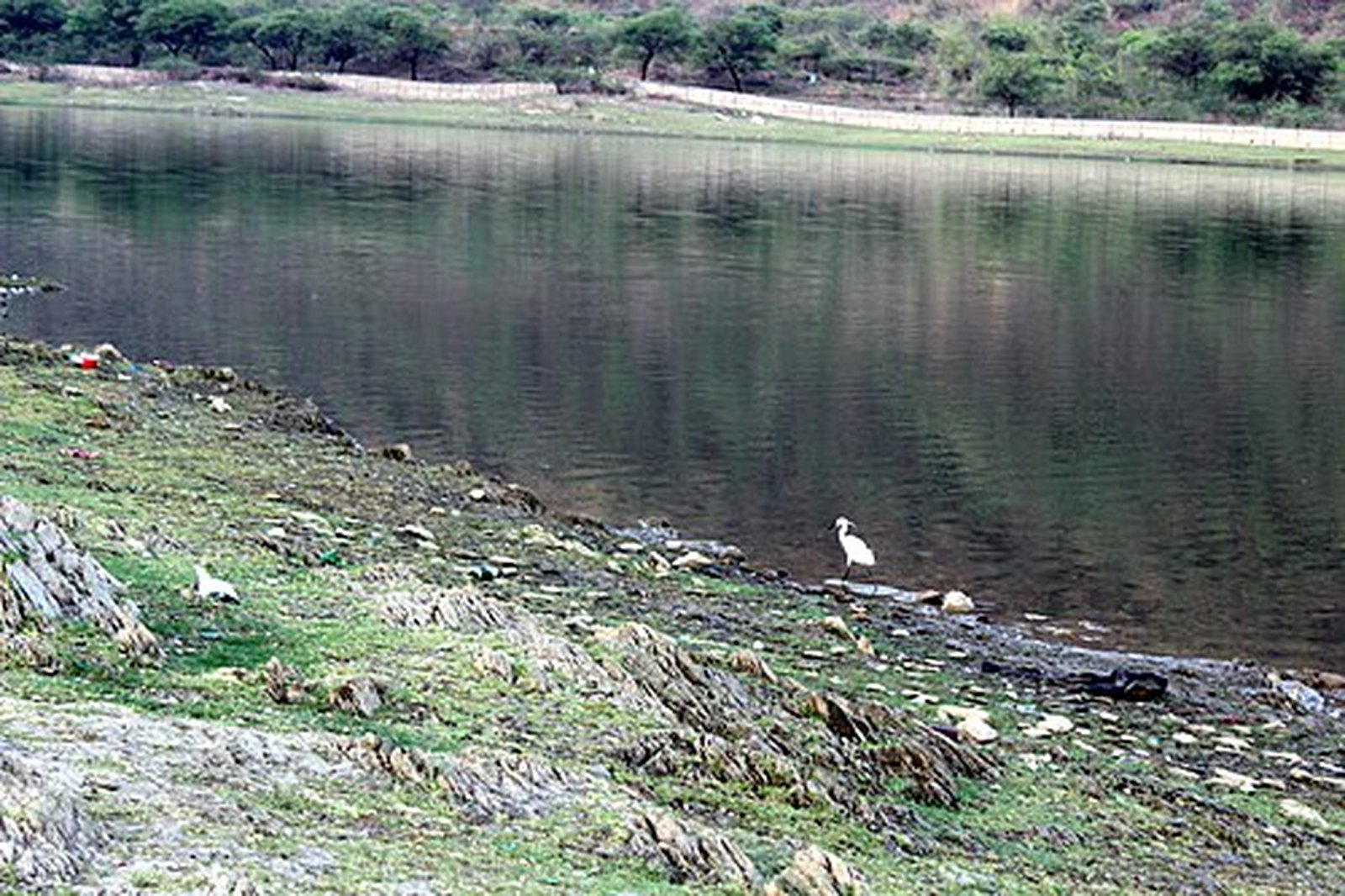
The ecology of the Aravalli hills is inextricably tied to its reservoirs. While Lake Pichola and Fateh Sagar serve the civic and royal needs of the city, Badi Lake (Jiyan Sagar) serves the forest. Located on the outskirts of the urban grid, this massive artificial reservoir was engineered to catch the monsoon runoff from the surrounding peaks.
Today, Badi Lake stands as the unpolished, natural counterpart to the royal lakes. Framed by jagged peaks and completely devoid of commercial development, the shores are frequented by the wildlife of the sanctuary. The water here is not churned by municipal ferries; it remains glassy and undisturbed, reflecting the dramatic geology of the Bahubali Hills that rise sharply from its northern edge.
The Night in the Aravallis
The profound contrast of this ecosystem is best understood when the sun sets and the diurnal wildlife yields to the nocturnal. As dusk falls over the region, the wilderness lake goes completely silent after dark. The sensory shift is immediate and absolute.
The daytime heat drops, the surrounding Aravalli hills settle under a pitch-black canopy, and the stars glow brightly enough to reflect on the water. In this total isolation, the architecture of the past is swallowed by nature. The historic pavilions sit in shadow, and far off, the faint call of a night owl echoes. There is no mechanical hum, no city light bleeding over the horizon, and no human interference. Out here, there is only the elemental presence of the ancient mountains.
The Untamed Counterpoint
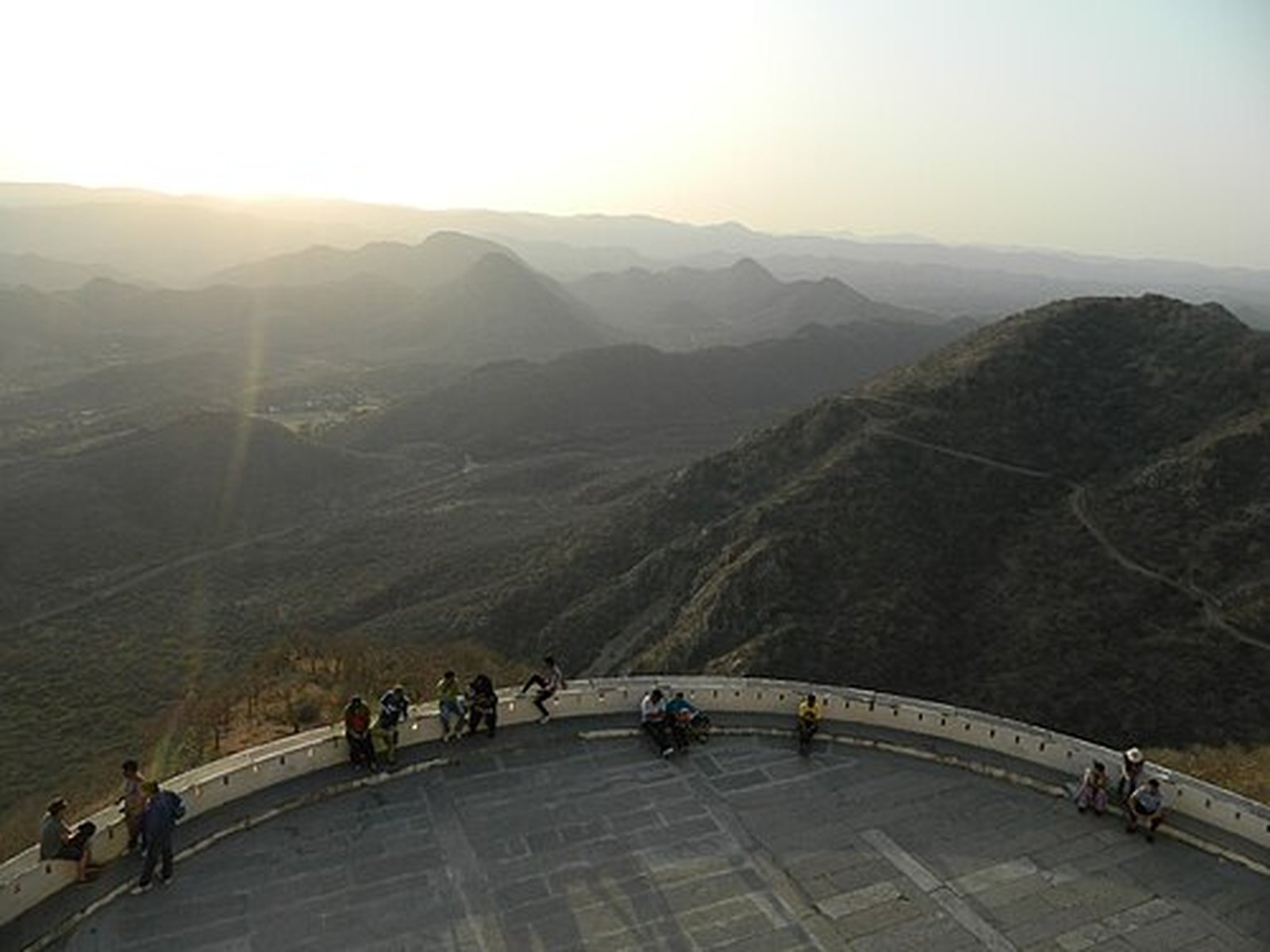
To travel to Udaipur and never step foot into the Aravalli hills is to read only half the history of Mewar. The opulent palaces, the refined miniature paintings, and the intricate courtyards of the havelis were all built as highly cultivated sanctuaries against the harsh reality of this terrain. By venturing into the dry-deciduous forests of Sajjangarh and sitting by the quiet, starlit waters of the outer lakes, one gains a profound respect for the resilience required to thrive in this ancient, unyielding landscape. The Aravallis are not just the backdrop of Udaipur; they are the wild foundation upon which the entire civilization was built.
