
A Tale of Two Western Ghats Highlands Shaping India’s Coffee Identity
When travelers picture South India’s coffee heartland, two legendary names dominate the map: Coorg and Chikmagalur. Both districts sit gracefully along the emerald crest of the Western Ghats in Karnataka, separated by a few hours of winding mountain roads and river valleys. Both feature mist-shrouded peaks, thick evergreen rainforests, and thousands of private acres dedicated to shade-grown coffee cultivation. Yet, to treat Coorg and Chikmagalur as identical twin destinations is to miss the distinct personalities, historical roots, environmental microclimates, and cultural traditions that define each highland region.
For readers planning an exploration of Karnataka’s coffee country, understanding how these two regions differ—and how they complement one another—is the secret to unlocking a far richer travel experience. From the legendary origins of India’s very first coffee seeds to the modern hospitality traditions of estate homestays, Coorg and Chikmagalur offer two completely distinct windows into life under the Western Ghats canopy.
Historical Roots: The Legend of Seven Seeds Versus Colonial Expansion
The story of coffee in India does not begin in a corporate boardroom or a colonial trading port; it begins on a remote, sacred mountain in Chikmagalur.
In the late seventeenth century, a revered Sufi saint named Baba Budan embarked on a long pilgrimage to Mecca. While traveling through the port of Mocha in Yemen, he encountered a dark, fragrant brewed beverage made from roasted coffee seeds. At the time, Arab traders held a strict monopoly on coffee production, exporting only boiled or roasted beans to ensure no fertile green seeds could leave their borders.
Risking execution, Baba Budan hid seven raw green coffee seeds within the folds of his robes and smuggled them back to India. Upon returning to Karnataka, he planted these seven seeds on the fertile slopes of the Chandragiri Hills near Chikmagalur. Today, that mountain range bears his name—Baba Budan Giri—and stands as the historical birthplace of Indian coffee cultivation.
In contrast, the story of Coorg, officially known as Kodagu, evolved along a very different historical and social trajectory:
- Colonial Enterprise: While small-scale coffee patches grew around Chikmagalur for generations, Coorg’s widespread plantation movement was heavily catalyzed by British officers and Scottish planters in the early nineteenth century.
- Warrior Heritage: Unlike neighboring districts, Coorg was ruled for centuries by independent Kodava chieftains. The indigenous Kodava people were agrarian warriors who maintained an intimate, protective relationship with their ancestral forests.
- Integrated Land Ownership: Over time, native Kodava families acquired and expanded estate holdings, creating a unique tradition of local, family-owned coffee properties that continues to thrive today.
Geography and Landscape: Rugged Heights Versus Rolling Basins
Geographically, Chikmagalur and Coorg offer strikingly different visual landscapes, influenced by dramatic altitude shifts and mountain structures.
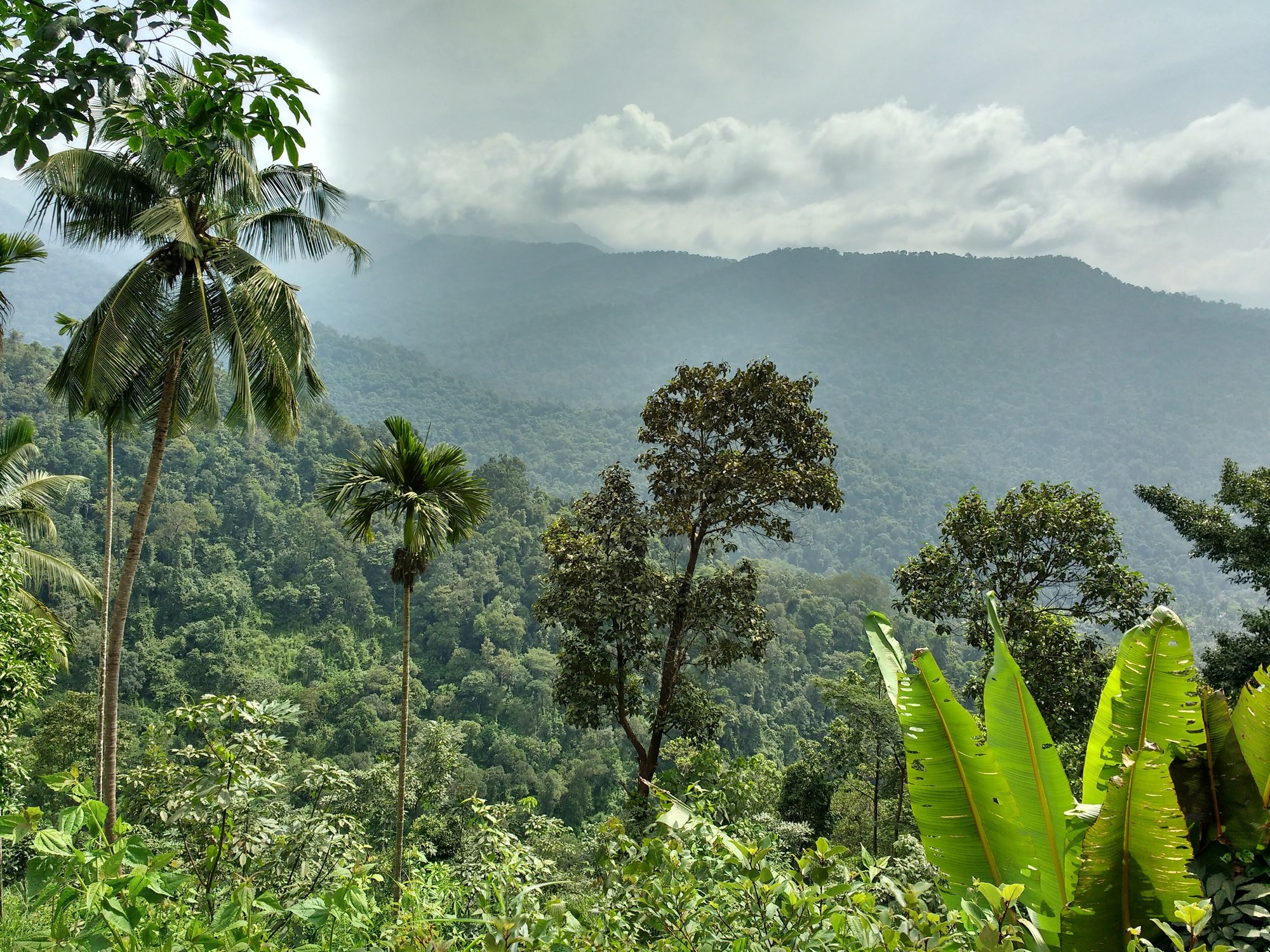
Chikmagalur is defined by dramatic altitude variations and sheer mountain verticality. Home to Mullayanagiri—the highest peak in Karnataka at nearly 2,000 meters above sea level—Chikmagalur features sharp ridges, deep gorges, and high-altitude grasslands known as sholas. The coffee estates here cling to steep mountain slopes, where cool mountain air and sharp elevation drops create ideal growing conditions for delicate Arabica coffee varieties that demand low temperatures and swift drainage.
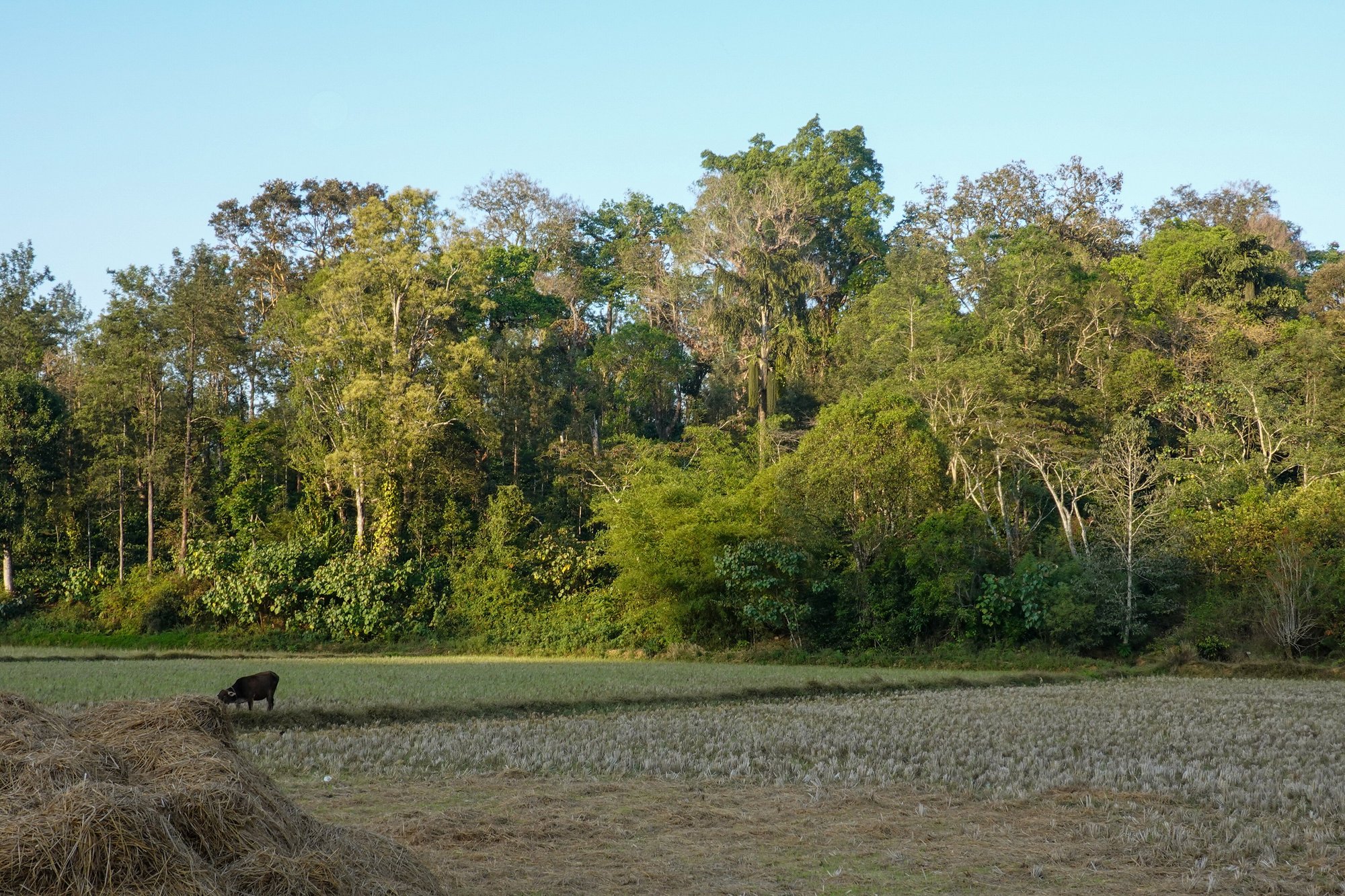
Coorg, by comparison, presents a softer, more intimate, and sprawling landscape. The terrain consists of rolling green hills, broad valley basins, and gentle forest plateaus fed by the headwaters of the sacred Kaveri River. Instead of dramatic, rocky cliffs, Coorg’s coffee estates feel seamlessly integrated into dense forest ecosystems where towering native trees shade low-lying crops.
Key geographical characteristics distinguishing the two regions include:
- Elevation Profiles: Chikmagalur ranges from 900 to nearly 2,000 meters above sea level, whereas Coorg sits predominantly between 700 and 1,200 meters.
- Varietal Dominance: Chikmagalur’s cooler, higher elevations favor Arabica plants, which demand high altitude and mild temperatures. Coorg’s warmer, rain-heavy basins excel in growing robust, heat-tolerant Robusta coffee.
- Water Systems: Coorg is dominated by river valleys, natural wetlands, and forest streams, while Chikmagalur features high-altitude mountain springs, steep waterfalls, and rugged reservoir catchments.
- Forest Density: Coorg maintains a dense, continuous forest canopy across private estates, while Chikmagalur transitions into open grassland ridges at higher altitudes.
The Plantation Experience: Estate Stay Culture Compared
For visitors seeking an immersive stay among coffee bushes, the style of hospitality in Coorg and Chikmagalur reflects their differing geography and social histories.
Coorg is widely recognized as the pioneer of the authentic plantation homestay movement in South India. Decades ago, local Kodava planter families opened their ancestral estate homes to travelers. A stay in Coorg typically centers around a sprawling, red-tiled heritage home nestled deep inside a private estate. Guests eat home-cooked traditional meals alongside host families, learn about local Kodava customs, and take unhurried morning walks along estate private roads without ever leaving the property boundary.
Chikmagalur’s hospitality scene, meanwhile, has developed along a broader, more varied spectrum designed for different travel styles:
- Luxury Mountain Resorts: Due to its dramatic terrain, Chikmagalur features large-scale luxury resorts perched on high ridge lines, offering infinity pools overlooking cloud-filled valleys.
- Rustic Mountain Cabins: High-altitude properties near Baba Budan Giri offer secluded wood cabins designed for trekkers and nature enthusiasts seeking cooler mountain temperatures.
- Heritage Planter Bungalows: Like Coorg, Chikmagalur possesses magnificent colonial-era bungalows, though often spaced farther apart across sprawling mountain valleys.
Culture and Culinary Identity: Pork Pandi Curry Versus Malnad Spices
Travelers often find that the cultural atmosphere and local cuisine in these two highlands are as distinct as their topography.
Coorg possesses a rich, highly individualistic cultural identity shaped by the Kodava community. Known historically for their martial traditions, distinct traditional attire, and unique family clan structures, the people of Coorg celebrate life with rich, slow-cooked dishes. The undisputed culinary star of Coorg is Pandi Curry—a dark, deeply flavorful pork dish cooked with roasted spices and sour Kachampuli, a dark vinegar made from the concentrated juice of a local wild fruit called Garcinia gummi-gutta.
Chikmagalur belongs to the broader Malnad cultural region of Karnataka. The food here relies heavily on local forest produce, fresh coconut, raw banana, tender bamboo shoots, and steamed rice cakes known as Kadubu. The flavors are subtle, aromatic, and deeply tied to rural agricultural traditions.
Notable culinary highlights from both regions include:
- Coorg Specialties: Pandi Curry (spiced pork), Akki Oti (flat rice bread), Bambale (tender bamboo shoot curry), and wild mushroom gravies harvested during monsoon months.
- Chikmagalur Specialties: Akki Rotti (seasoned rice flatbread), Pathrode (steamed colocasia leaf rolls), Akki Shavige (handmade rice noodles), and fresh coconut-based vegetable stews.
Ecological Role and Sustainable Agroforestry
Beyond tourism and agriculture, both regions play a critical role in preserving the delicate ecology of the Western Ghats—a globally recognized biodiversity hotspot.
In both Coorg and Chikmagalur, coffee is cultivated under a natural forest canopy rather than cleared, open fields. This shade-grown method preserves thousands of acres of native biodiversity. Towering trees like silver oak, rosewood, and wild fig provide essential habitat for hundreds of bird species, rare amphibians, and mammals like the Malabar giant squirrel and Asian elephant. Furthermore, the thick root systems of coffee bushes and shade trees prevent widespread soil erosion during heavy monsoon deluges, protecting downstream river basins across Southern India.
Choosing Your Highlands Journey
For travelers debating where to spend their time, the choice ultimately depends on the specific pace and style of experience desired.
Chikmagalur is the ideal destination for travelers who crave high-altitude vistas, mountain trekking, dramatic road trips, and exploring the historical birthplace of Indian coffee. The crisp mountain air, steep hiking trails, and sweeping mountain views make it an absolute haven for adventure seekers, trekkers, and photography enthusiasts.
Coorg, on the other hand, is built for slow, sensory immersion. It is a land of quiet forest walks, deep culinary discoveries, rich indigenous heritage, and intimate homestay hospitality where guests can truly unwind under a lush green canopy.
Together, these two neighboring districts form the beating heart of India’s coffee culture. Whether standing on the high ridges of Baba Budan Giri or walking through a quiet, stream-fed estate in Madikeri, visitors quickly realize that coffee in South India is far more than a commercial crop—it is a living, breathing way of life carved into the very stone and soil of the Western Ghats.

Harishchandragad Trek: A Monsoon Dream in Maharashtra
Day Trips to Kumbhalgarh Fort and Ranakpur Temple
Diwali getaways index
The Town You Sleep In
Why the base town shapes a monsoon waterfall trip more than any single fall, what to look for, and towns in Karnataka, Kerala and Goa worth considering.
One village ghat upriver
Train versus road that week
Markets before the 20th, not on it
Journeys Worth Discovering
Explore inspiring destinations, memorable journeys and travel stories from across India and beyond.
Explore destinations




