
This is the least romantic article in our snow issue, and possibly the most useful. Before you head to Gulmarg, Auli, Manali or anywhere else in the snow this January, read it through. Bookmark the sources. Share it with whoever is driving.
Rules, closures and warnings change constantly in winter, often from one day to the next. This page explains where to look and what to look for. It does not replace the latest official information.
Avalanches: who warns, and what it means
India’s main avalanche forecasting work is carried out by the Defence Research and Development Organisation’s Defence Geoinformatics Research Establishment (DGRE), which took over the work of the older Snow and Avalanche Study Establishment. In winter it issues avalanche warnings for districts across Jammu and Kashmir, Ladakh, Himachal Pradesh and Uttarakhand, usually graded by danger level. These warnings are widely reported by news agencies and shared by district administrations.
State disaster management authorities, district administrations and the India Meteorological Department also issue weather warnings, which often precede avalanche alerts.
What this means for a traveller:
- If there is a high or medium avalanche warning for your area, stay away from steep slopes and avalanche paths. Do not walk or ski off marked routes.
- The day after heavy snowfall is often the most dangerous, even if the sun is shining.
- Gulmarg’s upper slopes on Apharwat are genuine avalanche terrain. Off-piste skiers and snowboarders there have been caught in avalanches in past seasons. Off-piste skiing should only be done with a qualified local guide, avalanche transceiver, probe and shovel, and training to use them.
- Snow-covered roads in steep valleys can be swept by avalanches. If authorities close a road, they usually have a reason.
Roads: where to check
Jammu and Kashmir. The J&K Traffic Police issue regular advisories on the Jammu–Srinagar national highway, the Mughal Road and other routes, including which direction traffic is allowed on which days. The road from Tangmarg to Gulmarg may require chains or four-wheel drive vehicles after snow. Ask your hotel or driver every evening.
Himachal Pradesh. District administrations and police in Kullu and Lahaul-Spiti post updates on the Manali–Solang–Atal Tunnel route and Lahaul. Traffic beyond certain points may be restricted for tourist vehicles after snowfall. The state’s emergency operations and public works departments also report road closures during major weather events.
Uttarakhand. The highway towards Joshimath (Jyotirmath) and Auli is prone to landslides, and roads in Chamoli can close after heavy rain or snow. The state disaster management authority and Chamoli district administration post updates.
For a fuller picture of high routes, read What the passes do in January.
Permits
Most popular snow destinations do not require special permits for Indian travellers in January, but there are exceptions and rules to be aware of:
- Rohtang Pass. In the open season, vehicle access above Manali towards Rohtang has been regulated by an online permit system with daily limits. The pass is normally closed in January.
- Lahaul. Access via the Atal Tunnel has at times been subject to restrictions or registration for tourist vehicles, especially in winter. Check before setting off.
- Protected and inner line areas. Some border regions require inner line permits or protected area permits, especially for foreign nationals. Check before planning trips near international borders.
- Forest areas. Some trails, including routes around Auli, pass through forest land. Local forest department rules may apply.
- Foreign nationals should check any special requirements for Jammu and Kashmir and border districts.
Rules change. Check the relevant state government or district website before you travel, not a blog post from a past season, including ours.
Driving in snow
- Hire experienced local drivers. Driving on snow and ice is a skill. Drivers from the area know the roads and the conditions.
- Use chains when required. In many places, chains can be fitted locally on the approach road. Do not drive without them if told they are needed.
- Start early, stop early. Roads freeze again after sunset. Aim to finish mountain driving well before dark.
- Carry supplies. Water, food, warm clothes, blankets, a charged phone and a power bank. Traffic jams of several hours are common after snowfall.
- Do not stop under steep slopes to take photographs. Rocks and snow can fall.
- Respect barriers and police instructions. Never try to drive past a closed road.
Health and weather
- Altitude. Ascend gradually where you can and recognise symptoms such as worsening headache, nausea, breathlessness at rest and confusion. Descend if they get worse.
- Cold. Watch for signs of hypothermia and frostbite, especially in children and older people.
- Sun. Snow reflects sunlight strongly. Wear sunglasses and sunscreen.
- Insurance. Make sure your travel insurance covers winter sports and mountain areas if you plan to ski.
Skiing and snow sports
If you plan to ski, snowboard or try snow tubing, choose operators and instructors recognised by the local tourism authorities, check that equipment is in good condition and wear a helmet. Stay on marked and groomed slopes unless you are with a qualified guide. Ask where the patrolled area ends; in Indian resorts it can be smaller than visitors assume, and rescue from beyond it may be slow. Children should always be supervised on slopes and around lifts.
A simple pre-trip checklist
- Check IMD forecasts for your destination district.
- Check for avalanche warnings for that district.
- Check the latest road advisory for every route you will drive.
- Confirm any permits or registrations needed.
- Share your itinerary with someone at home.
- Build at least one buffer day into the trip. Read A rest day is part of the trip.
- Pack layers, waterproof boots, gloves, hat, sunglasses, sunscreen, medicines and a power bank.
When things go wrong
If you are stuck in snow, stay with your vehicle unless instructed otherwise, keep warm and conserve your phone battery. The national emergency number in India is 112. Many states also run disaster helplines; note those for your destination before you go.
Take the mountains seriously and they will give you the best days of your year. Treat them casually and they can take everything. The difference is usually a few minutes of checking before you set out.
More from Issue 81
- Issue 81 index: Snow Destinations of India
- A rest day is part of the trip
- A guest night in a wooden house
- One meadow you walk to
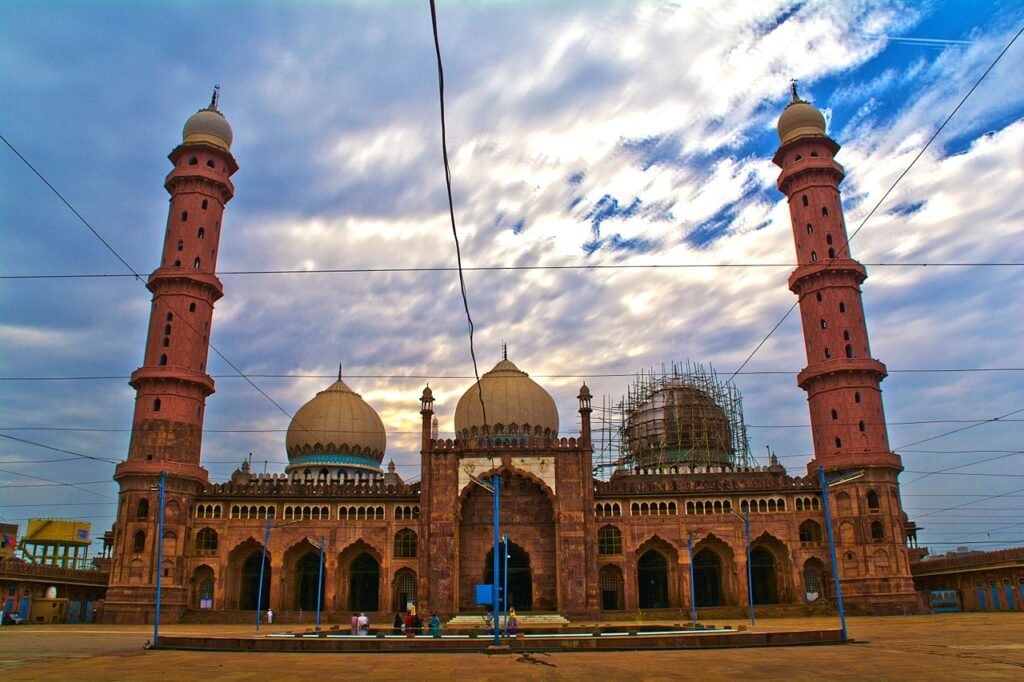
Bhopal: Delightful & Wonderful

Snorkeling in Lakshadweep: An In-Depth Guide to Discovering the Underwater Paradise
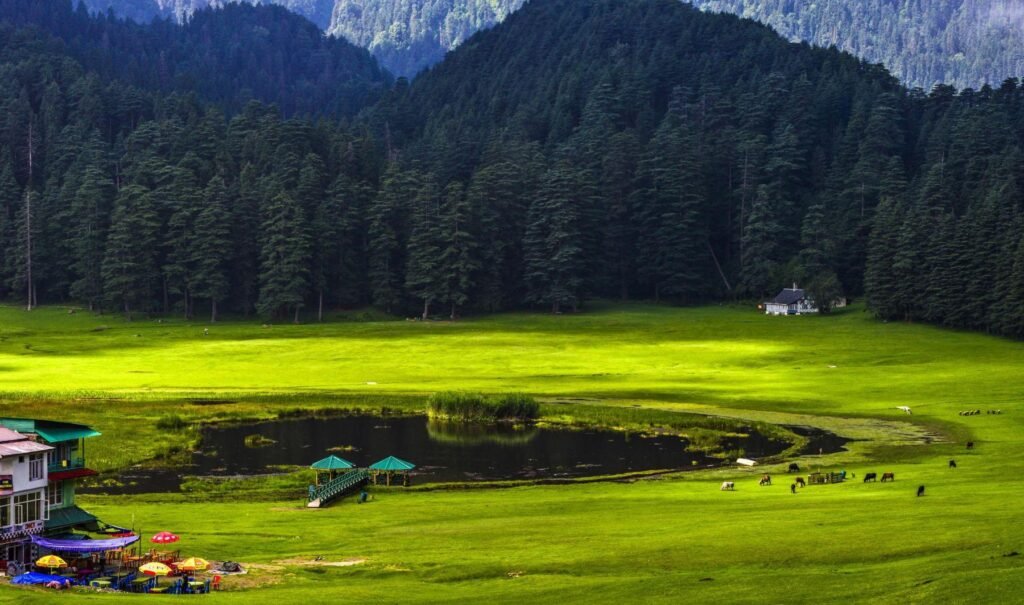
Delightful “Dalhousie”
The Town You Sleep In
Why the base town shapes a monsoon waterfall trip more than any single fall, what to look for, and towns in Karnataka, Kerala and Goa worth considering.
One village ghat upriver
Train versus road that week
Markets before the 20th, not on it
Journeys Worth Discovering
Explore inspiring destinations, memorable journeys and travel stories from across India and beyond.
Explore destinations




