
If you only had one journey to understand what April means in India, it would run along the old Grand Trunk Road country, from Amritsar in Punjab to Varanasi on the Ganga. On a map it is a straight line across the northern plains. In April it becomes something richer: a corridor of ripening wheat, harvest festivals, new-year rituals, temple fairs and riverside evenings, all unfolding just before the real heat of summer settles in.
This is not a race. Think of it as a ten- to fourteen-day journey by train and road, with long pauses in a handful of places. Each stop tells you something different about the month: the farmer’s calendar in Punjab, the pilgrim’s calendar in the Doab, and the river’s calendar in Varanasi.
Why this route, and why April
April sits at a hinge in the North Indian year. The rabi crop, mainly wheat, is being harvested across Punjab, Haryana and western Uttar Pradesh. The solar new year, marked as Baisakhi (Vaisakhi) in Punjab, usually falls on 13 or 14 April. In the Hindu lunar calendar, the spring festival season around Ram Navami often lands in late March or April, and in 2025 it fell in early April. Days are long and bright, and while afternoons on the plains are already hot, mornings and evenings remain comfortable enough to walk, explore and linger.
Travel this corridor in April and you see the whole agricultural cycle reach its climax, then watch people turn that harvest into celebration, prayer and food.
Stop one: Amritsar, where the year begins in gold
Start in Amritsar, ideally a day or two before Baisakhi. The Harmandir Sahib, better known as the Golden Temple, is the spiritual heart of Sikhism, and Baisakhi carries special weight here because it commemorates the founding of the Khalsa by Guru Gobind Singh in 1699. Expect larger crowds than usual, devotional music through the day, and the remarkable langar, the community kitchen that serves free meals to anyone who sits down.
Go early in the morning, when the marble around the sarovar is cool underfoot and the reflections are at their best. Cover your head, leave shoes at the designated counter, and give yourself time to simply sit. Nearby, Jallianwala Bagh is a sobering stop; the massacre there took place on Baisakhi day in 1919, which gives the date a second, more solemn meaning for many Indians.
In the evening, many visitors drive out to the Attari–Wagah border for the flag-lowering ceremony. Timings shift with the season and with security arrangements, so check locally on the day rather than relying on a fixed hour.
Stop two: the wheat country of Punjab and Haryana
Between Amritsar and Delhi, slow down. Rather than rushing by express train, consider a day or two on the road through towns such as Jalandhar, Ludhiana or Kurukshetra. In April the fields shift from green to deep gold, and you may see combine harvesters working beside families cutting by hand. Village gurdwaras host fairs around Baisakhi, and in many places you will hear the beat of the dhol and see bhangra performed with real joy rather than for an audience.
Kurukshetra, in Haryana, adds a mythological layer: it is traditionally identified as the battlefield of the Mahabharata and the place where the Bhagavad Gita was spoken. The Brahma Sarovar is a peaceful spot at dawn, with far fewer visitors than in the winter festival season.
Stop three: Delhi, a pause to reset
Delhi works best here as a breather. April evenings in Delhi can still be pleasant, and it is a good moment for gardens before May’s heat: Lodhi Garden at sunrise, Sunder Nursery, and the older lanes of Nizamuddin, where qawwali at the dargah on Thursday evenings remains one of the city’s most moving experiences. Use the Delhi Metro to save time and energy, and plan indoor museum visits for the hottest part of the afternoon.
Stop four: Mathura and Vrindavan, or Ayodhya
East of Delhi, the route enters the heartland of the Ram and Krishna traditions. You have a choice. Mathura and Vrindavan, a short journey from Delhi, are busy with temple rituals all year; in spring their lanes are full of song, and early mornings along the Yamuna ghats are atmospheric. Alternatively, if your dates match Ram Navami, consider a detour to Ayodhya, where the festival draws very large crowds. If you go at festival time, book accommodation well in advance and be prepared for security checks and long queues.
Whichever you pick, travel light, dress modestly, and respect photography rules inside temples, which are often strict.
Stop five: Lucknow, for the table
Lucknow is where this route rewards your appetite. The city is famous for Awadhi cuisine: slow-cooked kebabs, fragrant biryani, rich kormas and delicate sweets. April evenings are the right time to wander the older neighbourhoods around Aminabad and Chowk. Daytime is better spent at the Bara Imambara with its famous labyrinth, the Rumi Darwaza and the Residency, a ruined complex tied to the events of 1857.
If you happen to travel during Ramadan, which in some years overlaps with spring, the old city’s food streets come alive after sunset. In 2025, Eid al-Fitr fell at the end of March, so April visitors will mainly find the post-Eid rhythm rather than the fasting month itself.
Stop six: Varanasi, where the river closes the circle
End in Varanasi. After weeks of fields and festivals, the Ganga makes sense of everything. Here the year is measured not by harvests but by rituals that never stop: morning prayers, cremations at Manikarnika and Harishchandra ghats, and the evening Ganga Aarti at Dashashwamedh.
Take a boat at dawn. In April the light is soft at first and warms quickly, so the hour after sunrise is the sweet spot. Spend the heat of the day indoors or in the cool lanes of the old city, and return to the ghats at dusk. If you have time, Sarnath, where the Buddha is believed to have preached his first sermon, is a calm half-day trip.
How to travel the route
Indian Railways is the backbone of this journey. Amritsar, Delhi, Lucknow and Varanasi are all well connected, and AC chair car or sleeper classes make the longer legs comfortable. Book ahead around Baisakhi and Ram Navami, when demand rises. For the shorter hops, especially in Punjab and around Mathura, a hired car with a driver gives you flexibility to stop at fields, dhabas and village gurdwaras.
A sensible pace looks like this: two nights in Amritsar, two on the road through Punjab and Haryana, two in Delhi, one or two in Mathura–Vrindavan or Ayodhya, two in Lucknow and three in Varanasi.
Practical notes for April
- Heat: Afternoon temperatures on the plains can be high by late April. Plan sightseeing for mornings and evenings, drink plenty of water and carry ORS.
- Dress: Light cotton, a scarf for covering your head at gurdwaras and temples, and comfortable footwear you can slip off quickly.
- Festival dates: Baisakhi and Ram Navami dates vary slightly each year. Confirm them before you book.
- Crowds: Major shrines are busiest on festival days. If you prefer calm, arrive a day before or stay a day after.
What the route teaches you
By the time you sit on the steps of a Varanasi ghat, you will have seen how one month connects field to festival to faith. The wheat in Punjab, the songs in Vrindavan, the kebabs in Lucknow and the lamps on the Ganga are not separate attractions. They are chapters of the same story: a country marking a new year, giving thanks for a harvest, and preparing for the long summer ahead. That is what April in India really means, and this route lets you read it from beginning to end.
More from Issue 72
- April 2025: Inside This Issue
- Editor’s Letter: April, the Month India Starts Again
- How to Experience India’s Harvest Festivals as a Tourist
- Celebrate Baisakhi in Punjab
- Ramadan Celebration in India: Spiritual Journeys in April
- Local Fairs and Cultural Festivals You Can Attend in April
- Three Days in Guwahati for Rongali Bihu, Not a Checklist
- What to Skip on Your First April Trip in India
- Talwandi Sabo: A Quieter Baisakhi Beside Amritsar
- Food, Stay and Getting Around: India in April
- Permits, Dates and Closures: India in April 2025

“Kaza” The Headquarter Of Spiti Valley

The Magnificent Golconda Fort in Telangana
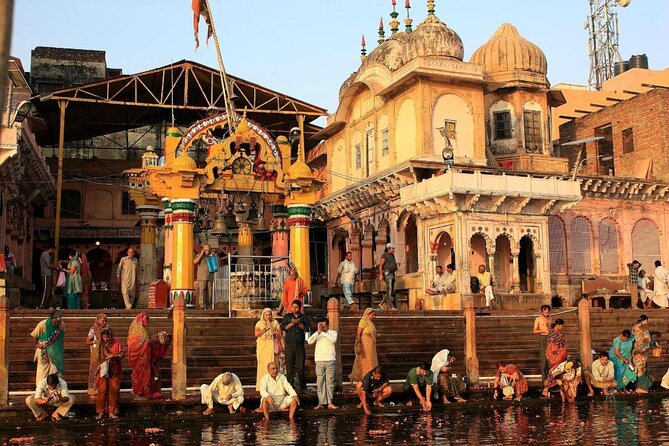
Mathura – Where Legends Embrace Divinity
The Town You Sleep In
Why the base town shapes a monsoon waterfall trip more than any single fall, what to look for, and towns in Karnataka, Kerala and Goa worth considering.
One village ghat upriver
Train versus road that week
Markets before the 20th, not on it
Journeys Worth Discovering
Explore inspiring destinations, memorable journeys and travel stories from across India and beyond.
Explore destinations




