
Dear reader,
If Garhwal is the Uttarakhand of pilgrimages and great rivers, Kumaun is the Uttarakhand of long views. It is the eastern half of the state, stretching from the lake country around Nainital to the borders of Nepal and Tibet, and for most of its length it is a landscape of rolling ridges, oak and pine forests, terraced villages and, on clear mornings, an almost unbroken wall of snow peaks along the northern horizon. Our June 2024 issue is devoted to this gentler, quieter face of the Himalaya.
June is when the plains of north India are at their hottest, and Kumaun has been a summer refuge for a very long time. The British built hill stations here in the nineteenth century; Nainital, Ranikhet and Almora still carry traces of that era in their churches, cantonments and Mall Roads. But Kumaun was a living mountain culture long before that, with its own language, its own temples, its own festivals and a cuisine built around hill grains, lentils and the produce of steep terraced fields. We wanted this issue to honour both stories.
What you will find inside
Our features already on the site take you to Ranikhet, the quiet cantonment town with views of Nanda Devi and its neighbours; to Munsyari, the high village facing the Panchachuli peaks; through a broad introduction to the land of Kumaun; to Gwaldam, on the edge between Kumaun and Garhwal; to Mukteshwar, with its orchards and cliff-top temple; and onto the Brahmatal trek.
The new stories go deeper into how to travel here. One follows a single road from Kathgodam, where the railway ends, all the way up to Munsyari, because we believe that drive explains Kumaun better than any list. Another offers a three-day plan for first-timers that is not a checklist, built around Nainital, Almora and the forests of Binsar. We have written a candid guide to what to skip on a first trip, and a story on Sattal and Pangot, the quieter lakes and forests just beside crowded Nainital.
A region of many small worlds
One of the joys of putting this issue together was discovering how varied Kumaun is. The lake country around Nainital, Bhimtal and Sattal feels almost Alpine in places, with water reflecting forested hills. Almora and its surroundings are a cultural heart, with old bazaars, carved wooden doorways and the stone temples of Jageshwar not far away. Ranikhet and Kausani are ridge towns built for views. Further north and east, Bageshwar, Pithoragarh, Munsyari and Dharchula lead towards valleys that feel remote even today, where trekking routes head for glaciers and high passes. Between them lie hundreds of villages that rarely appear in guidebooks at all.
Each of these places has its own character, food and rhythm, and you could spend a lifetime exploring them. This issue can only open the door, but we hope it gives you a sense of where you might begin, and the confidence to wander a little further than the best-known hill stations.
The Kumaun I hope you find
When I think of Kumaun I think of slow things. Sitting on a veranda in Almora while the light moves across the ridges. Walking through an oak forest so quiet you can hear a whistling thrush. Tasting bal mithai for the first time. Watching the peaks turn pink at dawn from a forest rest house in Binsar after a night without electricity. The sense, almost everywhere, that life here is lived at the speed of walking.
Kumaun rewards travellers who give it time. The roads are winding and slow, and the distances on the map are deceptive. It is far better to choose two or three places and stay a while than to try to see the whole region in a week. In every story in this issue we have tried to help you slow down.
How we hope you travel
Kumaun’s villages and forests are fragile. Many of the most beautiful places in this issue are small communities, wildlife sanctuaries or forest areas where water is scarce and waste is difficult to manage. Please travel lightly: carry a refillable bottle, take your rubbish back with you, stay in locally run homestays where you can and buy from local producers. Respect temple customs and village privacy. Drive carefully, and if you are not used to mountain roads, consider hiring a local driver.
June also brings the first signs of the monsoon to these hills, usually towards the end of the month. Roads can be affected by landslides once the rains arrive, and views of the snow peaks become less reliable as cloud builds up. Plan with a margin, check road conditions and be ready to change your plans.
As always, we have been careful with facts. Prices, timings, permit rules and road conditions change, sometimes quickly in the mountains. Where we are not sure, we say so, and we would always encourage you to check current information locally before you set out.
A personal note
This magazine began in May 2019 with an issue that looked towards the hills of Uttarakhand, and in many ways we keep returning to them. There is something about these mountains that makes people want to come back: the hospitality, the forests, the peaks and the quiet. Kumaun, in particular, has a way of making visitors feel less like tourists and more like guests.
Thank you for travelling with us, for reading, and for writing in with your own stories. Every month your letters remind us why we do this. I hope this issue inspires you to escape the summer heat, and to find in Kumaun the same calm that so many travellers before you have found.
Whether you come for a long weekend in the lake country or a fortnight in the high valleys, I hope these pages help you travel a little more thoughtfully.
Go slowly, look up often, and leave a little room in your plans to accept a cup of tea from a stranger.
With warm regards,
Khushi Anand, Editor
More from Issue 62
- June 2024
- Explore Ranikhet: Kumaun’s Himalayan Haven
- Exploring Munsyari in Kumaun, Uttarakhand
- The Enchanting Land of Kumaun
- Gwaldam, A Hidden Gem in the Heart of Kumaun
- Discover Mukteshwar: A Serene Hill Station in Uttarakhand
- Brahmatal Trek: Explore the Serene Himalayan Beauty
- Kathgodam to Munsyari: The One Road That Explains Kumaun
- Three Days in Kumaun, Not a Checklist: Nainital, Almora and Binsar
- What to Skip on Your First Trip to Kumaun
- Sattal and Pangot: The Quieter Lakes and Forests Beside Nainital

Best Places in India to Witness Snowfall This January
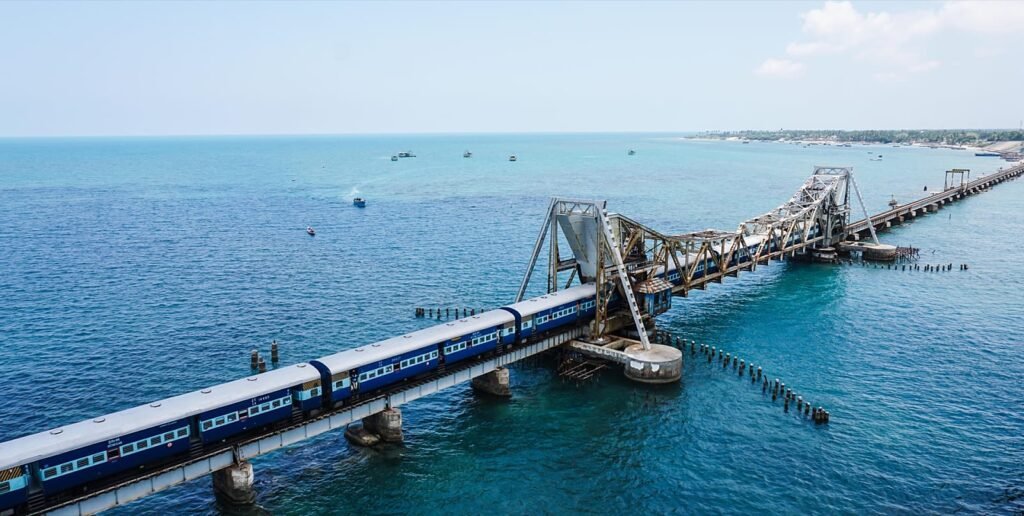
Rameswaram

Beyond the Peaks: Kashmir’s Exciting Adventure Haven
The Town You Sleep In
Why the base town shapes a monsoon waterfall trip more than any single fall, what to look for, and towns in Karnataka, Kerala and Goa worth considering.
One village ghat upriver
Train versus road that week
Markets before the 20th, not on it
Journeys Worth Discovering
Explore inspiring destinations, memorable journeys and travel stories from across India and beyond.
Explore destinations




