
Every winter, the plains of north India disappear under a blanket of fog. It usually settles in from mid-December and can linger into January, thickest in the hours after midnight and before mid-morning. For people who live there it is a familiar part of the season, along with cold mornings, roadside fires and steaming cups of chai. For travellers trying to get somewhere for New Year, it can be the difference between arriving on the 30th and spending the 31st in a departure lounge. This is a practical guide to fog, flights and the 31st: what happens, why, and how to plan around it.
Why the fog comes
The winter fog of the Indo-Gangetic plain forms when cold, still air settles over moist ground on long, clear nights. Moisture from the soil, rivers, canals and fields condenses into tiny droplets close to the ground. Pollution from vehicles, industry, crop-residue burning and household fires adds particles around which droplets can form, which is one reason why the fog can become thick and smoggy. Without wind to clear it, the fog can sit for hours, and in a cold spell it may return every night for days at a stretch.
The area most often affected runs across Punjab, Haryana, Delhi, Uttar Pradesh and Bihar, and sometimes beyond, into parts of Rajasthan, Madhya Pradesh and West Bengal. Hill stations above the plains are usually clear, which is part of their appeal in winter, but the roads and railways that lead to them pass through the fog belt.
What it does to flights
Low visibility affects take-offs and landings. Major airports such as Delhi have instrument landing systems that allow some aircraft and specially trained crews to land in very poor visibility, but not every plane, crew or airport is equipped for the worst conditions. When visibility drops below certain limits, flights can be delayed, diverted to other airports or cancelled. Because airlines run tight schedules, a delay in the early morning can ripple through the rest of the day.
The worst disruption tends to be between late night and mid-morning. Flights in the early hours are the most vulnerable; afternoon and early evening departures are often more reliable, though not guaranteed. In some winters, airlines and regulators have issued guidance on fog-affected periods and encouraged passengers to check flight status before leaving home.
What it does to trains
Indian Railways runs a huge network across the fog belt, and winter fog slows it down. Drivers must reduce speed when they cannot see signals clearly, and long-distance trains can run many hours late. Some services are cancelled, rescheduled or short-terminated during the worst weeks of winter. If you are taking an overnight train in north India in late December, it is wise to assume you may arrive later than scheduled and to plan the following day accordingly.
What it does to roads
Fog makes road travel genuinely dangerous. Expressways and highways across the plains see accidents every winter, often involving multiple vehicles. If you are driving, avoid the late night and early morning hours, keep your speed down, use fog lights and low beams, keep a long distance from the vehicle ahead, and pull over somewhere safe if visibility becomes very poor. If you are taking a taxi or bus, choose daytime departures where you can.
Planning for the 31st
The simplest rule is to arrive early. If you are going somewhere for New Year’s Eve, aim to get there on the 29th or 30th rather than on the day itself. That gives you a buffer if your flight is delayed or your train runs late. If you must travel on the 31st, choose an afternoon flight rather than an early morning one, and try to avoid tight connections.
For the return journey, the same thinking applies. Do not book an early morning flight on the 1st or 2nd if you can avoid it, and avoid planning anything important for the day you are due back at work. Fog delays are rarely a single event; they can last all morning, and then leave planes and crews in the wrong place for the rest of the day.
Choosing your flights wisely
Look at the timing, not just the price. A cheap 6 a.m. departure from a fog-prone airport may cost you a whole day. Direct flights are safer than connections, because a delay on the first leg can cause you to miss the second. If you have to connect, leave plenty of time, and consider routing through airports that are less affected by fog.
Read the airline’s rules on delays and cancellations before you book, and keep the airline’s app or text alerts switched on. When fog is forecast, airlines may allow passengers to change flights, though policies vary, so check rather than assume.
Choosing your trains wisely
On the railways, daytime trains in the fog belt may run more predictably than overnight ones, but no service is immune. Check the running status of your train before leaving for the station, as long delays are often visible in advance. Carry food, water, warm clothes and something to read, because a long wait on a cold platform is part of the winter experience.
Consider going where the fog does not
There is another option: head for somewhere outside the fog belt. Destinations in the south and west, such as Goa, Kerala, Karnataka and the Konkan coast, rarely see the kind of fog that shuts airports in the north, although flights from the north can still be affected at the departure end. Hill stations above the plains are often in clear sunshine while the cities below are grey. And for many people, the best New Year is the one that involves no travel at all.
Packing for a foggy trip
Pack layers, since the cold in north India in late December is damp and penetrating. A warm jacket, thermals, a scarf and a woollen cap go a long way. Keep medication, chargers and essentials in your hand luggage in case of long waits. Carry snacks, and a printed copy of your booking details in case your phone dies.
A note for 2021
This year, there is a second layer of uncertainty. Pandemic rules on travel, testing and gatherings are being reviewed in several states, and could change around the holidays. Allow time, stay flexible, and check both the weather and the latest guidelines before you go.
The upside
It is easy to see fog as an enemy, but it has its beauty. A winter morning in the north, when the sun slowly burns through the mist over fields of mustard, is one of the loveliest sights in the country. If you plan for delays, you might even enjoy them: a long breakfast at a dhaba while you wait for the road to clear, or a cup of tea on a station platform as the world slowly reappears.
More from Issue 32
- December 2021: Inside This Issue
- Editor’s Letter: New Year, Your Way
- Why do we celebrate new year on 1st January?
- Top 10 destinations for New Year Party in India
- 9 New Year’s Traditions From Cultures Around The World
- New Year Parties in Goa are everywhere!
- Where People Actually Spend 31 December
- A Sleeper to the Konkan Instead of a Party
- One Quiet City New Year in Mysuru
- Firelight in a Homestay, Not a Club
- The Hill Town That Stays Open: New Year in Shimla

Sacred Sites Of Delhi

The Palace on Wheels
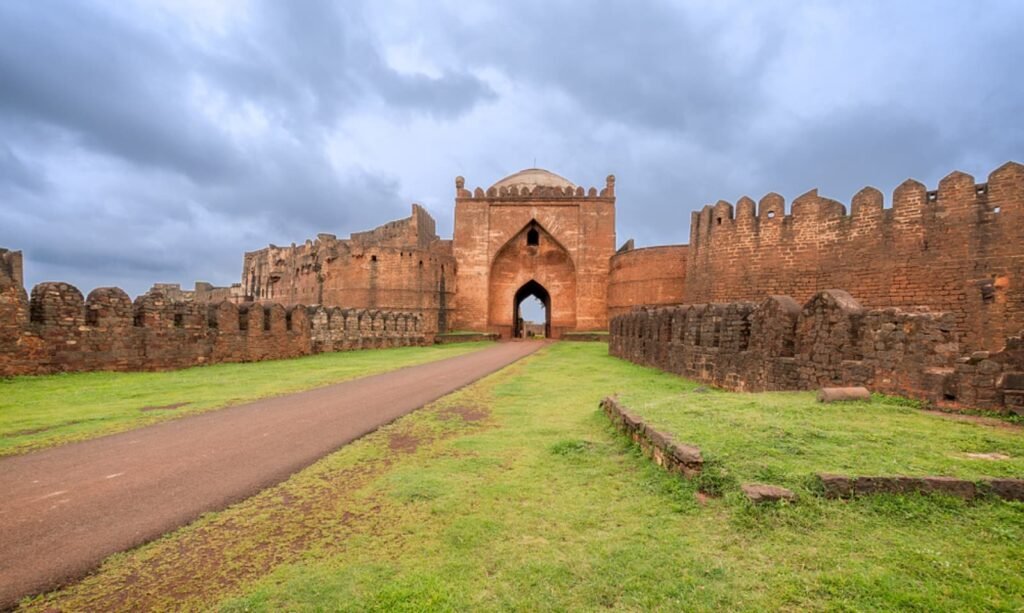
Bidar – The Hilltop City
The Town You Sleep In
Why the base town shapes a monsoon waterfall trip more than any single fall, what to look for, and towns in Karnataka, Kerala and Goa worth considering.
One village ghat upriver
Train versus road that week
Markets before the 20th, not on it
Journeys Worth Discovering
Explore inspiring destinations, memorable journeys and travel stories from across India and beyond.
Explore destinations




