
Wetland travel gathers bad advice the way mud gathers footprints. Old ticket prices circulate for years. Someone’s cousin remembers a boat that no longer runs. A blog still says you may drive to the heart of Bharatpur. This piece is practical, not encyclopaedic: what tends to be true at Keoladeo and Chilika, and what you should verify at the gate because fees and timings change.
Keoladeo Ghana National Park (Bharatpur)
Plan for sunrise to sunset access in spirit, and confirm the day’s opening, closing and last-entry times at the ticket counter. Carry identity documents if the counter asks for them; rules for Indian and foreign visitors can differ. We are not printing a rupee figure here — check the board in front of you.
Motor vehicles typically stop after a short initial stretch. Beyond that, expect to walk, hire a bicycle, or take a cycle-rickshaw with a local guide. This is the normal way to bird the park, not a workaround. Rickshaw guides often know which blocks hold water and birds that week; agree on duration and payment clearly before you start. Tongas or boats may appear only when conditions allow — ask, do not assume.
Stay on marked paths and bunds. Do not enter closed sections. Do not feed animals. Do not drone without explicit permission — assume no unless staff say otherwise. Plastic and loudspeakers belong outside. If you carry food, carry the wrappers out. Keep to one side when a larger group or a school outing passes; congestion is easier to manage than argument.
Chilika: boats, villages, and patience
Chilika is many entry cultures at once. At birding marshes such as Mangalajodi, community and conservation norms are strict for good reason: stay in the boat, keep to the assigned route, no recorded calls, no flash at close birds, no littering or smoking in reedbeds, dull clothing preferred, phones quiet. Timings for birding boats are set so roosts and feeding are not squeezed all day; arrive when you are told to arrive.
At Satapada and similar jetties, dolphin and sightseeing boats usually run within daylight hours under local association or department arrangements. Life jackets are not optional theatre. Do not chase dolphins or birds. Do not throw food. Plastic bans mean what they say. Report at the booth early if the operator asks for a buffer before departure; peak weekends queue.
Nalabana and other sensitive zones may be restricted. A boatman offering “special entry” that contradicts forest instructions is not doing you a favour. Choose licensed operators. Pay posted or agreed rates without turning the jetty into an argument. If fog or wind cancels a morning, accept the refund or reschedule rules you agreed at booking — the lagoon does not owe you clear air.
Common sense at any wetland this month
Start early. Carry water, sun protection and a layer for cold mornings. Tell someone your plan if you are walking alone at a quieter site such as Haiderpur, and check local forest guidance before you go — access points are not always tourist-signed.
Never invent a fee from memory in a group chat and treat it as law. Never insist on a path because a 2018 reel showed it open. Gates, boards and staff beat influencers.
Sanctuary rules exist to keep wintering flocks feeding and local livelihoods legitimate. Follow them even when nobody is watching. The birds will not thank you. They will simply still be there when the next November arrives.
Chennai to Pondicherry on the East Coast Road: The Route That Explains Pondicherry

And Char Dham Yatra’s last stoppage is Badrinath
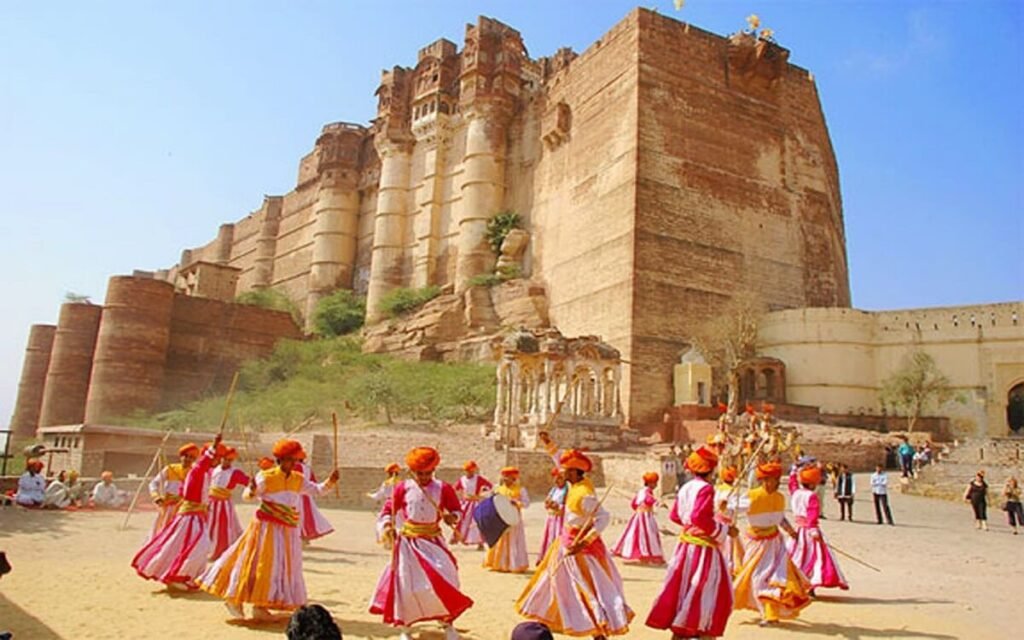
Marwar Festival
The Town You Sleep In
Why the base town shapes a monsoon waterfall trip more than any single fall, what to look for, and towns in Karnataka, Kerala and Goa worth considering.
One village ghat upriver
Train versus road that week
Markets before the 20th, not on it
Journeys Worth Discovering
Explore inspiring destinations, memorable journeys and travel stories from across India and beyond.
Explore destinations




