
When India’s tiger reserves reopen after the monsoon, the excitement is understandable. Safari jeeps fill up, photographers return and social media fills with the season’s first sightings. But reopening is also a reminder that tiger reserves are protected areas with strict rules. These rules exist to protect wildlife, preserve habitats and keep visitors safe. Understanding them makes you a better visitor and helps make sure wildlife tourism remains possible.
This guide explains the main rules you are likely to encounter in the core zones of Indian tiger reserves, with a focus on the weeks after the rains. Specific rules vary between parks and states, and they are updated from time to time, so always read the current guidelines on the official park website and listen to your guide.
What is a core zone?
Most Indian tiger reserves are divided into a core zone, or critical tiger habitat, and a surrounding buffer zone. The core is the most strictly protected area, where human activity is limited to reduce disturbance to tigers and other wildlife. Tourism in the core is permitted only on designated routes, in limited numbers and during fixed hours. Buffer zones allow more activity, including some villages and tourism.
India’s national guidelines for tiger reserves, issued under the National Tiger Conservation Authority, have long encouraged limiting tourism in core areas and shifting more of it to buffer zones. In practice, many popular parks still run core-zone safaris, but with caps on vehicle numbers.
Why rules matter more after the rain
The first weeks after reopening are a sensitive period. Animals have had several months without regular vehicle traffic, and their movement patterns may have shifted. Some may have young cubs or calves. Roads may be damaged or partly washed away, and tall grass reduces visibility, making surprise encounters more likely. Following rules carefully at this time helps animals adjust and reduces the risk of accidents.
Common rules on safari
Permits and identification
- Entry to the core zone requires a valid permit, usually booked online in advance.
- Carry the identity document used for booking; it will be checked at the gate.
- Permits are often non-transferable and tied to a specific zone, date and time slot.
Vehicles and guides
- Only registered vehicles with registered drivers are allowed.
- A trained forest guide must accompany each vehicle.
- Vehicles must stay on designated routes and must not go off-road.
- Speed limits, typically low, must be observed.
- Vehicles must leave the core zone before the end of the safari slot.
Behaviour
- Remain seated inside the vehicle at all times; do not stand on seats or step out except at designated spots.
- Keep noise to a minimum. Do not shout, clap or play music.
- Do not feed, call or disturb animals.
- Maintain a safe distance from wildlife, especially elephants, tigers and bears.
- Do not litter. Plastic is banned in many reserves.
- Smoking and alcohol are prohibited.
Photography and devices
- Flash photography is generally discouraged or banned, especially for animals at close range.
- Rules on drones are strict; flying drones in tiger reserves is usually prohibited without special permission.
- Some parks restrict the use of mobile phones in the core zone to prevent sharing of tiger locations in real time, which can lead to crowding.
Safety in the forest
Rules are not only about protecting animals. They also protect you. Wild animals are unpredictable, and even herbivores can be dangerous. Elephants, in particular, can charge vehicles if they feel threatened, especially when they have young calves. Gaur, sloth bears and wild boar can also react aggressively. Tigers and leopards rarely approach vehicles, but they can if provoked or cornered.
If your guide asks the driver to stop, reverse or move away, do not argue. Guides are trained to read animal behaviour and spot warning signs, such as an elephant flaring its ears or a tiger flattening them. Stay calm, quiet and seated.
After the monsoon, also be aware of practical hazards: muddy or partly washed-out roads, fallen branches and swollen streams. Drivers may need to take detours or turn back, and safari routes may be shortened. These decisions are made for safety.
Walking and other activities
In most core zones, walking is not permitted. Some reserves offer guided nature walks, cycling or boating in buffer zones or designated areas, but only with authorised guides and under specific rules. Never walk in a tiger reserve on your own.
Crowding at sightings
One of the biggest problems in Indian wildlife tourism is crowding at sightings. When a tiger is spotted, vehicles rush to the spot, sometimes surrounding the animal or blocking its path. This stresses the animal and can provoke dangerous reactions. Responsible guides and drivers try to keep a reasonable distance, allow the animal space and leave room for it to move. As a visitor, never pressure your driver to get closer or to break rules.
Respecting local communities
Many tiger reserves are surrounded by villages whose residents live alongside wildlife and bear the costs of crop damage and livestock loss. Some have been relocated from core zones. Be respectful when passing through villages, support local businesses and community-run initiatives and remember that conservation depends on local goodwill.
What happens if rules are broken
Penalties for breaking rules can include fines, cancellation of permits, bans on drivers and guides, and in serious cases legal action under the Wildlife Protection Act. Visitors who encourage rule-breaking can also face penalties.
Being a good visitor
- Listen to your guide and follow instructions immediately.
- Wear muted colours and avoid strong perfumes.
- Bring binoculars and enjoy watching from a distance.
- Be patient; sightings cannot be guaranteed.
- Value the whole forest, not just the tiger.
The bigger picture
Tiger numbers in India have increased in recent years, according to the national tiger estimation surveys, a success attributed to protection, habitat management and community involvement. Tourism has played a role in building public support, but it must be managed carefully. Every visitor who follows the rules helps make sure that the forests, and their tigers, have a future.
More from Issue 42
- Editor’s Letter: The Forests Reopen
- Wildlife Tour In Nepal
- Ranthambore National Park
- Sariska National Park
- Bandipur National Park
- Nagarhole National Park
- Dandeli Wildlife Sanctuary
- Indian National Parks That Reopen in October
- Birding the West Coast as the Monsoon Lifts
- A Night in a Forest Rest House
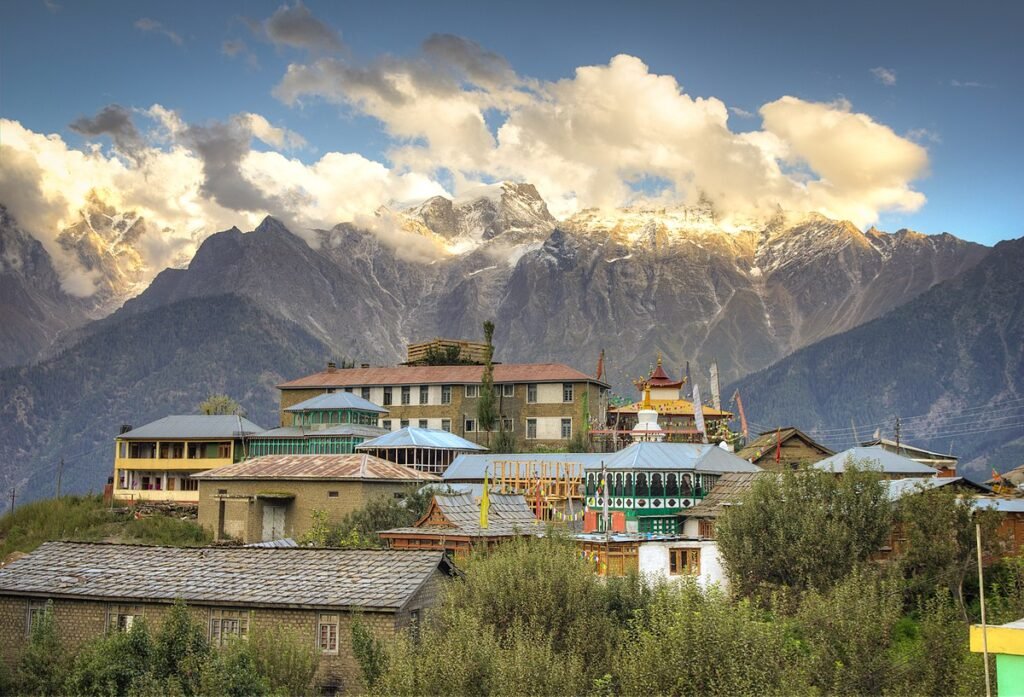
The Kalpa Village in Kinnaur, Himachal Pradesh
Holi in Braj 2026: A Guide to Mathura, Vrindavan & Barsana
A Monastery Morning
The Town You Sleep In
Why the base town shapes a monsoon waterfall trip more than any single fall, what to look for, and towns in Karnataka, Kerala and Goa worth considering.
One village ghat upriver
Train versus road that week
Markets before the 20th, not on it
Journeys Worth Discovering
Explore inspiring destinations, memorable journeys and travel stories from across India and beyond.
Explore destinations




