
On a map, Dwarka and Somnath look like two dots on the western edge of Gujarat’s Saurashtra peninsula. To millions of Hindus, they are far more than that. Dwarka is associated with Krishna and counted among the four dhams; Somnath is traditionally regarded as the first of the twelve jyotirlingas of Shiva. Pilgrims have travelled between them for centuries, and the coast road that links them today, running for roughly 230 to 250 kilometres depending on your exact route, tells the story of this region better than any single temple can.
This is a route about the sea as much as about faith. Along the way you pass fishing harbours, old ports, salt pans, limestone towns, windswept beaches and small shrines tucked into the dunes. Take it slowly, over two or three days, and it becomes one of the most rewarding drives in western India.
Starting at Dwarka
Dwarka is built around the Dwarkadhish temple, a tall, carved stone shrine rising above the town near the meeting point of the Gomti river and the sea. Tradition links the town with Krishna’s kingdom, and archaeologists have long been interested in submerged structures off the coast, though interpretations of those finds vary and should be read with care.
Arrive the evening before you plan to leave, so that you can see the temple and the Gomti ghat in the evening, when the town is at its liveliest. Temple timings, security checks and rules about phones and bags change from time to time, so check before you go.
If you have time, an excursion to Bet Dwarka, an island reached by a short crossing from Okha, is a popular addition. A bridge to the island has been under construction or recently completed in various reports, so ask locally about the current way across. Nageshwar, another temple associated with the jyotirlinga tradition, lies between Dwarka and Okha and is often visited on the same trip.
Dwarka to Porbandar
Heading south-east from Dwarka, the road runs close to the coast through flat, open country. This stretch feels remote, with long views over scrub and sea, and occasional villages and windmills. Harsiddhi Mata temple near Miyani, perched above the shore, is a common stop for pilgrims and offers fine views of the coast.
Porbandar, the first sizeable town on the route, is best known as the birthplace of Mahatma Gandhi. Kirti Mandir, the memorial built beside his ancestral home, is a quiet and moving place to stop. The town also has an old port and a long seafront, and it is a convenient place to break the journey overnight if you want to travel slowly.
Porbandar to Madhavpur and Chorwad
Beyond Porbandar, the road continues along a coastline of beaches and small settlements. Madhavpur Ghed is associated in local tradition with the marriage of Krishna and Rukmini, and a fair held there around the Ram Navami period draws large crowds; the exact dates follow the Hindu calendar, so check in advance. The beach at Madhavpur is long and open, though swimming conditions on this coast can be rough, so be cautious.
Further on, the old seaside town of Chorwad is known for a former summer palace of the Nawabs of Junagadh, a reminder that this coast was shaped by Muslim as well as Hindu rulers. The palace has had various uses over the years, and its condition and access vary.
Arriving at Somnath
The final stretch brings you to Veraval, a busy fishing port, and the neighbouring temple town of Somnath, also known as Prabhas Patan. The Somnath temple stands right at the edge of the sea. Its history is famously turbulent: it is said to have been destroyed and rebuilt many times over the centuries, and the present temple was rebuilt after Indian independence, with a strong push from Sardar Vallabhbhai Patel. Today it is one of the most visited temples in Gujarat.
Try to be there for the evening aarti and, if it is running, the sound and light show that tells the temple’s story. Walk along the sea promenade near the temple, and visit the nearby Triveni Sangam, where three rivers are said to meet the sea, and the Bhalka Tirth shrine, associated in tradition with the place where Krishna was struck by an arrow.
Why this route explains Saurashtra
Most visitors fly or take the train to one of these temples and leave again. Driving between them, you see the connective tissue of the region: the fishing economy that dominates places like Veraval and Porbandar, the old trading ports that once looked towards Arabia and Africa, the mix of communities and faiths, and the harsh, beautiful coastline that shaped all of it. You also see how deeply the Krishna story runs through the land, from Dwarka to Madhavpur to Bhalka Tirth, tying the two great temples into a single narrative.
How to plan it
The drive can technically be done in a long day, but two or three days make it far more enjoyable. A comfortable plan is Dwarka for one night, Porbandar for the second, and Somnath for the third. From Somnath, Gir National Park, home of the Asiatic lion, is within reach if you want to extend the trip, though safaris there require permits that can sell out in season.
- Best time: roughly October to March, when the weather is cooler. Summers are very hot.
- Transport: most travellers hire a car with driver; buses connect the main towns but are slower.
- Stops: Dwarka, Bet Dwarka, Nageshwar, Harsiddhi, Porbandar, Madhavpur, Chorwad, Somnath.
- Temples: dress modestly, follow photography rules, and check timings in advance.
- Sea: be careful about swimming; currents along this coast can be strong.
Food along the way
Gujarati thalis are easy to find in Dwarka and Somnath, often served in simple dining halls near the temples. Most temple towns in this region serve vegetarian food, and some areas may restrict alcohol, as Gujarat has long had prohibition laws. In fishing towns such as Veraval and Porbandar, seafood is widely available outside the temple areas. Ask locally and choose busy places.
A road worth taking slowly
Travelling from Dwarka to Somnath, you move between two of India’s oldest pilgrim destinations while the sea stays constantly at your side. By the end, the temples feel less like isolated monuments and more like two ends of a long, living story that runs through the land and the people who live along this coast. That, more than anything, is what makes the journey worth taking.
More from Issue 50
- June 2023
- Editor’s Letter: Sacred Cities of India
- Rameshwaram – Where Divinity Meets the Ocean’s Embrace
- Ujjain – Where Time Dances with Divinity
- Varanasi – Where Timeless Spirituality Flows
- Mathura – Where Legends Embrace Divinity
- Haridwar – A Gateway to the Divine Flow
- Ayodhya – Where Legends Echo through Time
- Dwarka – Where Divinity Reigns Supreme
- Three Days in Rameswaram and Dhanushkodi, Not a Checklist
- What to Skip on Your First Trip to Ujjain
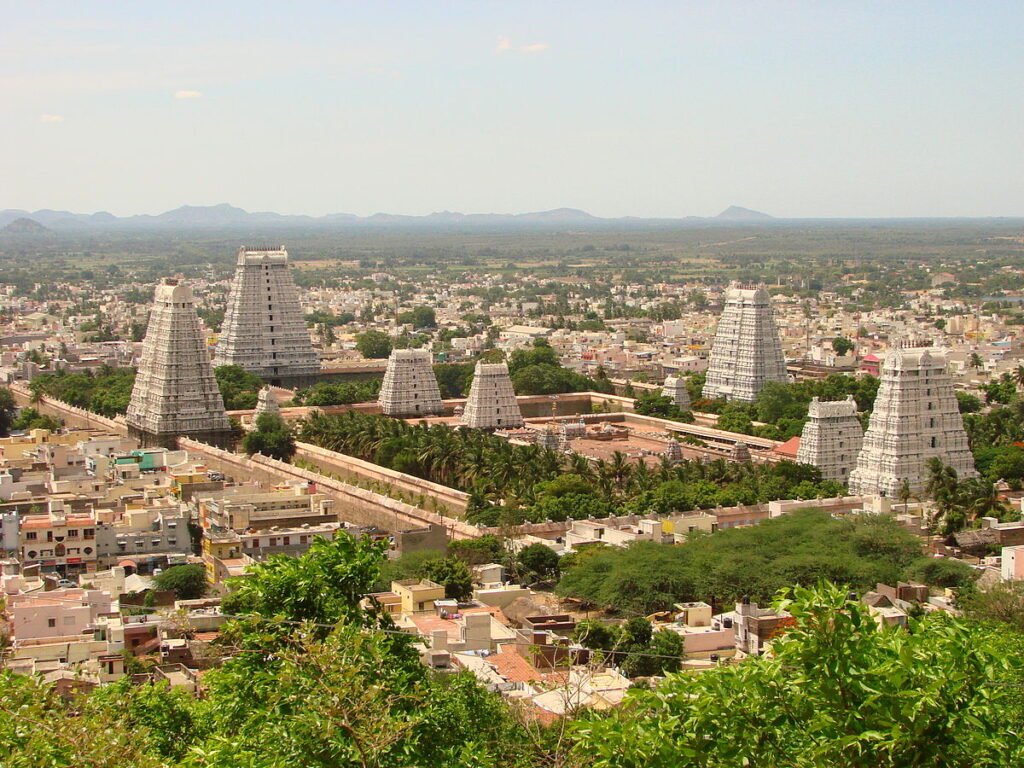
Tiruvannamalai, The Saivite Pilgrim Site
Holi special trains to Mathura: what to know
Jaisalmer Fort
The Town You Sleep In
Why the base town shapes a monsoon waterfall trip more than any single fall, what to look for, and towns in Karnataka, Kerala and Goa worth considering.
One village ghat upriver
Train versus road that week
Markets before the 20th, not on it
Journeys Worth Discovering
Explore inspiring destinations, memorable journeys and travel stories from across India and beyond.
Explore destinations




