
Dear readers,
As 2022 draws to a close, we are ending the year in India’s villages. It is easy to forget, in a country of fast-growing cities, that most Indians still live in villages, and that villages hold much of what makes travel here so rewarding: architecture built from local stone, wood and bamboo, farming calendars that shape festivals, food grown a few steps from the kitchen and ways of life that have adapted over centuries to mountains, rivers, forests and coasts.
This issue visits eight villages and two longer journeys, spread from the backwaters of Kerala to the high valleys of the Himalaya and the hills of the north-east. Some are well known, others less so. All of them reward visitors who arrive slowly and with respect.
Why villages, and why now
December is a good month to think about villages. In much of the country, the harvest is in, the weather is cooler and many communities hold fairs, festivals and family gatherings. In the high Himalaya, winter is arriving, and villages are preparing for months of snow and isolation. In the south and north-east, the dry season brings clear days and easy travel.
There is another reason. Over the past few years, interest in rural travel has grown considerably. More travellers want homestays rather than hotels, and local food rather than buffets. Many states have encouraged village tourism and homestay schemes. That growth brings real opportunities for rural communities, but also risks: overcrowding, litter, rising prices and the loss of the very qualities visitors came for. We have tried, throughout this issue, to suggest ways of visiting that benefit villages rather than burden them.
What is in this issue
We begin in Kuttanad, in Kerala’s Alappuzha district, where farmers grow rice below sea level, protected by dykes, and life moves along canals. In Meghalaya, we visit Mawlynnong, often described as one of the cleanest villages in Asia, and consider what that reputation means for the people who live there.
In Arunachal Pradesh, we travel to Ziro, home of the Apatani people, whose rice-fish farming and distinctive traditions have drawn growing attention. In Tamil Nadu, we climb to Poombarai, a farming village in the Palani Hills above Kodaikanal, with terraced fields and an old temple.
In the Himalaya, we visit four villages: Leo in Kinnaur, near the Spiti border; Mana in Uttarakhand, near Badrinath and close to the Tibet border; Malana in Kullu, with its unusual traditions and strict rules for outsiders; and Kalpa, facing the Kinnaur Kailash range.
Two longer journeys
Two features look at journeys rather than single places. The first follows the road from Shimla to Kalpa, along the Sutlej valley into Kinnaur. It is a long, sometimes difficult drive, but it explains more about Himachal’s villages than any single stop could: how settlements change with altitude, how apple orchards transformed the economy and how roads, dams and tourism are reshaping the valley.
The second is a three-day plan for Ziro, written for travellers who want to understand the valley rather than just photograph it. It covers village walks, rice fields, pine forests and local food, and suggests ways to connect with Apatani hosts respectfully.
Visiting villages well
A few principles run through this issue. Stay in homestays or locally owned guest houses when you can, so your money stays in the community. Ask before photographing people, especially elders, and accept a refusal gracefully. Dress modestly and follow local customs, including rules about temples, sacred groves and private land. Carry your waste out, especially plastic. Buy local crafts and produce directly from makers when possible. And remember that villages are homes, not museums.
Some villages have specific rules for visitors. Malana, for instance, has long asked outsiders not to touch walls, temples or people, and to stay on designated paths. Mana and other border villages may require identity checks or permits for nearby areas. Rules can change, so check before you travel.
The people behind the stories
Villages are not only scenery. Behind every terraced field and carved doorway are families who maintain them, often with great effort. In the Himalaya, young people increasingly move to towns and cities for education and work, leaving older relatives to tend fields and houses. In the north-east, communities are balancing new roads and tourism with deep attachment to land and tradition. In Kerala, farmers in Kuttanad have faced floods and rising costs. We have tried to reflect some of these realities, and to listen to the people who live in these places, rather than presenting villages as frozen in time.
If you visit, take time to talk with your hosts. Ask about the harvest, the festivals and how the village has changed. These conversations are often the most memorable part of a trip.
Winter travel
Many of the villages in this issue, particularly in the Himalaya, are challenging to reach in December. Snow can close roads, and facilities may be limited. If you plan a winter visit, travel with local drivers, allow spare days, carry warm clothing and check road conditions daily. Some high villages are best saved for spring or autumn. Our features note the best seasons for each place.
In contrast, Kuttanad, Poombarai, Mawlynnong and Ziro are generally pleasant in winter, though nights can be cold in the hills.
A year of travel
This is the last issue of 2022. Over the past twelve months, we have covered cities, coasts, wildlife, festivals, mountains and Meghalaya’s caves. Travel has gradually returned after the difficult years of the pandemic, and we have been glad to see readers back on the road, exploring both famous places and quieter corners of the country.
Thank you for reading, writing to us and sharing your own journeys. We look forward to travelling with you in 2023.
A note on accuracy
As always, we have tried to be careful with facts, but conditions change. Road closures, permit rules, homestay availability and festival dates vary from year to year. Please check with local authorities and hosts before you travel, and let us know if you find something that has changed.
Wishing you a peaceful end to the year and safe travels.
Khushi Anand, Editor
More from Issue 44
- The Kuttanad Village in Alappuzha, Kerala
- The Mawlynnong Village in Meghalaya
- The Ziro Village in Arunachal Pradesh
- The Poombarai Village in Tamil Nadu
- The Leo Village in Himachal Pradesh
- The Mana Village in Uttarakhand
- The Malana Village in Himachal Pradesh
- The Kalpa Village in Kinnaur, Himachal Pradesh
- Shimla to Kalpa: The One Road That Explains Himachal’s Villages
- Three Days in Ziro Valley, Not a Checklist
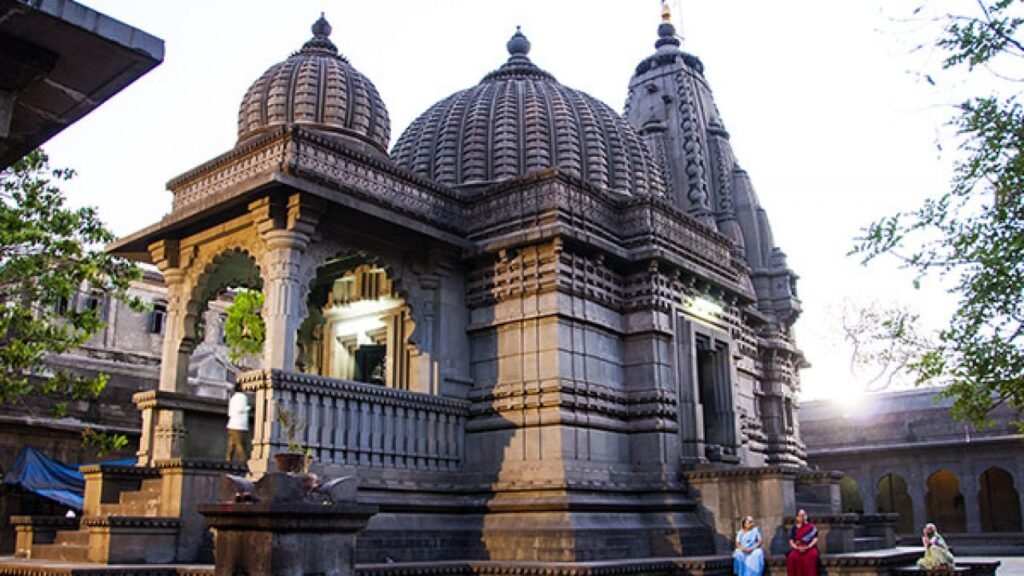
Explore Nashik
Editor’s Letter: In Praise of the Desert’s Empty Hour
January 2020
The Town You Sleep In
Why the base town shapes a monsoon waterfall trip more than any single fall, what to look for, and towns in Karnataka, Kerala and Goa worth considering.
One village ghat upriver
Train versus road that week
Markets before the 20th, not on it
Journeys Worth Discovering
Explore inspiring destinations, memorable journeys and travel stories from across India and beyond.
Explore destinations




