
Every Holi, the same photographs flood our feeds from Braj: a close-up of a face drenched in pink, eyes wide, mouth open, perhaps a woman’s veiled face behind a raised lathi. They are striking images, and a few of them are genuinely brilliant. But many are taken without consent, from too close, of people who did not choose to be the face of someone else’s travel story. This guide is about another approach to photographing Holi in Mathura, Vrindavan, Barsana and Nandgaon, one that focuses on the street, the light and the story, and treats faces as something to be asked for rather than taken.
Why the street makes the better picture
Holi in Braj is a story told by places as much as people. The steps up to the Radha Rani temple on Barsana’s Bhanugarh hill. The narrow Rangili Gali packed with colour. The ghats of Mathura and Vrindavan along the Yamuna. The doorways and balconies of old houses splashed in pink and green. A wide frame that captures the lane, the crowd, the colour hanging in the air and the architecture around it often tells the story of Braj Holi far better than another tight portrait.
Street-level frames also let you photograph freely without intruding. A crowd seen from a rooftop, a procession moving through a lane, silhouettes against a cloud of gulaal, hands in motion, feet on colour-soaked stone: these images carry the energy of the festival without singling out an individual.
When to photograph faces
Faces are not off-limits. Some of the warmest Holi photographs are portraits taken with a smile, a nod and a ‘Radhe Radhe’. The key is consent. Ask, with words or gestures, before taking a close-up. Many people in Braj will happily pose; some will say no, and that is their right. Be especially careful with women, children and the elderly, and with participants in rituals such as the hurriyarins of Lathmar Holi, who are performing a devotional role in front of enormous crowds.
If someone indicates they do not want to be photographed, lower the camera and move on. If you have already taken a picture and they object, delete it in front of them. Never photograph people in vulnerable situations, such as someone being harassed, someone unwell or a child separated from family, for the sake of a picture.
Where to shoot from
Rooftops and balconies
The best Holi images in Braj often come from above. Rooftops overlooking Barsana’s lanes during Lathmar Holi, or balconies near temple approaches in Vrindavan, let you capture the scale of the celebration safely. Arrange access in advance through your accommodation or a guide, and always respect the hosts’ rules.
Side lanes and edges
At street level, work from the edges of the crowd and from side lanes, where you have room to step back and an exit if the crowd surges. Avoid planting yourself in the middle of the flow for a shot; it is unsafe for you and those around you.
Ghats and temple exteriors
The ghats along the Yamuna and the exteriors of temples like Dwarkadhish in Mathura and Banke Bihari in Vrindavan offer strong backdrops. Respect photography rules inside temples, many of which prohibit cameras in the sanctum. When in doubt, ask.
Timing your shots
Braj Holi follows the lunar calendar. In 2026, the big days were Laddu Holi in Barsana on 24 February, Lathmar Holi in Barsana on 25 February and in Nandgaon on 26 February, Phoolon wali Holi in Vrindavan on 27 February, Holika Dahan on the evening of 3 March and Rangwali Holi on 4 March. Check the current year’s official schedule.
Morning light on the ghats and in the lanes is soft and beautiful, and crowds are thinner. Midday light is harsh, but the colour clouds can still look dramatic when backlit. Holika Dahan night offers wonderful fire-lit scenes; stay at a safe distance and avoid using a flash on people at prayer. The morning after Rangwali Holi, when lanes are splashed with colour and nearly empty, is one of the best times for atmospheric street photography.
Protecting your gear
Gulaal is fine, sticky and finds its way into everything. Protect your camera and phone before you step outside. Use a rain cover, a clear plastic bag sealed with rubber bands around the lens hood, or a purpose-made camera sleeve. A UV or clear filter protects the front element and can be cleaned easily.
Avoid changing lenses on the street. Choose one versatile lens, such as a moderate zoom, and stick with it for the day. Carry microfibre cloths, a blower and lens wipes in a sealed pouch. Keep your phone in a waterproof pouch when you are not shooting.
Use a strap worn across your body, and never let your camera hang loose in a crowd. Keep spare batteries and memory cards in a zipped inner pocket. At the end of the day, clean your gear gently with a blower and soft brush before wiping; rubbing colour across a lens can scratch it.
Composing the street
Look for layers: colour in the foreground, people in the middle, architecture behind. Use doorways and arches to frame scenes. Shoot from a slightly higher angle to show crowd patterns. Try slower shutter speeds to capture motion blur in dancing crowds, and faster ones to freeze the arc of a lathi or a cloud of powder. Silhouettes against bright colour can be powerful and protect identities at the same time.
Pay attention to details: a pair of colour-stained hands, a discarded shield, footprints on temple steps, a basket of gulaal, a stray marigold in a puddle of pink. These small frames often say more about Holi than any crowd shot.
Sharing responsibly
Before posting, ask yourself whether the people in your photographs would be comfortable seeing themselves there. Avoid captions that mock, sexualise or exoticise. Do not geotag private homes. If you photographed someone with their consent and they asked for a copy, keep your promise and send it.
The picture that tells the truth
The best photograph from Braj Holi is not necessarily the most dramatic close-up. It is the one that captures what the festival really feels like: the lane, the light, the colour, the music you can almost hear and the community that keeps it all alive. Photograph the street, ask for the face, and you will come home with pictures you are proud of, taken in a way you can be proud of too.
More from our Holi in Braj issue
- Holi in Braj 2026: a guide to Mathura, Vrindavan & Barsana
- Train timings into the Holi crowd
- A quieter Holi in a Braj village
- Vrindavan lanes the morning after Holi

First stopover of Char Dham Yatra, Yamunotri!
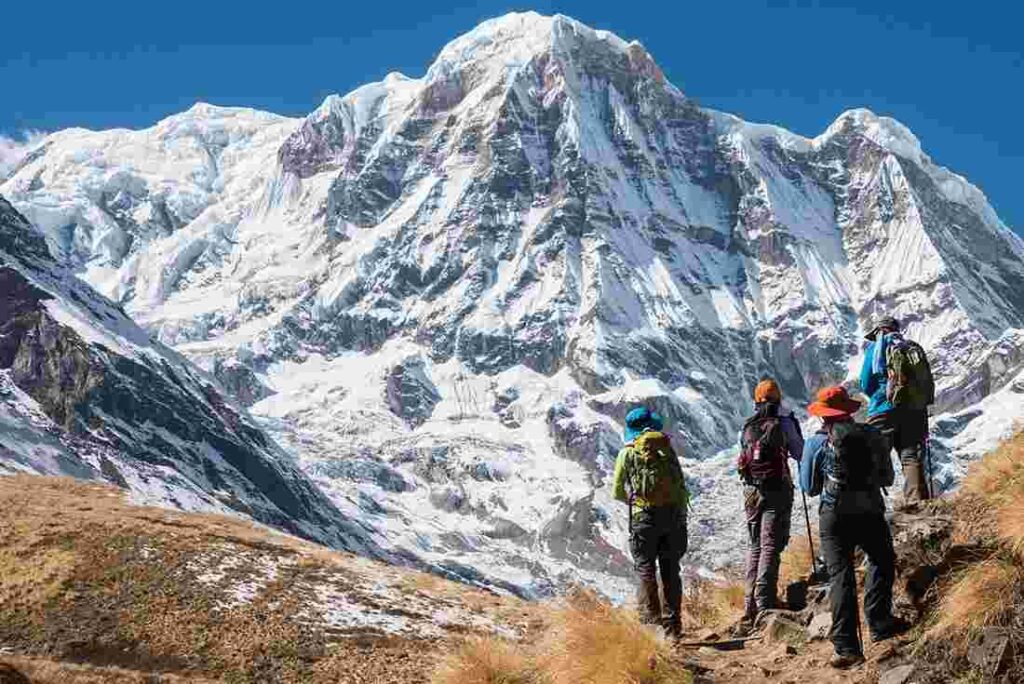
Everest Base Camp Trek In Nepal: 2019
December 2020
The Town You Sleep In
Why the base town shapes a monsoon waterfall trip more than any single fall, what to look for, and towns in Karnataka, Kerala and Goa worth considering.
One village ghat upriver
Train versus road that week
Markets before the 20th, not on it
Journeys Worth Discovering
Explore inspiring destinations, memorable journeys and travel stories from across India and beyond.
Explore destinations




