
If you can stretch a 72-hour trip by half a day, do not spend it on another big sight. Spend it on a slower morning, away from the circuit. Here is one for each city.
There is a particular quality to the morning after a trip should have ended. The pressure is off. You have seen the things you came to see. Your bag is mostly packed, your train is not until the afternoon, and the town has stopped being a list and become simply a place where you happen to be. That morning, if you can arrange it, is one of the great pleasures of short travel.
Every plan in this issue is built for seventy-two hours. This page is for those who can steal a few more. We are not suggesting another monument or another excursion. We are suggesting the opposite: a quieter fourth morning, spent somewhere the itinerary did not take you, at a pace it did not allow.
Why the fourth morning matters
On a short trip, the first three days are about orientation and discovery. You are learning the streets, working out the food, finding your rhythm. By the fourth morning you know enough to wander without a map, and you no longer feel you are missing something. That is the moment a place starts to feel like yours.
It is also, practically, a good use of a late departure. If your train or flight leaves in the afternoon, the alternative is often a restless morning of checking out and waiting. Better to give those hours a shape, gently.
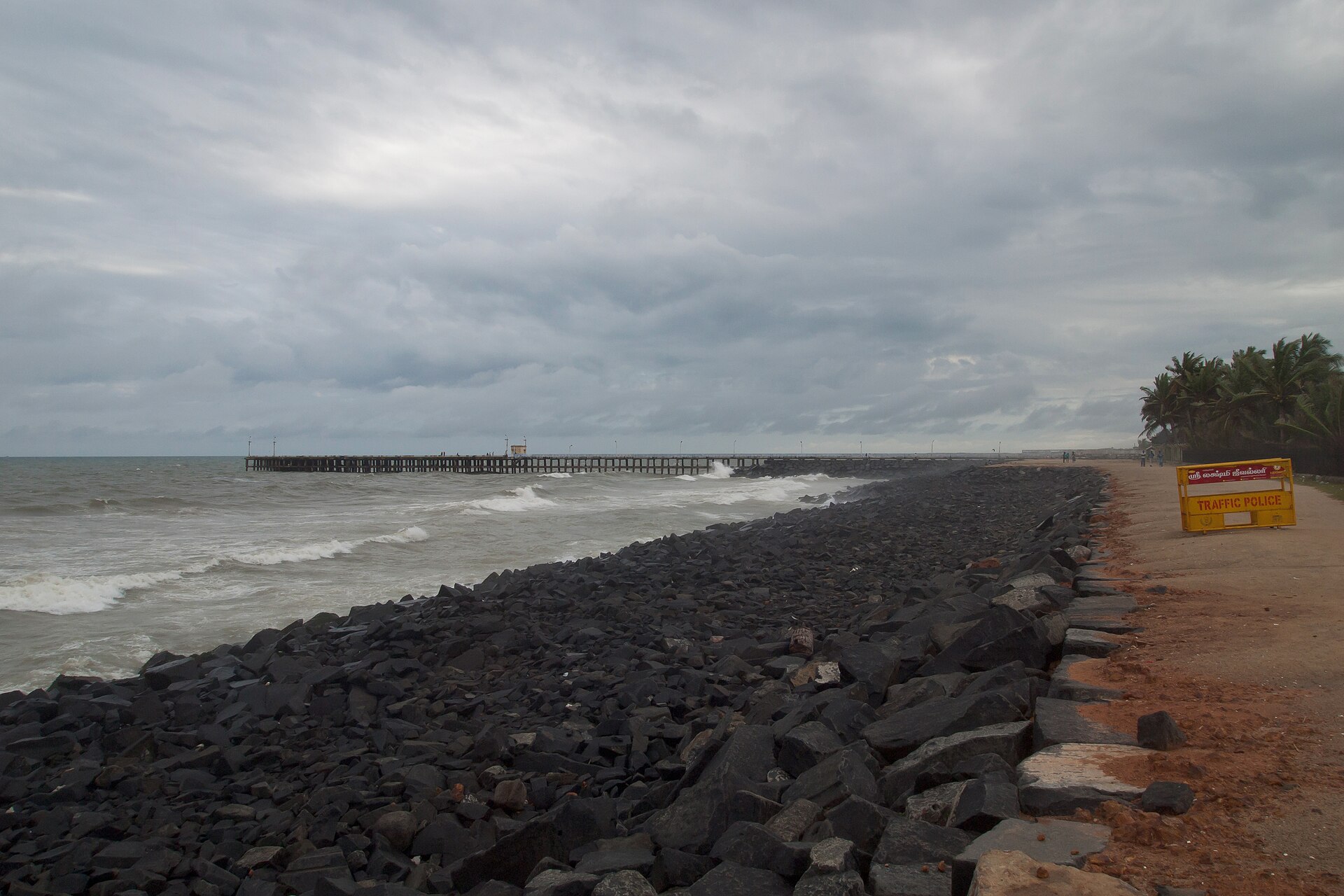
Pondicherry: the seafront before the town wakes
Our Pondicherry plan already favours early mornings, but on the fourth day we suggest something even simpler. Walk to the seafront at first light and simply stay there. Watch the joggers, the families, the fishing boats far out on the water, the light coming up over the Bay of Bengal. There is nowhere to be.
When you are ready, walk slowly back through the residential lanes of the French Quarter, the ones away from the busier streets, and find a breakfast spot you have not tried. Order more coffee than you need. If there is a small neighbourhood temple or shrine on your way, step in quietly; mornings are often when local people visit, and the atmosphere is very different from that of the bigger temples later in the day.
This is not a morning for photographs, though you will probably take some. It is a morning for noticing.

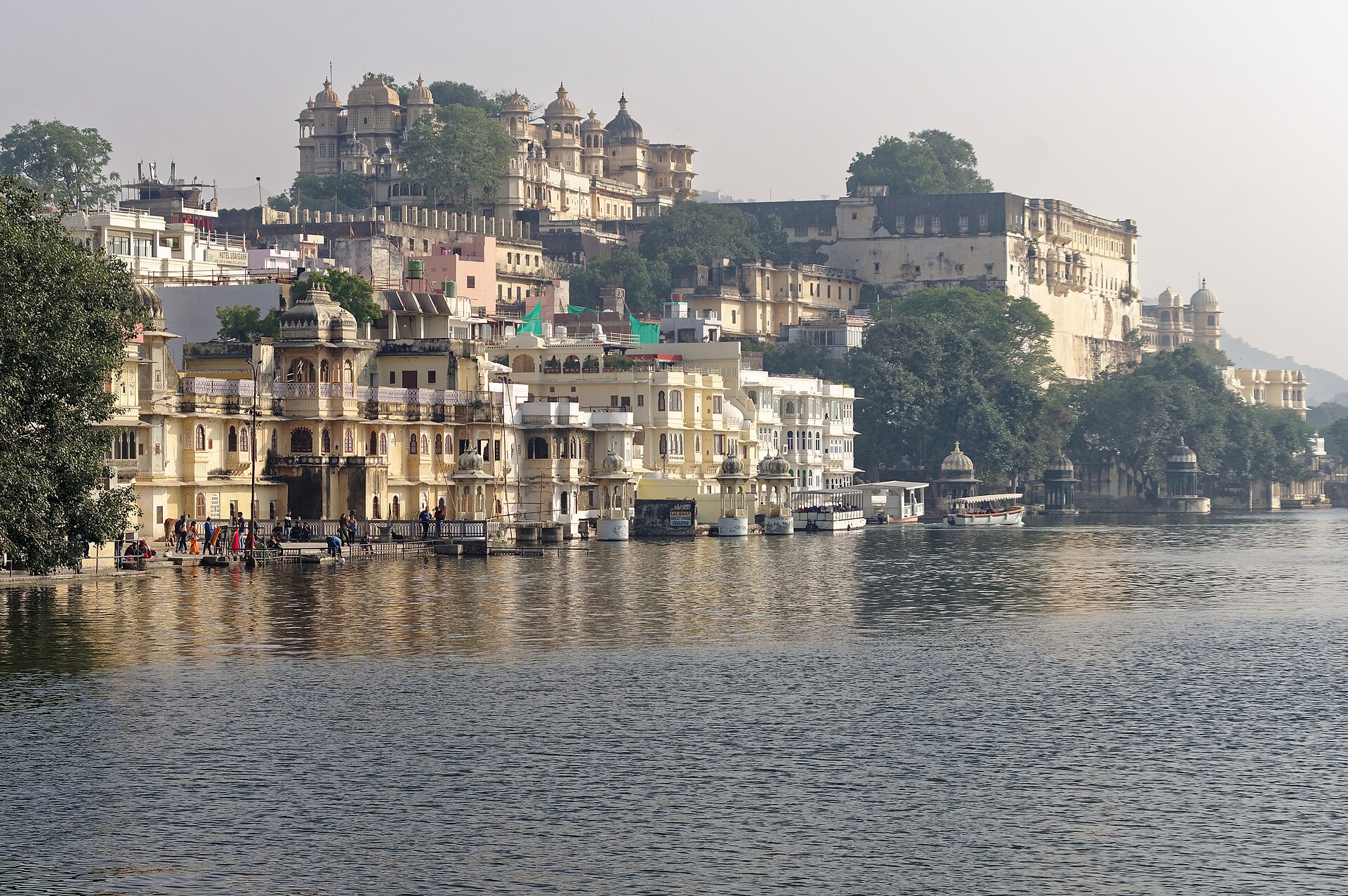
Udaipur: the lake without the boats
Udaipur’s lakes are busy by mid-morning, but at dawn the water belongs to the city. On your fourth morning, skip the famous viewpoints and walk instead along a quieter stretch of shoreline or a lesser-known ghat. Ask at your guesthouse which ghats local people use in the morning; you will usually get a good answer and often a story to go with it.
Sit for a while. Watch the washing, the bathing, the pigeons, the light moving across the palaces on the far shore. Then wander back through the old city lanes as the shops start to open: shutters going up, chai being poured, the first customers arriving. It is the city at its most ordinary, and that is precisely the point.
If you have a little more time, Fateh Sagar to the north has a different, more open feel in the early morning, popular with walkers. It is a gentle place to end a trip.
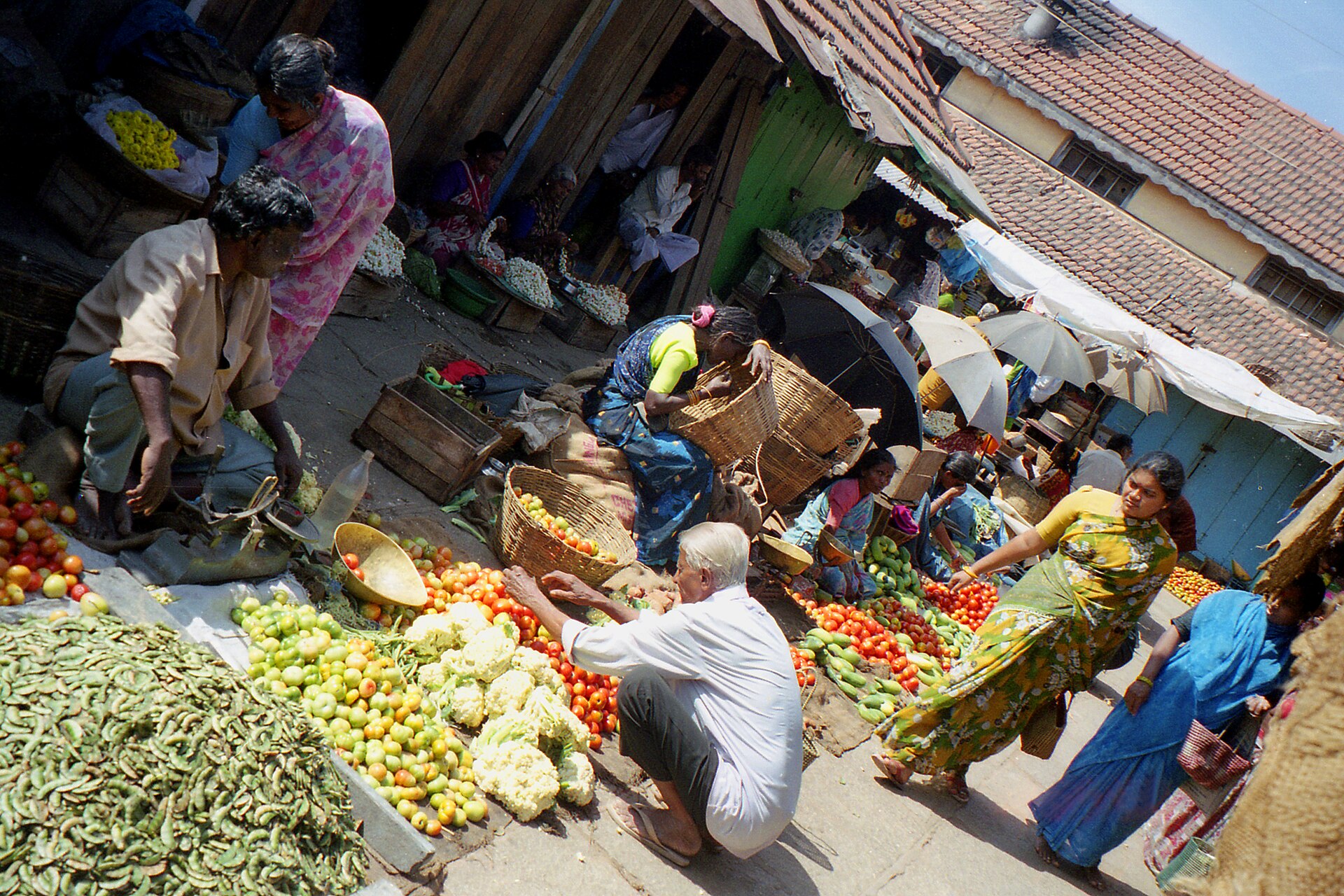
Mysuru: a garden, a café, a slow walk
Mysuru is a city of broad roads and old trees, and it rewards an unhurried morning more than almost anywhere. On your fourth day, after the palace finale, consider a walk through one of the city’s quieter residential areas, where old bungalows sit in leafy gardens and the pace is gentle.
Breakfast is the anchor here. South Indian breakfasts are among the great meals of the country, and Mysuru has plenty of places, from simple darshinis to old family restaurants, serving idli, dosa and strong filter coffee. Take your time. Order a second coffee.
If you would like a little greenery, a visit to a park or garden in the early morning, before the heat builds, is a lovely way to spend an hour. Check opening hours locally, as they vary.
If the monsoon has other ideas
August mornings can be wet. A grey, drizzly fourth morning is not a loss; in some ways it is better. Streets empty, colours deepen, and cafés fill with people waiting out the shower. Take a book, find a window seat, and watch the rain. In Pondicherry the sea turns dramatic under heavy cloud; in Udaipur the lakes and hills soften into mist; in Mysuru the old trees drip and the air finally cools. Carry an umbrella, wear shoes that can get wet, and let the weather set the pace.
How to protect the fourth morning
A quiet morning is easy to lose to logistics. A few habits help:
- Pack the night before. Wake up with nothing to do but leave the room.
- Ask about late checkout or luggage storage in advance. Many hotels and guesthouses will help if you ask early, but do not assume.
- Know your exit time. Work out exactly when you need to leave for the station or airport, and set an alarm for thirty minutes before it so you are never rushing.
- Stay close. The fourth morning should be within walking distance of your hotel, or very close to it. This is not the time for an excursion.
The morning you remember
It is surprising how often the fourth morning becomes the memory people keep. Not the palace or the famous view, but the hour on a bench by the water, the conversation with the tea seller, the second coffee on a quiet street. Those moments are hard to plan for, which is why it helps to plan for space instead.
If you can, give yourself that extra morning. If you cannot, borrow the idea anyway: an hour, anywhere in your trip, with nothing in it. It is the cheapest luxury in travel.

Trekking in Indian Himalayas

Astonishing Jabalpur
Editor’s Letter: January, and Beginning the Year on the Road
The Town You Sleep In
Why the base town shapes a monsoon waterfall trip more than any single fall, what to look for, and towns in Karnataka, Kerala and Goa worth considering.
One village ghat upriver
Train versus road that week
Markets before the 20th, not on it
Journeys Worth Discovering
Explore inspiring destinations, memorable journeys and travel stories from across India and beyond.
Explore destinations




