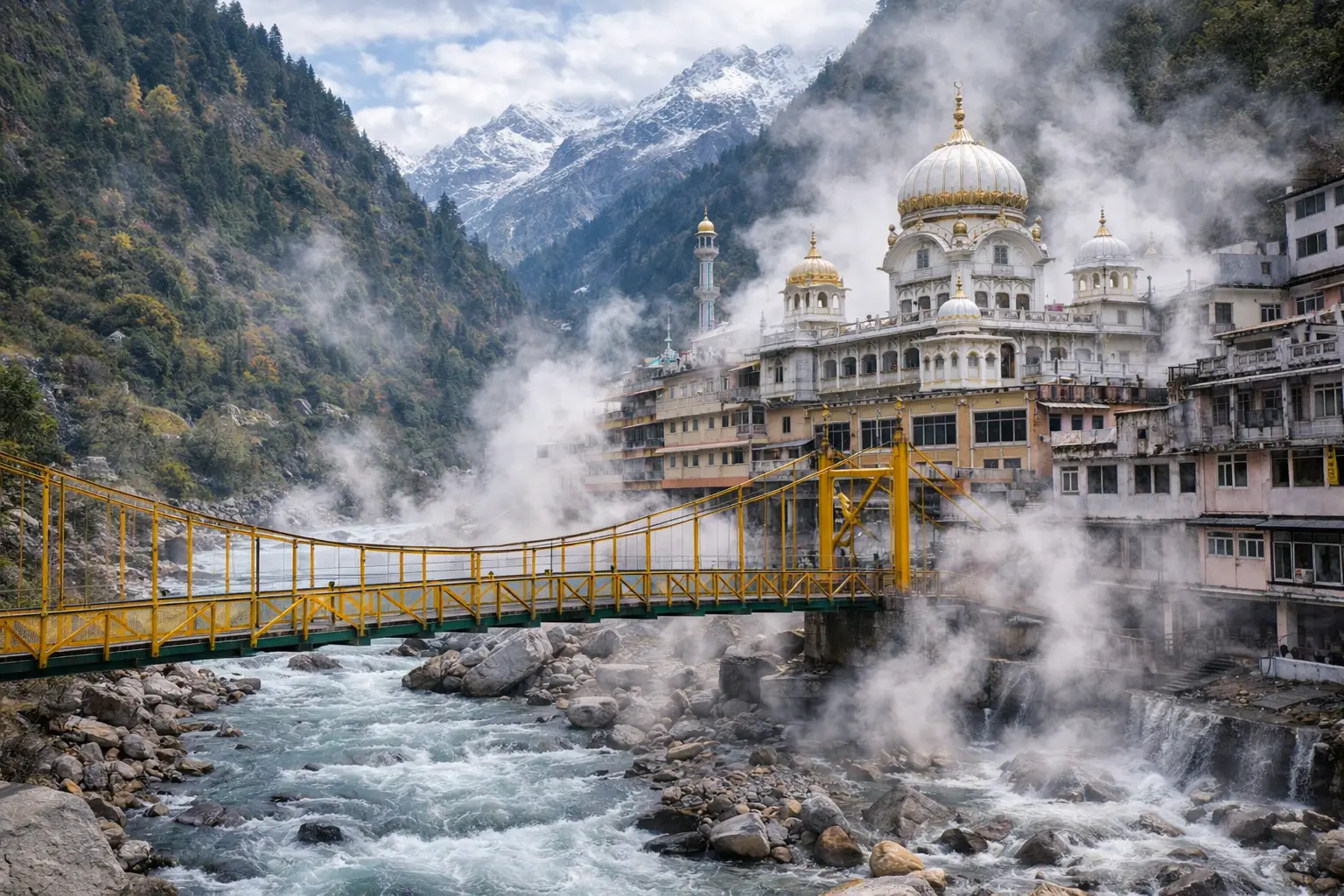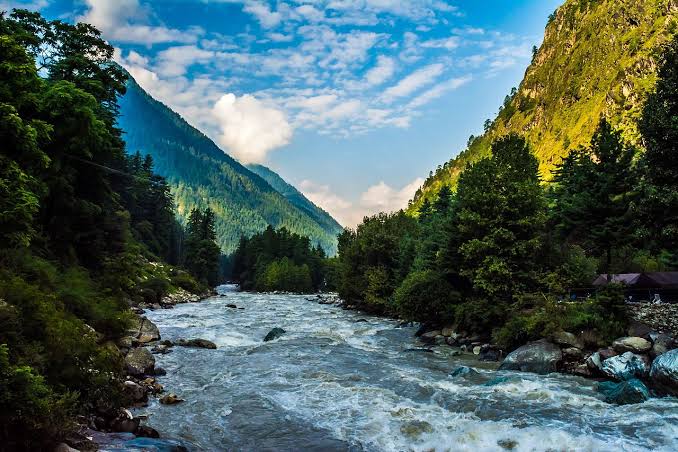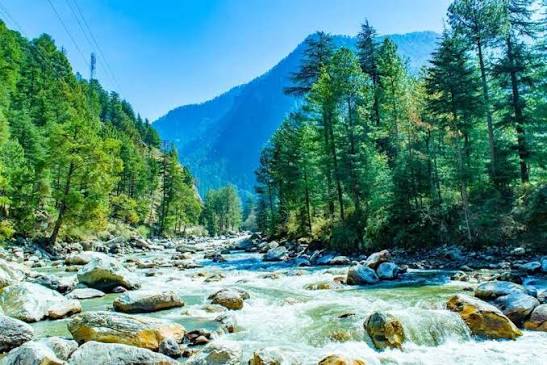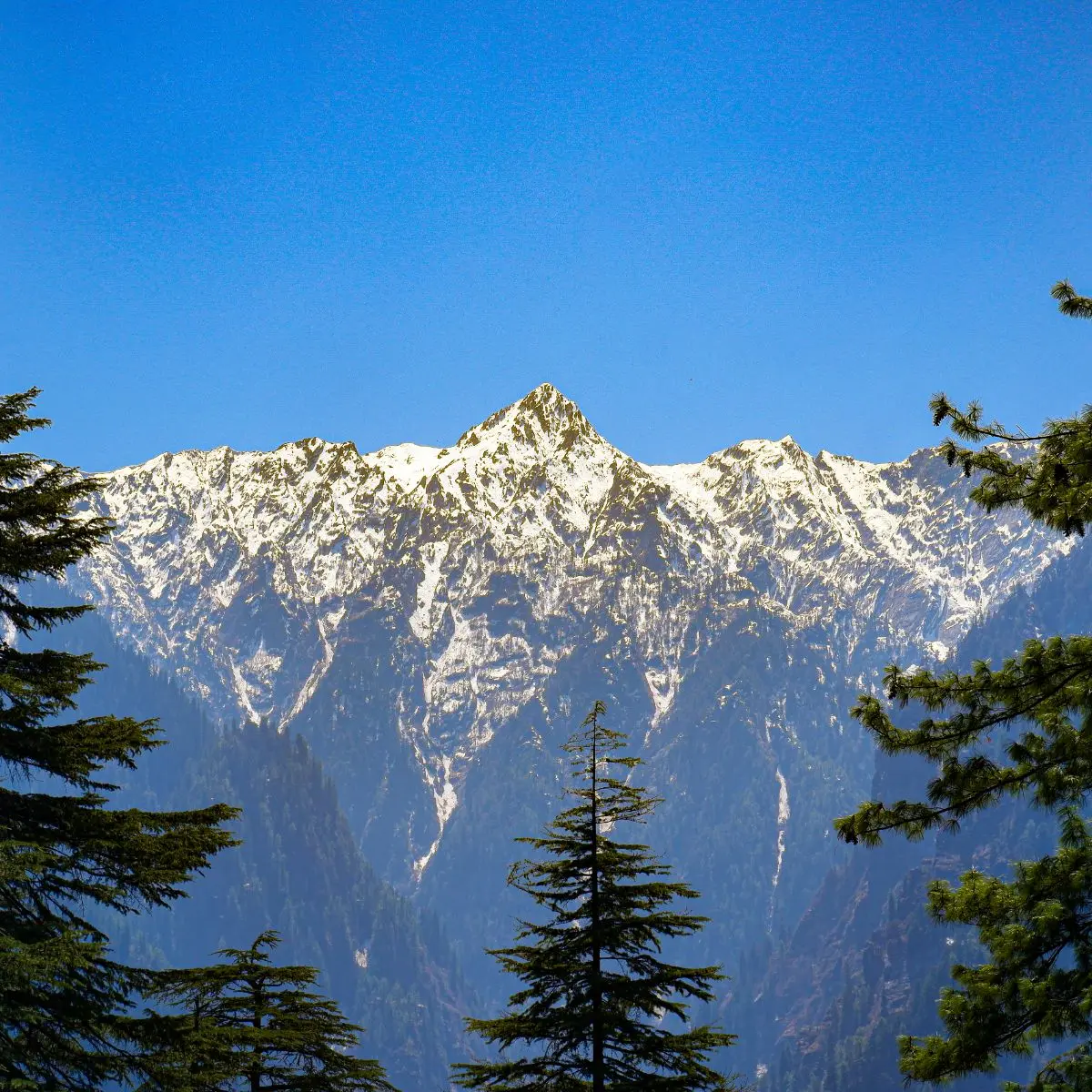
There are journeys that take you across landscapes, and then there are those that take you within. Summer in India isn’t just a time of escape from the plains’ heat, it’s a sacred window for spiritual travel, especially into the Himalayas, where divine stories echo through mountains, rivers, and ancient shrines.
For centuries, June has marked the beginning of sacred pilgrimages, routes that are more than mere treks. They are rituals of faith, endurance, and introspection. With the snow beginning to melt and trails opening up, some of the most revered pilgrimage sites, Kedarnath, Badrinath, Hemkund Sahib, and Amarnath, become accessible, offering not only spiritual fulfillment but also an immersion in raw Himalayan beauty.
This article is a complete guide to these June pilgrimages, what to expect, how to prepare, and what makes each experience transformative.
Why June is the Month of Mountain Pilgrimages
June offers a unique confluence of conditions that make it ideal for Himalayan spiritual journeys:
- Accessibility: Snow recedes and roads to temples open up after winter.
- Climate: With temperatures ranging from 5–20°C, the weather is bearable for treks and stays.
- Festive Vibe: Several yatra seasons officially begin in late May and June, attracting pilgrims and sadhus.
- Spiritual Energy: The environment is charged with chants, rituals, and a sense of shared devotion among fellow yatris.
Let’s journey through four profound spiritual destinations.

1. Kedarnath, Uttarakhand: The Shiva Shrine in the Clouds
Standing at 11,755 feet in the Garhwal Himalayas, Kedarnath is one of the most revered Jyotirlingas in India. Legend says Lord Shiva took refuge here to escape the Pandavas, merging into the land itself. The temple, surrounded by snow-peaked mountains and built in raw stone, is a marvel of devotion and resilience.
The Pilgrimage
- Yatra Season: Typically opens in early May; June sees peak pilgrim movement.
- Trek Distance: 16 km from Gaurikund to Kedarnath Temple (on foot or pony).
- Best Time: Early June to mid-June avoids the monsoon rains.
Highlights
- Temple Darshan: A sublime moment in front of the 1000-year-old temple, often after a long and emotionally charged trek.
- Bhairavnath Temple: A short hike from Kedarnath, offering panoramic views and mythology.
- Evening Aarti: Witnessing the lamps and chants reverberate through the thin air is a deeply stirring experience.
Travel Tips
- Book heli services from Phata, Guptkashi, or Sersi if not comfortable with trekking.
- Altitude sickness can be a concern, acclimatize at Gaurikund or Sonprayag.
- Carry biodegradable essentials and avoid plastic.
2. Badrinath, Uttarakhand: The Sacred Abode of Vishnu
Situated at 10,170 feet, Badrinath is one of the four Char Dham pilgrimage sites and a cornerstone of Vaishnavite belief. It is believed that Lord Vishnu meditated here while Goddess Lakshmi shaded him as a Badri tree, thus the name.
The Pilgrimage
- Yatra Season: Opens around Akshaya Tritiya (May); June sees active pilgrimage flow.
- Route: Connected by motorable roads via Joshimath and Mana.
- Best Time: Mid-June offers fewer crowds and stable weather.
Highlights
- Badrinath Temple: Its colorful facade is set dramatically against the Neelkanth peak.
- Tapt Kund: A hot spring believed to wash away sins before temple darshan.
- Mana Village: The last Indian village before Tibet, rich in Vedic legends.
- Vyas Gufa & Saraswati River: Mythological landmarks that deepen the spiritual texture of the visit.
Accessibility
- Excellent road connectivity from Rishikesh and Haridwar.
- Shared taxis, buses, and private vehicles ply frequently.
- Accommodations range from dharamshalas to modern guesthouses.
3. Hemkund Sahib, Uttarakhand: The Sacred Lake of the Tenth Guru
Far less commercial and significantly more physically demanding, the journey to Hemkund Sahib is both sacred and humbling. Situated at 15,200 feet, this gurudwara sits beside a glacial lake and is dedicated to Guru Gobind Singh, the tenth Sikh Guru.
The Pilgrimage
- Yatra Season: Opens in late May or early June depending on snow conditions.
- Trek: 6 km steep climb from Ghangaria (reached via 10 km trek from Govindghat).
- Best Time: Mid to late June before heavy monsoon clouds descend.
Highlights
- Gurudwara Hemkund Sahib: Its white marble dome reflected in the pristine lake feels like a vision.
- Brahma Kamal Blooms: Rare Himalayan flowers bloom around the lake in June.
- Langar and Seva: Partake in the community service that defines the Sikh spirit.
How to Get There
- Reach Govindghat from Haridwar or Rishikesh by road.
- Trek or hire a mule to Ghangaria, the base for both Hemkund and Valley of Flowers.
- Hemkund Sahib is a day trek from Ghangaria (start early!).
4. Amarnath, Jammu & Kashmir: The Icy Lingam of Faith
Unlike other shrines housed in temples, Amarnath Cave is home to a naturally forming ice Shivling, believed to wax and wane with the lunar cycle. A major pilgrimage for Shaivites, Amarnath offers perhaps the most intense Himalayan spiritual experience.
The Pilgrimage
- Yatra Season: Typically begins in late June and continues through August.
- Trek Routes:
- Pahalgam Route: Traditional, scenic 36–42 km trek over 3–5 days.
- Baltal Route: Shorter (14 km) but steeper and more intense.
- Registration: Mandatory, with health checkups and biometric authentication.
Highlights
- Darshan of the Ice Lingam: A natural wonder and spiritual magnet for millions.
- Pilgrim Spirit: The entire yatra feels like a living stream of faith.
- Cave Setting: Remote, raw, and resonating with chants of “Har Har Mahadev.”
Travel Caution
- High altitude and unpredictable weather demand preparation.
- Consider helicopter services from Baltal or Pahalgam for convenience.
- Stay updated on political and security advisories.
Pilgrimage Essentials for June Travel
- Clothing: Layered woolens, rain gear, thermal wear, and waterproof trekking shoes.
- Health: Carry medicines for altitude sickness, ORS, and first-aid.
- Registration & Permits: Especially for Amarnath and Hemkund Sahib yatras.
- Documentation: ID proofs, travel insurance, and emergency contacts.
Spiritual Travel Tips
- Train Before You Trek: Especially for Hemkund and Amarnath, basic cardio prep can ease your journey.
- Honor Local Customs: Dress modestly, maintain silence in prayer areas, and follow rituals respectfully.
- Go Plastic-Free: Carry reusable bottles and bags to protect sacred trails.
- Disconnect to Connect: Let this be a retreat for the mind as well as the soul, limit phone use.
- Reflect and Record: Maintain a small journal. These are journeys you’ll want to remember not just in photos, but in feelings.
June in the Himalayas isn’t just about escaping the heat, it’s about entering something timeless. These pilgrimages, whether it’s the echoing chants of Kedarnath, the Vishnu-glow of Badrinath, the serene waters of Hemkund Sahib, or the icy silence of Amarnath, are more than physical journeys. They are rites of passage for the soul.
And as the mountains rise above you, and the chants rise within you, something shifts. You may return with aching feet, but you’ll carry a quieter mind, a humbled heart, and the kind of strength that only a spiritual sojourn can instill.
January 2022
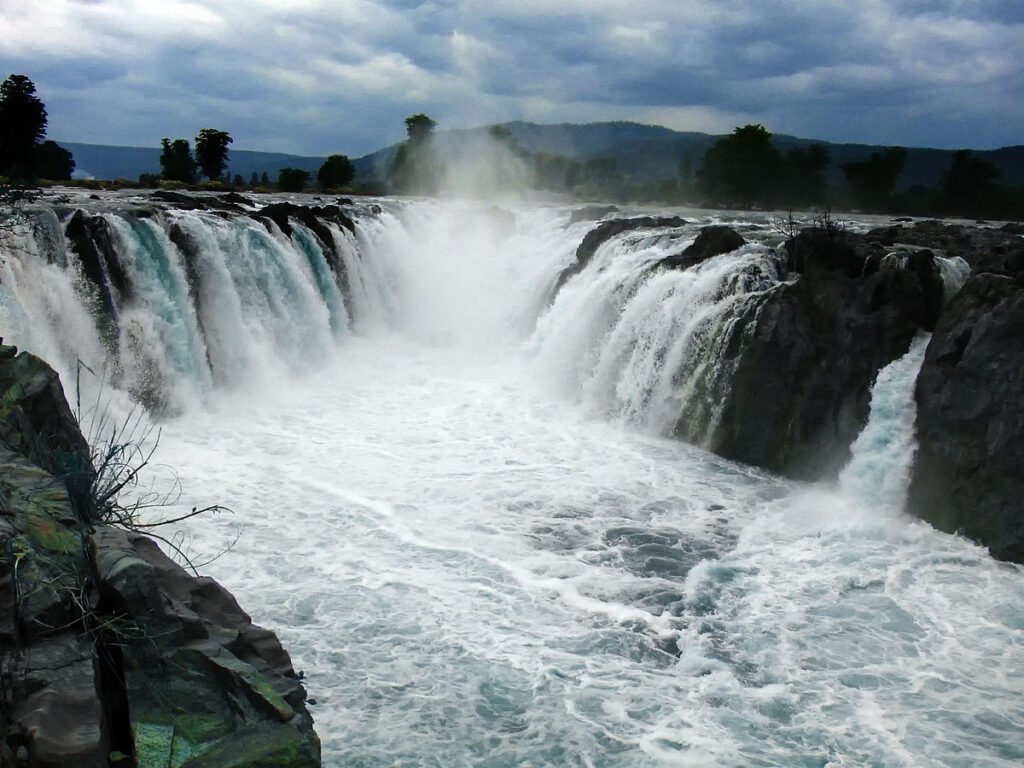
Hogenakkal ‘smoking rock’

Muharram “The Islamic New Year”

Destinations with Magical June 21st Sunrises
The morning of June 21st isn’t just another sunrise, it’s the year’s longest day, the summer solstice. Across cultures and


Explore Southeast Asia with Less Rain, More Fun

Why Japan’s Early Cherry Blossoms Make March a Dream
Journeys Worth Discovering
Explore inspiring destinations, memorable journeys and travel stories from across India and beyond.
Explore destinations