
Spiti is one of the most photographed places in India. Its monasteries on hilltops, its winding roads, its stark mountains and impossibly blue skies have filled countless social media feeds. In recent years, more and more of those images have been taken from the air, by drones.
This final piece of the issue makes a gentle case for leaving the drone at home and making photographs in Spiti the old-fashioned way: on foot, with patience, and with attention to the light and the people around you.
The practical case against drones
Rules. Drone use in India is regulated nationally, with rules on registration, permissions and zones where flying is restricted or prohibited. Areas near international borders, military installations and certain protected areas are typically off-limits or require special permission. Parts of Spiti and the approach through Kinnaur lie relatively close to the international border. In addition, local authorities, monasteries and national parks may have their own rules. Requirements change, and we would strongly advise checking the current rules carefully before considering a drone, and assuming that many places in the region will not permit them.
Weather and altitude. Strong, gusty winds are common in Spiti, especially in the afternoons. Thin air reduces lift and can affect a drone’s performance and battery life. Cold also drains batteries quickly. Many drones are lost in conditions like these.
Recovery. A drone that comes down on a cliff face, in a river or on a monastery roof may be impossible to retrieve, and leaves debris in a fragile environment.
The human case against drones
Even where rules allow it, a drone can be intrusive.
Privacy. People in villages are going about their lives. A drone hovering overhead can feel invasive, especially in places where residents have not consented to being filmed.
Sacred places. Monasteries are religious sites. Flying a drone over them can be disrespectful and disruptive to prayer and ritual.
Noise. Spiti’s silence is one of its greatest gifts. The buzz of a drone breaks it for everyone nearby.
Wildlife. Drones can disturb birds and animals, particularly in sensitive areas such as the Pin Valley National Park.
The photographic case for leaving it behind
Perhaps the best reason to leave the drone at home is that you do not need it. Spiti is a place made for photography on foot.
The landscape is vertical. Steep slopes mean that a short walk uphill often gives you an elevated view as good as any from the air. Many of the classic views of Key Monastery, for instance, are taken from the road or nearby slopes.
The light is extraordinary. Clear, high-altitude air produces deep blue skies, sharp shadows and remarkable colours at sunrise and sunset. Getting the most from it is about timing, not equipment.
The details matter. Prayer flags in the wind, a carved wooden window, a pair of hands spinning a prayer wheel, a cup of tea steaming on a cold morning. These are the photographs that tell the story of Spiti, and they are made at ground level.
How to make better photographs on foot
Go early and late. The hour after sunrise and the hour before sunset give the best light. Midday light in Spiti is harsh and flattening.
Walk. Instead of photographing from the car window or the car park, walk a little way. Climb a nearby slope (slowly, at altitude). Change your angle.
Wait. Light changes quickly in the mountains. Clouds move. People pass. Waiting for the right moment often makes the difference.
Include scale. A person, a vehicle or a building can help convey the vastness of the landscape.
Look for layers. Spiti’s mountains, rivers and villages often stack up in layers. Use them to give depth to your images.
Use a longer lens. A modest telephoto can compress mountains and isolate details, giving a very different feel from wide-angle shots.
Protect your gear. Dust and cold are hard on cameras and phones. Carry spare batteries, keep them warm in an inside pocket, and use a cloth to keep lenses clean.
Photographing people
The most memorable photographs from Spiti are often of people. But people are not scenery.
- Always ask permission before photographing someone, and respect a no.
- Spend time first. A conversation, even a brief one with gestures, makes a big difference.
- Be especially careful with monks, elders and children.
- Do not pay for photographs in a way that turns people into performers, but do support local businesses and hosts.
- Share your photographs if you can. Many people appreciate seeing them, and some homestay hosts would love prints sent later.
- Follow monastery rules on photography inside prayer halls; many prohibit it.
The night sky
Spiti’s high altitude, dry air and lack of light pollution make it one of the best places in India to see stars. A sturdy tripod and a camera that handles long exposures are useful, but you do not need specialist equipment to enjoy the view. Wrap up very warm, let your eyes adjust and simply look up. Avoid shining bright lights near homes and monasteries late at night.
A photograph you remember
In the end, the best photograph you take in Spiti may not be the most dramatic. It may be the one that reminds you of a morning in a monastery, a conversation in a homestay kitchen or the moment the sun cleared the ridge. Those photographs are made by being present, not by flying above.
So leave the drone at home. Walk, wait and watch. Take fewer pictures and better ones. And sometimes, put the camera down altogether and simply look.
Closing the issue
This piece ends our Spiti issue. We hope it has given you a sense of a valley best travelled slowly: arriving gradually, resting often, staying longer in fewer places and treating the people and the land with respect. If you go, travel well. If you cannot go, we hope these pages have brought a little of Spiti to you.
Drone regulations in India change and vary by location. Always check current official rules before flying anywhere.

Mallikarjuna Jyotirlinga : The second of all the Jyotirlingas
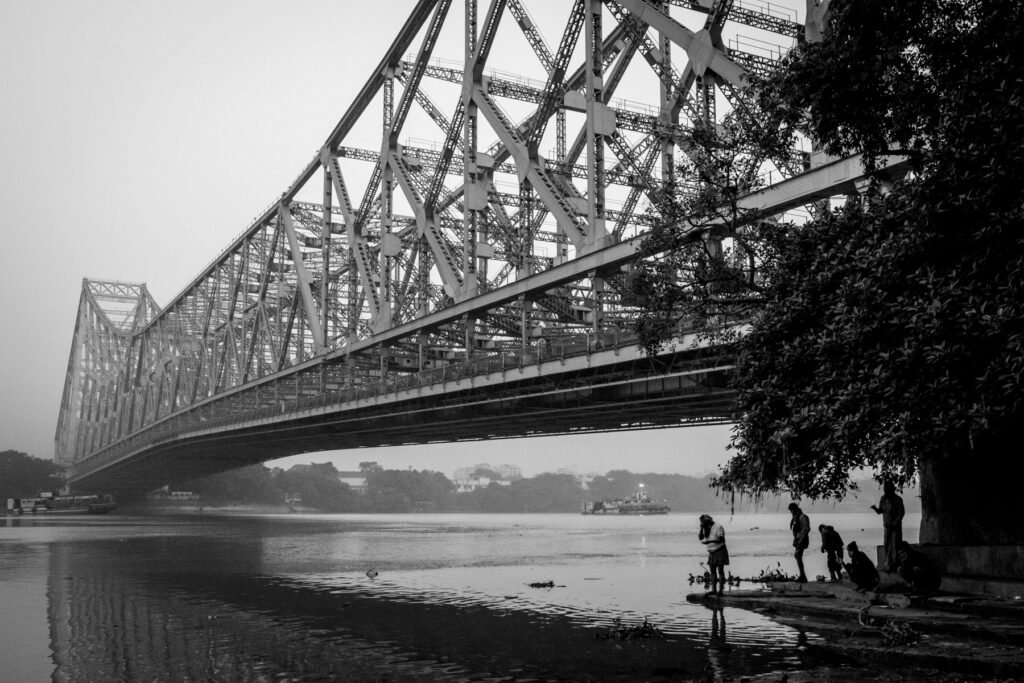
Top Places To Visit In West Bengal

Ramanathaswamy Jyotirlinga : The southernmost of the 12 Jyotirlingas
The Town You Sleep In
Why the base town shapes a monsoon waterfall trip more than any single fall, what to look for, and towns in Karnataka, Kerala and Goa worth considering.
One village ghat upriver
Train versus road that week
Markets before the 20th, not on it
Journeys Worth Discovering
Explore inspiring destinations, memorable journeys and travel stories from across India and beyond.
Explore destinations




