
There is a moment, on your first evening in a Spiti village homestay, when you realise you are not in a hotel. It might be when your host’s grandmother hands you a cup of butter tea without asking. It might be when the children come in from the fields, or when the whole family gathers around the stove in the kitchen because it is the only warm room in the house. Whatever it is, it is the moment the trip changes.
This piece is about staying with a family in a high Spiti village: what it is like, what to expect and how to be a good guest. We have not named a specific homestay, partly because we do not want to send a crowd to one door and partly because the experience is broadly similar across many villages. The best homestay is often the one your driver or your Kaza host recommends this season.
Why stay in a village
Most visitors to Spiti base themselves in Kaza and make day trips to the villages. That works, but it means you see the villages in the middle of the day, when the light is harsh, the wind is up and most people are busy in the fields. You miss the mornings and evenings, which are when village life is most visible and the landscape most beautiful.
Staying overnight also puts money directly into the hands of local families, many of whom rely on a short summer season for a significant part of their income. Homestay networks in Spiti have been promoted for years precisely for this reason.
And it is simply a different kind of travel. You are a guest in someone’s home, not a customer in a business. That changes how you behave and what you notice.
What a village homestay is like
Every homestay is different, but some things are common.
The house. Traditional Spiti houses are built of mud brick and stone, with flat roofs used for drying crops and storing fodder and firewood. Walls are thick, windows small and rooms often whitewashed. Newer homes may use concrete. Guest rooms are usually simple: a bed or mattress, heavy blankets and perhaps a small table.
The kitchen. The heart of the house is usually the kitchen, with a stove that provides warmth as well as cooking. Expect to spend your evenings here, sitting on low cushions, eating, talking and watching the family at work.
The food. Meals are home-cooked and usually included. Typical dishes might include thukpa (noodle soup), momos, dal and rice, local breads and vegetables grown in the family’s fields. Butter tea and sweet milky tea are common. Food is simple, filling and made with what is available, which in a high-altitude village can be limited.
The bathroom. Many traditional homes have dry compost toilets, which are an efficient and environmentally sound solution in a place where water is scarce. Some homestays also have modern bathrooms. Hot water may be heated on the stove and provided in a bucket. Showers may not be possible every day.
Electricity and network. Power may be intermittent. Mobile coverage in villages can be weak or absent. Do not count on charging devices or getting online.
The cold. Even in summer, nights at village altitudes can be very cold. Rooms are often unheated apart from the kitchen. Bring warm layers and a good sleeping bag or liner if you feel the cold.
How to be a good guest
Being a good homestay guest is mostly about common sense and kindness, but a few points are worth spelling out.
- Arrive before dark, and let your hosts know if you will be late.
- Ask what is expected. Meal times, where to put your shoes, whether you can help in the kitchen.
- Eat what is offered, and if you have dietary restrictions, explain them early and politely.
- Use water sparingly. It is often carried, heated and rationed.
- Use the compost toilet as shown. Your host will usually explain how; it often involves adding soil or ash after use.
- Ask before photographing family members, and respect a refusal.
- Dress modestly and avoid public displays of affection.
- Keep noise down, especially at night and early morning.
- Do not bring alcohol into the house without asking.
- Take your waste with you, especially plastic and batteries.
- Pay the agreed amount and be wary of haggling hard over what is often a modest fee.
What to bring
- Warm layers, a hat and gloves, even in summer
- A sleeping bag liner or light sleeping bag
- A headlamp or torch
- A refillable water bottle and purification tablets or a filter
- Basic medicines, including anything for altitude your doctor recommends
- Cash, since card payments are unlikely to be possible
- A small gift is sometimes appreciated, but ask your driver or Kaza host what is appropriate; avoid sweets wrapped in plastic
A day in the village
If you can, stay two nights so you have one full day. You might take a slow walk around the village and its fields, visit a local monastery or chorten, sit on the roof in the afternoon sun and watch the shadows move across the valley. If your hosts are willing, you might help with a small task, but do not insist or get in the way of real work.
In the evening, when the stove is lit and dinner is cooking, you will have time to talk. Many hosts speak some Hindi or English; others will communicate with smiles, gestures and patience. Ask about the village, the harvest, the winter. Listen more than you speak.
Finding a homestay
Many villages around Kaza and in the side valleys offer homestays, ranging from a single spare room in a family home to small, well-established guesthouses. Some can be booked in advance online; others are found by asking in the village or through a driver or Kaza guesthouse. In peak season, it is wise to arrange at least the first night ahead.
Look for places that are genuinely family-run and that follow good practice on waste and water. Recent reviews can help, but word of mouth in Kaza is often more current.
Leaving
When you leave, you may feel as though you are leaving friends. That is the gift of a village homestay. Thank your hosts, take your rubbish, and if you enjoyed your stay, tell other travellers about it. That is how good homestays survive.
Homestay standards, facilities and arrangements vary. Please confirm details directly with your hosts.

The Bihu Dance, Assam
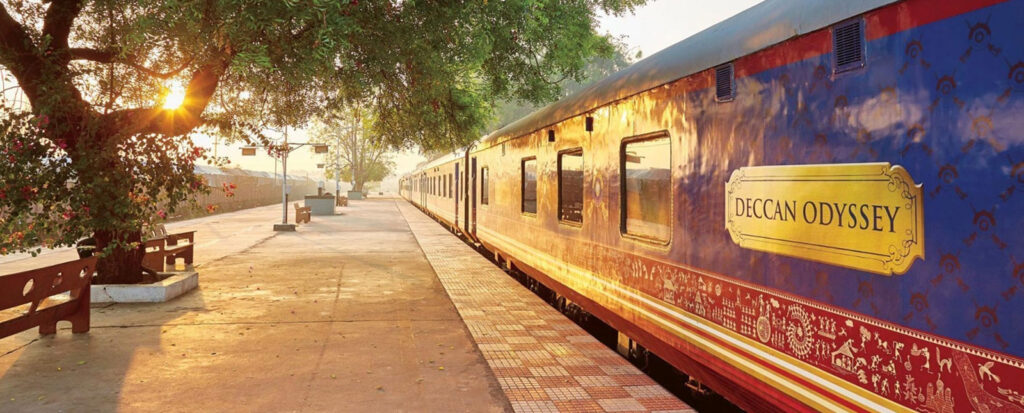
The Deccan Odyssey

Around Dhanbad
The Town You Sleep In
Why the base town shapes a monsoon waterfall trip more than any single fall, what to look for, and towns in Karnataka, Kerala and Goa worth considering.
One village ghat upriver
Train versus road that week
Markets before the 20th, not on it
Journeys Worth Discovering
Explore inspiring destinations, memorable journeys and travel stories from across India and beyond.
Explore destinations




