
The road to a monsoon waterfall is part of the trip, and in July it has its own rules. A practical guide to driving the Western Ghats in the rains.
Every waterfall in this issue lies at the end of a road, and in July those roads behave differently from the rest of the year. Ghat sections that take an hour in February can take three in the monsoon. Fog drops onto hairpin bends. A small landslip can close a route for an afternoon, or a large one for weeks. And yet these are also some of the most beautiful drives in India, through forests so green they seem lit from within, past streams that have become rivers and cliffs streaked with temporary falls.
This piece is about how to drive, or be driven, through that landscape safely and with enough time to enjoy it.
What the monsoon does to ghat roads
The Western Ghats receive some of the heaviest rainfall in India, and the roads that climb them are built on steep slopes cut into soil and rock. In heavy rain, several things tend to happen:
- Landslides and rockfalls. Loosened earth and stones come down onto the road, sometimes in small amounts that crews clear quickly, sometimes in large slides that close a route.
- Surface damage. Potholes form and deepen; edges can be undercut.
- Fog and low cloud. At higher points visibility can drop to a few metres.
- Water across the road. Streams overflow and small bridges or causeways may flood.
- Slow traffic. Lorries and buses crawl on the inclines, and overtaking becomes risky.
Authorities sometimes restrict heavy vehicles on particular ghats during the monsoon, impose night-time closures on vulnerable stretches, or close roads entirely after major slides. These decisions are made by state governments, district administrations and highway authorities, and can change at short notice.
Plan for half the speed
The most useful rule of thumb we know is to assume that a monsoon ghat drive will take considerably longer than a map app suggests, and to plan your day accordingly. If a waterfall is three hours away on paper, do not plan to visit it, drive back and catch a train the same day. Give yourself slack, and treat any time saved as a bonus.
Start early. Morning drives often have better visibility and give you daylight in reserve if something goes wrong. Avoid ghat driving after dark if you can; many travellers and drivers in the region consider it one of the most important monsoon precautions.
Hire a local driver
If you are not experienced on mountain roads in heavy rain, consider hiring a driver who knows the route. Local drivers tend to know which stretches flood, where slides are common and which detours exist. They also know when to wait. If you do drive yourself, ask at your hotel or a local taxi stand about conditions before setting out.
Before you leave
- Check for closures. Look for recent official announcements from district authorities or state transport departments, and local news. Ask your hotel.
- Check the forecast. Heavy and extremely heavy rainfall warnings from the India Meteorological Department are a good reason to postpone a drive.
- Fuel up. Petrol stations can be sparse in forest areas.
- Carry water and snacks. Delays of an hour or more are not unusual.
- Charge your phone. Mobile signal can be patchy in the ghats.
- Keep cash. Not every roadside stall or toll accepts cards or digital payment where the network is weak.
On the road
- Use headlights in fog and rain, even during the day.
- Keep your distance. Braking distances are longer on wet roads.
- Do not stop on blind bends to photograph waterfalls beside the road, however tempting.
- Never drive into flowing water across the road. It can be deeper and faster than it looks.
- Watch for falling stones and debris, especially below cut slopes.
- Be patient behind heavy vehicles. Overtake only where you can see clearly ahead.
The temporary waterfalls
One of the great pleasures of monsoon driving in the Ghats is the number of small, nameless waterfalls that appear beside the road. Some are just streaks on a rock face; others are proper cascades that would be famous if they flowed all year. Many drivers know safe places to pull over and admire them. Let them choose the spot, stay off the road edge and do not climb on wet rocks for a better photograph.
Trains and buses
Driving is not the only option. In many parts of the Ghats, trains offer a slower but often steadier way to cross the hills in the monsoon, and some lines pass close to waterfalls. Buses run on most main routes, and state transport drivers are generally very experienced on these roads. Landslides can affect railway lines as well as roads, though, so check for disruptions on any route.
If a road is closed
Closures are frustrating, but they are there for a reason. If your route is shut, ask locally about alternatives, but resist detours on unfamiliar minor roads in heavy rain. Often the wisest choice is to stay where you are for another night. A rest day in a monsoon town, with rain on the roof and a good book, is rarely a loss.
Driving with respect
Many ghat roads pass through protected forests and wildlife corridors. Drive slowly, do not honk unnecessarily, never feed monkeys from the car, and take your rubbish with you. Some forest roads have restricted hours or no-stopping rules for the sake of wildlife; follow them.
The road as part of the trip
It is easy to think of the road as an obstacle between you and the waterfall. In July, it is better to think of it as part of the experience. The ghats in the rain are among the most beautiful landscapes in India. Leave early, drive slowly, stop for tea where the cloud breaks, and let the journey take as long as it needs.
Road closures, traffic restrictions and weather warnings change frequently in the monsoon. Please check official sources and local advice before every drive.

The Dumhal Dance, Jammu & Kashmir
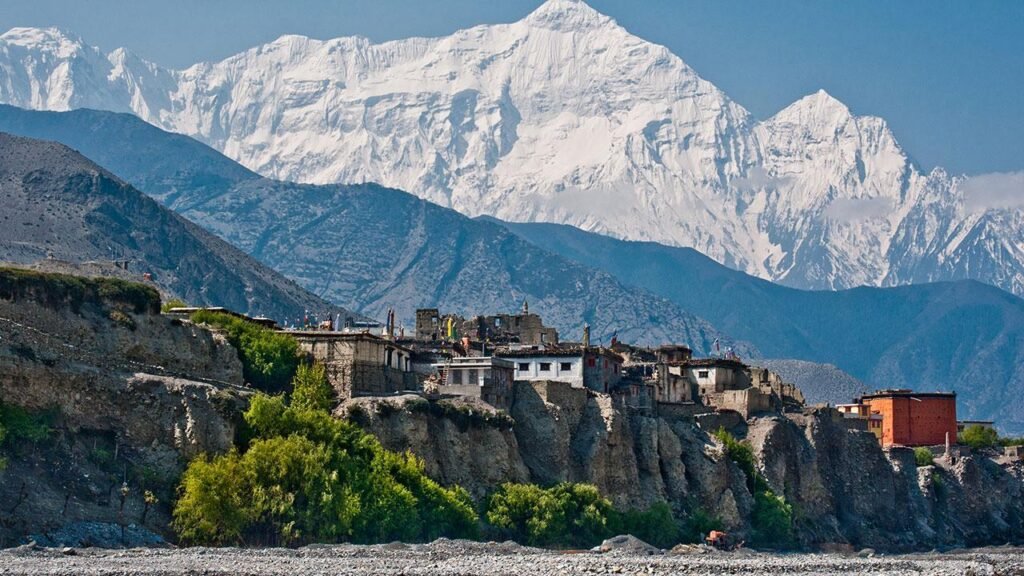
Greet Nepal “A Country Of Many Records”
Rajmachi Fort Trek, Maharashtra
The Town You Sleep In
Why the base town shapes a monsoon waterfall trip more than any single fall, what to look for, and towns in Karnataka, Kerala and Goa worth considering.
One village ghat upriver
Train versus road that week
Markets before the 20th, not on it
Journeys Worth Discovering
Explore inspiring destinations, memorable journeys and travel stories from across India and beyond.
Explore destinations




