
The arrival of March in Japan signals something far more poetic than just the transition from winter to spring. It is the quiet unlocking of a season that the entire nation anticipates with reverence and nostalgia, a season of cherry blossoms, known as sakura. But to see sakura is not simply to see flowers. It is to participate in a centuries-old cultural rite, where fleeting beauty meets timeless tradition, and where the softness of pink petals belies the emotional depth they carry.
Though many imagine April as the peak of cherry blossom season, it is in March that Japan begins its intimate dialogue with spring. In the southern stretches of the country, Kyushu, Shikoku, Okinawa, and in warmer cities like Hiroshima and Tokyo, the first blossoms bloom, ushering in a national awareness that something delicate and extraordinary is beginning.
To travel to Japan in March is to see these first whispers of spring unfurl in quiet parks, temple courtyards, and riverbanks, before the major crowds descend. It is to feel the balance of old and new, of tradition and modernity, while walking under ancient cherry trees that have seen empires fall, cities rebuilt, and time softened. It is the Japan that speaks not through neon lights or bullet trains, but through the hushed language of petals.
The Soul of the Sakura
No other flower is so intimately tied to the spirit of a nation as the sakura is to Japan. With origins deeply rooted in Shinto beliefs and Buddhist philosophy, the cherry blossom is more than a seasonal spectacle, it is a symbol of impermanence, a reminder that beauty is not in what lasts, but in what fades.
In Japanese, there is a term: mono no aware, a quiet awareness of life’s transience, and a gentle sadness in its passing. The cherry blossom encapsulates this idea perfectly. It bursts into life with exuberance, lingers briefly, and falls softly to the earth, becoming a memory even as it dazzles. No wonder it has inspired haiku, painting, samurai rituals, and fashion for centuries.
And so, when March arrives, it is not simply a change of weather. It is the opening of a sacred window when the nation looks both forward and inward, cherishing each delicate bloom not just as a floral event, but as a meditation on time itself.
March in Bloom: A Geography of Early Blossoms
Japan’s unique topography creates a rare phenomenon known as the “sakura front.” Like a gentle wave, this front moves from south to north, tracing the warmer climates before ascending into cooler air.
This means that March becomes the perfect time to explore cherry blossoms without being swept up in peak-season crowds. Okinawa sees its first blooms as early as late January, but by March, the blossoms spread to Fukuoka, Hiroshima, Shikoku, Kyoto, and Tokyo.
Each location offers its own canvas. In Fukuoka, petals surround the ruins of feudal castles. In Hiroshima, they bloom beside monuments of peace. In Tokyo, they drift beside bullet trains and skyscrapers. And in Kyoto, they float past ancient wooden temples, like a brushstroke of color on old paper.
What March offers is not the saturation of pink but the beginning of it, the gentle hush before the crescendo.
Hanami: More Than Just Viewing Flowers
To understand Japan in March, you must understand hanami. The word means “flower viewing,” but in truth, hanami is something far more profound. It is a social, spiritual, and aesthetic experience that captures the Japanese appreciation for nature, transience, and community.
During hanami, families and friends gather under the trees with blue tarps, picnic baskets, and sake. But this is no ordinary picnic, it is a ritual of presence. Phones are put away. Time slows down. People look up, not down. They talk softly, drink slowly, and listen to the wind move through branches.
The best hanami spots, parks like Ueno in Tokyo, Maruyama in Kyoto, or Peace Park in Hiroshima, come alive with warmth and laughter. Yet even in quieter corners, like a riverside in Matsuyama or a garden in Nara, the spirit of hanami endures. It is about being, not just seeing.
Where to Witness Early Blooms: A Traveler’s Journey Through March
If you begin your journey in southern Japan, you will arrive as the season awakens. In Fukuoka, you’ll find cherry blossoms climbing around the ancient ruins of Maizuru Castle. The trees here frame distant skyscrapers, merging past and present in a single glance.
From there, a train to Hiroshima takes you into solemn beauty. The trees near the Atomic Bomb Dome bloom beside monuments of peace. The juxtaposition is powerful, fragile petals fluttering where resilience took root. A short ferry to Miyajima Island leads to quiet trails where deer walk beneath pink canopies.
Next, move inland to Kyoto, where March’s final weeks bring early blooms along the Philosopher’s Path—a meditative stroll beside a canal lined with whispering trees. The weeping cherry tree of Maruyama Park, often illuminated at night, begins to unfurl its petals in late March, casting a silver-pink glow over admiring visitors.
Finally, arrive in Tokyo, where modern life and nature dance a delicate duet. In Chidorigafuchi, you can rent a boat and row through fallen petals along the moat of the Imperial Palace. Ueno Park, with its 1,000 trees, offers spectacle. But smaller pockets, such as Meguro River or Rikugien Garden, offer intimacy.
Cherry Blossom Cuisine: A Season of Delicate Flavors
As nature changes, so too does the Japanese table. March brings a wave of seasonal delicacies inspired by cherry blossoms.
You’ll find sakura mochi, a pink rice cake wrapped in a pickled cherry leaf, soft and sweet with a hint of salt. Cafés serve sakura lattes, fragrant and pastel pink. Supermarkets are filled with sakura-themed bento boxes, beer, KitKats, and even noodles.
But beyond novelty lies tradition. Hina Matsuri, or Girl’s Day (March 3), brings delicate sweets and elaborate doll displays. Spring Kaiseki meals, the epitome of Japanese fine dining, shift their ingredients to reflect the season, bamboo shoots, young greens, and flower-shaped tofu all appear.
To eat in March is to taste spring before it fully arrives—a promise of what is to come.
Planning a March Sakura Trip: Practical Tips for Poetic Travel
March is not the warm, easy-going season many imagine. It’s often brisk, with temperatures ranging from 5°C to 15°C. But this crisp air makes the warm sun and sudden blooms even more precious.
Here’s how to prepare:
- Clothing: Pack in layers. Mornings and evenings are chilly, but mid-day can be comfortable.
- Timing: Use the official “sakura forecast” published by Japan Meteorological Agency and websites like Japan-Guide to track bloom dates.
- Transport: A Japan Rail Pass is ideal for visiting multiple regions. Book popular trains like the Nozomi in advance.
- Stay: March is still shoulder season, so accommodation prices are lower than April. Consider traditional ryokans in smaller cities for deeper immersion.
Pro tip: Don’t plan every moment around peak bloom. Even trees in bud, or ones shedding petals like confetti, can move you more than a postcard-perfect scene.
The Emotional Landscape: What the Blossoms Leave Behind
As your journey through March unfolds, you may notice something unexpected. The blossoms begin to change you. The quiet excitement of spotting your first tree in bloom. The breath you take as petals begin to fall, one by one. The stillness you feel in the shade of a tree that has stood longer than your lifetime.
And then, just as quickly, they are gone.
That is the lesson. In a world that urges us to rush, to consume, to archive every moment, cherry blossoms remind us to simply be there. To witness, to feel, and to let go. In that way, they are not just flowers. They are teachers.
And Japan in March? It is the classroom of the soul.
Travel often promises escape. But sometimes, the best journeys bring us closer, not just to a new place, but to something ancient within ourselves.
To see cherry blossoms in March is not just to visit Japan. It is to enter into its poetry, to be written into its verse. It is to walk among trees that bloom for no audience, to sit on a bench while petals fall on your sleeve, to take a sip of sakura tea and taste both sweetness and goodbye.
March is not the peak. It is the beginning. And perhaps that is where the true beauty lies, not in the fullness, but in the first sign of awakening.
So go, if you can. Stand beneath those trees. Let the petals fall.

The Rise of Homestays in India
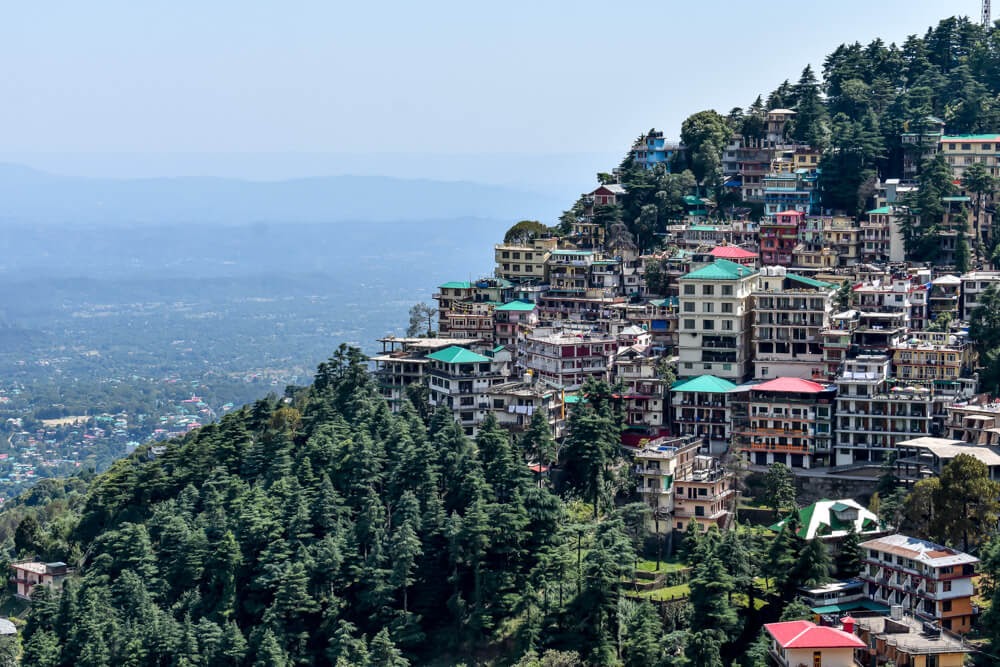
Travel through Dharamshala & McLeod Ganj

The Story of Coorg: A Romantic Journey Through the Heart of India

Destinations with Magical June 21st Sunrises
The morning of June 21st isn’t just another sunrise, it’s the year’s longest day, the summer solstice. Across cultures and


Explore Southeast Asia with Less Rain, More Fun
Why Japan’s Early Cherry Blossoms Make March a Dream
Journeys Worth Discovering
Explore inspiring destinations, memorable journeys and travel stories from across India and beyond.
Explore destinations