
The global reputation of Udaipur is inextricably bound to a specific image of exclusionary luxury: floating white-marble palaces, private boat charters, and palatial five-star resorts that command astronomical nightly rates. This curated facade creates a pervasive illusion that experiencing the capital of Mewar requires boundless financial resources. In reality, the true, beating heart of the city does not exist behind the velvet ropes of high-end hospitality; it thrives in the narrow, labyrinthine alleys of the Old City.
Executing a trip to Udaipur on ₹5,000 is not an exercise in deprivation or uncomfortable compromise. Instead, financial pragmatism forces a much deeper, more authentic engagement with the living history of the region. By shifting focus away from luxury enclaves and toward the public ghats, historic street-side vendors, and family-run heritage townhouses, a traveler accesses a version of the city that is richer in culture and significantly lighter on the wallet.
The Geography of Affordable Heritage
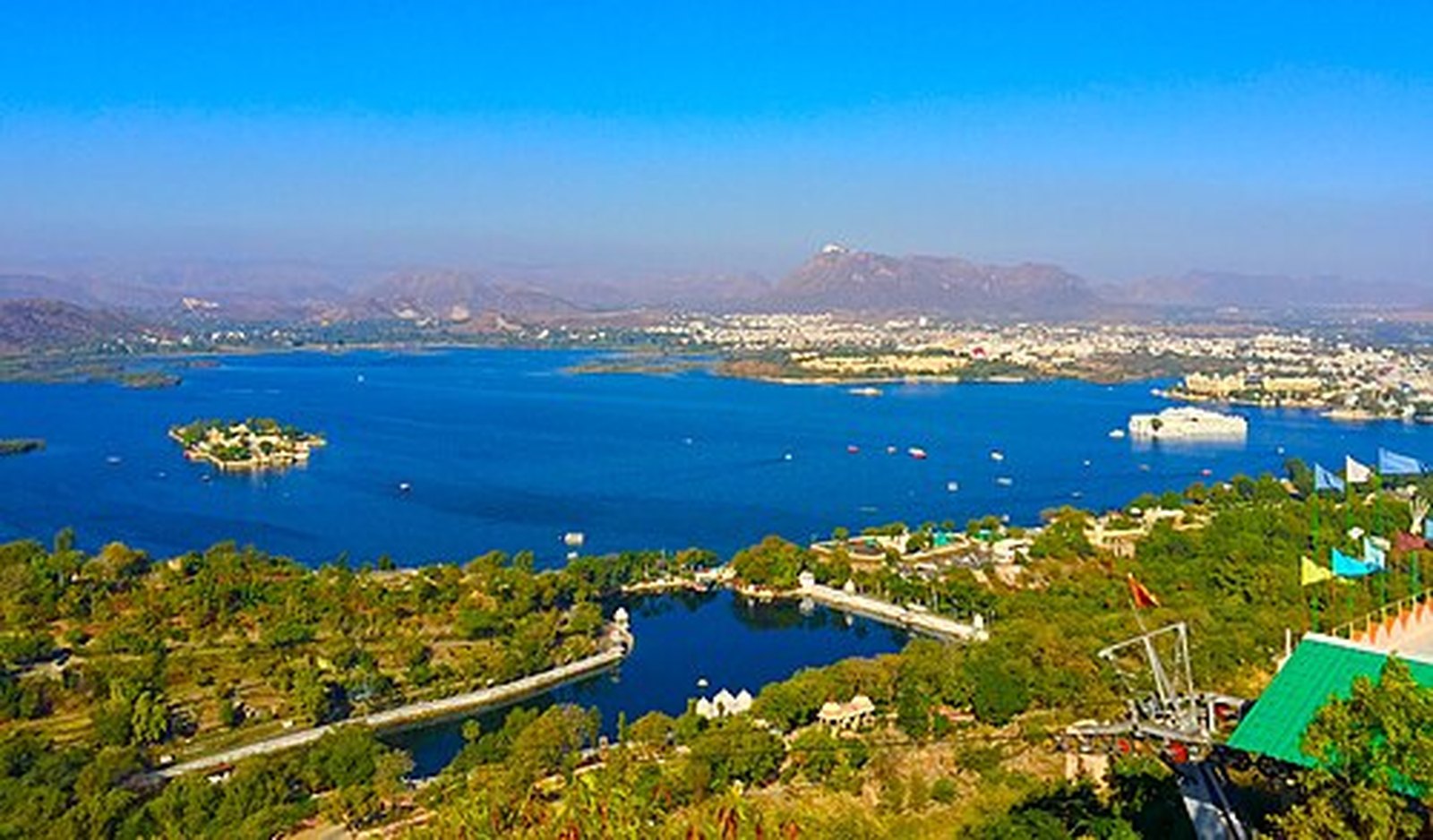
The first step in mastering the financial mechanics of Udaipur is understanding the topographical layout of its accommodations. The high-end resorts dominate the outer rings and private islands, but the most character-rich budget stays in Lake City are clustered tightly along the eastern and western banks of Lake Pichola. Specifically, the Lal Ghat, Hanuman Ghat, and Chandpole quarters serve as the epicenter of value-driven travel.
Within these dense neighborhoods, centuries-old havelis have been organically converted into intimate guesthouses and boutique hostels. Choosing to stay in one of these properties means sleeping within walls built of traditional stone and lime plaster. These accommodations often feature the exact same architectural pedigree, carved stone arches, central open-air courtyards, and projecting jharokha windows, as the luxury hotels, but without the premium markup. Many of these family-run establishments feature narrow rooftop terraces. Securing a basic, clean room in the Old City provides immediate, walkable access to the water and immerses the traveler directly in the morning chorus of temple bells and local vendors.
Culinary Economics: Street Level to Rooftop Vistas
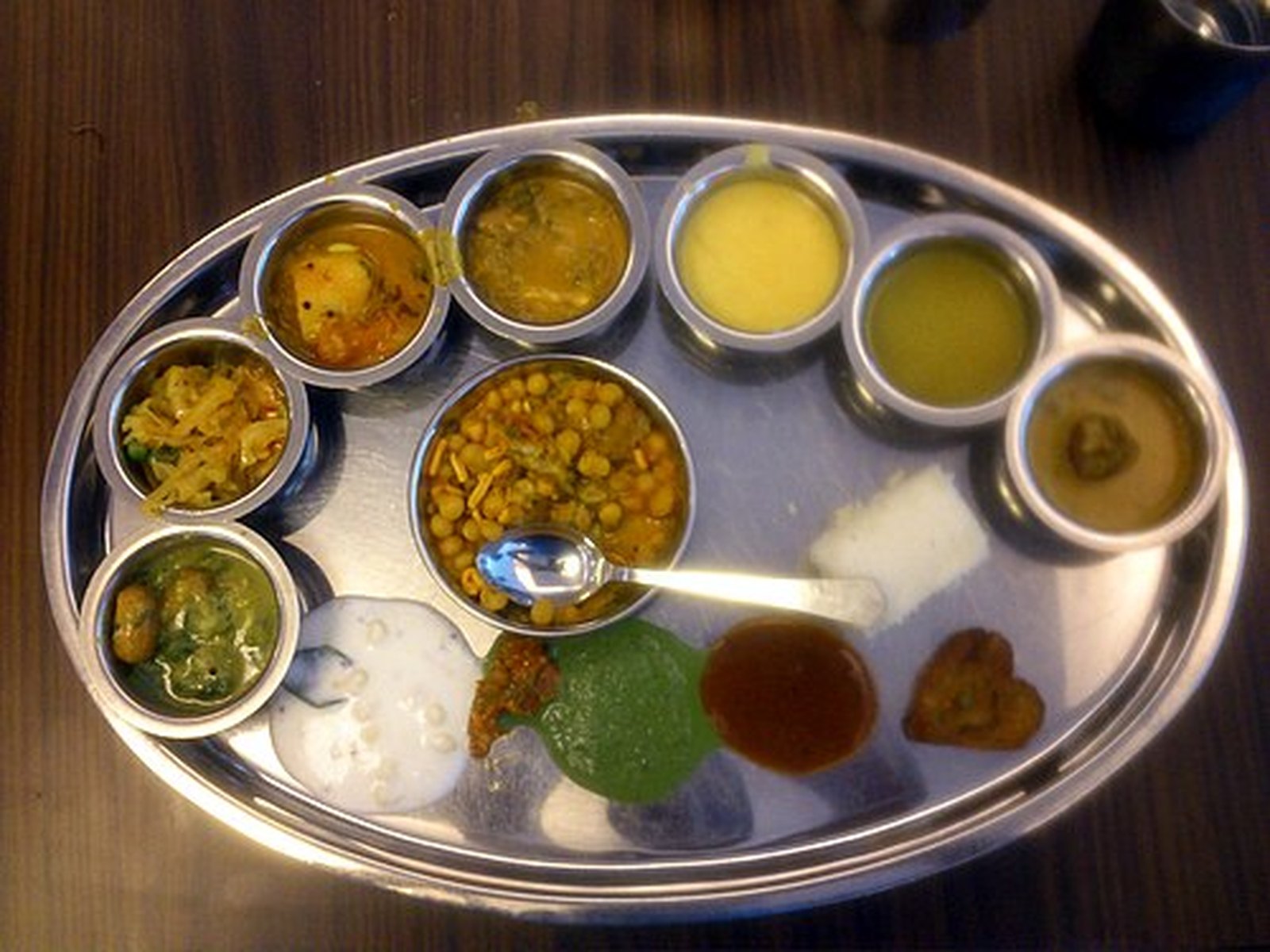
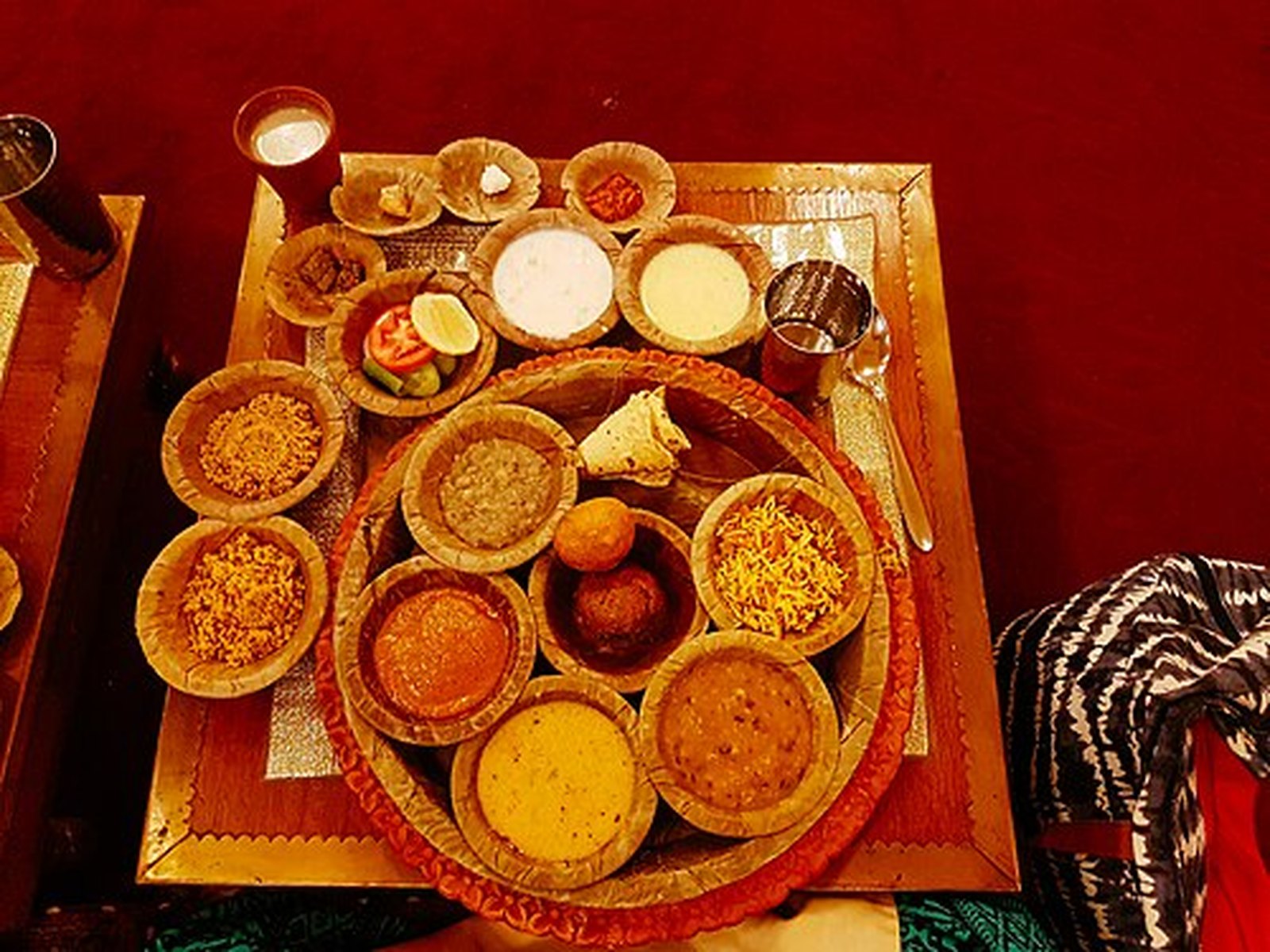
The culinary landscape of Udaipur is vertically stratified. To eat well on a strict budget requires a dual approach: sourcing primary sustenance at the street level, and strategically purchasing inexpensive beverages for high-altitude views.
For breakfast and quick lunches, the street food ecosystem around the Old City and the municipal lakes provides incredible value. The stalls near the clock tower or along the Fateh Sagar promenade serve steaming plates of flattened rice (poha) topped with sev and pomegranate, heavily spiced mirchi vadas, and fresh dal kachoris that sustain the local workforce for mere pocket change. Seeking out small, unassuming bhojanalayas (local dining halls) guarantees a limitless, highly authentic Mewari thali, a massive steel plate loaded with seasonal vegetable curries, dal baati churma, garlic chutney, and endless hot rotis, for a fraction of a restaurant bill.
However, the visual currency of Udaipur is best spent aloft. The city is famous for its elevated dining, and one does not need a luxury reservation to access the skyline. Compiling a list of the top 5 rooftop cafes with palace views reveals an open secret: a simple cup of spiced masala chai or a cold coffee at an independent, budget-friendly rooftop café offers the exact same panoramic sweep of the illuminated City Palace Udaipur as the most expensive dining rooms in the city. The strategy is to pay for the vantage point with a small order, spending hours watching the light shift across the water.
Strategic Sightseeing Without the Premium
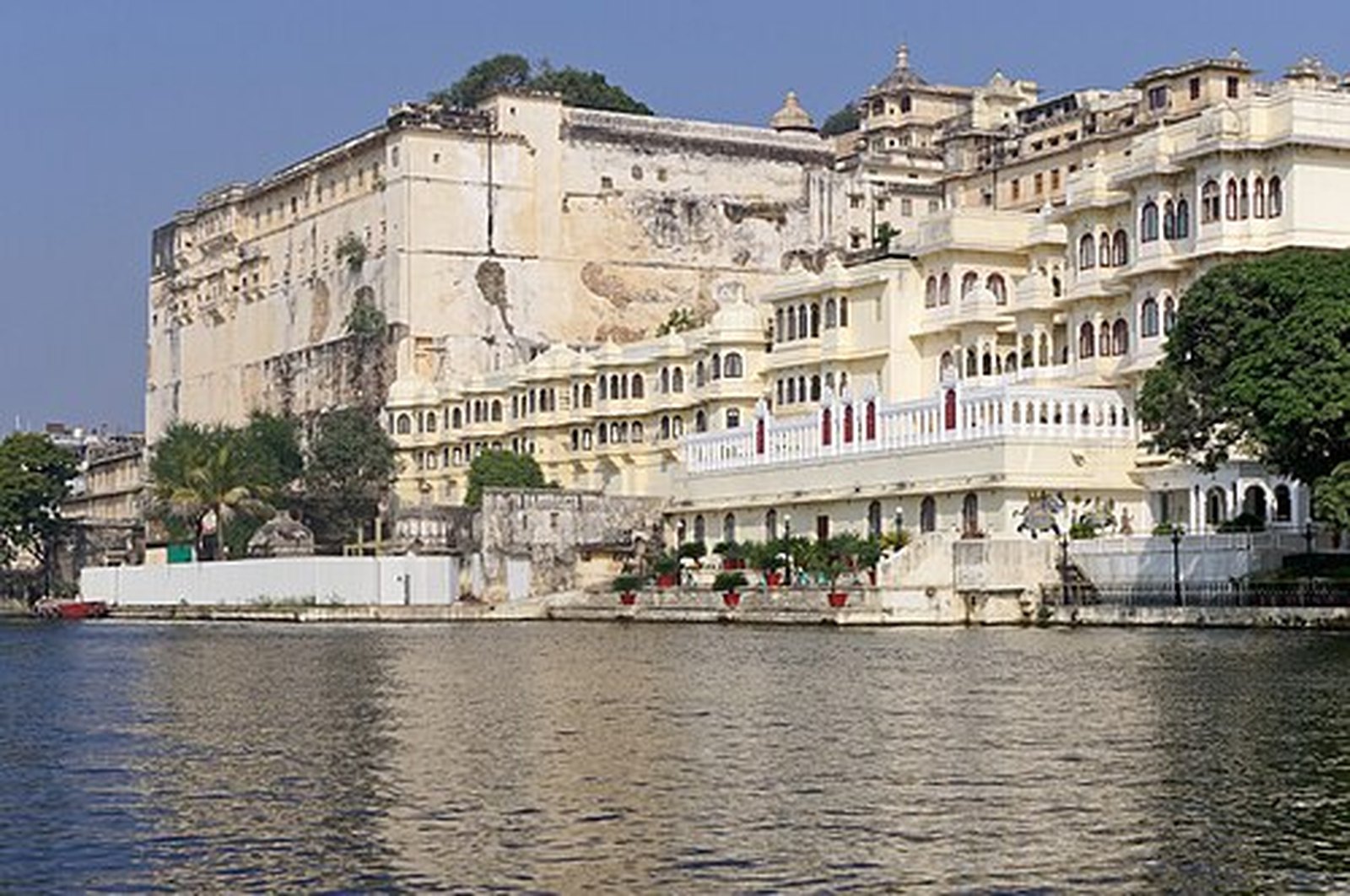
The highest-value experiences in Udaipur cost absolutely nothing. The fundamental geography of the city is designed to be walked, and the most profound architectural and atmospheric moments require no entry fees.
While taking a municipal boat ride to Jag Mandir or paying for full access to every wing of the palace complex can quickly drain a daily budget, the exterior grandeur of these structures is free to observe. The public stone embankments, particularly Gangaur Ghat on the eastern shore and Ambrai Ghat on the western shore, are the true civic lounges of the city. One can simply sit on the ancient, water-worn stone steps and watch as palaces turn golden at dusk or lakes go silent at night. The sunset view from Ambrai Ghat, with the City Palace glowing against the darkening sky, is arguably the most valuable visual in Rajasthan, and it is entirely free.
For those willing to expend physical effort instead of currency, the surrounding Aravalli mountains offer unparalleled vantage points. Waking before dawn and hiring a shared auto-rickshaw to the outskirts of the city allows for a short, steep hike up Bahubali Hills. The reward is a sweeping, fjord-like sunrise over the quiet waters of Badi Lake, an experience that rivals any ticketed viewing platform or guided tour in the state.
The Art of Slow Transit
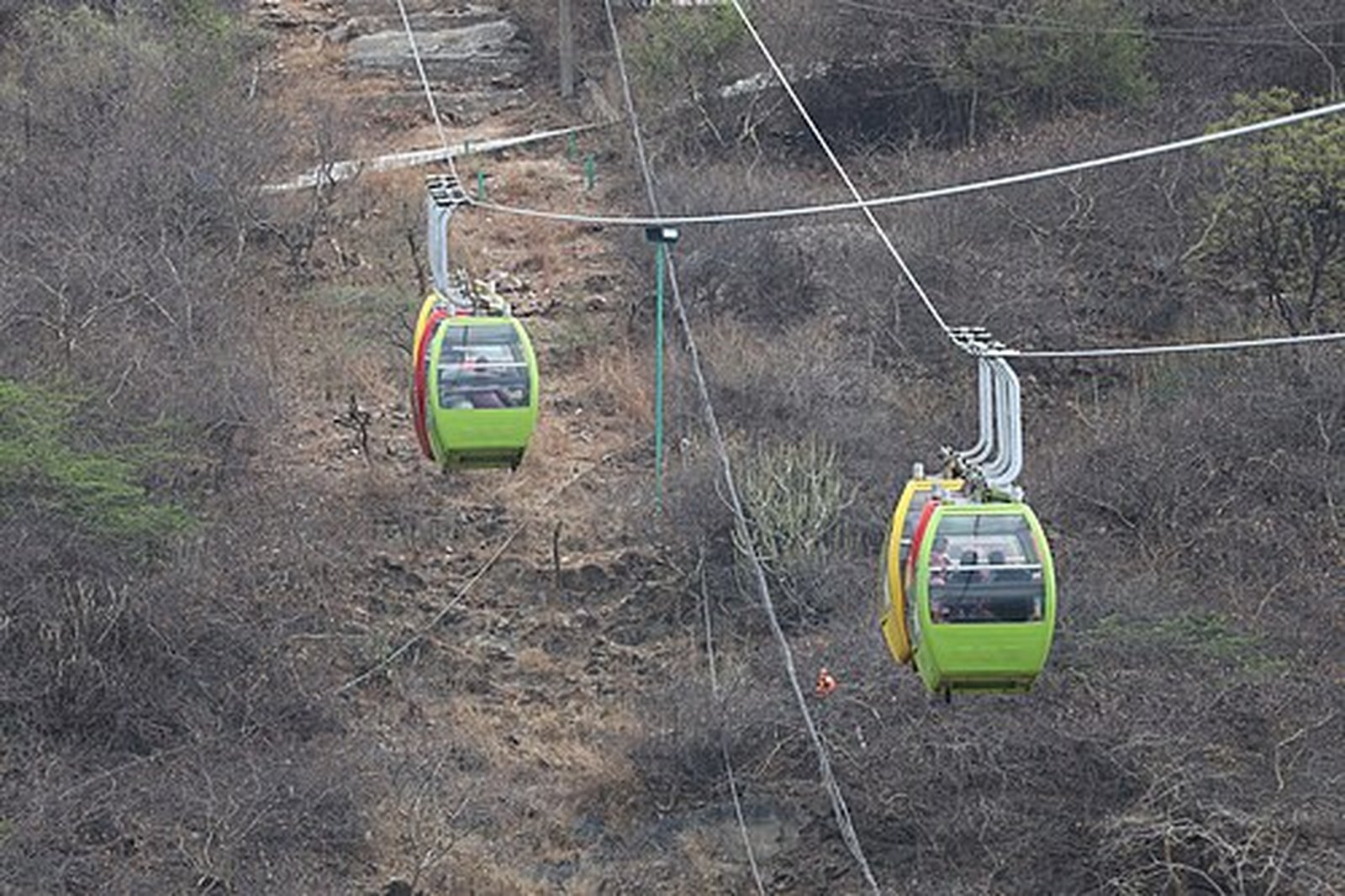
Transportation within a city often acts as a hidden tax on the budget traveler. In Udaipur, relying on private taxis or constantly negotiating with auto-rickshaws not only depletes funds but isolates the traveler from the rhythm of the streets. The Old City was engineered for pedestrians and pack animals; its alleys are too narrow for standard vehicles.
Embracing the budget masterclass means adopting walking as the primary mode of transit. Navigating the winding routes from the Jagdish Temple down to the water’s edge reveals the micro-economy of the city: silversmiths hammering jewelry in open storefronts, miniature painters grinding natural pigments, and leather workers shaping traditional mojari shoes. This slow, deliberate movement through the city allows for serendipitous discoveries that cannot be mapped or purchased.
Ultimately, experiencing Udaipur on a budget strips away the insulated layers of modern tourism. It removes the polished glass between the traveler and the destination, leaving only raw stone, the scent of street-side cardamom, and the quiet, enduring majesty of the lakes.
