
The morning mist rising off Lake Pichola carries a specific quiet that most visitors completely miss if they arrive mid-afternoon on a crowded weekend tour bus. Udaipur, long crowned the Venice of the East, is fundamentally a city designed to be experienced on foot, in boats, and from stone terraces carved centuries ago. When planned strategically, three days in Udaipur do not feel like a frantic scramble across crowded monuments; they unfold as a balanced rhythm between towering stone history, quiet water edges, and high-elevation vantage points. This itinerary routes you through the essentials while systematically dodging peak-hour tour groups and steering you toward genuine Mewari character.
Day 1: The Imperial Core and Lakeside Dusk
Morning: The City Palace Complex Before the Rush
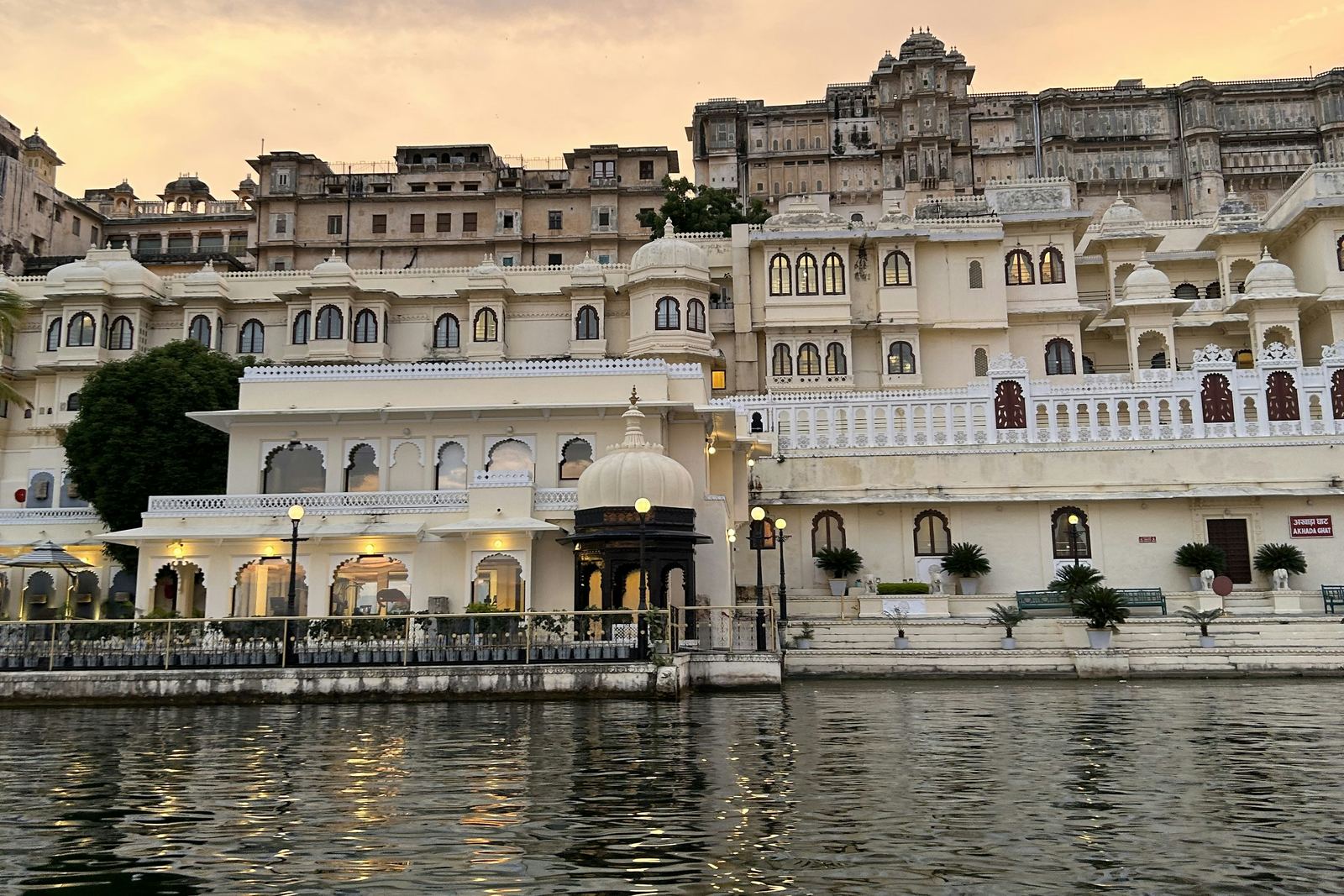
Begin your first day at 9:00 AM sharp at the City Palace. Arriving right as the gates open is the single most important tactical decision you will make in Udaipur. By 11:30 AM, the narrow marble corridors, low-ceilinged passageways, and steep stairs become congested with tourist queues. Entering early allows you to walk through the Tripoliya Gate and into the Mardana Mahal with relative quiet.
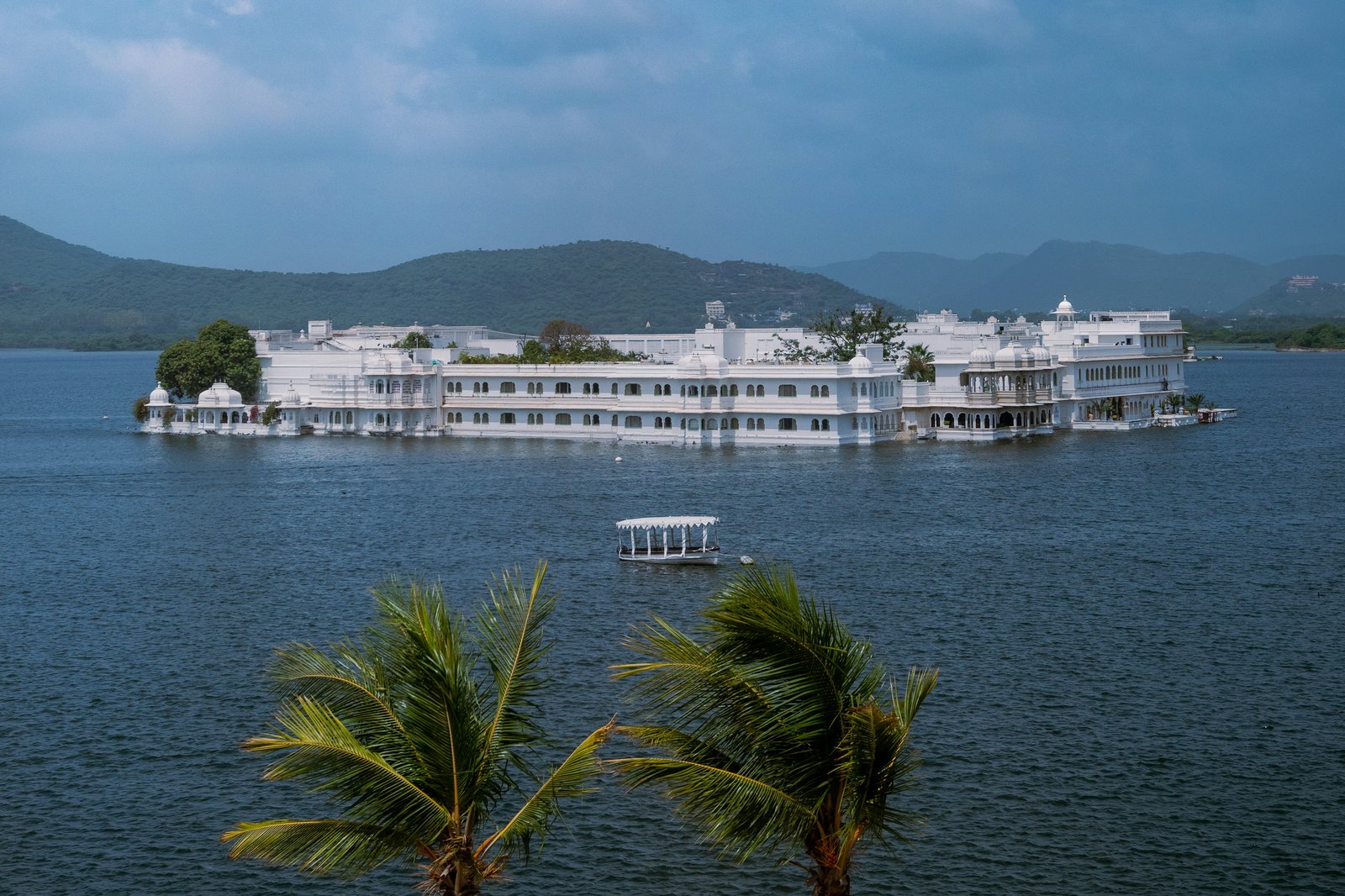
Spend your first two hours tracing the architectural layers added by 22 different Maharanas over 400 years. Pay particular attention to the Mor Chowk (Peacock Courtyard), where three glass-mosaic peacocks crafted from over 5,000 individual green and blue tiles catch the early morning sunlight. From there, navigate toward the Zenana Mahal (Queen’s Quarters) and step out onto the upper terraces. These balconies offer sweeping, panoramic vistas looking straight out across the calm surface of Lake Pichola toward the floating marble pavilions of Jag Mandir and the Taj Lake Palace.
Midday: Jagdish Temple and Old City Backstreets
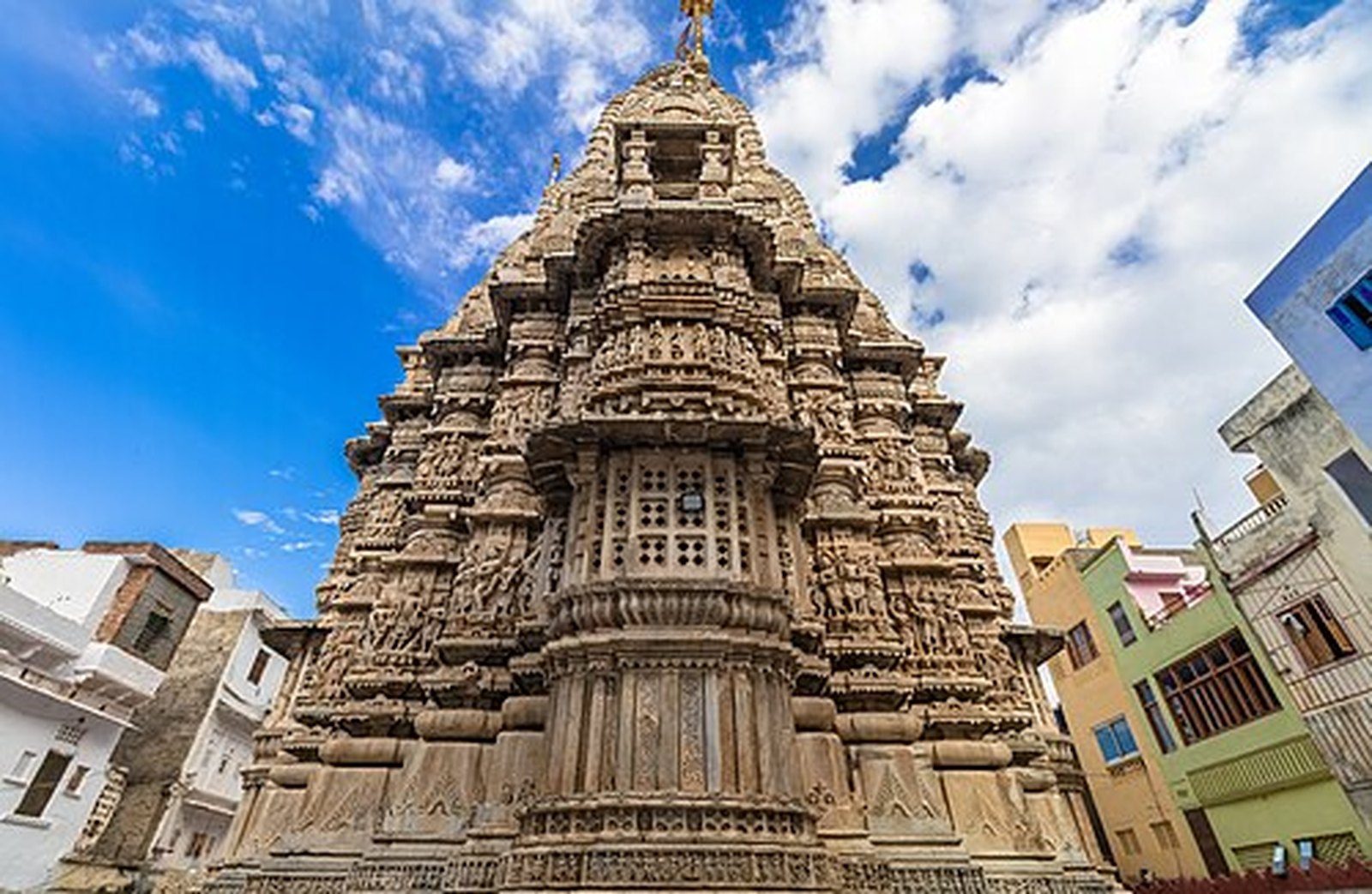
Exit the palace complex through the northern gate and walk five minutes uphill to Jagdish Temple. Constructed in 1651 by Maharana Jagat Singh, this Indo-Aryan temple sits elevated on a tall stone plinth. Climb the steep 32 stone steps to reach the main sanctum. The exterior walls are entirely clad in continuous stone relief carvings depicting tier upon tier of war elephants, armed horsemen, celestial dancers, and mythological musicians. Inside, the sanctum houses a striking four-foot-tall image of Lord Vishnu carved out of a single piece of black stone. Spend 30 minutes sitting quietly in the pillared hall to absorb the rhythm of the chanting and traditional bells before stepping back out into the heat.
For lunch, walk down into the labyrinthine alleys of the Lal Ghat quarter. Choose a quiet rooftop spot overlooking the lake for a plate of freshly prepared Mewari gatta curry and hot bajra rotis.
Afternoon into Evening: A Slow Boat to Jag Mandir and Sunset at Ambrai Ghat
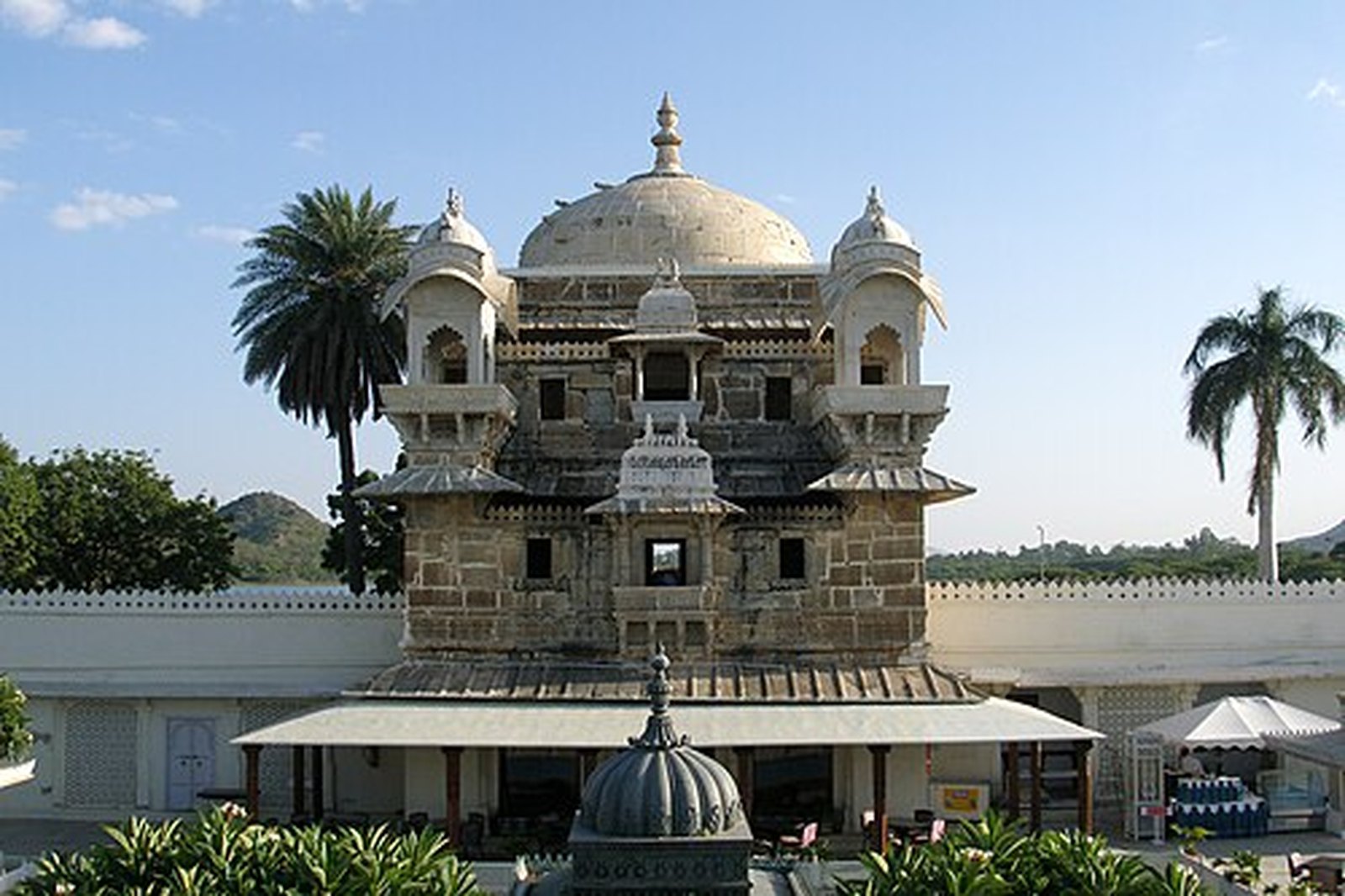
At around 3:30 PM, make your way to the municipal or palace jetty for a boat excursion across Lake Pichola. Opt for an afternoon crossing that drops you off at Jag Mandir, the 17th-century island palace built of yellow sandstone and white marble. Walk past the monolithic stone elephants guarding the island’s boat landing and wander the open garden courtyards where Mughal Emperor Shah Jahan once sought refuge.
Ensure you return to the mainland by 5:15 PM so you have sufficient time to cross the footbridge to Ambrai Ghat (Manjhi Ghat). While Gangaur Ghat on the eastern bank is iconic, Ambrai Ghat on the western edge offers the quintessential vantage point of the entire City Palace facade. Sit directly on the ancient stone steps as dusk sets in. Watch the sun dip below the Aravalli ridge, casting amber reflections across the water before the exterior palace floodlights snap on, turning the stone structures into glowing golden silhouettes against the night sky.
Day 2: Artisans, High Ridges, and Royal Havelis
Morning: The Courtyards of Bagore Ki Haveli and the Craftsmen’s Quarters
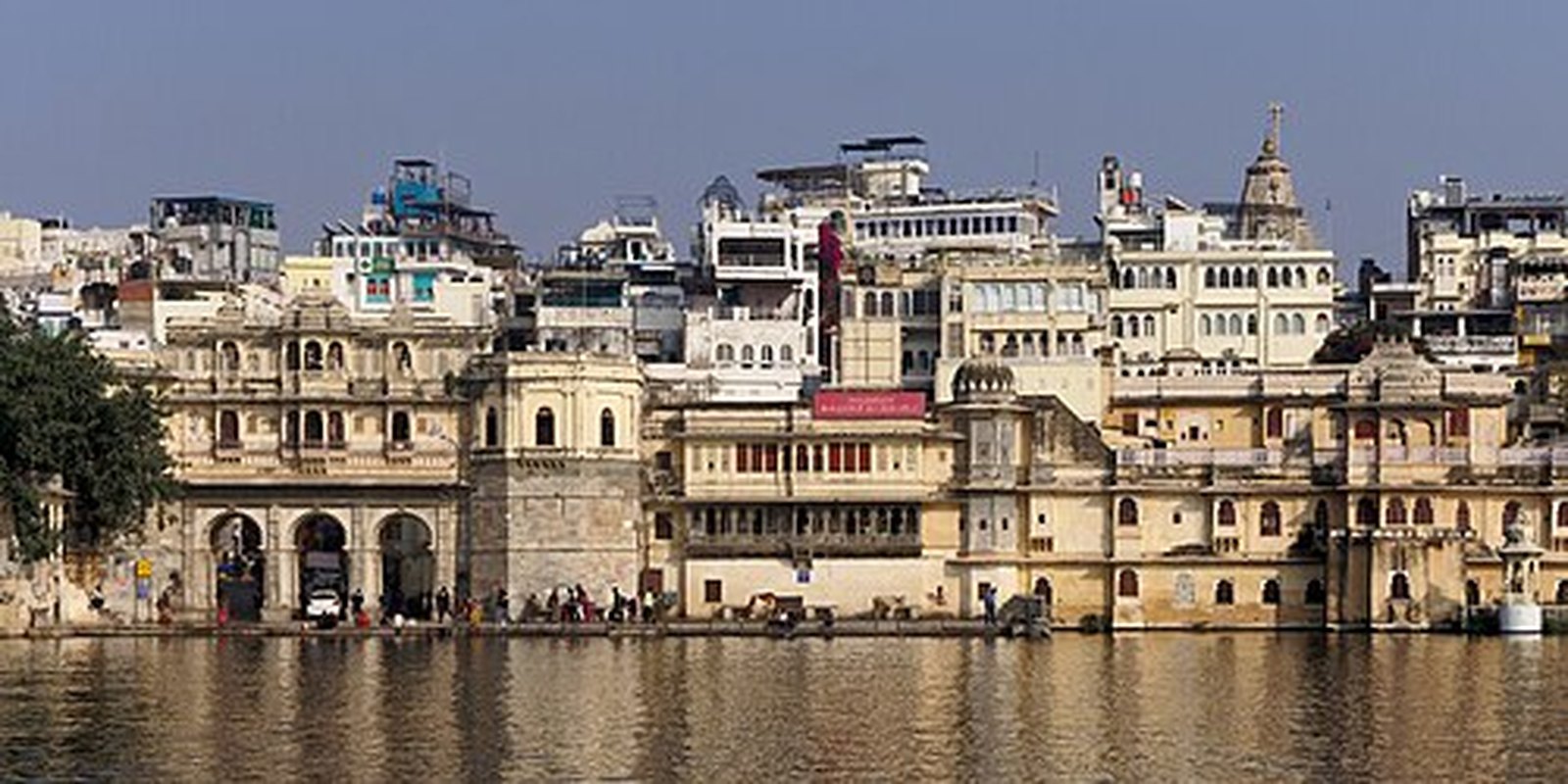
Start your second morning along the stone waterfront at Gangaur Ghat, walking straight into Bagore Ki Haveli. Built in the late 18th century by the Prime Minister of Mewar, this 138-room residence provides an intimate look into courtly living that the vast City Palace cannot match. Wandering its narrow corridors reveals inner courtyards with painted frescoes, antique copper hookahs, traditional games, and private jharokhas that once allowed royal women to view waterfront celebrations without being seen.
After touring the haveli, spend the remainder of the morning exploring the surrounding craft streets: Bhatiyani Chohatta and Hathipole. Here, independent artisans continue the centuries-old tradition of Mewar miniature painting, grinding natural mineral pigments, lapis lazuli for deep blues, malachite for greens, and real gold leaf for royal garments, onto antique paper and bone surfaces. Engage with the painters, ask to see their single-hair brushes, and avoid factory-printed souvenir shops.
Afternoon: The Ascent to Sajjangarh (The Monsoon Palace)
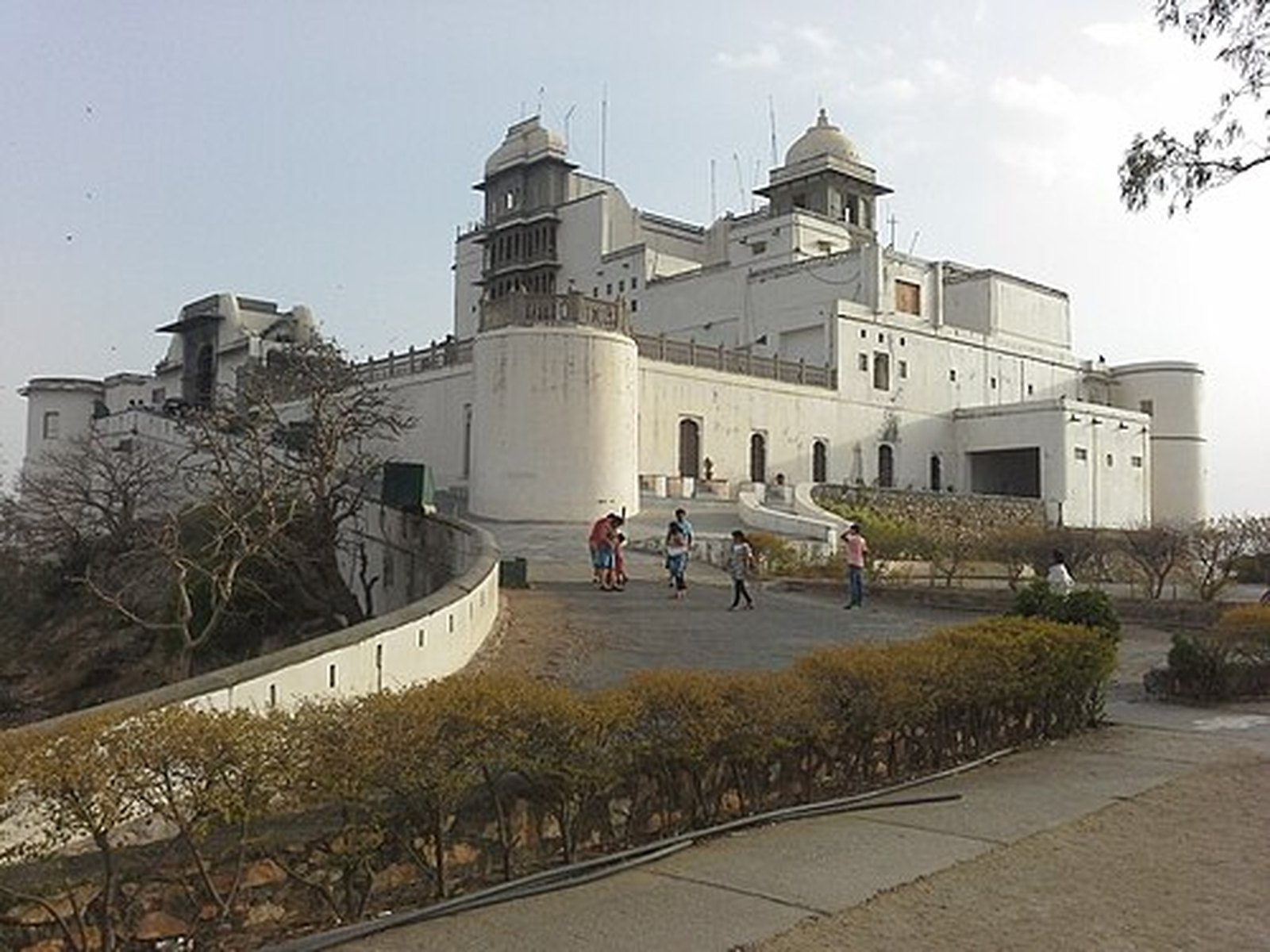
By 3:00 PM, hire an auto-rickshaw or taxi to take you west of the city, climbing the winding switchback roads of Bansdara Mountain to Sajjangarh, perched 3,100 feet above sea level. Commissioned in the late 19th century by Maharana Sajjan Singh, this fortress palace was originally intended as a multi-story astronomical center and monsoon retreat to track rain clouds rolling in across western Rajasthan.
Walk through the stark, white marble corridors and open courtyards. The interior is largely unadorned compared to the City Palace, but the true prize is the vantage point: looking east, the entire city of Udaipur sits nestled between its chain of blue lakes, while looking west reveals the rugged, untouched valleys of the Aravalli range stretching out to the horizon. Stay along the western retaining wall until sunset, when the wind picks up and the valley plunges into deep violet twilight.
Evening: Folk Performance at Gangaur Ghat
Head straight back down to the Old City by 6:45 PM to attend the Dharohar Folk Dance performance held in the open-air neem courtyard of Bagore Ki Haveli. Arrive early to secure a floor cushion near the front. Over the course of an hour, master performers showcase authentic Rajasthani cultural traditions: the Chari dance with flaming brass pots balanced on dancers’ heads, puppet theater, and the show-stopping Bhavai dance, where a performer balances up to nine earthen and brass pots on her head while dancing on shards of broken glass.
Day 3: Offbeat Waters, Nature Trails, and Mountain Silence
Early Morning: The Sunrise Climb at Bahubali Hills
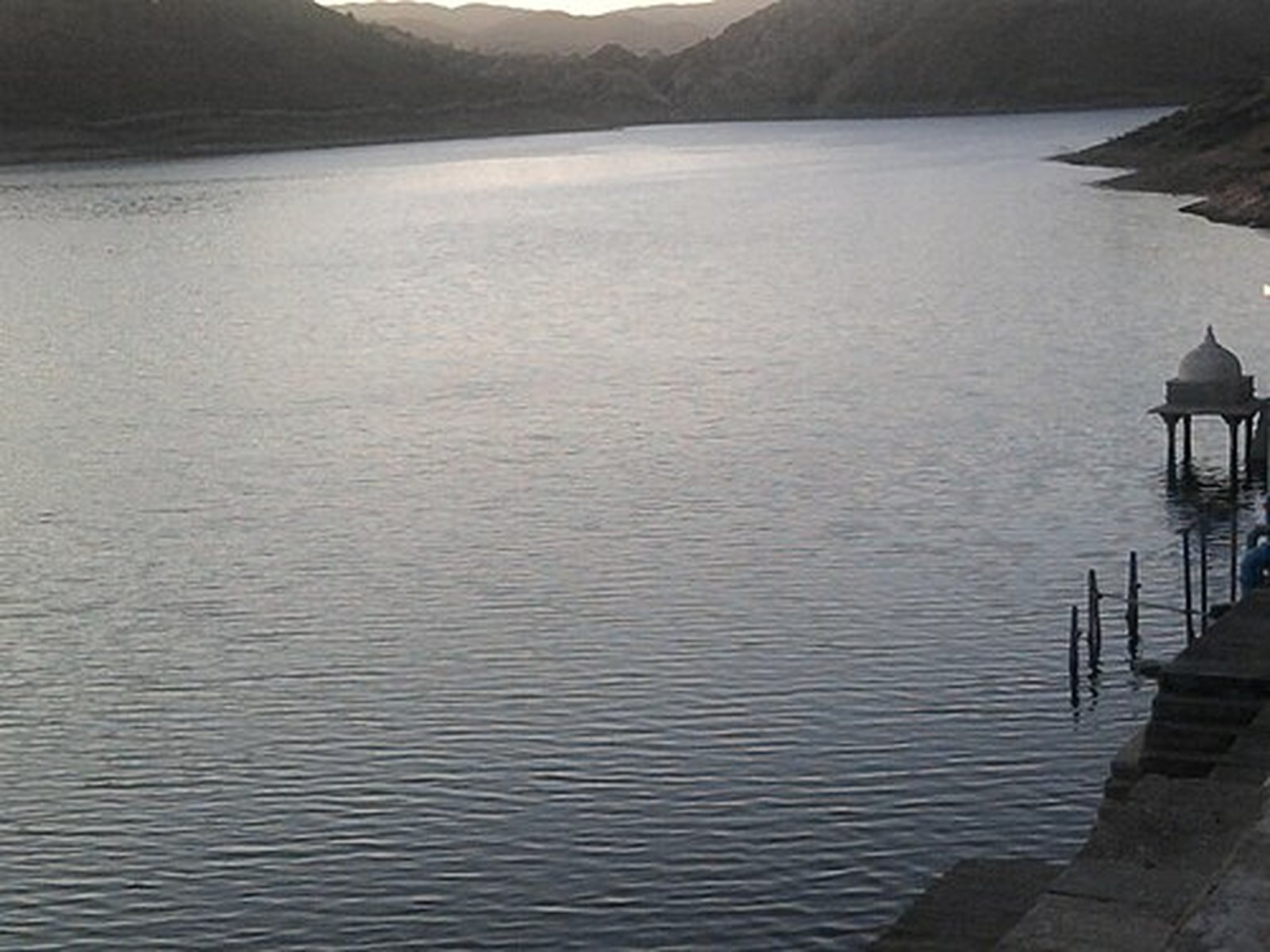
Wake up before dawn at 5:15 AM and drive 12 kilometers north of the city center to Lake Badi. While most travelers stick strictly to Lake Pichola and Fateh Sagar, Badi is a quiet, natural water reservoir framed by dry forest hills. Park near the northern edge and take the 15-minute trail up to Bahubali Hills.
At the summit, a series of rounded cliffs looks down over an expansive panoramic bend of the lake that closely resembles a coastal fjord. Watching the sunrise from this ridge is Udaipur at its most peaceful: cool mountain air, the sound of water far below, and the complete absence of city traffic and commercial vendors.
Midday: Saheliyon Ki Bari and Fateh Sagar Promenade
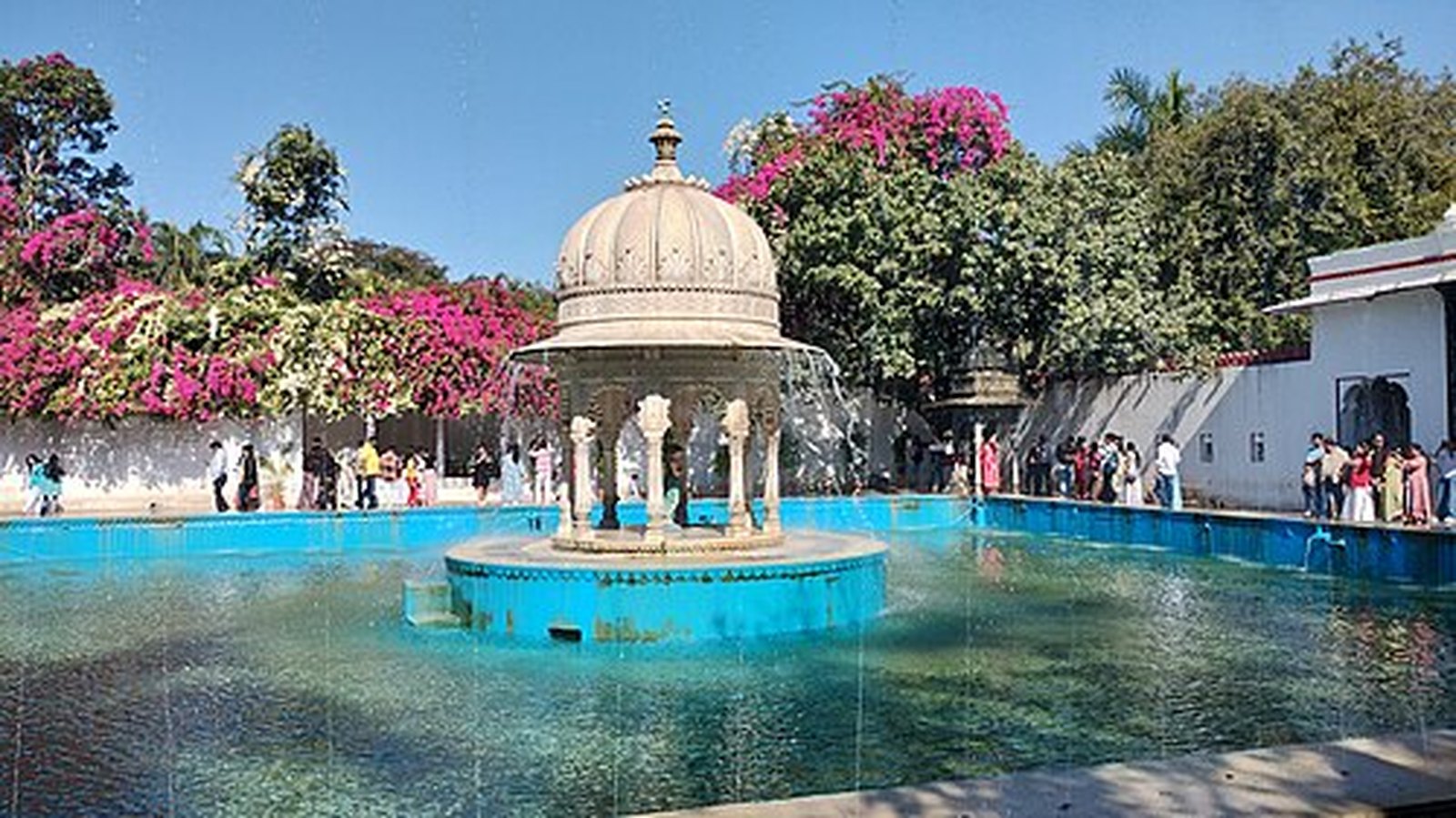
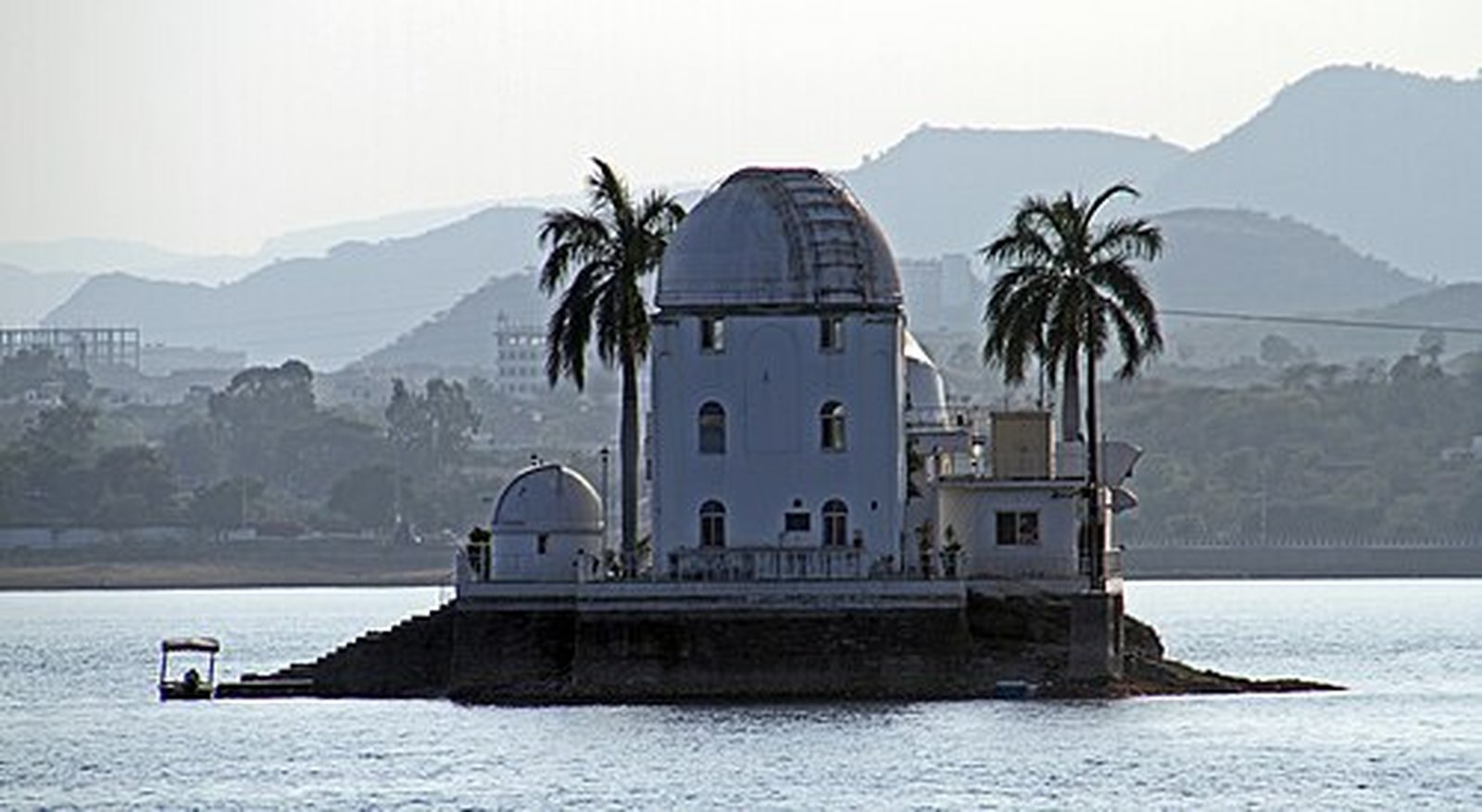
Head back toward the city by 9:30 AM to explore Saheliyon Ki Bari (The Garden of the Maidens). Built between 1710 and 1734 by Maharana Sangram Singh for a royal entourage of 48 maidens, this walled garden is a masterclass in passive, gravity-fed hydraulic engineering. The numerous marble fountains, lotus pools, and sculpted stone elephants operate purely on natural water pressure channeled directly from Fateh Sagar Lake, without any mechanical pumps. Walk along the lush shaded avenues when the water jets are active, creating a refreshing microclimate even on warm afternoons.
Follow this with a relaxing stroll along the stone promenade of Fateh Sagar Lake. Stop by the local street vendors along the lakeside road (Bombay Market) for mid-morning snacks: fresh kulhad coffee, spicy mirchi vadas, and fresh kachoris.
Afternoon into Night: A Quiet Conclusion on the Water
Spend your final afternoon at a leisurely pace. Take an auto-rickshaw up to Karni Mata Temple via the ropeway cable car from Doodh Talai for a wide aerial perspective over both Pichola and the city center.
Wrap up your three-day journey with dinner on an authentic lakeside rooftop on the quiet Hanuman Ghat side. As the nighttime winds set in, the daytime boat engines cut out, and the surface of Lake Pichola settles into black, glassy stillness. Across the dark water, the illuminated arches of the City Palace and the Lake Palace glow in quiet majesty, giving you a proper, unforgettable farewell to Mewar.
