
The Numbers, Species, Elevations, and Environmental Metrics Defining South India’s Plantation Heartland
Behind every cup of Indian filter coffee lies a complex network of geographic, ecological, and economic data. India stands as the seventh-largest coffee producer in the world, with over 70 percent of its total yield harvested from a contiguous belt in the Western Ghats region of Karnataka. While casual drinkers appreciate the rich flavor and aromatic depth of South Indian coffee, the underlying agricultural metrics reveal an extraordinary system of shade-grown farming, rainfall management, and elevation dynamics.
This index breaks down the foundational numbers, botanical facts, climate patterns, and economic figures that shape India’s coffee heartland. Written in clear, layman-friendly terms, it serves as an essential reference guide for understanding the scale and structure of coffee country.
The Big Numbers: Production, Scale, and Global Ranking
India’s coffee industry operates on a massive agricultural scale, yet it remains almost entirely family-owned and smallholder-driven compared to corporate farm structures in other global regions.
- Annual National Production: India produces approximately 350,000 to 360,000 metric tonnes of green coffee beans annually, accounting for roughly 3.5 to 4 percent of global coffee output.
- Karnataka’s Dominance: Karnataka produces over 70 percent of India’s total coffee yield. Within Karnataka, Kodagu (Coorg) produces nearly 35 percent, Chikmagalur generates 25 percent, and Hassan contributes 12 percent.
- Smallholder Landscape: Over 98 percent of India’s 300,000 coffee growers are smallholders operating estates under 10 acres (4 hectares) in size, fostering strong local community networks.
- Global Export Share: Roughly 70 to 75 percent of India’s coffee crop is exported internationally, with major markets in Italy, Germany, Russia, Belgium, and the Middle East.
Botanical Comparison: Arabica Versus Robusta
India is one of the few coffee-producing nations that cultivates substantial quantities of both major commercial coffee species: Coffea arabica (Arabica) and Coffea canephora (Robusta). Each species possesses distinct botanical characteristics, flavor profiles, and growing requirements.
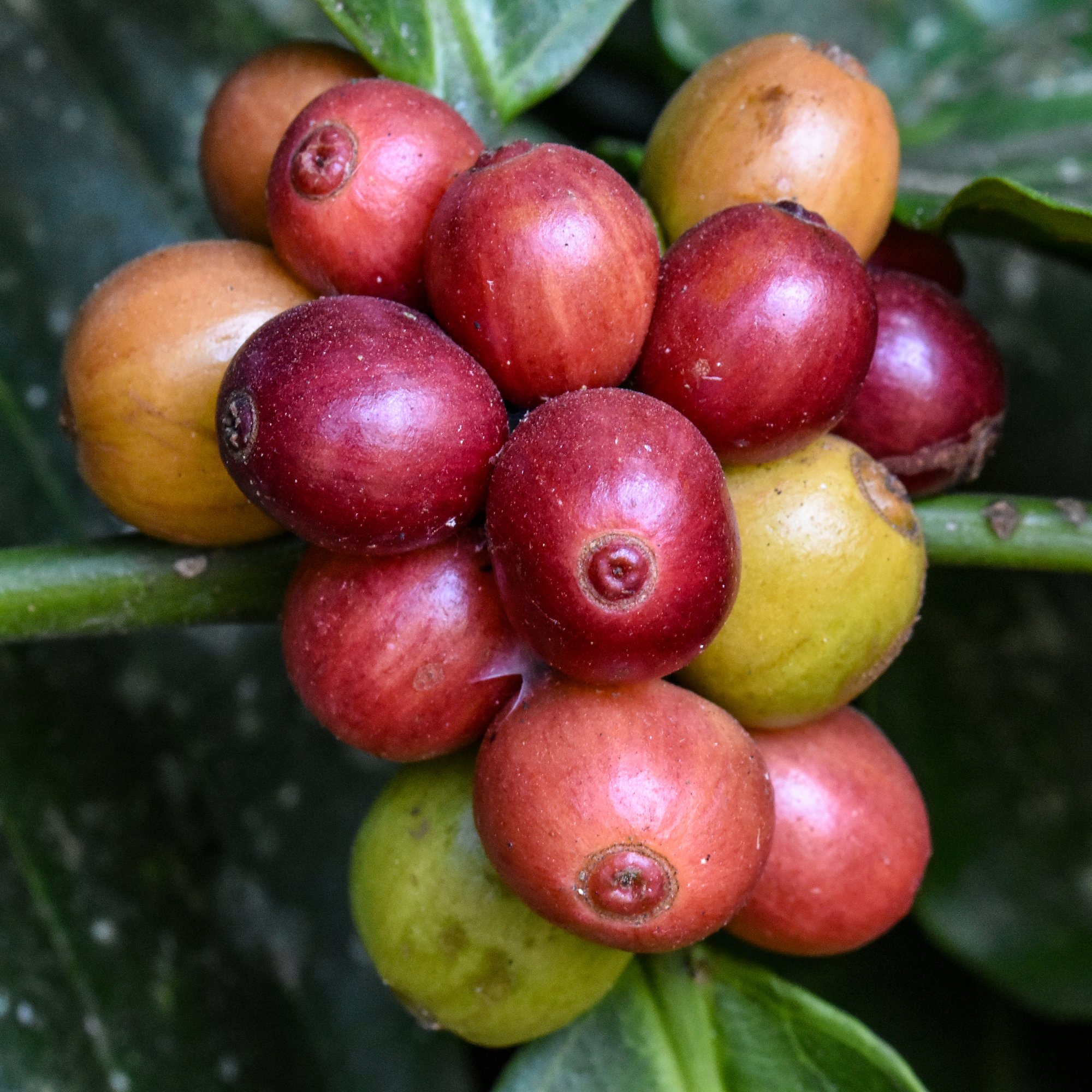
Arabica: The High-Altitude Specialist
Arabica is renowned for its delicate, nuanced flavor profile, featuring floral aromas, subtle acidity, and lower caffeine content. However, it requires precise environmental conditions to thrive.
- Ideal Elevation: 900 to 1,800 meters above sea level.
- Temperature Sensitivity: Demands mild temperatures between 15°C and 24°C; highly sensitive to frost and extreme heat.
- Caffeine Content: Approximately 1.2 to 1.5 percent per bean.
- Disease Vulnerability: High susceptibility to coffee leaf rust (Hemileia vastatrix) and the coffee white stem borer beetle.
Robusta: The Hardy Lowland Giant
Robusta is a resilient, high-yielding species known for its bold body, earthy notes, higher bitterness, and thick crema—making it an essential component in espresso blends and traditional South Indian filter coffee.
- Ideal Elevation: 500 to 1,000 meters above sea level.
- Temperature Resilience: Thrives in warmer climates between 20°C and 30°C.
- Caffeine Content: Approximately 2.2 to 2.7 percent per bean—nearly double that of Arabica, acting as a natural pest deterrent.
- Disease Resistance: Exceptionally resistant to leaf rust and most common insect pests.
Elevation Belts and Geographic Distribution
Elevation plays a decisive role in determining which coffee species thrives in specific mountain pockets across Karnataka.
| Region | Primary Elevation Range | Dominant Coffee Species | Annual Rainfall Average |
|---|---|---|---|
| High Chikmagalur (Baba Budan Giri) | 1,200 – 1,800 meters | Arabica (80%) | 1,800 – 2,500 mm |
| Central Coorg (Madikeri Basin) | 900 – 1,100 meters | Mixed Arabica & Robusta | 2,500 – 3,500 mm |
| South Coorg (Virajpet / Gonikoppal) | 700 – 900 meters | Robusta (85%) | 2,000 – 2,800 mm |
| Hassan (Sakleshpur Belt) | 800 – 1,000 meters | Robusta (75%) | 2,200 – 3,000 mm |
The Rainfall Calendar: Monsoon Dynamics and Blossom Showers
Water availability defines the entire annual lifecycle of a South Indian coffee plantation. The region relies on two distinct rainfall phenomena throughout the year.
The southwest monsoon, arriving in June and lasting through September, delivers the bulk of annual rainfall. While heavy monsoon rains are vital for recharging groundwater and keeping shade trees healthy, excessive rain can cause soil erosion, fungal outbreaks, and premature fruit drop. September represents the crucial transition window when rains abate and berries firm up on the branch.
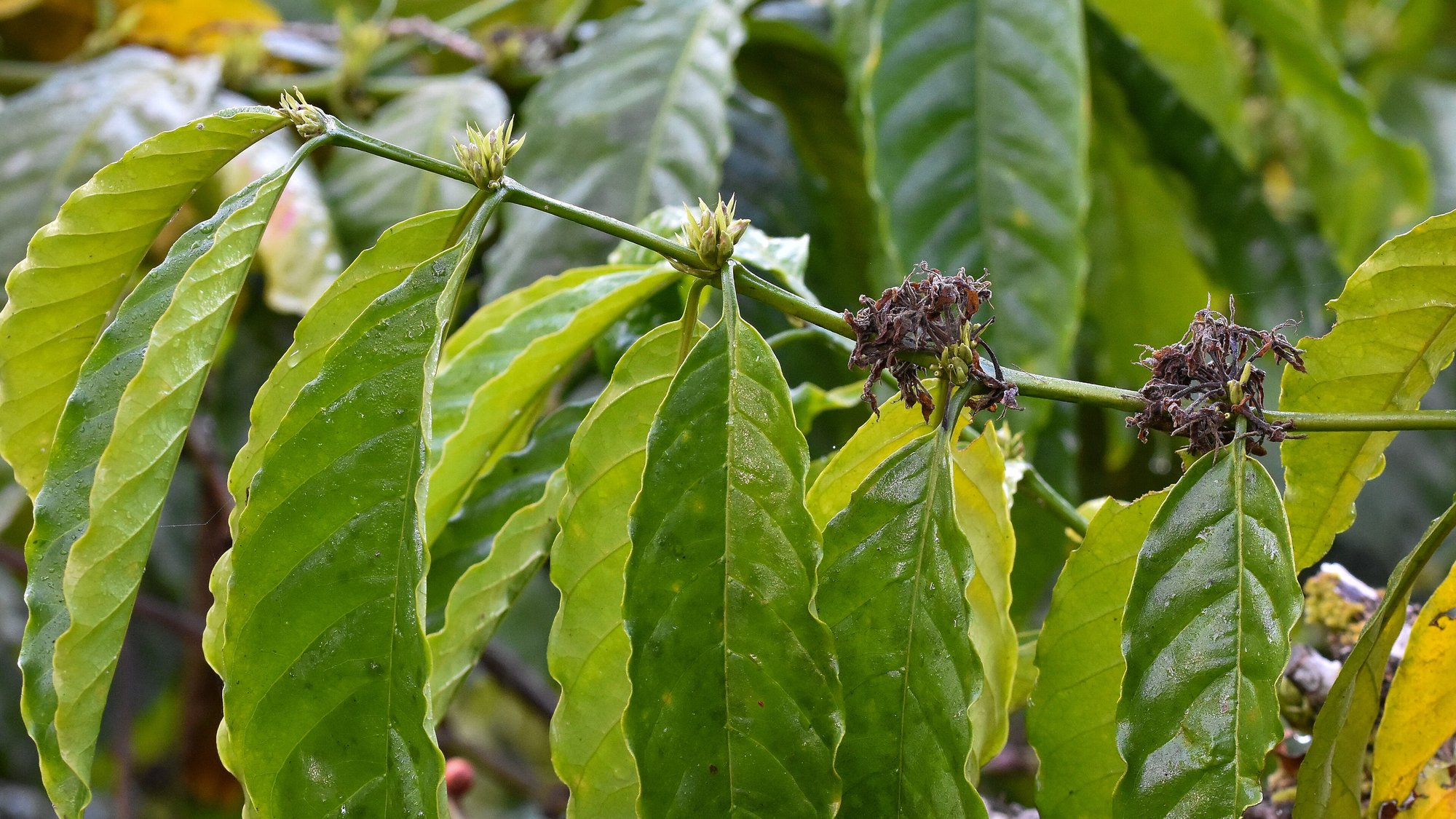
Equally important are the “blossom showers”—crucial rain events that occur between March and April. A single heavy downpour of 20 to 40 millimeters triggers a dramatic botanical transformation: within seven days of the rain, entire plantations burst into snowy white, jasmine-scented blossoms lasting less than 48 hours.
Key rainfall benchmarks for coffee production include:
- Minimum Annual Requirement: 1,500 millimeters for Robusta; 1,800 millimeters for Arabica.
- Optimal Blossom Timing: March to early April; late blossom rains delay fruit setting and reduce total harvest yield.
- Monsoon Balance: Continuous rain exceeding 60 consecutive days without sunshine increases risk of black rot fungal infections.
The Canopy Layer: Key Shade Tree Species
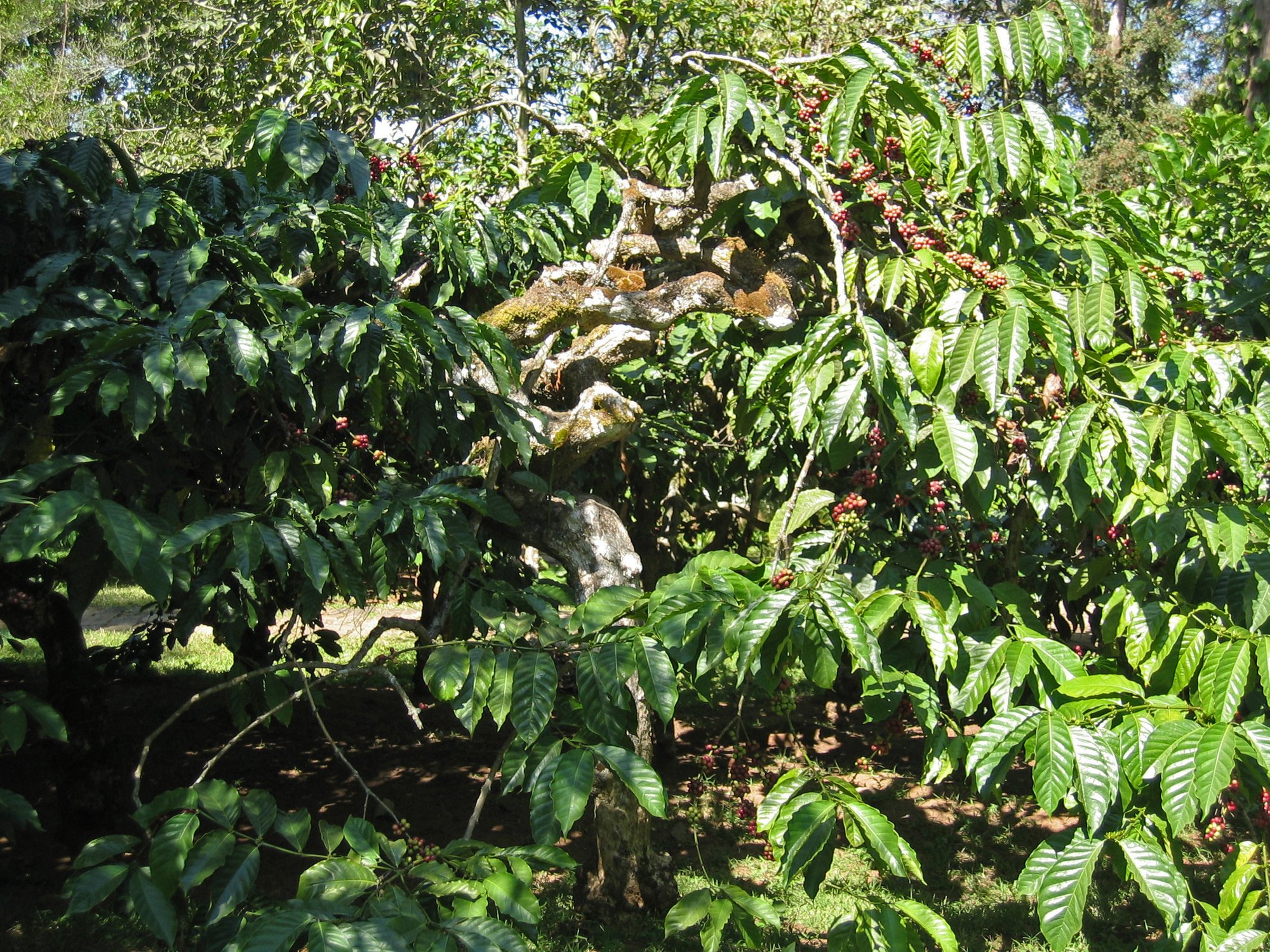
Unlike industrial coffee farms in South America where land is clear-cut for full-sun cultivation, 100 percent of Indian coffee is shade-grown. This traditional method relies on a complex two-tier forest canopy that preserves soil moisture, prevents soil erosion, and provides habitat for migratory wildlife.
The lower shade tier consists of temporary or fast-growing trees like dadap (Erythrina lithosperma), which fix atmospheric nitrogen into the soil. The upper shade tier comprises towering hardwood canopy trees that stand for decades.
Common canopy tree species found in South Indian coffee estates include:
- Silver Oak (*Grevillea robusta*): The most widespread shade tree, prized for its straight trunk, which doubles as a trellis for climbing black pepper vines.
- Rosewood (*Dalbergia latifolia*): A high-value native hardwood that sheds leaves during winter, allowing essential sunlight to reach coffee bushes during fruit ripening.
- Wild Fig (*Ficus species*): Massive canopy trees whose fruits sustain local bird species, fruit bats, and tree-dwelling mammals.
- Jackfruit (*Artocarpus heterophyllus*): Provides dense evergreen shade while yielding massive edible fruits consumed locally and sold in regional markets.
Harvest and Processing Metrics: From Cherry to Bean
The transition from a raw red coffee berry on the bush to a dry green coffee bean ready for export involves a strict reduction in weight and moisture content.
Harvesting takes place between November and March. Workers hand-pick ripe red cherries in multiple passes through estate blocks. Once harvested, coffee cherries undergo one of two primary processing methods:
- Washed (Parchment) Processing: Freshly picked cherries are passed through pulping machines to remove outer skin. The seeds are fermented in water tanks for 12 to 36 hours to break down natural fruit mucilage, then washed and sun-dried on concrete drying yards until moisture drops to 10.5 percent. This method produces clean, acidic coffee.
- Unwashed (Cherry) Processing: Whole cherries are spread directly on drying yards under the sun for 12 to 20 days, turned regularly until the outer fruit dries into a hard shell. The dried husk is later mechanically removed. This method creates full-bodied, earthy coffee.
Processing ratios to remember:
- Weight Conversion: It takes approximately 5 kilograms of ripe red coffee cherries to produce 1 kilogram of dry parchment green coffee beans.
- Moisture Standard: Export-grade green coffee must maintain a precise moisture level between 10 and 11.5 percent to prevent mold during shipping.
- Drying Yard Capacity: A standard 100-acre estate requires at least 5,000 square feet of clean concrete or tiled drying yard space.
The Economic Ripple: Inter-Cropping Value
Coffee estates in South India operate as multi-crop agricultural businesses, ensuring financial resilience against volatile global coffee commodity prices.
By pairing coffee bushes with pepper vines, cardamom plants, and timber trees, estate owners generate secondary revenue streams across different seasons. Black pepper, often called “black gold,” is harvested between January and March and frequently accounts for 25 to 35 percent of an estate’s net annual income.
Understanding these foundational numbers and environmental metrics transforms how one views South India’s coffee highlands. Far from a simple green countryside, coffee country is a sophisticated, highly calibrated agricultural engine working in harmony with the natural rhythms of the Western Ghats.

Mannarasala Ayilyam
Independence Day Road Trips: August 2025 Issue Index

Kashmir: A Paradise on Earth
The Town You Sleep In
Why the base town shapes a monsoon waterfall trip more than any single fall, what to look for, and towns in Karnataka, Kerala and Goa worth considering.
One village ghat upriver
Train versus road that week
Markets before the 20th, not on it
Journeys Worth Discovering
Explore inspiring destinations, memorable journeys and travel stories from across India and beyond.
Explore destinations




