
An Invitation to Slow Down, Observe, and Listen to the Rhythms of the Western Ghats
There is a distinct, unmistakable shift in atmospheric pressure that occurs as one ascends the winding ghat roads leading into Karnataka’s coffee highlands. The stifling heat and dry dust of the Deccan plains gradually give way to cool, moisture-laden mountain air. The surrounding landscape undergoes a dramatic, sweeping transformation: open agricultural fields and sun-baked brush transition into towering, multi-layered forest canopies that drape gracefully across rolling valleys. For decades, urban travelers have sought out these high-altitude districts—primarily Coorg and Chikmagalur—as scenic escapes from the frantic pace of modern city life. Yet, to experience coffee country merely as a photogenic backdrop for a brief weekend getaway is to miss the extraordinary, living ecosystem operating quietly beneath the green canopy.
This September issue of Travel Viewpoint is dedicated entirely to exploring the true, unfiltered essence of Coffee Country. September is a month of quiet, profound transition in the Western Ghats. The heavy monsoon downpours that drench the region from June through August begin to taper off, leaving behind rivers swollen with clear rainwater, roaring waterfalls cascading down granite faces, and valleys drenched in every conceivable shade of green. It is a season when the land breathes, when the earth smells rich, dark, and damp, and when the daily work on a plantation shifts from battling relentless rain to tending the upcoming winter harvest.
Moving Beyond the Conventional Tourist Viewpoint
Travel journalism often defaults to quick listicles and visual highlights—cataloging the highest peaks, the most dramatic roadside viewpoints, and the most Instagrammable cafes. While those popular attractions have their place in regional tourism, this issue invites readers to look closer, tread lightly, and move significantly slower through the landscape.
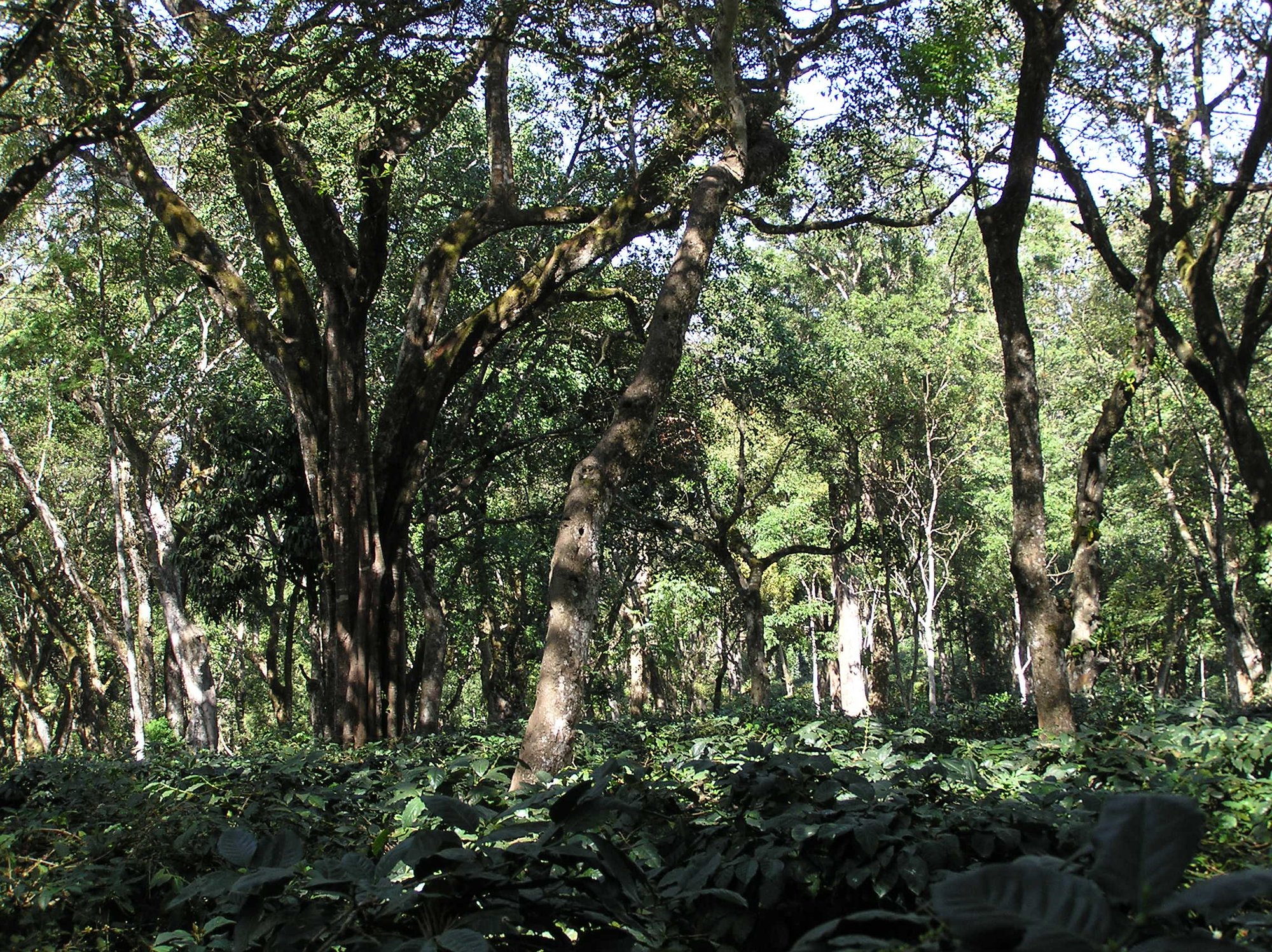
In Coffee Country, the real stories are rarely found at overcrowded hill station overlooks or busy commercial centers. Instead, they unfold quietly along narrow estate mud tracks where pepper vines climb towering silver oak trees, inside heritage plantation kitchens where spice vinegars simmer over slow wood fires, and across concrete drying yards where generations of planter families monitor the shifting cloud patterns overhead. To understand this region is to appreciate its complex, three-part identity that binds nature, culture, and industry together.
The three foundational pillars defining Coffee Country include:
- An Ecological Sanctuary: The coffee plantations of South India are not cleared, open-sun monocultures like those found in South America. They are sophisticated, shade-grown agroforestry systems that function as living extensions of the surrounding rainforest, preserving vital wildlife corridors for Asian elephants, giant squirrels, and endemic bird species.
- A Rich Cultural Mosaic: From the proud warrior heritage and distinct clan customs of the indigenous Kodava people in Coorg to the deep-rooted agricultural traditions of the Malnad region in Chikmagalur, these hills host vibrant communities with centuries-old social structures and traditions.
- A Working Agricultural Engine: Every acre of forest canopy is part of a finely calibrated economic engine where timber management, soil preservation, and multi-crop farming operate in careful harmony with seasonal weather rhythms.
The Philosophy and Art of the Slow Journey
Why dedicate an entire monthly issue to a single agricultural landscape? Because coffee country teaches a fundamental lesson about travel itself: the irreplaceable value of slow, deliberate observation. In a modern world driven by speed, instant communication, and rapid consumption, a coffee plantation operates on a completely different, deeply patient timeframe.
A newly planted coffee bush takes three to five years of constant care before it yields its first viable crop of cherries. A silver oak tree planted to provide shade for delicate Arabica bushes takes decades to reach its full canopy height. The black pepper vines wrapping around tree trunks grow slowly, season by season, requiring patient, skilled hands to tie and tend them after every heavy rainstorm. When travelers slow their physical pace to match the natural rhythms of the estate, their relationship with the landscape transforms entirely.
Consider the sensory and intellectual differences between a rushed tourist trip and a slow, intentional journey:
- In a Rushed Visit: Travelers view the estate as mere greenery passing outside a car window, stopping briefly for photos before driving to the next crowded viewpoint.
- In a Slow Journey: A simple morning walk becomes an immersive lesson in forest ecology as local estate guides point out medicinal herbs, native shade trees, animal tracks along stream borders, and the distinct call of the Malabar whistling thrush.
- In a Rushed Visit: An afternoon rain shower is viewed as a frustrating delay that ruins outdoor sightseeing plans and interrupts travel itineraries.
- In a Slow Journey: An afternoon downpour is understood as a vital natural force that recharges subterranean aquifers, cools the soil, and nourishes growing berries as they approach harvest.
Core Principles for Exploring the Highlands
To help readers navigate this unique landscape with curiosity, respect, and intellectual depth, our editorial team has outlined four core principles for exploring Coffee Country:
1. Embrace Unhurried Time: Disconnect from strict tourist schedules to spend unstructured hours listening to rain fall against terracotta roof tiles, watching mist roll across valley floors, or reading quietly on an open veranda.
2. Engage Deeply with Local Heritage: Seek out regional history, taste heirloom culinary specialties prepared with fresh local forest produce, and respect indigenous customs that have sustained these mountain communities for generations.
3. Recognize the Human Labor: Understand that every cup of coffee represents months of demanding physical labor—from dangerous canopy pruning and contour trench digging to meticulous hand-picking and sun-drying.
4. Support Mindful Hospitality: Choose authentic estate homestays and eco-conscious lodges that actively preserve the natural environment, compensate workers fairly, and contribute positively to the local rural economy.
What Lies Ahead in This Issue
Throughout the pages of this issue, Travel Viewpoint takes readers on a comprehensive, twelve-part exploration of South India’s plantation heartland. The articles compiled here offer a carefully balanced mix of cultural history, environmental analysis, practical travel wisdom, and evocative narrative journalism.
Readers will explore the contrasting geography and cultures of Coorg and Chikmagalur, analyze the precise agricultural data that drives India’s coffee exports, and step behind the scenes to see what a working estate looks like during the critical September maintenance window. Other feature articles guide readers off the beaten path—exploring the dramatic peaks of Chikmagalur beyond popular selfie points, mapping peaceful walking routes between neighboring estates, and discovering the quiet art of doing very little on a rain-soaked afternoon.
Additional pieces offer intimate portraits of daily life, from spending a morning alongside skilled coffee pickers to navigating seasonal realities like mountain permits, leeches, and homestay etiquette. The issue also includes honest travel advice on which congested commercial towns are best bypassed in favor of pristine rural valleys, concluding with a reflection on how a single photograph of a sun-lit drying yard captures the essence of life in the hills.
The Lasting Impression of the Western Ghats
Beyond the individual stories and travel recommendations, this issue aims to convey the quiet dignity of a region that has balanced human ambition with ecological preservation. The coffee estates of Karnataka prove that agriculture does not have to mean environmental destruction. By cultivating coffee beneath a protective canopy of native trees, generations of planters have preserved a biological sanctuary that continues to shelter wildlife while sustaining human livelihoods.
When visitors leave the highlands and return to the noise of urban life, it is rarely the famous tourist landmarks that remain in their memory. Instead, it is the subtle, sensory details: the cool touch of damp air on an early morning walk, the aroma of roasting cardamom drifting from an estate kitchen, the deep silence of a rain-soaked valley at dusk, and the warm hospitality of families who call these hills home.
A Landscape That Lingers in Memory
Ultimately, Coffee Country is far more than a geographic region on a map; it is an invitation to engage all five senses in a deeper conversation with nature. It is found in the rich, earthy fragrance of wet soil after a September shower, the cool touch of morning mist on an open veranda, the comforting warmth of a freshly brewed cup of dark roasted coffee, and the quiet dignity of an ancient forest that has been thoughtfully stewarded across generations.
As readers turn the pages of this September issue, our goal is not merely to inspire a future vacation, but to encourage a more thoughtful, observant way of interacting with the natural world. Whether reading from a bustling city office or while sitting on an estate porch in the Western Ghats, may these articles serve as a gentle reminder of the quiet wonder that unfolds when one takes the time to stop, listen, and look closely at the land.
Welcome to the September 2026 issue of Travel Viewpoint. Welcome to Coffee Country.

Surajkund Fair

A Three-Day Journey Through the Heart of Mewar

Pokhara
The Town You Sleep In
Why the base town shapes a monsoon waterfall trip more than any single fall, what to look for, and towns in Karnataka, Kerala and Goa worth considering.
One village ghat upriver
Train versus road that week
Markets before the 20th, not on it
Journeys Worth Discovering
Explore inspiring destinations, memorable journeys and travel stories from across India and beyond.
Explore destinations




