
Mapping a Five-Kilometer Journey Along Quiet Plantation Tracks, Stream Crossings, and Forest Boundaries
There is no better or more intimate way to understand a coffee plantation than on foot. While driving along asphalt district roads offers a passing glance at the passing green scenery, walking along unpaved estate dirt tracks immerses the traveler directly into the sounds, scents, and subtle microclimatic textures of the land. In Coorg, where private coffee properties seamlessly border native reserve forests and flowing mountain streams, a simple five-kilometer walk between neighboring family estates becomes an unhurried, engaging masterclass in regional geography, forest ecology, and rural plantation life.
This article maps out a classic morning walking route in Central Coorg, winding from a traditional Kodava family homestead down into a stream-fed valley floor and back up through a neighboring shade-grown Robusta plantation. Written for travelers who appreciate slow, observant exploration, this journey captures the quiet magic of coffee country in early September.
The Departure Point: Morning on the Upper Estate Track
The walk begins at seven o’clock in the morning from the hand-carved stone gates of a traditional upper estate near Madikeri. At this early hour, soft autumn mist still clings to the upper foliage of towering silver oak trees, and the morning air carries a crisp, refreshing mountain chill. The track underfoot consists of packed reddish-brown clay mixed with fine gravel, lined neatly on both sides by pruned coffee bushes heavy with green cherries.
Walking slowly along the upper track, the first striking observation is the sheer density and diversity of bird life within the multi-tiered forest canopy. Unlike silent, industrial monoculture farms, a shade-grown coffee estate is filled with rich morning sound.
Common avian species encountered during an early morning estate walk include:
- The Malabar Whistling Thrush: Famous for its melodious, human-like whistling calls echoing through dark forest ravines and stream valleys at dawn.
- The Greater Racket-Tailed Drongo: Easily identified by its distinct wire-like tail feathers and remarkable ability to mimic the calls of other forest birds.
- Asian Fairy-Bluebirds: Striking cobalt-blue birds flitting dynamically between upper canopy branches in search of wild figs and flower nectar.
- Vernal Hanging Parrots: Small, bright green parrots clinging upside down to tree branches while feeding on ripe forest fruits and berries.
Descending to the Valley Floor: Pepper Vines and Stream Crossings
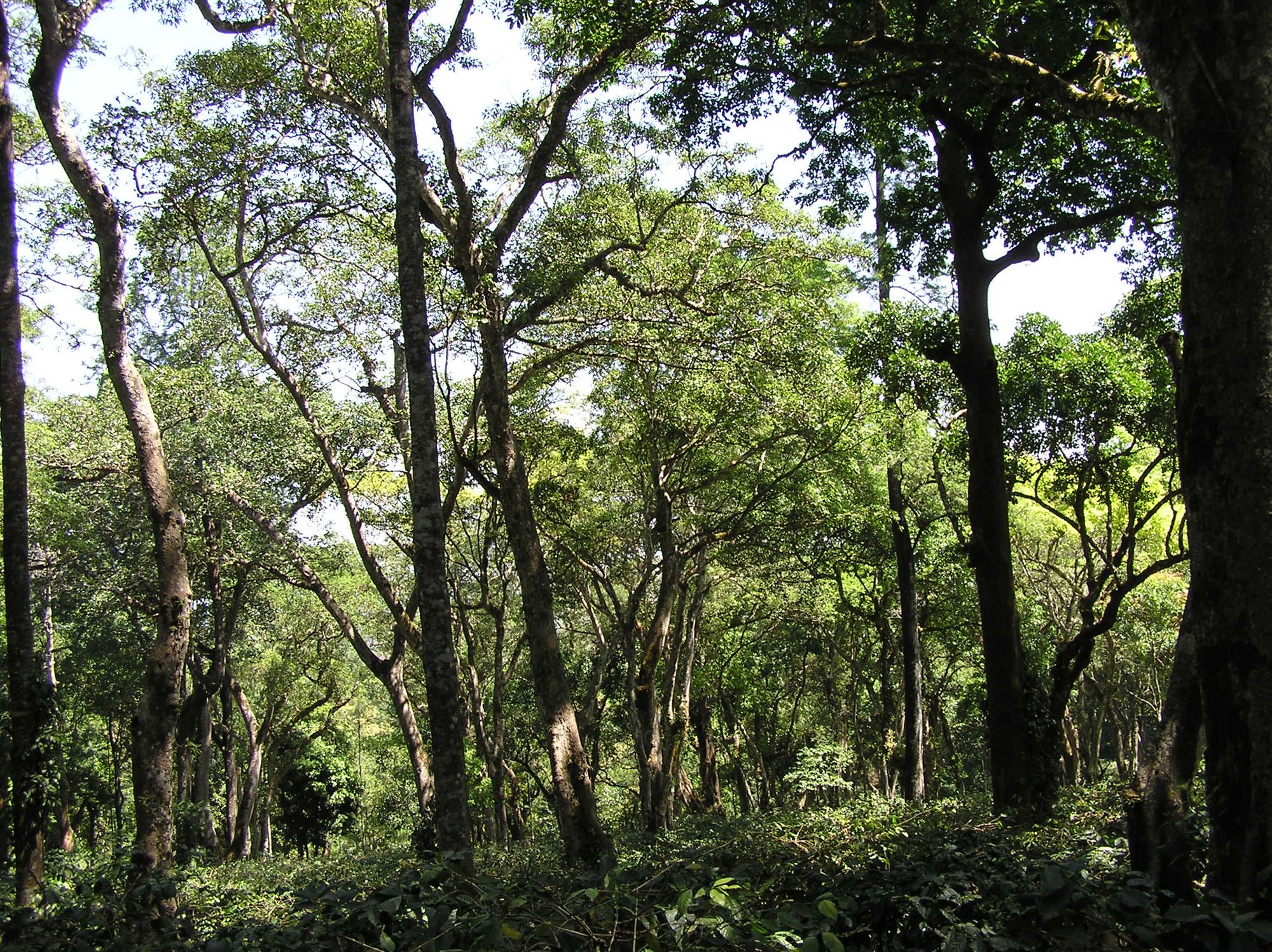
As the dirt track gently slopes downward toward the valley floor, the character of the surrounding vegetation shifts noticeably. The air becomes distinctly cooler and more humid, heavy with the rich scent of wet earth, moss, and decaying leaf litter. Here, where groundwater pools near the surface, the shade canopy grows significantly denser, dominated by massive wild jackfruit trees, rosewood, and sprawling ficus varieties.
Climbing up the straight trunks of these canopy trees are thick black pepper vines. In September, after months of heavy monsoon rains, these vines are lush and vibrant green, displaying long, delicate flower spikes that will gradually mature into peppercorns by mid-winter.
At the lowest point of the walk—roughly two kilometers from the starting point—the track meets a clear mountain stream flowing over smooth, moss-covered granite boulders. These mountain streams, known locally as hallas, form the primary water veins feeding the sacred Kaveri River basin downstream.
Key natural features observed along the valley stream crossing include:
- Natural Stone Culverts: Rustic stone bridges built by early planter generations to allow foot traffic and tractor trailers to cross estate streams during monsoon floods.
- Freshwater Crab Habitats: Small mountain crabs hiding beneath submerged rocks, serving as vital biological indicators of clean, unpolluted water.
- Riparian Vegetation: Dense thickets of wild ginger, native fern species, and bamboo growing along stream banks, anchoring topsoil against river erosion.
- Fresh Animal Footprints: Muddy stream banks frequently reveal footprints of night-visiting wildlife, including wild boar, bark deer, and occasional leopard tracks.
Crossing the Boundary: Estate Fences and Forest Corridors
After crossing the stone stream culvert, the walking track climbs gradually toward the boundary line separating two neighboring family estates. In Coorg, estate boundaries are rarely marked by unsightly concrete walls or high chain-link security fences. Instead, properties are delineated by traditional natural barriers—a deep boundary ditch known as a halu, a dense row of living bamboo hedges, or a line of ancient field stones overgrown with wild moss.
These porous, natural boundaries allow local wildlife to move freely between private coffee properties and adjacent reserve forests. It is common to see small herds of bonnet macaques leaping through upper canopy branches or spotted deer grazing peacefully along quiet estate borders.
Essential etiquette guidelines for walking between private coffee estates include:
1. Remain on Main Access Tracks: Stick strictly to established estate dirt roads and avoid stepping onto private crop beds where fragile coffee bushes grow.
2. Greet Estate Workers Courteously: A friendly nod or traditional greeting (Namaskara) to field workers fosters mutual respect and local goodwill.
3. Keep Dogs on Leashes: Estate dogs are naturally protective of property boundaries; keeping pet dogs leashed prevents aggressive encounters.
4. Never Pick Crops or Flowers: Refrain from picking growing coffee cherries, pepper spikes, or wild orchids along the path.
Navigating Seasonal Flora and Forest Microclimates
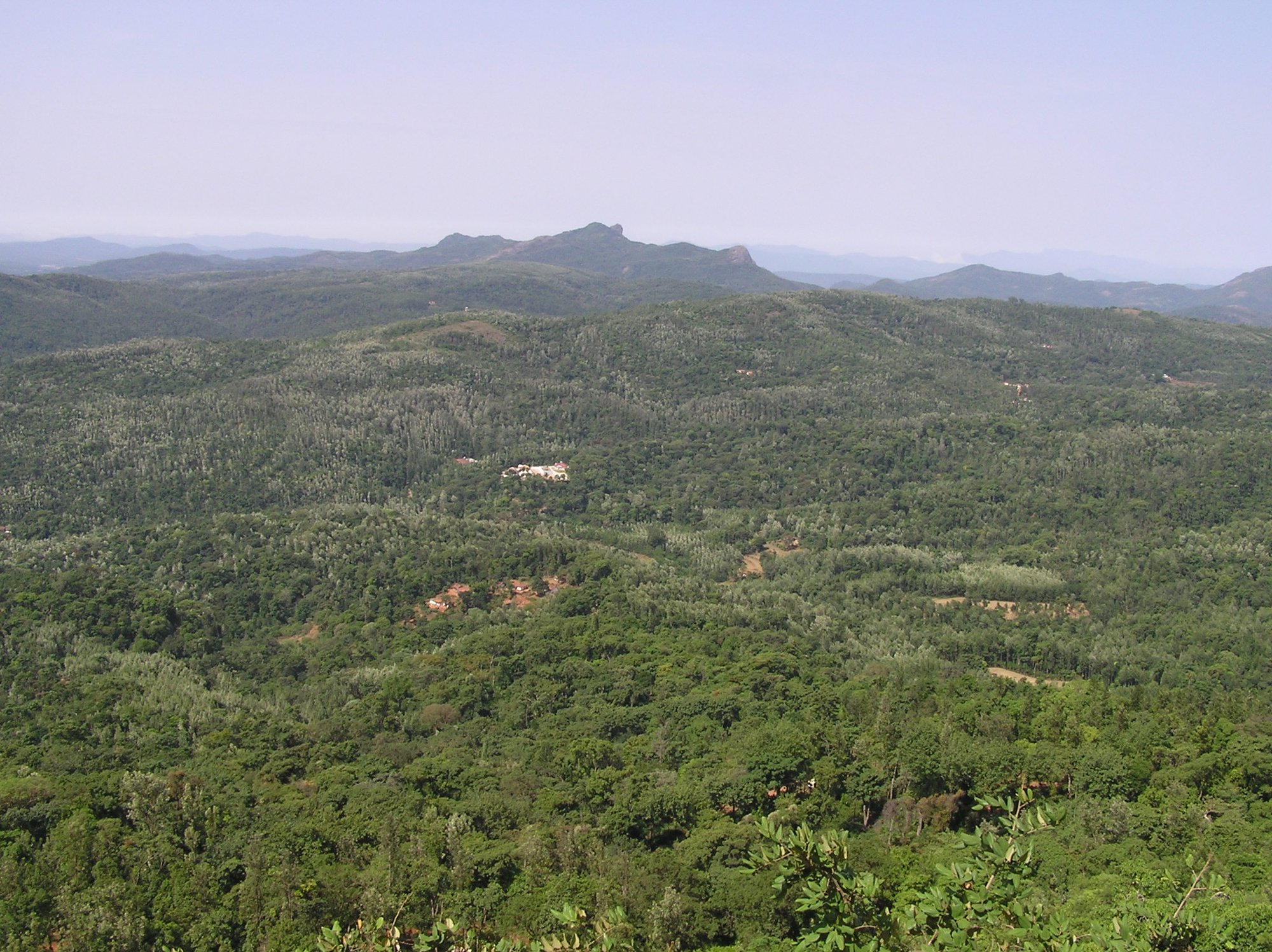
A defining joy of foot travel through coffee country is observing how microclimates change over short distances. Within a single five-kilometer walk, elevation changes, canopy density, and slope orientation create distinct environmental zones.
In higher, sunnier sections, ground cover is dominated by flowering shrubs and native grasses that attract colorful butterflies like the Malabar Banded Peacock and the Southern Birdwing—India’s largest butterfly species. In shaded valley depressions, the ground is carpeted with delicate maidenhair ferns, wild begonias, and luminous mosses that thrive in constant moisture.
Planters often utilize these distinct microclimates to cultivate specialized understorey crops. In damp, shaded hollows near stream banks, small patches of cardamom flourish alongside wild ginger. On drier, elevated ridges, citrus trees such as Coorg mandarins are planted among coffee bushes, adding bright orange fruit clusters to the green canopy during late autumn.
The Upland Section: Robusta Blocks and Sun-Dappled Glades
Ascending the opposite slope, the walk enters a section dominated by Robusta coffee plants. Compared to the smaller, delicate Arabica bushes seen earlier on higher slopes, Robusta coffee bushes are noticeably larger, featuring broad, thick green leaves and sturdy branches capable of bearing heavy fruit clusters.
By nine o’clock, morning sun breaks through the thinning mist, casting golden rays through overhead silver oak leaves and creating a beautiful dappled light pattern across the red clay path. The air warms quickly, bringing out the rich spicy scent of damp soil, drying leaves, and wild flora.
Along this upland section, visitors frequently pass local workers performing morning field tasks. In September, small crews can be seen clearing drainage channels, tying loose pepper vines, or checking young coffee saplings planted during the early monsoon months.
Practical Considerations for the Trail Walker
While walking through coffee estates is immensely rewarding, proper preparation ensures a comfortable and safe journey. Early autumn tracks can remain damp and muddy following evening showers, requiring footwear with good traction.
Key trail preparation tips for estate walks in September include:
- Footwear Selection: Waterproof hiking shoes or sturdy boots with deep treads provide essential grip on slick clay paths and muddy stream crossings.
- Leech Protection: Wearing knee-length canvas gaiters or applying neem oil around ankles detaches Leeches without interrupting the walk.
- Hydration and Snacks: Carrying a reusable water bottle ensures hydration, as estate tracks rarely feature commercial shops or refreshment stalls.
- Orientation Awareness: Estate tracks can branch into confusing networks; asking local workers for direction to main village roads ensures easy navigation.
Returning to a Heritage Kodava Homestead
The five-kilometer circuit concludes as the track connects back to an asphalt village road lined with flowering hibiscus hedges, wild poinsettia, and red-tiled Kodava homes. The final half-kilometer walk along this quiet rural road leads back toward the starting point, offering sweeping views of distant green hills framed by morning sky.
Completing an estate walk leaves the traveler with a grounded, physical connection to the landscape that no vehicle tour can replicate. The slight ache in the legs, the red clay dust on walking boots, and the memory of cold stream water create an authentic, lasting impression of coffee country.
The Lasting Value of Slow Foot Travel
Walking between estates transforms a travel experience from passive sightseeing into an active, sensory engagement with nature. It allows travelers to notice subtle environmental details that are impossible to spot from a moving vehicle: the sudden drop in air temperature as one enters a stream valley, the intricate root structures anchoring coffee bushes to steep slopes, and the friendly greetings exchanged with local planters going about their morning work.
In a region defined by its dense forest canopy and rich agricultural traditions, taking a five-kilometer walk along quiet plantation tracks is the ultimate expression of slow travel—a simple, deeply rewarding journey that reveals the true, pulsating heart of Coorg, one step at a time.

Wildlife of Kerala
Mysuru in 72 Hours, Palaces Last

Exploring the Sights of Rishikesh
The Town You Sleep In
Why the base town shapes a monsoon waterfall trip more than any single fall, what to look for, and towns in Karnataka, Kerala and Goa worth considering.
One village ghat upriver
Train versus road that week
Markets before the 20th, not on it
Journeys Worth Discovering
Explore inspiring destinations, memorable journeys and travel stories from across India and beyond.
Explore destinations




