
Atmospheric Transitions, Soil Hydrology, and Biological Transformations Shaping Post-Monsoon Highlands
To understand coffee country in South India, one must understand its complicated relationship with water. In the Western Ghats of Karnataka, rain is not merely a weather condition; it is the dominant ecological force that dictates regional geography, agricultural lifecycles, and human routines. From June through August, the southwest monsoon hits Coorg and Chikmagalur with force, dropping between 2,500 and 4,000 millimeters of rain onto mountain slopes. Rivers swell past their banks, unpaved estate tracks dissolve into thick red mud, and the landscape is enveloped in a continuous, heavy grey downpour.
By September, however, something remarkable happens to the weather. The heavy, dark rain clouds begin to break apart. The monsoon transforms into a gentler, more dynamic atmospheric pattern. The relentless deluge gives way to alternating bursts of bright, washed-blue sunshine, drifting mountain mist, and sudden, localized afternoon showers.
For travelers visiting Karnataka’s coffee highlands during this transitional month, understanding what September rain does—to the soil, the coffee bushes, the rivers, and the daily pace of plantation life—unlocks a much deeper appreciation for the land. Far from being a travel nuisance, September rain is the essential catalyst that prepares the landscape for the upcoming winter harvest.
The Chemical and Physical Transformation of Plantation Soil
The most immediate impact of September rain occurs out of sight, beneath the thick layer of decaying leaves on the forest floor. Soil in the Western Ghats is predominantly tropical red laterite—rich in iron and aluminum oxides, but naturally prone to compaction and acidity under extreme weather conditions.
During the heavy monsoon months of July and August, torrential rain pounds the earth, leaching out essential soil nutrients and washing loose topsoil down steep hillsides. By September, as downpours become lighter and more intermittent, the soil enters a critical recovery phase. The gentler rains allow moisture to soak slowly into the earth rather than washing over the surface as erosive runoff.
This hydrological stabilization produces several vital agricultural benefits across the estate:
- Nutrient Stabilization: As surface runoff slows, organic compounds and leaf litter remain in place around root zones, nourishing coffee bushes.
- Aquifer Recharge: Sustained September rains percolate into subterranean rock fractures, replenishing mountain springs and groundwater wells that sustain plantations through dry months.
- Soil Aeration: Brief periods of warm sunshine between rain showers allow compressed earth to dry slightly, creating microscopic air pockets that enable plant roots to breathe and absorb oxygen.
- Microbial Activation: Warm, moist soil conditions encourage beneficial earthworms and fungal networks to break down leaf litter into rich, dark humus.
For estate managers, September rain provides the perfect environmental window to apply organic fertilizers, wood ash, and compost around the base of coffee shrubs. Because the rain falls in manageable showers rather than destructive downpours, these added nutrients penetrate directly into the root zone without being washed away into nearby streams.
The Botanical Lifeline: Berry Expansion and Leaf Rust Management
If one walks through a coffee plantation in late August, the green coffee berries—known as cherries—are small, hard, and tightly clustered along plant branches. They have survived weeks of heavy rain, but they require a specific combination of moisture and sunlight to develop into healthy, plump fruit.
September rain acts as the ultimate natural catalyst for berry expansion. The combination of warm, rain-softened soil and intermittent sun exposure causes growing cherries to absorb water rapidly, swelling in size and developing the dense internal sugar structure that will eventually define the coffee’s final flavor profile.
However, this transition month also presents serious botanical challenges that demand constant vigilance from estate supervisors:
- The Threat of Coffee Leaf Rust: The warm, highly humid conditions created by September rain and sun create an ideal breeding ground for Hemileia vastatrix, a destructive fungal disease that attacks coffee leaves, turning them yellow and causing premature leaf drop.
- Fungal Rot Control: Excessive humidity around tightly packed berry clusters can lead to fruit rot, requiring estate workers to carefully thin out surrounding leaves to improve air circulation.
- Shoot Growth Balance: While September rain encourages healthy new leaf shoots, excessive vegetative growth can divert vital nutrients away from developing berries, requiring selective manual pruning.
- Weed Competition: Warm rains cause wild grasses, ferns, and aggressive weeds to explode across estate floors, competing directly with coffee bushes for soil nitrogen and moisture.
Planters watch the September sky with hope. A balanced September—featuring morning sunshine followed by brief afternoon showers—guarantees a healthy crop. Conversely, an over-saturated September can damage fragile berries and spread leaf diseases across valleys.
Stream Dynamics and the Hydrology of the Kaveri Basin
Beyond individual coffee estates, September rain dictates the water flow of the Western Ghats river network. Coorg is the sacred birthplace of the Kaveri River, one of South India’s most crucial water systems, while Chikmagalur feeds major tributaries like the Tunga, Bhadra, and Hemavathi rivers.
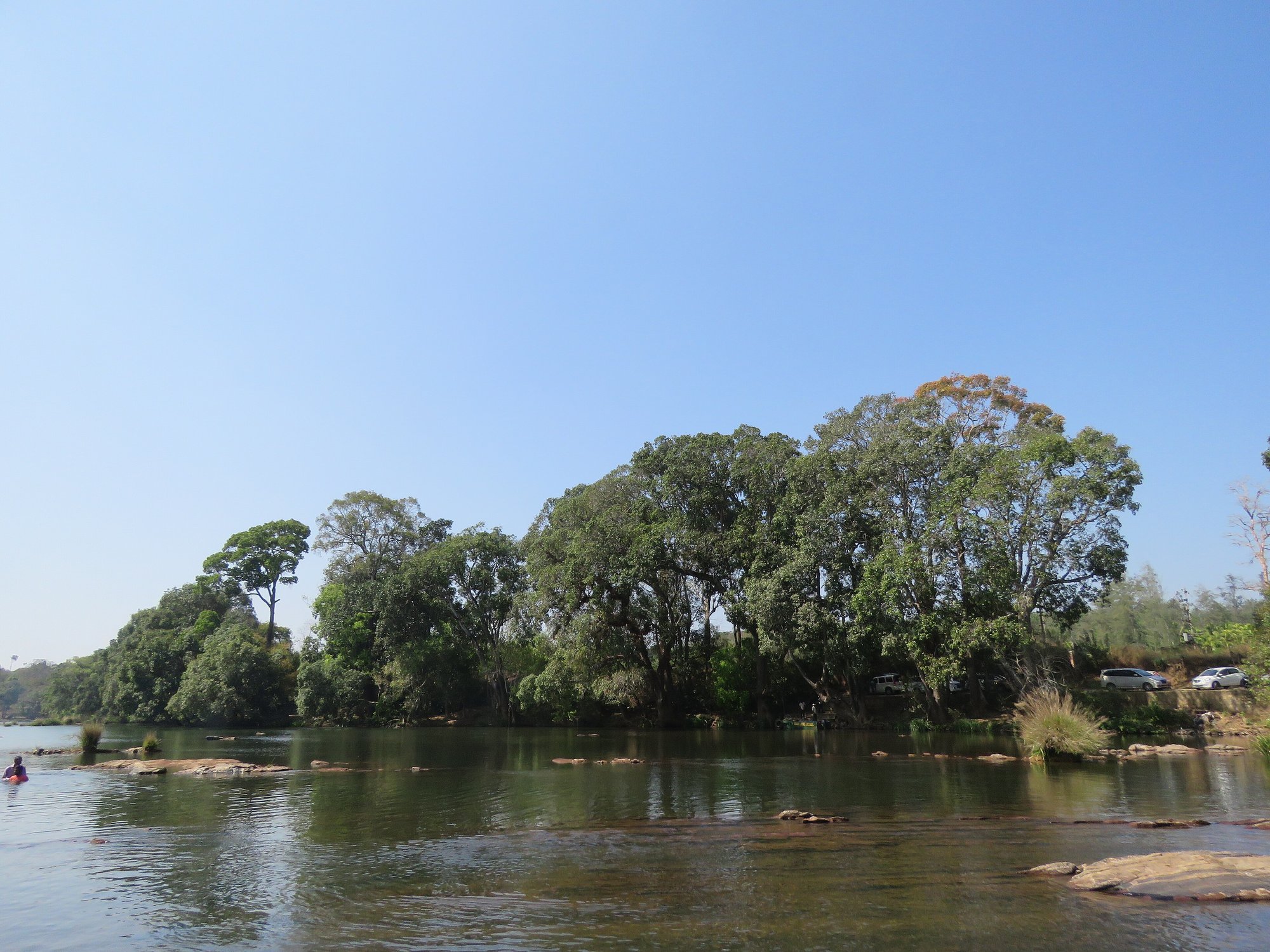
During the peak monsoon months, these rivers rage as violent, muddy torrents capable of tearing down bridges and washing away riverbanks. By September, as rainwater filters through millions of acres of shade-grown coffee forest, the river dynamics undergo a beautiful stabilization.
The forest floor acts as a natural water filtration unit. Tree roots, coffee bushes, and catch-trenches capture falling rain, slowing its journey down mountain slopes and filtering out mud and debris.
Key hydrological features of September rain across regional river basins include:
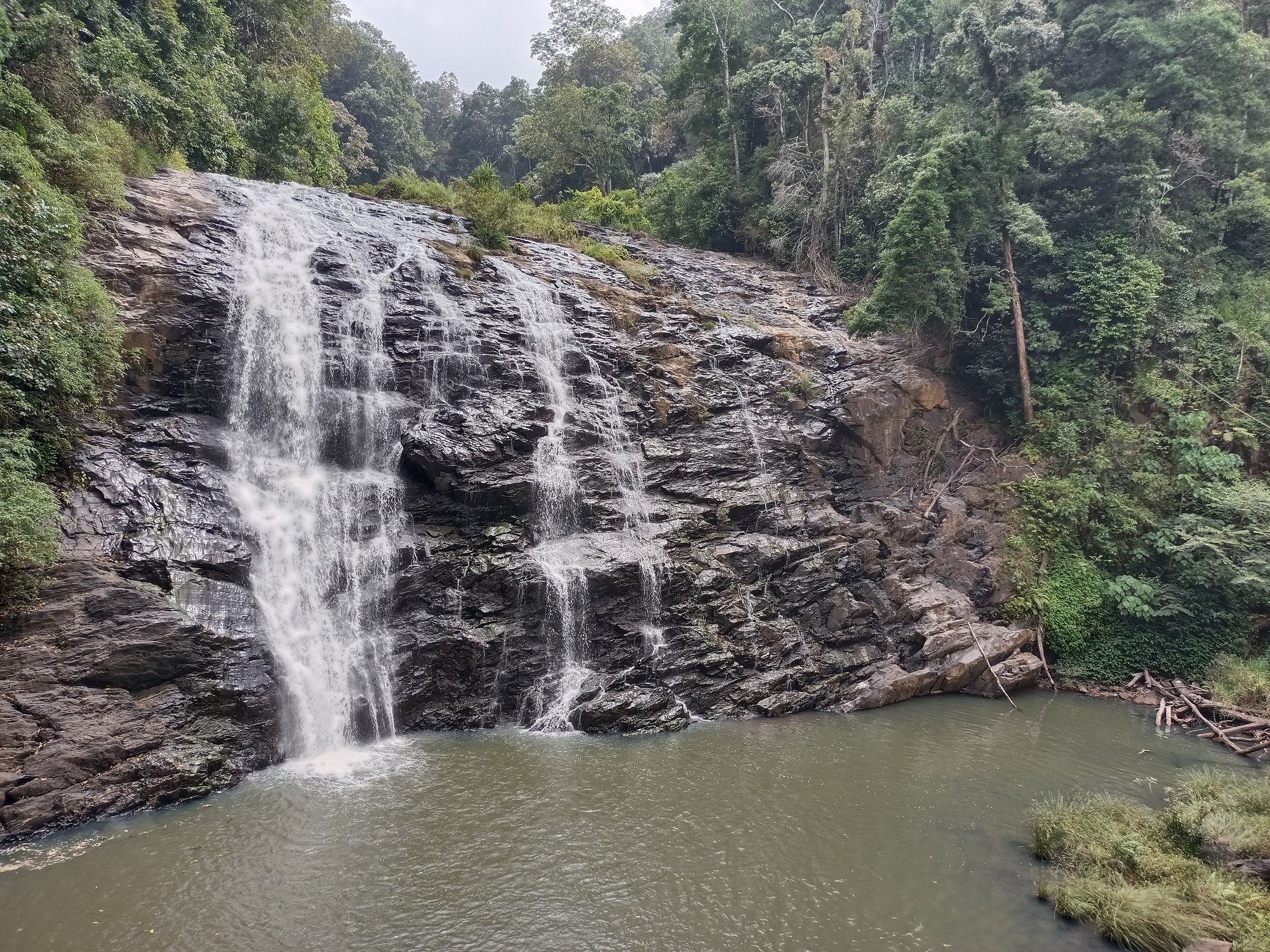
- Water Transparency: River water shifts from thick monsoon brown to a clear, emerald-green hue as soil erosion subsides and natural forest filtration takes over.
- Waterfall Stability: Famous regional waterfalls—such as Abbey Falls and Iruppu Falls in Coorg, and Hebbe Falls in Chikmagalur—reach their most photogenic state, carrying heavy water volumes without chaotic monsoon flooding.
- Downstream Water Distribution: Steady mountain runoff flows smoothly into major reservoirs, securing essential irrigation water for millions of farmers in the lowland plains of Karnataka and Tamil Nadu.
- Freshwater Aquatic Life: Stable water temperatures and oxygen-rich currents create ideal breeding conditions for native freshwater fish species, including the famous humpbacked mahseer.
The Visual and Atmospheric Aesthetic of the Highlands
For travelers, September rain creates an ethereal visual atmosphere that no other season can match. The highland air reaches exceptional optical clarity after months of monsoon grey.
When a sudden September rain shower passes over a mountain ridge, it leaves behind a brilliant, sun-lit world where every leaf, stone, and grass blade shines with moisture. Thick white mist rolls gently out of forest ravines, rising slowly into cloudless blue skies like smoke from hidden fires.
The atmospheric contrasts that define September rain in coffee country include:
- The Changing Scent of the Land: The heavy, stagnant smell of soaked earth transforms into a crisp, invigorating scent dominated by wild jasmine, wet silver oak bark, and crushed cardamom leaves.
- The Interplay of Light and Shadow: Dramatic sunbeams—known as crepuscular rays—pierce thinned cloud cover, illuminating isolated patches of emerald green valley while adjacent hills remain shrouded in soft shadow.
- The Soundscape of Water: The roar of heavy monsoon downpours softens into a complex, relaxing musical tapestry: water dripping rhythmically from broad jackfruit leaves, mountain rivulets gurgling over granite pebbles, and frogs calling softly from estate ponds at dusk.
- The Temperature Balance: Daytime temperatures hover comfortably around 20°C to 24°C, making September one of the most pleasant seasons for long, unhurried outdoor walks.
Human Routines: Adapting to the Post-Monsoon Window
On a working plantation, human routines shift dynamically in response to September rain. After months of being confined indoors or working in heavy rubber raincoats under pouring skies, estate workers and planter families welcome the changing weather with renewed energy.
Morning hours are dedicated to outdoor field tasks requiring dry ground—such as clearing roads and repairing stone walls. When rain clouds gather over mountain crests, work moves smoothly toward covered verandas and processing yards.
Living in harmony with September rain requires flexibility and a deep acceptance of nature’s schedule. A planned afternoon walk or field survey may be paused for an hour as a sudden rain shower sweeps across the estate. Instead of causing frustration, these brief weather pauses encourage a relaxed, unhurried rhythm of life—inviting people to sit on open porches, sip hot cardamom tea, and watch rain fall against ancient terracotta roof tiles.
The Essential Legacy of September Rain
Ultimately, September rain is the true architect of the post-monsoon coffee landscape. It bridges the gap between the wild, destructive power of the summer monsoon and the quiet, productive calm of the winter harvest season.
Without September’s gentle showers and alternating sunshine, the soil would remain waterlogged, coffee cherries would fail to swell and sweeten, and the delicate balance of the shade-grown forest ecosystem would crumble. For travelers lucky enough to visit Coorg or Chikmagalur during this magical transitional month, September rain offers a profound lesson in natural harmony—showing how water, soil, sun, and human effort come together to sustain one of the world’s most beautiful agricultural heartlands.
The Kangra Fort: The Oldest Dated Fort In Indian History

Pangong Tso Lake : Ladakh Tourism

Shimla: The Enigmatic Jewel of Himachal Pradesh
The Town You Sleep In
Why the base town shapes a monsoon waterfall trip more than any single fall, what to look for, and towns in Karnataka, Kerala and Goa worth considering.
One village ghat upriver
Train versus road that week
Markets before the 20th, not on it
Journeys Worth Discovering
Explore inspiring destinations, memorable journeys and travel stories from across India and beyond.
Explore destinations




