
Rediscovering the Art of Unhurried Time, Porch Conversations, and Rain-Bound Leisure in Estate Homestays
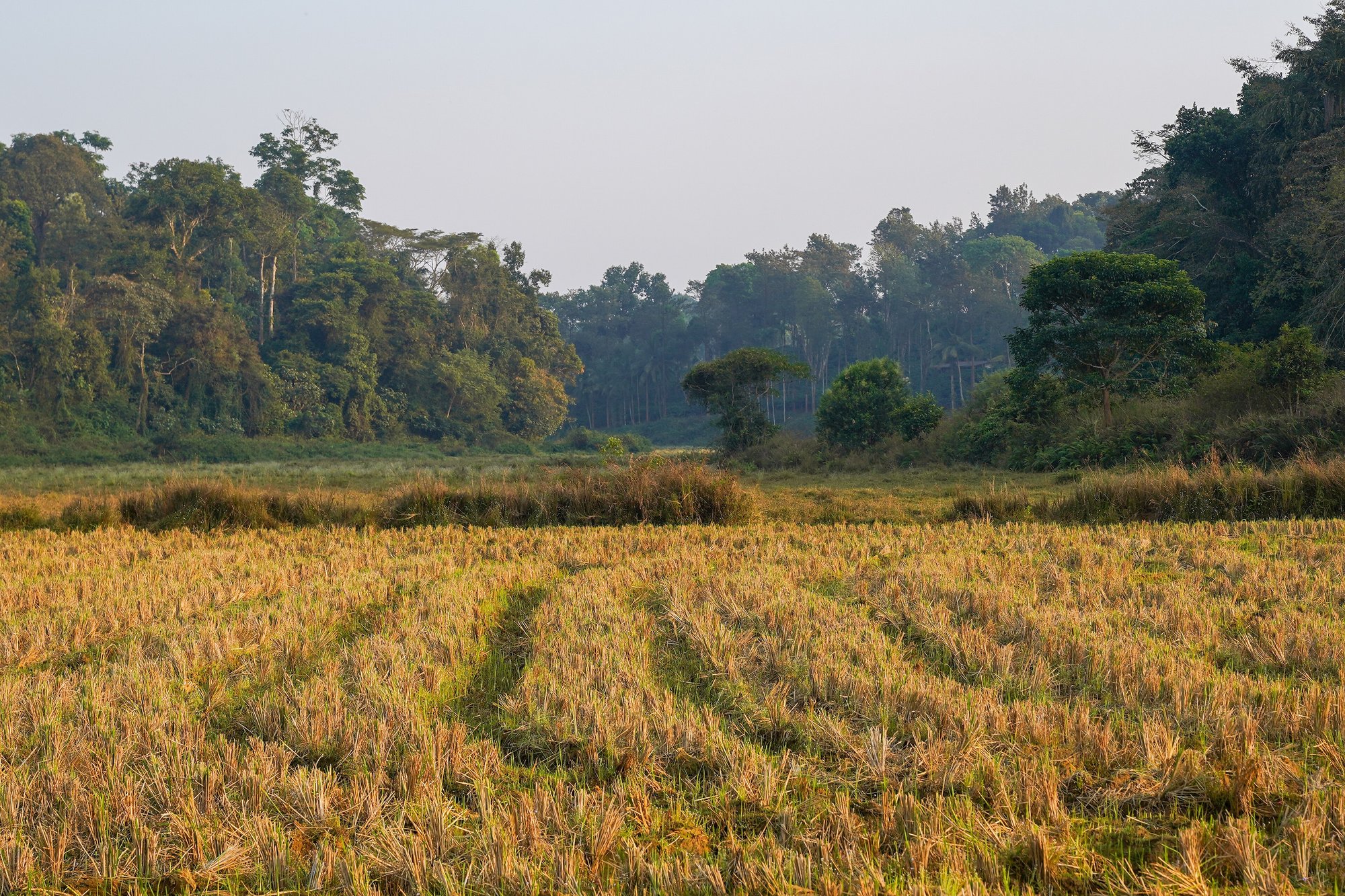
In a world conditioned by packed travel itineraries, sight-seeing checklists, and the relentless urge to maximize every hour of a vacation, arriving at a traditional coffee estate in South India can feel like a gentle shock to the system. There are no loud entertainment districts, no neon-lit shopping strips, and no high-speed tourist attractions waiting to be ticked off a list. Instead, the landscape offers vast green valleys, winding dirt roads, misty mountain air, and the deep, reassuring quiet of a working forest.
In coffee country, attempting to rush through a busy tourist schedule is to fundamentally misunderstand the spirit of the destination. Here, doing very little is not a waste of precious vacation time; it is the entire point of the journey. A slow day spent on an estate veranda—watching clouds roll over distant ridge lines, reading an engaging book, listening to rain fall against terracotta roof tiles, and engaging in unhurried conversation—is the ultimate luxury that the highlands provide.
The Architecture of the Veranda: Designed for Stillness
The central stage for a slow day on a coffee estate is the traditional veranda, known in local Kodava homes as the Aine Mane porch or the broad colonial-style pial. Long before air conditioning and indoor entertainment spaces existed, estate homes were engineered around these spacious, semi-open architectural spaces.
Built with high tiled roofs, carved wooden pillars, and wide stone built-in benches called kattés, the veranda serves as a comfortable transition zone between the cultivated indoor home and the wild forest outside. It is designed specifically to allow occupants to sit comfortably outdoors regardless of weather conditions—sheltered from fierce midday sun and completely protected from sudden mountain rain showers.
Key architectural features that make estate verandas ideal for slow living include:
- Terracotta Roof Tiles: Ancient red clay tiles absorb summer heat and produce a rich, rhythmic acoustic sound when struck by falling rain drops.
- Deep Overhanging Eaves: Wide roof overhangs prevent wind-driven rain from reaching sitting areas, keeping furniture dry during heavy downpours.
- Elevated Stone Plinths: Raising the porch floor high above ground level provides sweeping, unobstructed views across valley floors while keeping forest insects at bay.
- Cool Oxide Flooring: Traditional red or black oxide floors remain soothingly cool to the touch throughout the day, providing a sensory feeling of physical grounding.
Sitting on a veranda for hours at a time encourages a meditative state of mind. As the eye rests on the endless green layers of the surrounding canopy, the mental chatter of urban deadlines gradually fades away, replaced by an acute awareness of nature’s subtle movements.
The Sensory Chronometer: Tracking Time Through Nature
On a slow day in the highlands, clock time loses its authority. Minutes and hours are no longer measured by digital screens or wristwatches, but by the subtle sensory shifts that occur across the estate throughout the day.
At six o’clock in the morning, the day opens with a cool mountain chill and the distant, flute-like whistle of the Malabar whistling thrush echoing from a nearby stream valley. By eight o’clock, the scent of fresh woodsmoke and roasting coffee beans drifts out from the estate kitchen, signaling that a warm breakfast is ready.
As the sun rises higher, the light shifting through overhead silver oak leaves creates dynamic, moving patterns across the veranda floor. By late afternoon, the air thickens with humidity, mountain mist creeps down from forest ridges, and the first heavy rain drops begin to fall against broad jackfruit leaves.
Tracking the natural rhythm of an estate day involves several distinct sensory milestones:
- Dawn (6:00 AM – 7:30 AM): Cool morning mist, bird calls, fresh mountain air, and the first piping hot cup of local estate-brewed coffee.
- Mid-Morning (9:00 AM – 11:30 AM): Warm sunshine breaking through clouds, field workers heading into crop blocks, and butterflies active along flower borders.
- Afternoon (1:30 PM – 4:00 PM): A quiet, satisfying post-lunch stillness, rain clouds building over western peaks, and the rhythmic sound of heavy showers sweeping across the roof.
- Dusk (5:30 PM – 7:00 PM): The chorus of cicadas and tree frogs swelling in forest gullies, cooler mountain winds returning, and warm veranda lanterns flickering to life.
The Ritual of Estate Hospitality and Porch Conversations
A slow day on an estate homestay is enriched by the warm, unpretentious hospitality of host families whose lineage in these hills often spans generations. Unlike impersonal commercial hotels where staff interactions are strictly transactional, a stay at an estate homestay feels like being welcomed into an ancestral family home.
Conversations on the veranda unfold naturally over long morning teas and evening refreshments. Host planters share fascinating stories about local history, ancestral clan traditions, wild animal encounters, and the subtle art of growing high-grade coffee.
These unhurried porch conversations provide deep insights into regional culture that no guidebook can replicate:
- Ancestral Clan History: Learning about the unique heritage, traditional attire, and warrior customs of the Kodava people in Coorg, or the agrarian folklore of the Malnad region in Chikmagalur.
- Wildlife Encounters: Hearing real stories of wild Asian elephants moving peacefully through estate blocks at night to feed on jackfruit or cool off in irrigation ponds.
- Agricultural Insights: Gaining an authentic understanding of global commodity markets, climate challenges, and the incredible human effort required to manage a working plantation.
- Heirloom Recipes: Discovering the secret ingredients behind regional culinary dishes, from dark spice vinegars to wild forest greens harvested after rain showers.
The Art of Rain-Bound Leisure
When a heavy afternoon rain shower rolls over the estate, trapping guests on the veranda for two or three hours, it should be embraced as a rare gift rather than a travel disappointment. Being “rain-bound” on a coffee estate creates a cozy, deeply satisfying sanctuary for leisure activities that are routinely neglected in busy daily lives.
It is the perfect time to open a long-neglected novel, write in a journal, practice watercolor sketching, or simply lean back against a stone pillar and watch rain transform the landscape into a misty watercolour painting.
Engaging in rain-bound leisure offers profound psychological and emotional benefits:
- Digital Detoxification: Weak mobile network signals in deep forest valleys provide a welcome, unforced opportunity to disconnect from electronic devices and social media feeds.
- Mental Restoration: Listening to the continuous, white-noise sound of falling rain calms the nervous system, reducing stress and improving sleep quality.
- Creative Inspiration: The serene, quiet environment sparks creative thinking, writing, and deep reflection free from urban distractions.
- Deep Family Connection: Families and traveling companions find time for long, meaningful conversations, board games, and shared laughter without competing schedules.
Culinary Comforts of a Slow Afternoon
A slow day in coffee country is inextricably linked to the comforting, slow-cooked meals served at estate tables. Plantation cuisine is designed around regional comfort food—nourishing, aromatic, and deeply satisfying, especially on a cool, rain-soaked day.
After a relaxing morning spent doing very little, guests gather around heavy wooden dining tables for a long, unhurried lunch. In Coorg, this might feature steaming hot Akki Oti (tender flat rice bread) served alongside aromatic vegetable stews, wild bamboo shoot curries, or traditional spiced pork dishes. In Chikmagalur, lunch often showcases rice noodles, coconut-based vegetable gravies, and crisp rice flatbreads served with fresh homemade chutneys.
Mid-afternoon brings another cherished ritual: filter coffee served on the porch alongside hot local snacks like banana fritters or steamed rice cakes. Savoring a hot beverage while listening to rain pouring off roof eaves is one of the simple, enduring pleasures of estate living.
Returning Home Restored
When the day finally winds down and night settles over the forest, a profound quiet envelopes the estate. With no city traffic or streetlights for miles, the dark night sky fills with stars, while fireflies dance among lower tree branches. Guests retreat to bedrooms filled with the cool, clean scent of forest air, drifting off to sleep to the gentle, rhythmic chorus of night crickets and distant mountain streams.
When travelers eventually pack their bags and prepare to leave coffee country, they realize that the most valuable souvenir they take home is not a bag of roasted coffee beans or a wooden handicraft. It is a restored state of mind—a renewed appreciation for stillness, slowness, and the quiet beauty of a day lived entirely without hurry.
In the end, learning to sit quietly on a rain-soaked veranda in Coorg or Chikmagalur teaches a truth that extends far beyond travel: that sometimes, stopping the clock and letting the world go by is the most rewarding journey of all.
March 2021

Rourkela, The Engineering Heartland

Delightful “Dalhousie”
The Town You Sleep In
Why the base town shapes a monsoon waterfall trip more than any single fall, what to look for, and towns in Karnataka, Kerala and Goa worth considering.
One village ghat upriver
Train versus road that week
Markets before the 20th, not on it
Journeys Worth Discovering
Explore inspiring destinations, memorable journeys and travel stories from across India and beyond.
Explore destinations




