
Three days, two feet and one rule: let the town set the pace
Pondicherry is one of the few places in India that rewards you for leaving the car keys in a drawer. The old town is compact, its streets run in a tidy grid laid out in the colonial era, and the sea is never more than a few blocks away. A taxi will get you between sights faster, but it will also hurry you past the very things that make this town worth the journey: a bougainvillea spilling over a mustard wall, a bakery door open at seven, a game of carrom on a Tamil Quarter doorstep. This itinerary is built for walking, with one short ride out to Auroville on the second day.
Before You Start: How the Town Is Laid Out
The old town is divided by a canal, now mostly covered and lined with greenery, that once separated the French settlement by the sea from the Tamil town inland. East of it lies the French Quarter, often called White Town, with its ochre and white villas, high walls and street names still written in French. West of it is the Tamil Quarter, where verandas, carved wooden pillars and the daily rhythm of markets and temples take over. On foot, you can cross from one world to the other in a few minutes, and that contrast is the heart of any good Pondicherry walk.
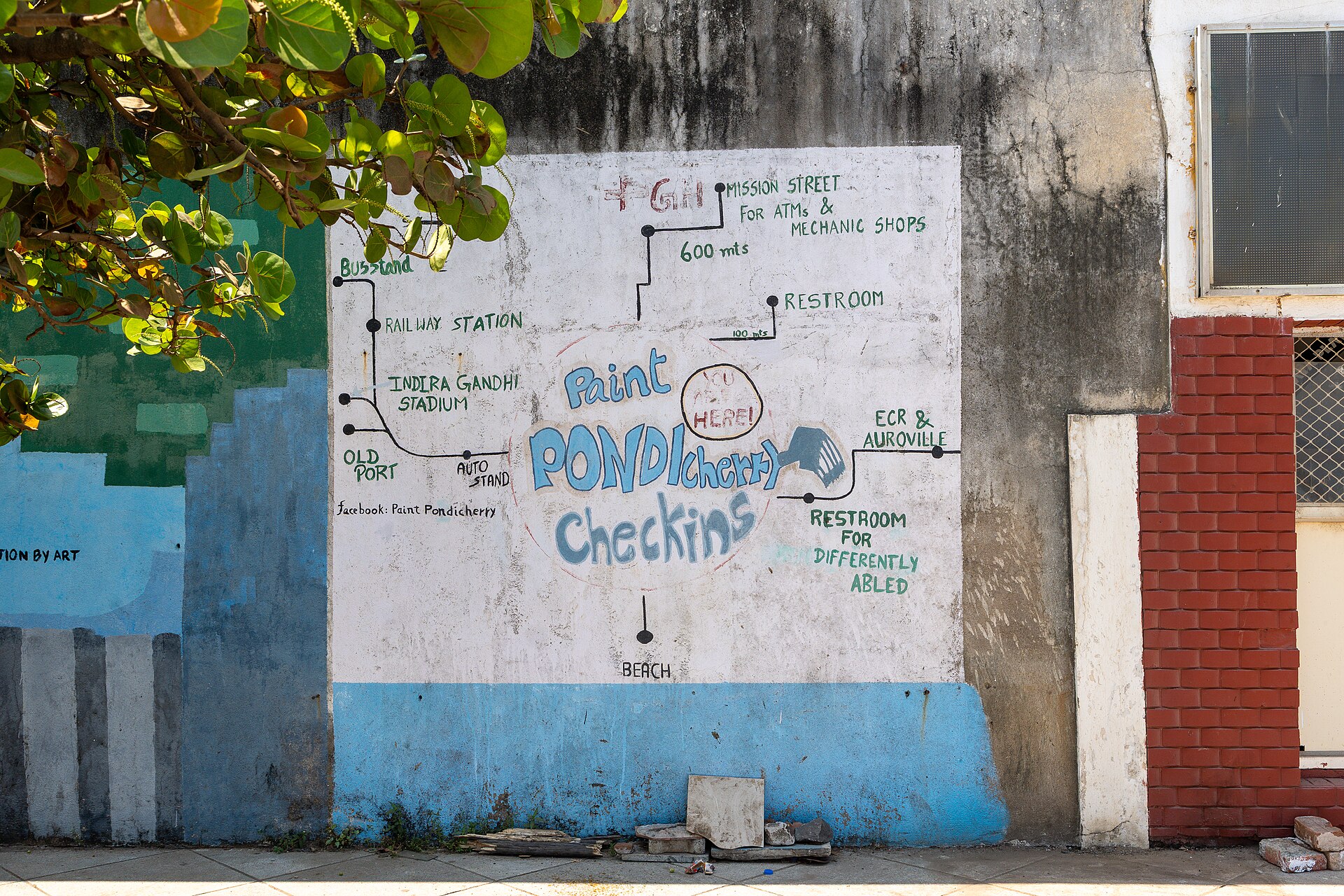
Day One: The Sea Front and White Town
Early morning: the Promenade. Start on Goubert Avenue, the seafront road known to everyone simply as the Promenade or Beach Road. Get there around sunrise, when walkers, joggers and retired couples take over the long stretch above the rocks. The light comes straight off the Bay of Bengal, and the old buildings along the front glow for a short while before the heat sets in. Walk the length of it at your own pace, past the statue of Gandhi and the old lighthouse.
Breakfast and the first lanes. Turn inland into the grid of White Town and find a bakery or café for breakfast. Then simply walk. Rue Romain Rolland, Rue Suffren, Rue Dumas and the streets around them are best explored without a plan. Look up at the shuttered windows and down at the old street signs. Many of these houses are private homes, so admire from the pavement.
Late morning: the ashram. The Sri Aurobindo Ashram sits on the edge of the French Quarter and is a working spiritual community rather than a monument. Visitors are welcome at set times to see the flower-covered samadhi in the courtyard. Dress modestly, speak softly, and leave your phone in your bag. Opening hours vary, so check at the gate or on the ashram’s website.
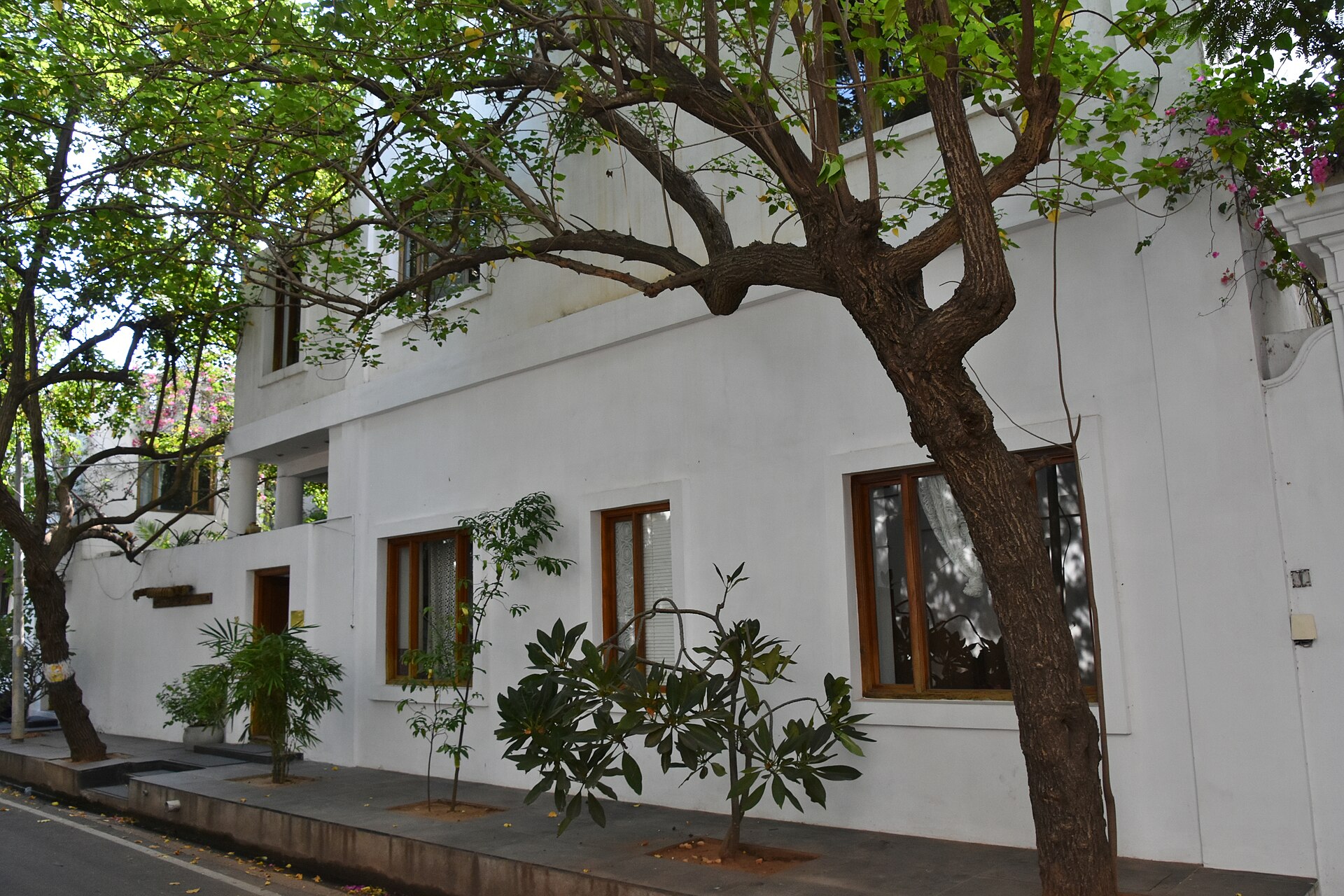
Afternoon: retreat. Pondicherry’s afternoons, particularly outside the cooler months, are made for a long lunch and a nap. Plan nothing between one and four.
Evening: back to the sea. Return to the Promenade at dusk. On many evenings the road is closed to vehicles and fills with families, ice-cream carts and people sitting on the sea wall. It is the single best free show in town.
Day Two: Auroville and the Tamil Quarter
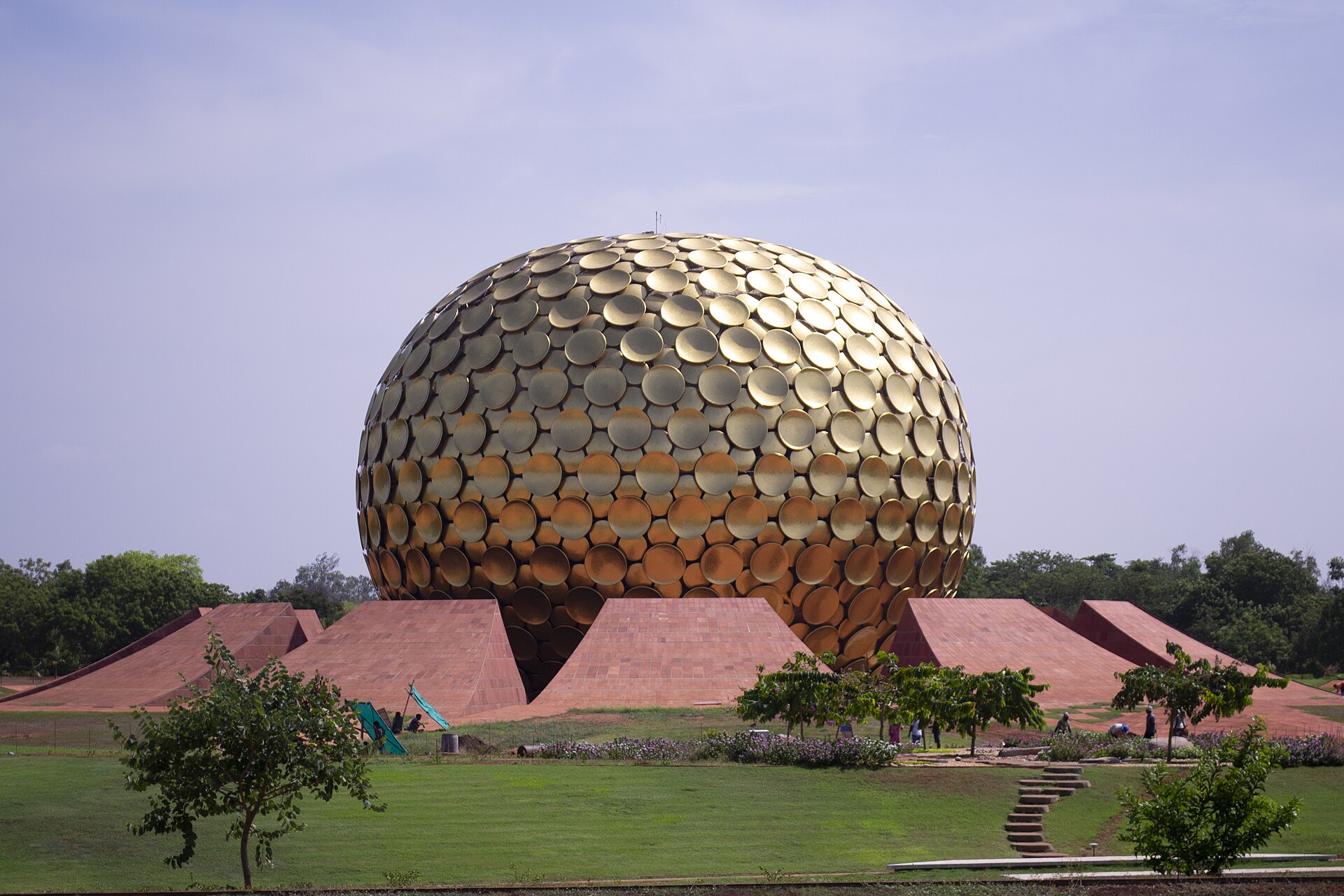
Morning: Auroville. This is the one ride of the trip. Auroville, the international township founded in 1968, lies a short drive north of town. Hire an auto-rickshaw or taxi for the morning, or rent a bicycle or scooter if you are confident on the East Coast Road. Begin at the Visitors Centre, watch the introductory film, and walk the shaded path to the viewing point for the Matrimandir, the great golden sphere at the township’s centre. Entry to the inner chamber is limited and must be arranged in advance through the Visitors Centre, so check the current procedure before you go. Even from the viewing point, the scale of it is striking.
Lunch in Auroville. The cafés around the Visitors Centre serve simple, fresh food, and the boutiques sell handmade paper, incense and textiles made in the township’s units.
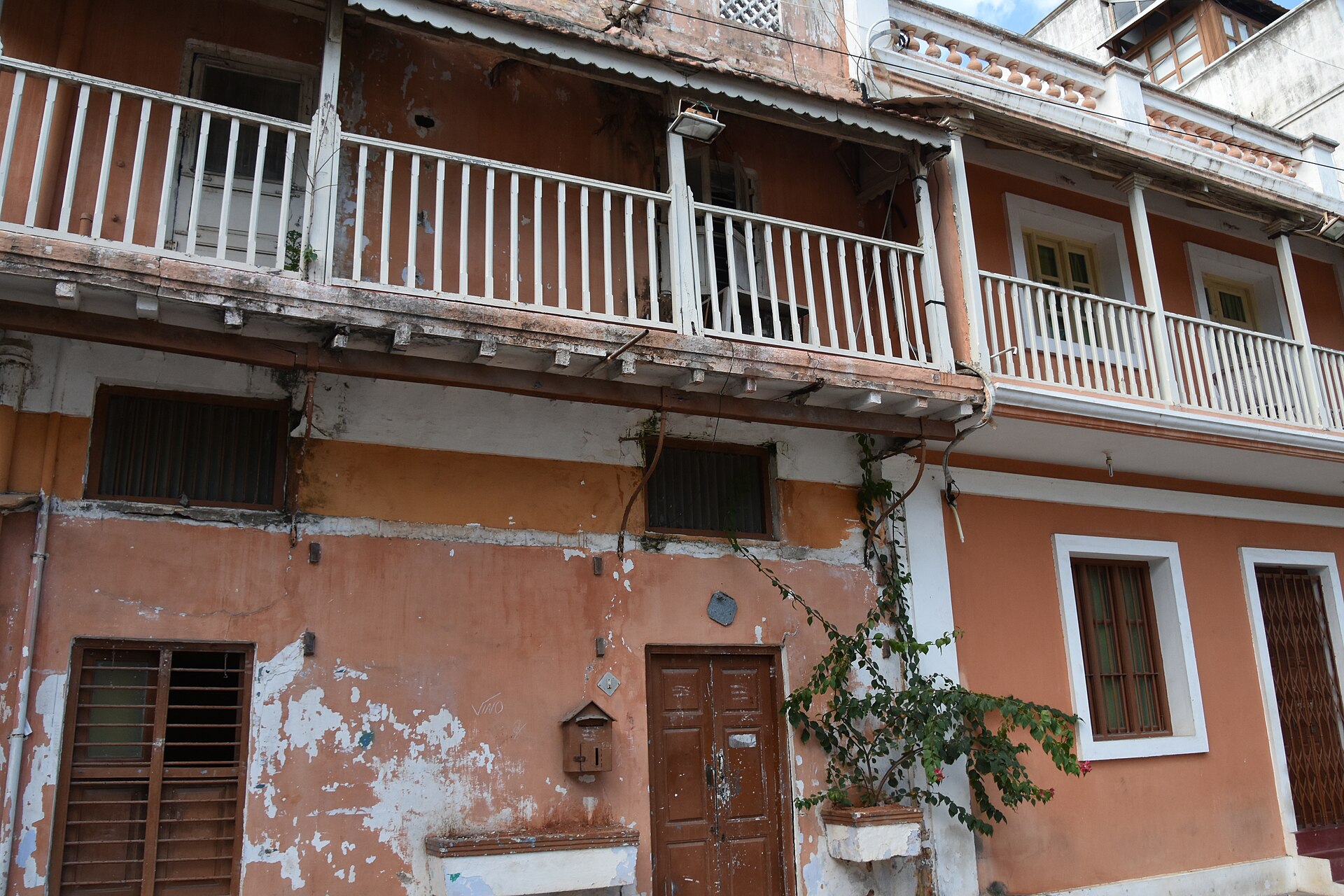
Late afternoon: the Tamil Quarter. Back in town, cross the canal westward and walk the streets of the Tamil Quarter, where the houses have deep verandas, raised platforms called thinnai and wooden columns. Stop at the Sri Manakula Vinayagar Temple near the ashram, one of the town’s most visited Ganesha temples, before wandering further west towards Goubert Market as it winds down for the day.
Evening. Eat Tamil food tonight. A plain meals plate on a banana leaf, a dosa, or a fish curry from a family restaurant will tell you as much about Pondicherry as any French café.
Day Three: Churches, Gardens and a Slow Goodbye
Morning: two churches. Pondicherry’s Catholic heritage is easy to see on foot. The Basilica of the Sacred Heart of Jesus, with its Gothic facade and stained glass, stands on the south side of town, while the Cathedral of Our Lady of the Immaculate Conception is closer to the centre. Visit during quiet hours and respect services in progress.
Late morning: Bharathi Park and the museum. Bharathi Park, the shaded garden at the heart of White Town, is surrounded by government buildings including the Lieutenant Governor’s residence. Nearby, the Pondicherry Museum has collections that include finds from Arikamedu, the ancient trading site south of town that once had links with the Roman world. Check opening days before you go.
Afternoon: shopping with a conscience. Look for handmade paper, leather sandals, pottery and handloom textiles. Many shops in town are run by or supply local cooperatives and Auroville units.
Last evening. End where you began, on the sea wall, watching the light change over the water.
How to Reach Pondicherry
Most travellers fly into Chennai and drive down the East Coast Road, a journey of roughly three to four hours depending on traffic. Puducherry has its own small airport with limited connections, so check current schedules. By rail, Puducherry station is connected via Villupuram Junction, and there are direct trains from Chennai and a few other cities. Frequent buses run from Chennai and Bengaluru.
Best Time to Go
The most comfortable months are roughly November to February, when the heat eases. The northeast monsoon brings most of the year’s rain between October and December, which can mean heavy showers and occasional cyclone warnings. April to June is hot and humid, but quieter.
Where to Stay and Eat
For a walking trip, stay inside or right beside the French Quarter. The town has a good range of heritage guesthouses in restored villas, simple ashram-run guesthouses and mid-range hotels. Book ahead for weekends, when visitors from Chennai and Bengaluru arrive in numbers. For food, mix the bakeries and Franco-Tamil kitchens of White Town with the meals halls and seafood joints of the Tamil Quarter.
Walking Tips
- Walk early and late; rest in the middle of the day.
- Carry water, a hat and comfortable sandals.
- Respect private homes, the ashram’s quiet, and church services.
- Weekends are busy; if you can, arrive on a weekday.
- Cycles can be hired in town if your feet need a break.

Nehru Place Market – The IT HUB

Nilgiris Hills – The Blue Mountains

Top 10 Places To Visit In Bentota, Sri Lanka
The Town You Sleep In
Why the base town shapes a monsoon waterfall trip more than any single fall, what to look for, and towns in Karnataka, Kerala and Goa worth considering.
One village ghat upriver
Train versus road that week
Markets before the 20th, not on it
Journeys Worth Discovering
Explore inspiring destinations, memorable journeys and travel stories from across India and beyond.
Explore destinations




