
Issue 88, August 2026. Three cities, three days each, and every page in between about how to spend a short trip well.
There is a particular kind of traveller this issue is written for. You have a long weekend, perhaps a Thursday night departure and a Monday morning return. You do not want to rush, and you do not want to waste the time either. You want a plan that feels like a trip rather than an obstacle course. Over the next eleven pages we have tried to build exactly that, three times over, and then to show you the thinking behind it so that you can build your own.
This page is your map of the issue. Read it in order if you like, or jump straight to the city you are heading for. Either way, start with the idea that runs through everything here: seventy-two hours is a shape, not a shortfall.
The letter
Our Editor’s Letter: The 72-Hour Itinerary sets out why three days deserves its own kind of planning. It explains the three rules that shape the city guides, and makes a case for leaving deliberate gaps in any short plan: the free first hour, the unplanned meal, the fourth morning held in reserve. If you only read one page before you book, make it this one.
Three city guides
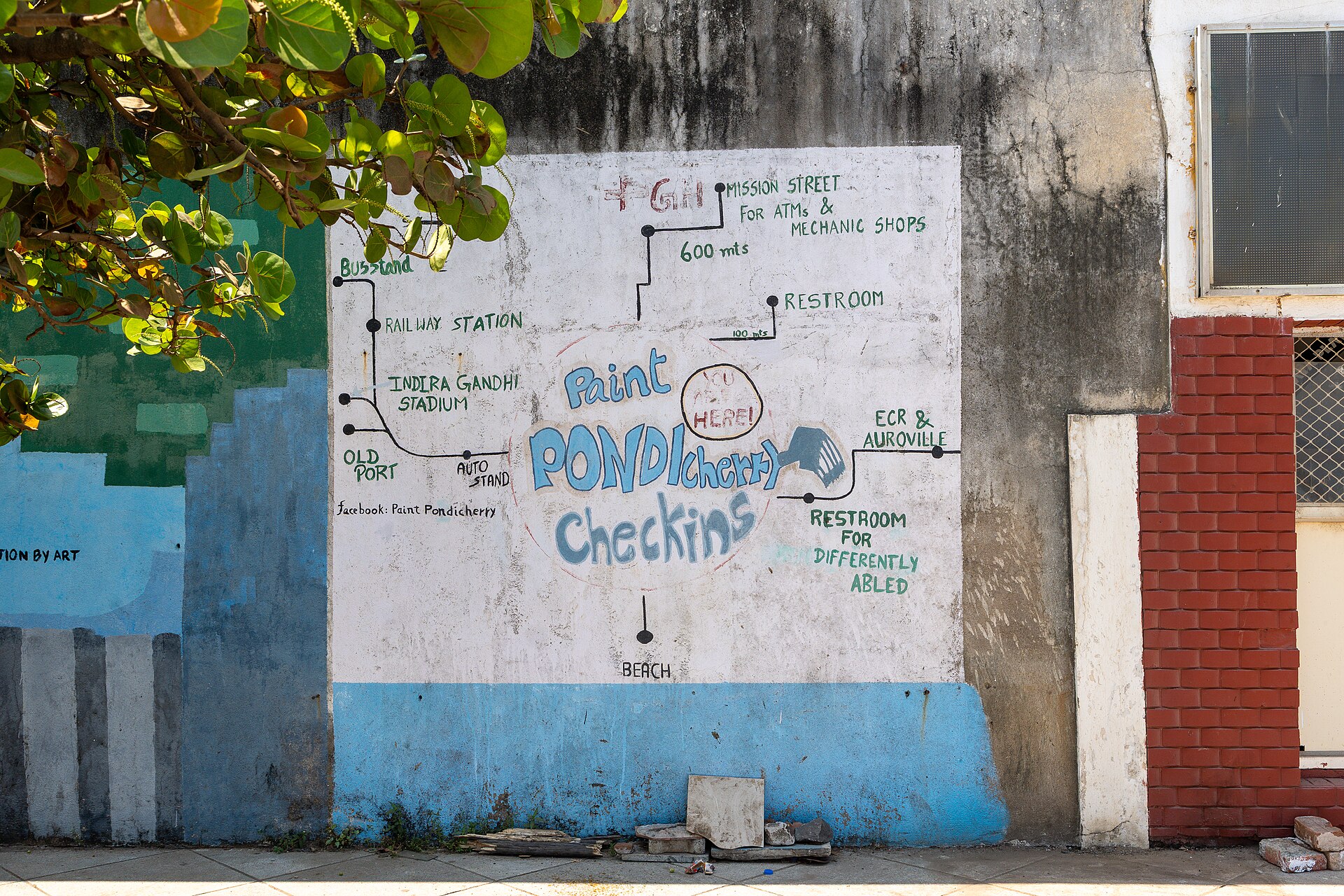
Pondicherry in 72 Hours, on Foot. The former French settlement on the Coromandel Coast is compact enough to walk end to end, and walking is how it reveals itself. Our guide moves from the ochre and white lanes of the French Quarter at dawn, across the canal into the older Tamil streets, along the seafront Promenade in the cool hours, and out to Auroville for an afternoon that slows everything down. It is a plan built around early mornings, long lunches and the sea breeze at dusk.
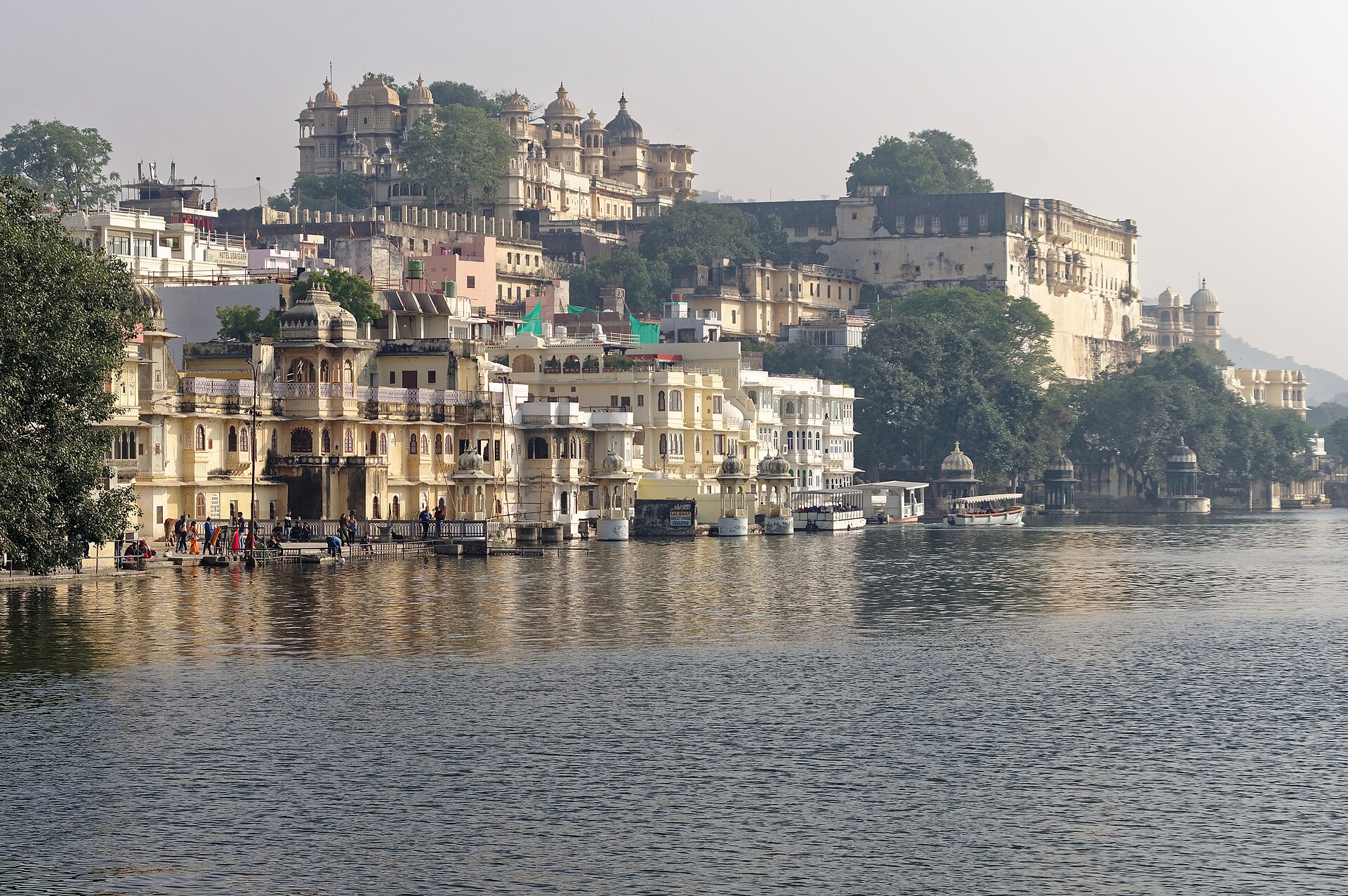
Udaipur in 72 Hours, Without the Boat Package. Udaipur’s lakes are the reason most people come, and our writer does not pretend otherwise. But the guide is built around the hours when the lakes are quiet: the ghats early in the morning, the lanes behind the City Palace, Fateh Sagar in the evening, the drive up to Sajjangarh as the light goes. The famous sights fit around those moments rather than the other way round, and you will still find time to get on the water if you want to.
Mysuru in 72 Hours, Palaces Last. This is the most contrarian of the three plans, and perhaps the most useful. Instead of heading straight for the Amba Vilas Palace, our guide begins in the crowded aisles of Devaraja Market, climbs Chamundi Hill, and spends a day out at Srirangapatna and the Ranganathittu bird sanctuary. Only then does it bring you back to the palaces, when you understand the city and the dynasty that built them.
How the plans are made
How These Itineraries Are Built opens up our method. Every plan in this issue started as a long, unruly list and was edited down to a sequence: an anchor for each day, a slow block in the middle, and a clear idea of what to drop. The piece walks through that process step by step, so you can apply it to any city, not just these three.
The Hour You Leave Each Place tackles the question nearly every itinerary ignores. When should you leave the fort, the beach, the market, the town itself? Leave too early and you miss the best light; leave too late and you spend your last evening in traffic. This piece is about timing departures as carefully as arrivals.
Getting there and adapting
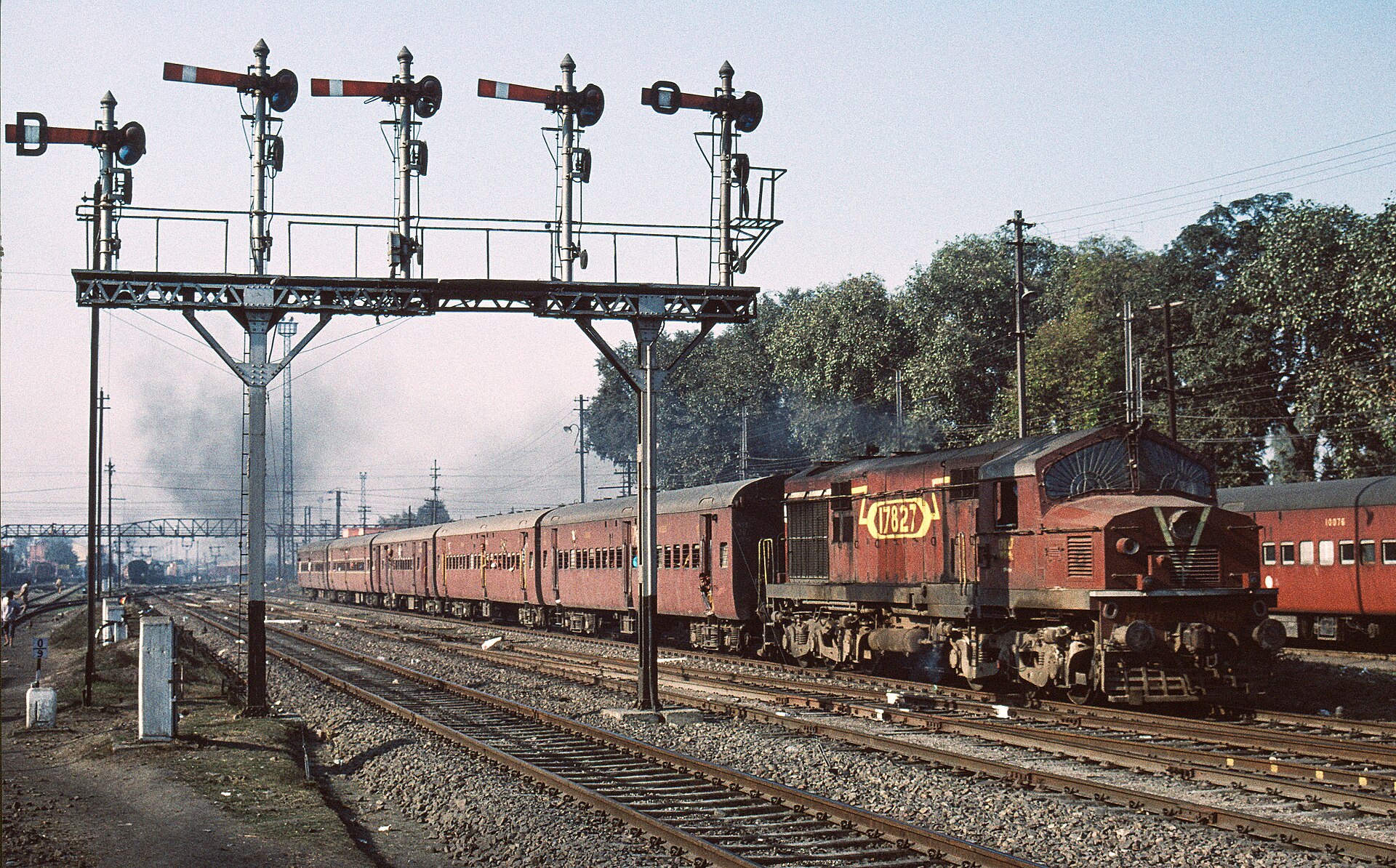
Trains That Make the 72 Hours Possible is a practical page about the overnight and early-morning services that let a short trip begin and end without losing a day. It explains how to think about train choice for a long weekend, what to book early, and why a night on a sleeper can be worth more than a day of extra sightseeing. Schedules change, so treat it as a way of thinking and check the current timetable before you book.
What to Cut if You Arrive Late is the page we wish someone had given us years ago. Trains run late, flights are rescheduled, and sometimes you simply arrive tired. This piece shows how to drop half a day from each of our three plans without losing the heart of the trip, and which sights are easiest to sacrifice.
Readers and quieter corners
A Guest Who Followed One of Them is our guest post this month: a reader’s honest account of taking one of our itineraries and following it, mostly. Where the plan worked, where it did not, and what they would change. It is the best test of any itinerary, and we are grateful to have it.
A Quieter Fourth Morning is our Less Travelled page. If you can stretch a trip by half a day, this piece suggests how to use that extra morning in each city, away from the main circuit: a slower walk, a smaller temple, a café where nobody is in a hurry.
The last page
The Photograph From the First Hour closes the issue. It is about the slightly crooked, unplanned picture you take on the platform or from the taxi window before the trip has properly begun, and why that photograph so often ends up being the truest record of where you went. It is also, quietly, a short guide to paying attention in the first hour of any trip.
How to use this issue
You do not need to follow any of these plans to the letter. The point of an itinerary is not obedience; it is confidence. Knowing what you will do first, what you are saving for later and what you are prepared to drop leaves you free to say yes to the things nobody planned: a conversation at a tea stall, an invitation into a courtyard, a monsoon shower that empties the streets and turns everything silver.
A few practical notes apply across all three cities. Opening hours, ticket prices and train timings change, sometimes at short notice, so check them with the official source close to your travel date. Festival weekends and long holidays fill hotels and trains quickly, so book the expensive parts first. And August is monsoon season across much of India, which brings green landscapes and fewer crowds, but also showers that can rearrange an afternoon. Pack light rain gear, plan indoor alternatives, and treat the weather as part of the trip rather than an interruption to it.
Above all, build in slack. Each of our plans leaves room on purpose. Keep the first hour after you arrive free, keep one meal unplanned, and do not feel obliged to fill every gap. Three days is enough, if you let it be.
Turn the page, pick a city, and start counting the hours.
Silk, not a shopping list
Editor’s letter: Varanasi & Dev Deepawali

Top Places To Visit In West Bengal
The Town You Sleep In
Why the base town shapes a monsoon waterfall trip more than any single fall, what to look for, and towns in Karnataka, Kerala and Goa worth considering.
One village ghat upriver
Train versus road that week
Markets before the 20th, not on it
Journeys Worth Discovering
Explore inspiring destinations, memorable journeys and travel stories from across India and beyond.
Explore destinations




