
Skip the bundled sunset cruise and let the lakes, lanes and hills set the rhythm of three slow days
Arrive in Udaipur and the offers begin before your bag is off your shoulder: a sunset boat, a palace ticket, a dinner with a view, all bundled into one tidy package. There is nothing wrong with a boat on Lake Pichola. But a package hands your days to someone else’s clock, and Udaipur is a city that rewards people who keep their own. This itinerary is built around walking the old city, watching the lakes from the shore at the right hours, and climbing above the city for the long view. If you want a boat ride, take one, but on your terms, from the jetty, when the light suits you.
Day One: The Old City from the Shore
Morning: Jagdish Temple and the lanes. Start early at the Jagdish Temple, the seventeenth-century Vishnu temple a short climb from the City Palace gate. Mornings bring worshippers, bells and the smell of incense, and the carved stone is at its warmest before the sun gets high. From here, let yourself drift downhill through the lanes of the old city towards the water. Shops are just opening, cows have right of way, and the miniature painters set out their work.
Gangaur Ghat. Follow the lanes to Gangaur Ghat, named after the spring festival, where steps lead down to Lake Pichola beside the great triple-arched gate. Sit on the steps with a cup of chai. This is the easiest place to understand the city: water, palace walls and pale houses stacked behind one another.
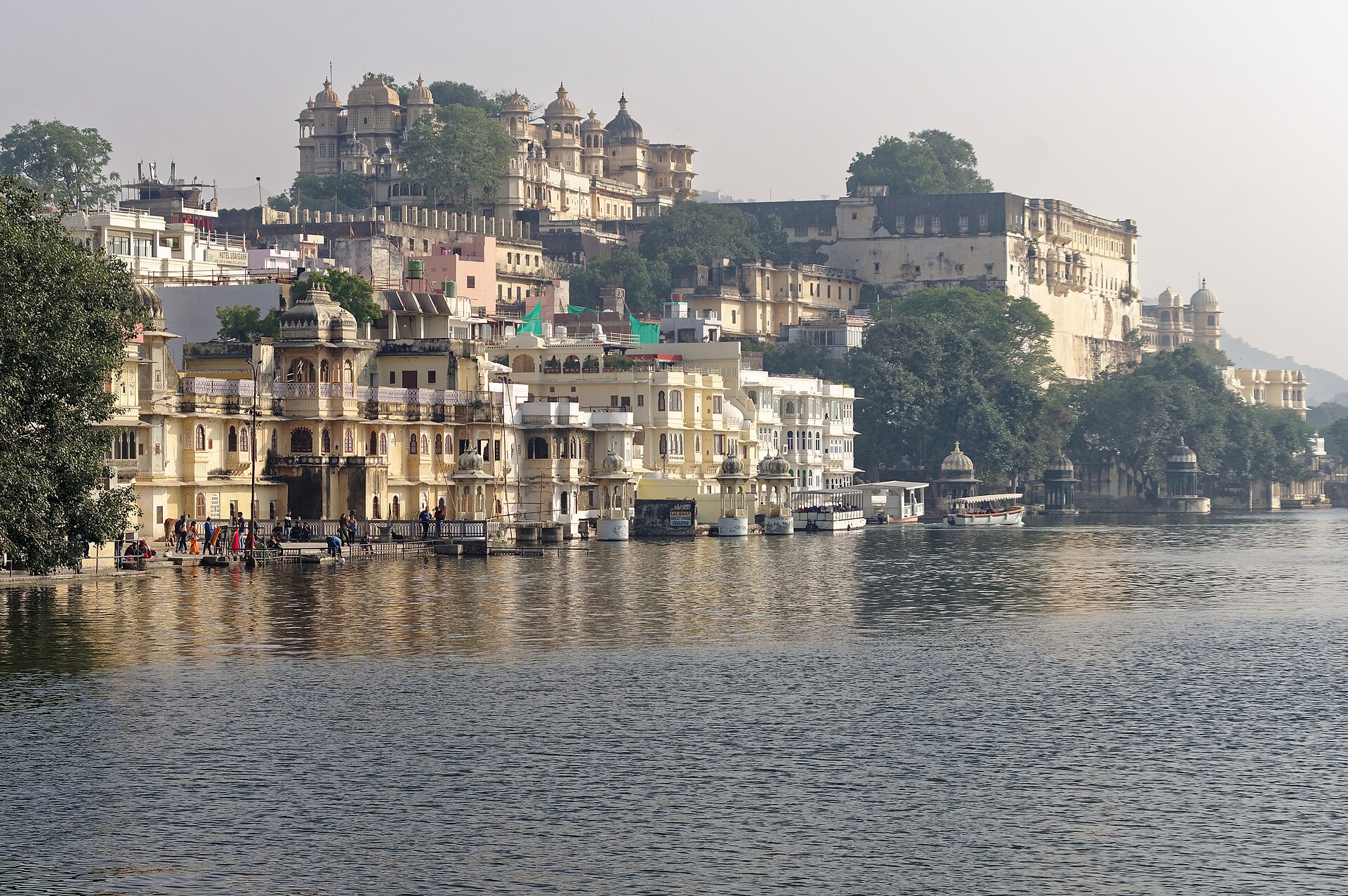
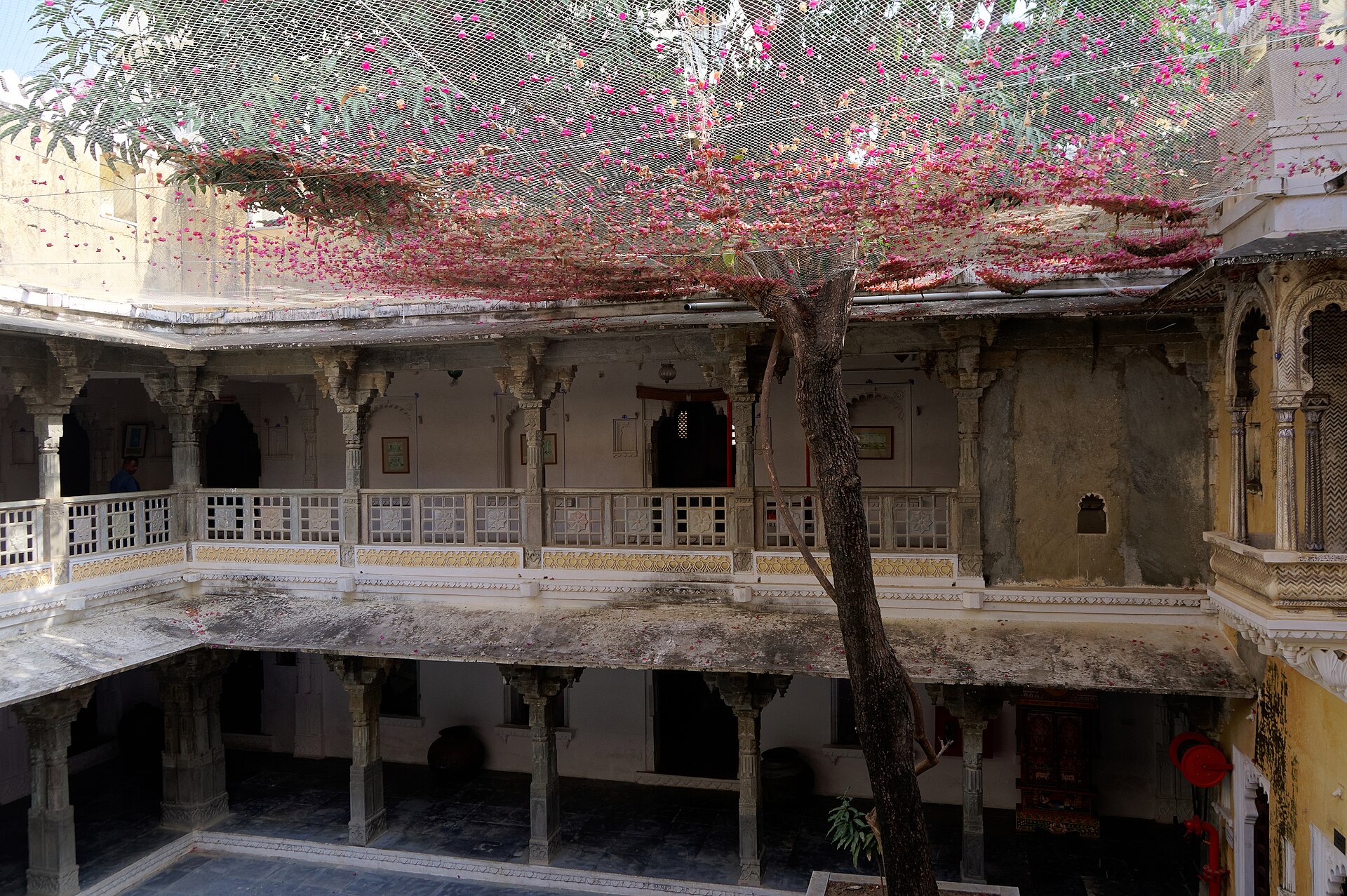
Afternoon: City Palace, unhurried. The City Palace complex is the largest palace on Pichola, built and extended by the rulers of Mewar over centuries. Give it a whole afternoon rather than a rushed hour. Walk the courtyards slowly, look for the glass and mirror work, the painted walls and the views down to the lake from the upper balconies. Buy tickets at the gate and check current timings before you go.
Evening: Bagore Ki Haveli. A short walk from Gangaur Ghat, Bagore Ki Haveli is an eighteenth-century mansion turned museum. In the evenings it usually hosts a performance of Rajasthani folk dance and music, a good, low-key alternative to a dinner show. Confirm the timing locally on the day.
Day Two: Lakes Beyond Pichola and the Hill at Sunset
Morning: Fateh Sagar. Take an auto-rickshaw north to Fateh Sagar Lake, the second of Udaipur’s great lakes, ringed by hills. Walk the lakeside road early, when local joggers and families are out and the water is still. If you want to be on the water, a short boat ride here is easy to arrange at the jetty.
Saheliyon Ki Bari. Close by is Saheliyon Ki Bari, the Garden of the Maidens, with its lawns, lotus pools, marble elephants and fountains. It is a gentle hour, best before the midday heat.
Afternoon: rest. Head back to your guesthouse, eat a light lunch and rest. Udaipur’s afternoons, outside the coolest months, are for shade.
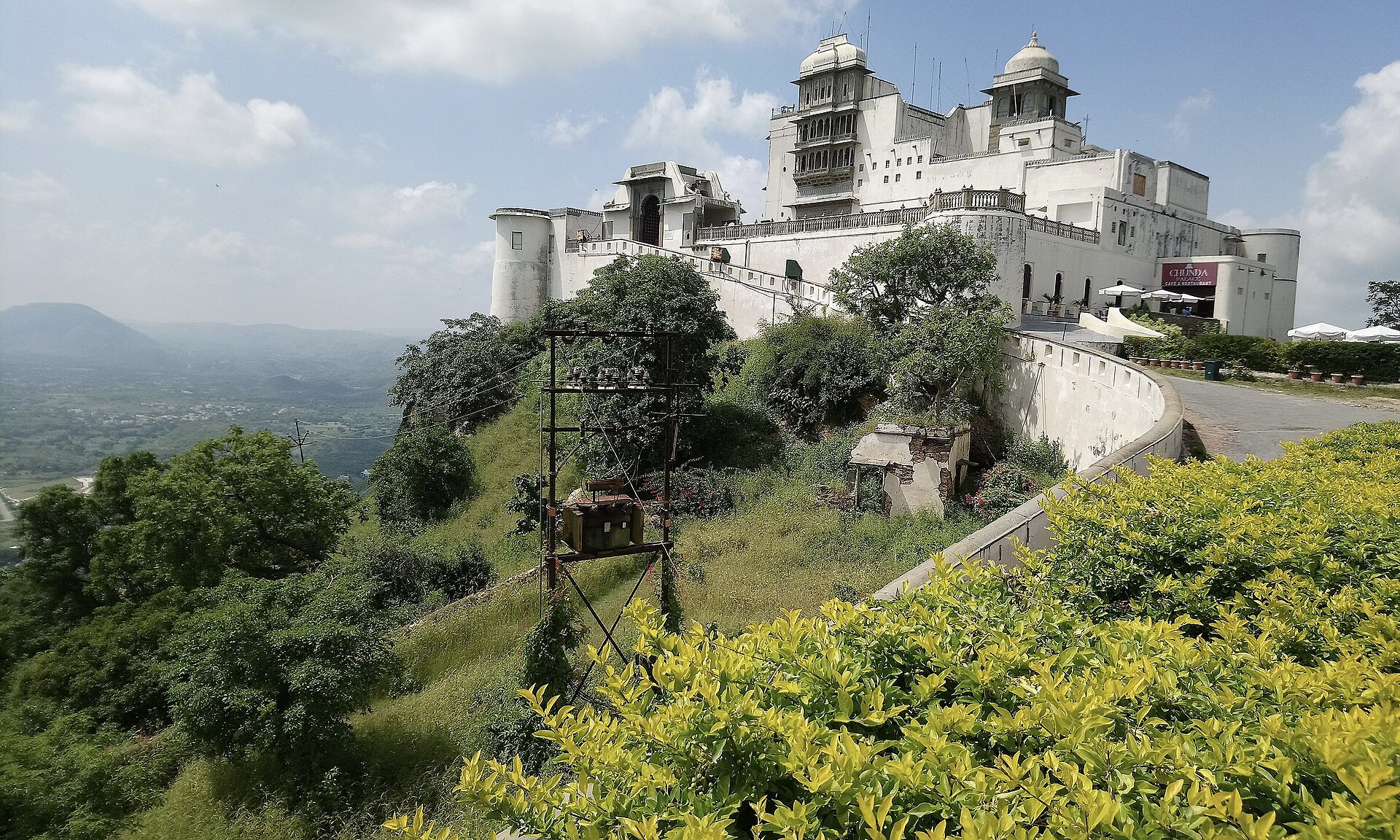
Sunset: Sajjangarh. In the late afternoon, take a taxi up to Sajjangarh, the Monsoon Palace, perched on a hilltop west of the city inside a wildlife sanctuary. Built in the late nineteenth century, it was designed so the rulers could watch the monsoon clouds roll in. On a clear evening, the view across the lakes and the Aravalli hills is the finest in the region. There is an entry fee for the sanctuary and vehicles go up the hill road; check closing times so you are not rushed off the top at dusk.
Day Three: The West Bank and a Quiet Lake
Morning: Hanuman Ghat and Ambrai. Cross the little bridges to the western shore of Pichola, the area around Hanuman Ghat and Ambrai Ghat. This side is calmer, and its gift is the view back across the water to the City Palace. Morning light comes from behind you here, so the palace is lit full on.
Late morning: a craft hour. Udaipur is known for miniature painting, block-printed textiles and silver jewellery. Instead of buying in a hurry, spend time in a small studio watching a painter at work and ask about the natural pigments and fine brushes many still use.
Afternoon: Badi Lake or a slow lunch. If you want one more lake, take a taxi to Badi Lake, a quieter reservoir in the hills northwest of the city. Otherwise, stay in the old city and give yourself a long lunch overlooking the water.
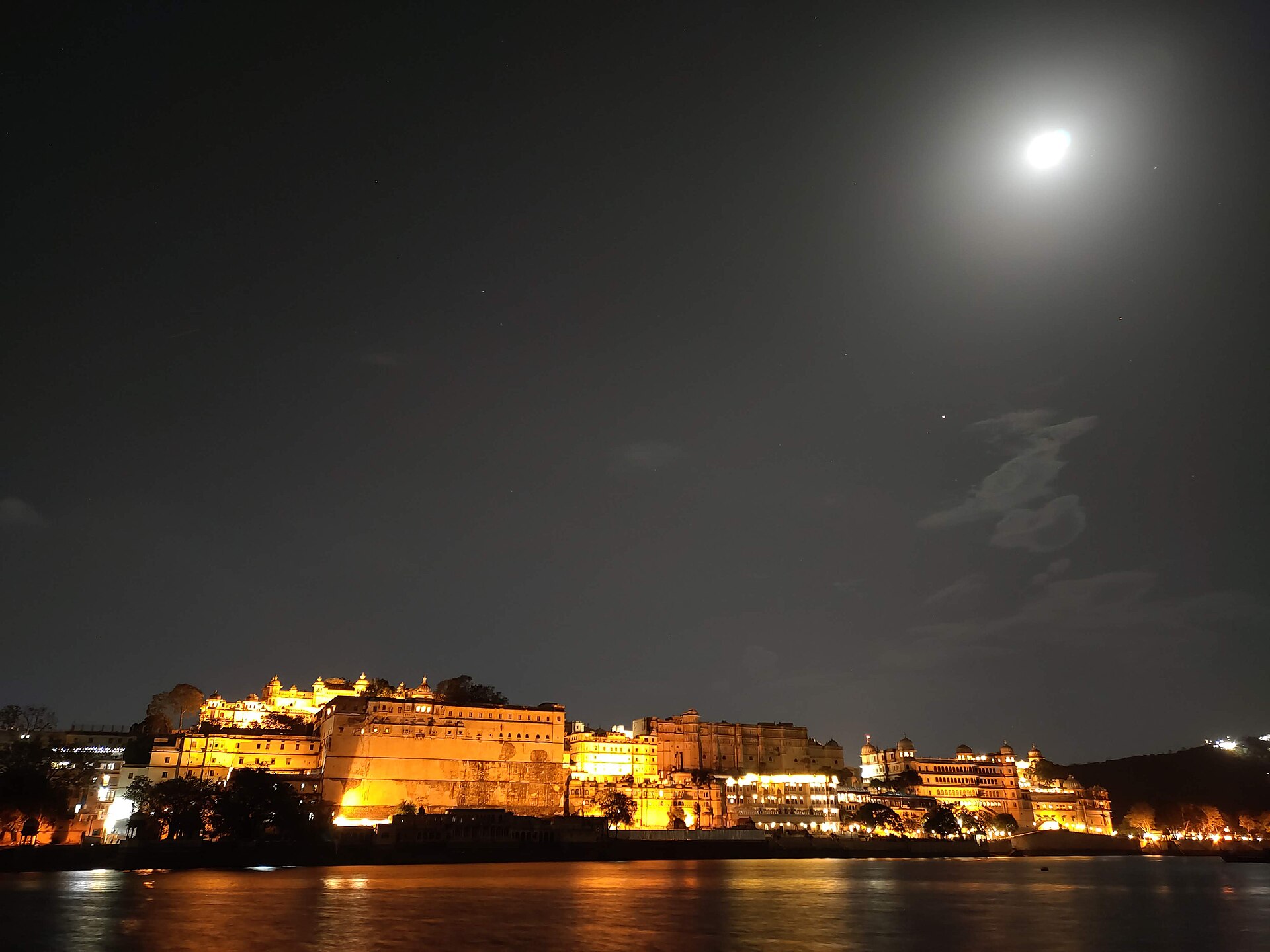
Evening: Ambrai at night. End at Ambrai Ghat after dark, when the City Palace is lit and its reflection stretches across the lake. You do not need a ticket or a boat for this view.
How to Reach Udaipur
Maharana Pratap Airport at Dabok, east of the city, has direct flights from several major cities. Udaipur City railway station has trains from Delhi, Jaipur, Mumbai and other cities, and the city is well connected by road to Ahmedabad and Jaipur. Within the city, walk the old town and use auto-rickshaws for the lakes and Sajjangarh.
Best Time to Go
October to March is the most comfortable time, with cool mornings and warm, clear days. The monsoon, roughly July to September, fills the lakes and turns the hills green, but brings humidity and rain. April to June is very hot.
Where to Stay and Eat
For this itinerary, stay in the old city near Gangaur Ghat or on the western shore around Hanuman Ghat. Both areas have heritage havelis, small guesthouses and rooftop restaurants. Try dal baati churma, gatte ki sabzi and ker sangri at a local thali restaurant, and save one meal for a rooftop with a view across the lake.
Tips
- Choose your own boat time: early morning or late afternoon gives softer light than the middle of the day.
- Wear shoes that grip; the lanes and ghat steps can be steep and smooth.
- Ask for metered or agreed fares before taking an auto-rickshaw.
- Dress modestly for temples and remove shoes where required.
- Keep the third afternoon unplanned. It is often the best one.

Kota

Amarnath Yatra

Khajuraho-The World Heritage Site
The Town You Sleep In
Why the base town shapes a monsoon waterfall trip more than any single fall, what to look for, and towns in Karnataka, Kerala and Goa worth considering.
One village ghat upriver
Train versus road that week
Markets before the 20th, not on it
Journeys Worth Discovering
Explore inspiring destinations, memorable journeys and travel stories from across India and beyond.
Explore destinations




