
Jog Falls is one waterfall with several faces. In the monsoon, where you stand can decide whether you see a wall of water, a ribbon of cloud, or nothing at all.
Most first-time visitors to Jog Falls see it the same way. They arrive at the main viewing area, walk to the railing, and look across the gorge at the Sharavathi river falling in four separate streams, known locally as Raja, Rani, Roarer and Rocket, down a cliff usually given as about 253 metres high. On a clear monsoon day it is one of the great sights of southern India.
But Jog has more than one viewpoint, and the experience changes depending on which side of the gorge you choose. This piece looks at the falls from the less obvious angle, explains why the view varies so much from day to day, and offers some practical advice for a July visit.
Where Jog is
Jog Falls lies on the Sharavathi river on the border of Shivamogga and Uttara Kannada districts in Karnataka, in the Western Ghats. The nearest sizeable town is Sagara, and the small settlement at the falls is often simply called Jog. The river is dammed upstream at Linganamakki, a large reservoir that feeds hydro-electric power stations in the area.
The two banks
Broadly, visitors approach Jog from two sides. The more developed side, with the main parking, shops and the familiar frontal view of all four streams, is the one most people visit, and it is usually where the steps down towards the base of the gorge begin.
The opposite side of the gorge offers a closer, more angled view of the falls, especially of the streams that come off the lip nearest to it. Older guides often refer to viewpoints associated with an old inspection bungalow on this side. The views here can be more dramatic, with the water appearing almost beside you rather than across a wide gorge, but they are also more exposed to spray and wind in the monsoon.
We have called this piece “from the right bank” because, looking downstream along the Sharavathi, this is the side many travellers overlook. Whichever bank you prefer, do confirm locally which viewpoints are open: access to some can be restricted in heavy rain, and arrangements change with redevelopment work at the site.
Why the falls look different every day
Unlike some waterfalls, Jog’s flow is not determined by rainfall alone. Because the Linganamakki dam regulates the Sharavathi upstream, the volume of water reaching the falls depends partly on how much is being released. In years of heavy monsoon, when the reservoir fills and gates are opened, Jog can become a single thundering curtain in which the four streams merge. In other weeks, even in the rains, it may be several thinner falls.
Then there is the mist. In peak monsoon, cloud fills the gorge for long periods. Visitors sometimes wait an hour or more at the railing, seeing nothing but white, until a gap opens for a few minutes and the falls appear. This is part of the experience, and many people find that those brief openings are more memorable than a clear view would have been.
What July is like
July is typically one of the wettest months in this part of the Ghats. Expect heavy, persistent rain, strong wind at the viewpoints and slippery paths. The steps that lead down into the gorge, a popular walk in drier months, may be closed for safety during heavy rain. Even when they are open, they are steep and long, and the climb back up is demanding.
Many visitors find August and September a good compromise: the reservoir is fuller, releases are more likely and the rain is sometimes less relentless. But there are no guarantees, and some years the falls are at their most powerful later in the season.
Practical advice
- Arrive early. Mornings are generally quieter, and on some days the cloud is thinner before it builds through the afternoon.
- Plan for waiting. Bring a raincoat that covers your bag, sit with a cup of tea from one of the stalls and let the mist do what it will.
- Check which viewpoints are open. Ask at the site or in Sagara before you go.
- Stay behind the railings. Edges are wet and wind gusts can be strong.
- Do not attempt the descent in heavy rain. Even if it is technically open, think twice if you are not confident on steep wet steps.
- Protect your camera. Spray reaches further than you expect on the closer viewpoints.
Where to stay
Sagara is the most practical base, with a choice of hotels and easy road connections. There is limited accommodation closer to the falls, including some government-run options; book ahead if you want to be near the viewpoints at first light. Some travellers combine Jog with the forests and coast of Uttara Kannada, or with Shivamogga’s other attractions, such as the Linganamakki backwaters.
Combining Jog with other falls
Jog sits in a region thick with waterfalls. Unchalli Falls near Siddapur is a drive away, as are smaller falls in the forests around Sirsi and Yellapur. A slow two- or three-day loop in the monsoon can take in Jog at different times of day and two or three lesser-known falls, which spreads the risk of a misty morning.
Getting there
Jog is reached by road. Sagara is the usual approach, and buses and taxis run between the town and the falls. In the monsoon, allow extra time on the ghat roads of the region, and avoid driving after dark if you are not familiar with them.
The case for patience
If you come to Jog in July and see nothing but cloud, you are in good company. Thousands of visitors each monsoon have the same experience, and many come back. Stay a night, try again in the morning, cross to the other bank, and give the gorge time. When the curtain lifts and the Sharavathi appears, falling through the mist into its gorge, you will understand why people keep returning.
Viewpoint access, opening hours and fees at Jog Falls change, and redevelopment works may affect the site. Please check locally before you travel.

Alwar
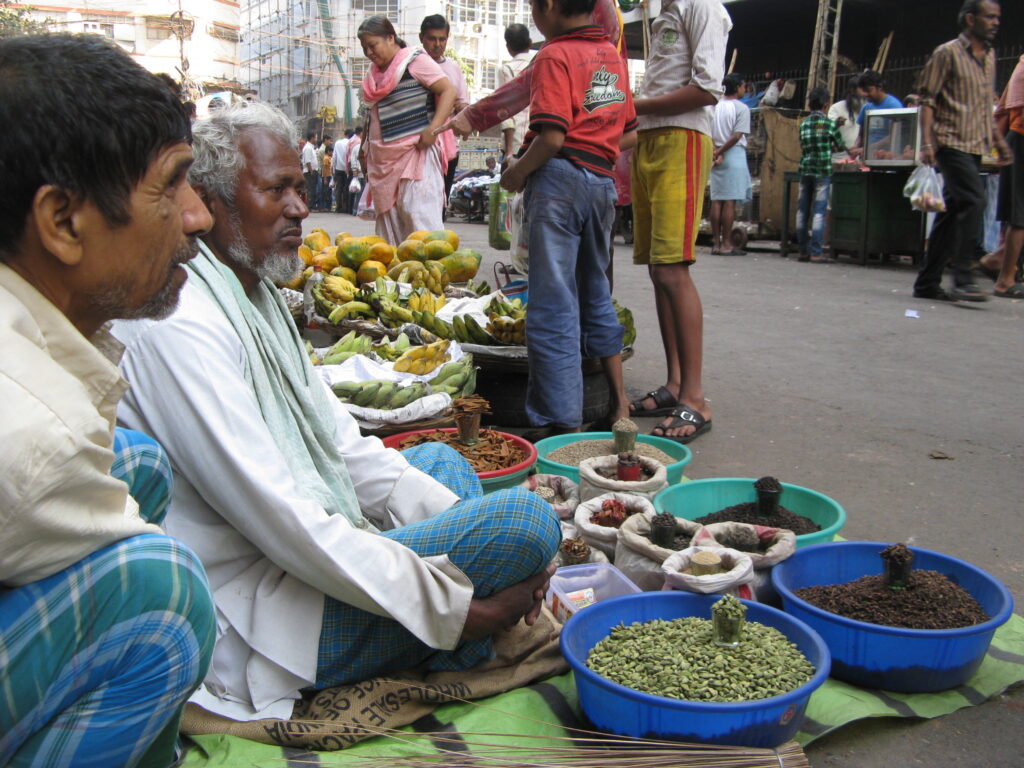
Tiretta Bazaar: Kolkata’s Old Chinatown at Breakfast
The Town You Sleep In
Why the base town shapes a monsoon waterfall trip more than any single fall, what to look for, and towns in Karnataka, Kerala and Goa worth considering.
One village ghat upriver
Train versus road that week
Markets before the 20th, not on it
Journeys Worth Discovering
Explore inspiring destinations, memorable journeys and travel stories from across India and beyond.
Explore destinations




