
For an hour or two after dawn, a few streets in central Kolkata turn into a Chinese breakfast market. By the time the offices open, it has vanished.
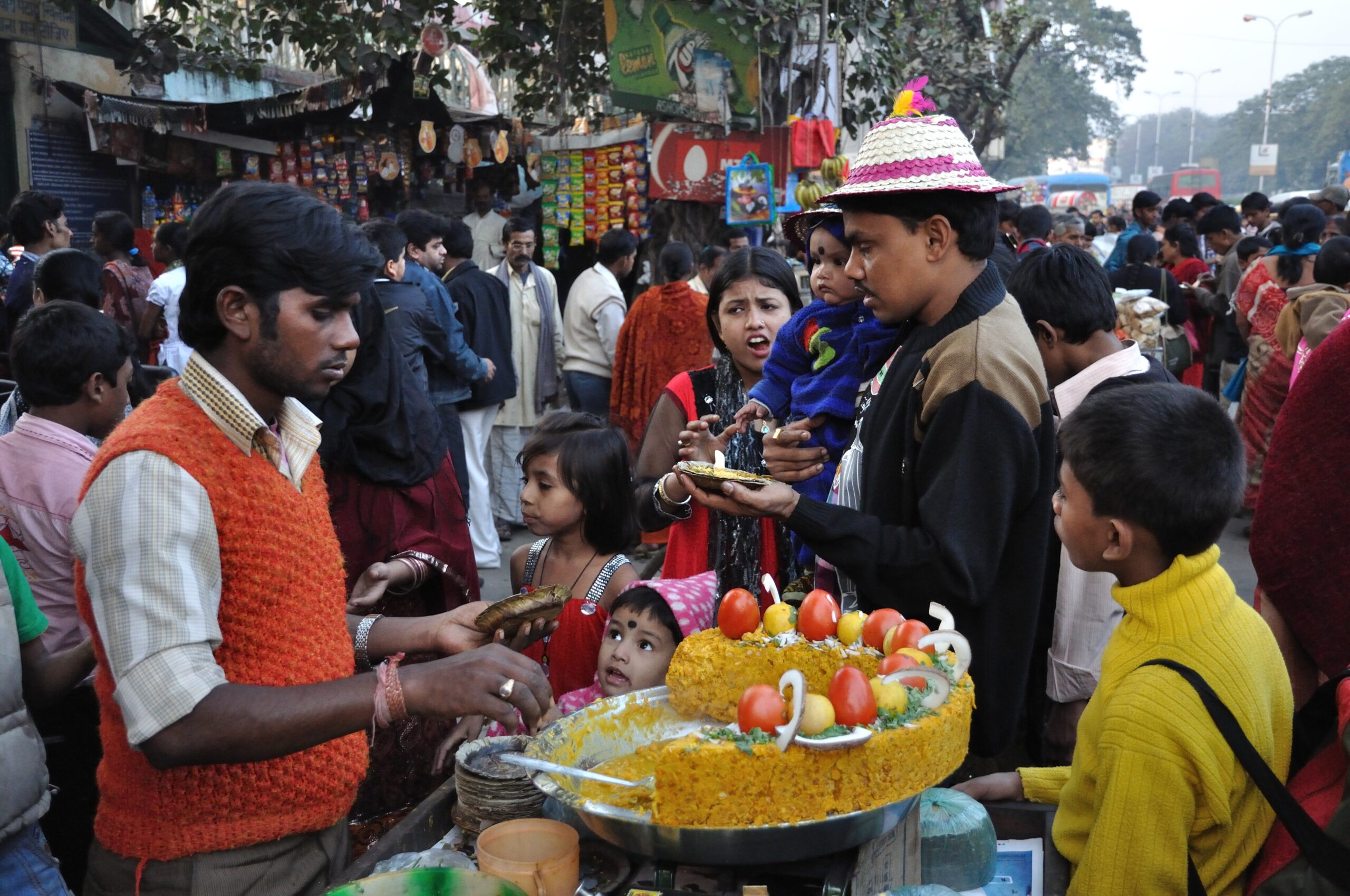
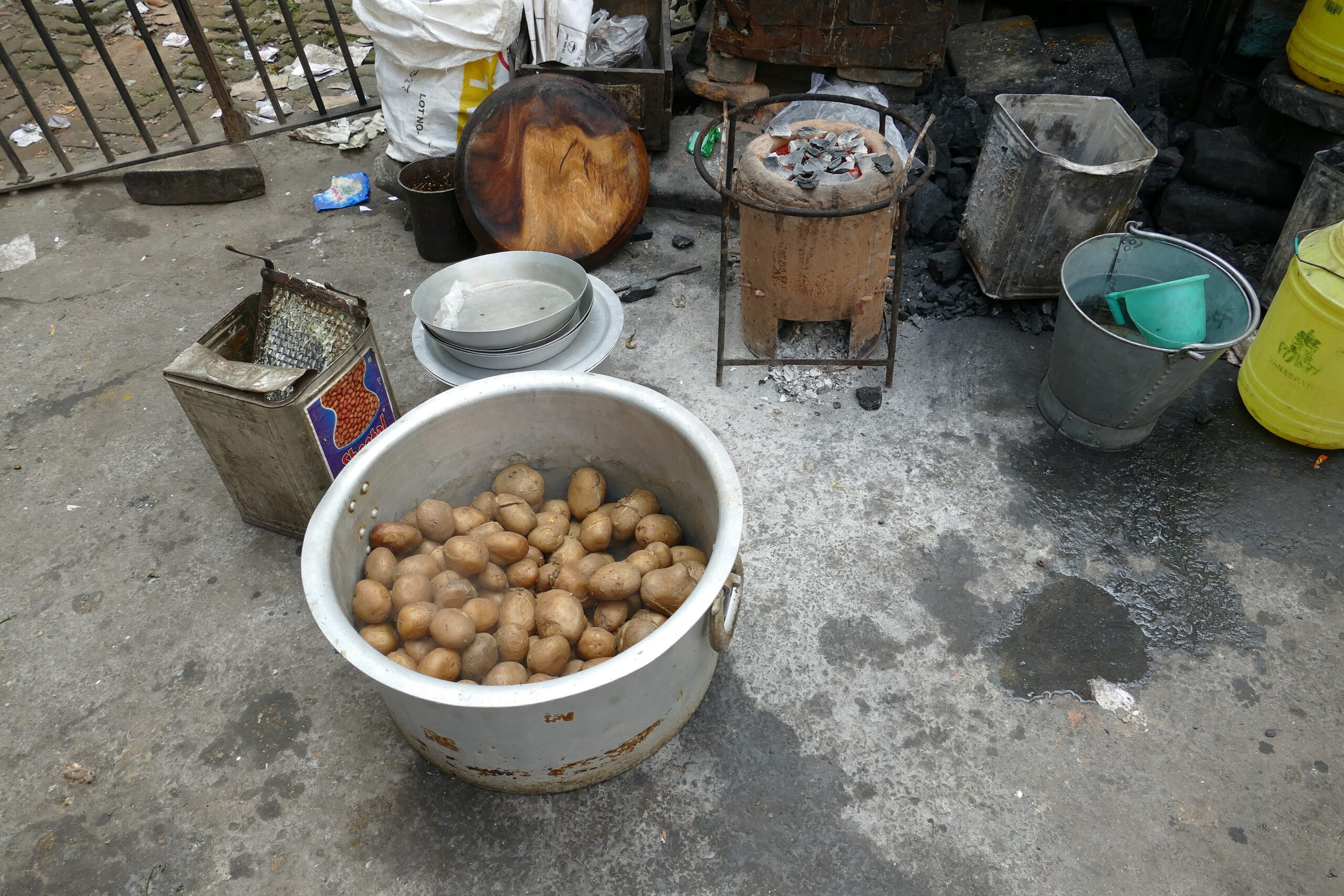
It is barely light when the first trestle tables go up on the pavement near Poddar Court. A woman unwraps a steamer basket, and a cloud rises into the cool morning air, smelling of pork and ginger. Beside her, a man ladles fish-ball soup from a dented aluminium pot. Further along, there are trays of baos, sausages strung in loops, prawn crackers in plastic bags, sesame balls, and tiny pastries. Customers stand and eat from paper plates, chat in a mixture of Hakka, Bengali, Hindi and English, and drift away. Within a couple of hours the tables are folded, the street is swept, and central Kolkata’s working day roars back in as though none of it ever happened.
This is Tiretta Bazaar, Kolkata’s old Chinatown, and its breakfast market is one of the city’s most fragile and charming traditions. It is not well signposted, it does not advertise, and it will not wait for you to wake up. That is exactly why it is worth the early alarm.
India’s oldest Chinese community
Chinese settlement in Bengal is usually traced to the late eighteenth century, when a trader known as Yang Dazhao, often called Tong Achew, is said to have set up a sugar mill at Achipur, south of Calcutta. In the nineteenth century, Chinese migrants, many of them Hakka and Cantonese, came to the growing colonial city as carpenters, shoemakers, tanners, dentists and traders, and settled around what is now Tiretta Bazaar, near Bowbazar and Lalbazar. The bazaar itself takes its name from Edward Tiretta, an Italian adventurer who owned the land in the eighteenth century.
A later Chinese neighbourhood grew up in Tangra, on the eastern edge of the city, around the leather tanneries, and became famous for its restaurants. Both communities have shrunk greatly since the 1960s, when the 1962 Sino-Indian war brought suspicion, internment and deportation for many Chinese Indians, and later decades saw many families emigrate. Those who remain are proudly Kolkatan.
The breakfast
The morning market is the community’s most visible tradition. Exact hours vary and depend on the day and the season, so the only rule is: go early, around first light. Vendors set up along the lanes near Sun Yat Sen Street and Chattawala Gali, and sell out quickly.
What you might find:
- Steamed dumplings and momos filled with pork, chicken or vegetables.
- Baos, soft steamed buns, sweet or savoury.
- Fish-ball and meatball soups, ladled hot.
- Chinese sausages, home-made and sold by the string.
- Sesame balls, prawn crackers and sweet pastries to take away.
Prices are low, and stalls are cash-only. Bring small notes and a bag, as many people buy sausages, sauces and pastries to take home. Ask what is in a dish if you have dietary restrictions; pork is common.
The temples and clubs
After breakfast, walk the surrounding lanes. Tiretta Bazaar has several Chinese temples and community halls, some more than a century old, founded by clan and regional associations. Many are inside ordinary-looking buildings, recognisable by red doors, Chinese characters and lanterns. Some welcome respectful visitors, especially around Chinese New Year; others are private. Ask before entering, and do not photograph worshippers without permission.
Look out, too, for old Chinese shoe shops, dentists’ signboards and sauce-makers, remnants of trades the community once dominated.
Even if you are not hungry, stand for a while and watch. The market is as much a social hour as a meal: old friends greet each other, prices are argued over gently, and news passes from table to table.
Chinese New Year
If you can time a visit for Chinese New Year, usually in late January or February, the neighbourhood comes alive with lion dances, firecrackers and decorated temples. It is the best day of the year to experience the community, and a very different scene from a quiet May morning.
What is changing
The Chinatown of Tiretta Bazaar is fragile. Families have moved abroad, buildings are ageing, and the breakfast market depends on a small number of mostly older vendors. Heritage groups and community members have campaigned to protect and celebrate the area. As a visitor, the best thing you can do is come, eat, buy something, and spread the word kindly.
How to reach
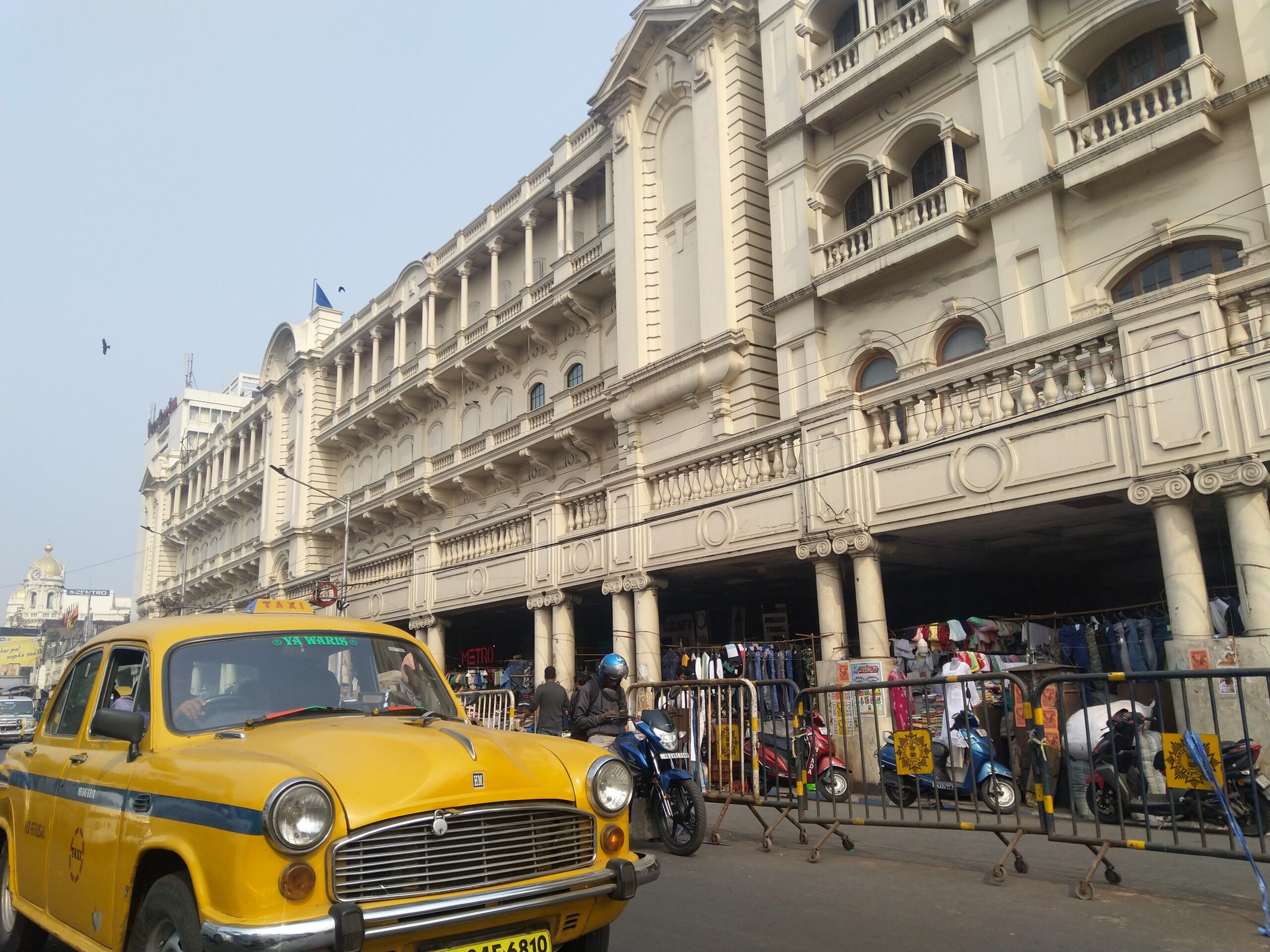
Tiretta Bazaar is in central Kolkata, close to Lalbazar and Bowbazar, a short walk north-east of Dalhousie (BBD Bagh). The nearest Metro stations are Central and Esplanade on the Blue Line; at dawn, a taxi or app cab will get you there quickly. Ask for Poddar Court or Sun Yat Sen Street.
Best time
Early morning, any day, though weekends are often busiest. In May, the breakfast hour is also the coolest of the day. The cooler months from November to February are the most pleasant, and Chinese New Year is the highlight.
Where to stay and eat
Central Kolkata, around Esplanade, Dalhousie and Park Street, is close by and offers hotels at every level. After breakfast you can walk to the old office district of Dalhousie, or go on to the river; see the ghats at dawn. For Indian Chinese restaurant food, Tangra in the east of the city is the place, especially in the evening. More on how the city eats in Kolkata’s food rooms.
Tips
- Go at first light; the market can be gone within a couple of hours.
- Carry small cash and a bag.
- Ask before photographing vendors and temples.
- Be patient with language; a smile and pointing work fine.
- Pair it with a dawn walk on the ghats, or a morning in north Kolkata.
A less-walked bazaar
Kolkata has grander markets: New Market with its Victorian clock tower, Burrabazar with its endless wholesale lanes, Gariahat with its pavement saris. Tiretta Bazaar is smaller and stranger, a few streets where a community of migrants has kept its breakfast alive for generations. Go once, early, and you will remember the taste of the soup long after the rest of the trip has blurred.
December 2022
Qutub Minar

Kalaripayattu : The Oldest Martial Art
The Town You Sleep In
Why the base town shapes a monsoon waterfall trip more than any single fall, what to look for, and towns in Karnataka, Kerala and Goa worth considering.
One village ghat upriver
Train versus road that week
Markets before the 20th, not on it
Journeys Worth Discovering
Explore inspiring destinations, memorable journeys and travel stories from across India and beyond.
Explore destinations




