
Spiti is beautiful, remote and, for the unprepared, occasionally unforgiving. Many of the problems travellers run into here are not dramatic. They are practical: a missing document at a check post, an empty fuel tank between towns, a day without any way to call home. This page covers three of those practical matters: permits, fuel and the long hours without a mobile network.
As with every page in this issue, rules and services change. Treat this as a guide to the questions to ask, not a substitute for checking current information before you travel.
Permits
Who may need one. Parts of the route into Spiti, particularly the stretch of the Kinnaur and Spiti valleys near the international border, have historically been subject to special permit requirements for foreign nationals. These are commonly known as Inner Line or Protected Area permits. The rules, the areas covered and the issuing offices have changed over the years, so foreign travellers should check the current position well before their trip, through official Himachal Pradesh government sources or a reputable local agency.
Indian nationals. In recent years Indian citizens have generally not needed a special permit for the main Spiti circuit, but that can change, and requirements may apply in specific areas. Carry a valid government photo ID at all times, as you may be asked to register at check posts.
Other permissions. Some activities may need separate permission. These may include:
- Trekking in protected areas such as national parks
- Camping at certain sites
- Flying drones (see our final piece)
- Entering restricted military or border areas, which are generally off-limits
Practical tips.
- Carry several photocopies of your ID and, if applicable, passport and visa.
- Keep digital copies on your phone, saved offline.
- Have passport-size photographs with you in case they are needed.
- Do not assume rules you read about online are current. Ask locally.
Fuel
Fuel stations in and around Spiti are few and far between, and running out of fuel on a high, empty road is a serious problem.
Where to fill up. Kaza has a petrol pump, often described as one of the highest in the world, and it is the main fuel stop within the valley. On the Kinnaur side, larger towns such as Reckong Peo and others along the route have fuel stations. On the Manali side, travellers commonly fill up in the Lahaul area before heading towards the passes. Tandi, near Keylong, is frequently mentioned as a fuel stop, though it is not directly on the Spiti route and requires planning. Check with your driver or a local source about the current options on your route.
Plan for gaps. Between these points, there may be long stretches with no fuel at all. Fill up at every opportunity, even if your tank is half full.
Carry a reserve. Many travellers on motorcycles or in private vehicles carry extra fuel in an approved container. Do so safely and legally, and ask whether it is permitted on your vehicle.
Fuel may run out. Supplies to remote pumps can be disrupted by road closures. A pump being open does not guarantee fuel is available.
Altitude affects consumption. Steep climbs and rough roads can increase fuel use. Allow a generous margin.
The no-network hours
For many visitors, the hardest adjustment in Spiti is not the altitude or the road. It is being out of contact.
What to expect. Mobile coverage in Spiti has improved in recent years, but it remains patchy. Kaza and some larger villages may have a signal from one or more operators, but long stretches of road, many villages and most of the side valleys may have little or none. Data can be slow even where a signal exists. Which operator works best changes; ask locally.
Before you lose signal.
- Download offline maps of the whole route.
- Save important phone numbers: your accommodation, your driver, emergency services.
- Tell someone at home your planned route and dates, and when you expect to be back in contact.
- Download any documents you might need: bookings, permits, insurance details.
- Carry a paper copy of key information.
While you are offline.
- Stick to your stated plan where possible, so people know where to look if something goes wrong.
- If your plans change, leave word with your accommodation.
- Do not rely on online payment. Carry enough cash for several days; ATMs in Kaza may not always work.
- Consider whether a satellite communication device makes sense for your trip, particularly if you plan to trek. Check rules on their use in India first, as some satellite devices are restricted.
The upside. Many travellers come to appreciate the no-network hours. There is a particular peace in a day without notifications, and it encourages you to pay attention to where you are.
Emergencies
Plan for the worst while hoping for the best.
- Know where the nearest medical facilities are on each stage of your route. Kaza has a hospital; smaller villages may have only basic health centres.
- Carry a basic first aid kit and any personal medication, with extra in case of delays.
- Have travel insurance that covers high-altitude travel and evacuation if you are trekking, and read the exclusions carefully.
- Note the national emergency number and any local numbers your host provides.
- If someone has severe altitude symptoms, descending is usually the priority. Do not wait for a signal to call for help if you can safely move down.
Cash and supplies
Beyond fuel and phones, a few other practical points:
- Cash. Carry more than you think you need. Card and digital payments may not work everywhere.
- Water. Carry a refillable bottle and a way of purifying water. Many guesthouses offer filtered water.
- Food. Carry some snacks for long drives. Shops between towns are limited.
- Spares. For vehicles, carry a spare tyre and basic tools; for motorcycles, more extensive spares.
- Warm clothing. Even in summer, nights and high passes can be very cold.
A checklist before you leave the last town
- Fuel tank full
- Cash for several days
- ID and permits, with copies
- Offline maps downloaded
- Route and dates shared with someone at home
- Water and snacks
- Warm layers within reach
- First aid kit and medications
Permit rules, fuel availability and network coverage change. Check current information with official sources and local operators before you travel.
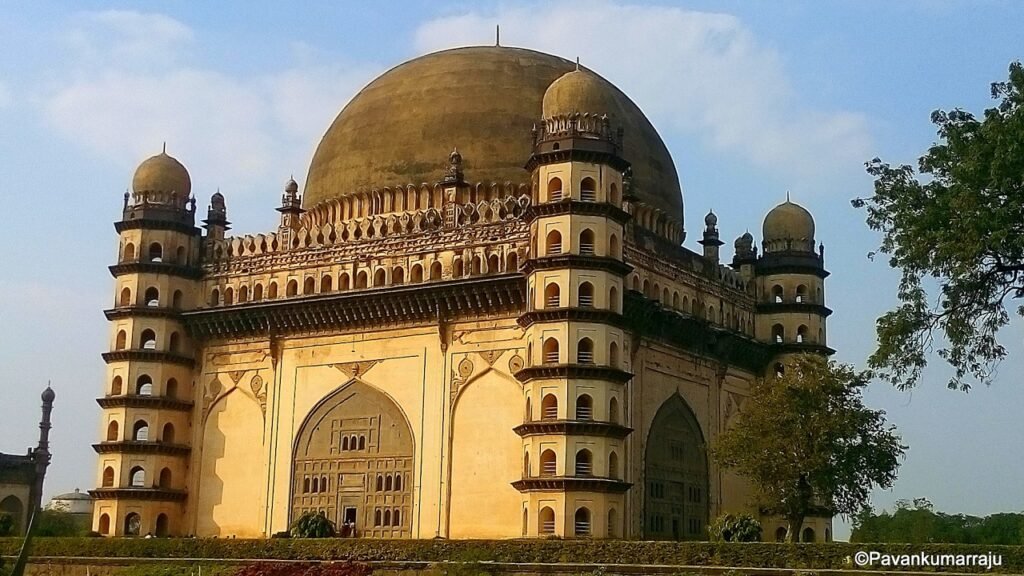
Bijapur, ‘City of Domes & Minarets’
Editor’s Letter: Kumaun, the Gentler Face of the Himalaya
Aurangabad, The Historic City
The Town You Sleep In
Why the base town shapes a monsoon waterfall trip more than any single fall, what to look for, and towns in Karnataka, Kerala and Goa worth considering.
One village ghat upriver
Train versus road that week
Markets before the 20th, not on it
Journeys Worth Discovering
Explore inspiring destinations, memorable journeys and travel stories from across India and beyond.
Explore destinations




