
Kaza is where almost everyone in Spiti ends up. It is the valley’s main town and administrative centre, the place with the most guesthouses, cafés, shops and services, and the natural base for exploring the villages and monasteries around it. Most visitors treat it as a stopover: a night or two, a quick look at the market, then off on the circuit.
We think Kaza deserves better. This piece is an argument for treating it as a town to live in for a few days, rather than a checklist of things to do before moving on.
Where Kaza is
Kaza sits on the banks of the Spiti River, at an altitude usually given as roughly 3,600 to 3,800 metres depending on the source. It is surrounded by bare, steep mountains and a wide, braided riverbed. The villages of Kibber, Key, Langza, Hikkim and Komic lie on the slopes above, reached by winding side roads.
The town is often described as having an older part and a newer part, with the older lanes, monastery and some traditional buildings in one area and newer shops, hotels and government offices in another. The distinction is not sharp, and the town keeps changing as it grows.
Why stay longer
Acclimatisation. Kaza is high, and for many people arriving here is the moment the altitude really starts to be felt. Spending two or three nights here before heading higher, and taking it easy on the first day, is one of the best things you can do for your health. Our piece on rest days goes into this in more detail.
Practicalities. Kaza is where you will find most of the valley’s services: fuel, ATMs (which may not always be working), pharmacies, a hospital, mechanics, and shops selling basics. It is also where mobile coverage and internet are most likely to be available, though they can be patchy. If something goes wrong on your trip, Kaza is usually where you sort it out.
The town itself. Kaza has a life of its own that you only notice if you stay. Mornings when shopkeepers open their shutters and the first buses leave. Afternoons when the wind picks up and dust blows down the lanes. Evenings in a café, talking to travellers and locals about the road, the weather and the season. It is not a beautiful town in the postcard sense, but it is a real one.
How to spend a few days in Kaza
Here is how we would spend three unhurried days, assuming you arrive in reasonable health.
Day one: do almost nothing. Arrive, check in, drink plenty of water and rest. Take a short, gentle walk around the market in the afternoon. Eat early, sleep early. Resist the urge to drive anywhere.
Day two: walk the town. Visit the monastery in town, walk along the river, browse the shops and sit in a café. If you feel well, take a short walk up a nearby slope for a view of the valley, keeping the pace slow.
Day three: one village. Take a short drive to one of the nearby villages, such as Langza, Kibber or Hikkim, and spend a few hours there rather than rushing between all of them. Return to Kaza for the night.
From there, you can head out to stay in a village homestay, visit Key Monastery, or continue towards Pin Valley or Tabo.
Eating in Kaza
Kaza has a range of places to eat, from simple dhabas serving thukpa, momos and rice-and-dal meals to cafés catering mainly to travellers. Many places close or reduce their hours outside the main summer season. Fresh produce has to travel a long way, so menus can be limited and prices higher than in the plains. Local dishes are worth seeking out; ask your host what is in season.
Drink plenty of water and go easy on alcohol, especially in your first days at altitude.
Water and waste
Water is precious in Spiti. Much of it comes from snowmelt and is carefully managed by communities. Take short showers, and do not be surprised if hot water is limited or available only at certain times.
Waste is a growing problem. There is no easy way to dispose of plastic in the valley, and much of it ends up burned or dumped. Carry a refillable bottle; many guesthouses and cafés offer filtered water refills. Avoid buying packaged snacks where you can, and carry any waste you do generate back out of the valley.
Respecting the town
Kaza is a working town, not a theme park. A few small courtesies help:
- Ask before photographing people, especially monks, elders and children.
- Dress modestly, particularly when visiting the monastery.
- Walk clockwise around chortens and prayer wheels, following local custom.
- Support local businesses, from family-run guesthouses to local shops and drivers.
- Be patient. Things move at their own pace here.
Staying healthy in town
Kaza is a good place to notice how your body is coping. Keep an eye on headaches, sleep and appetite, and do not ignore symptoms that get worse. The town has medical facilities, and your host can usually point you to them. If you feel seriously unwell, the standard advice at altitude is to descend rather than wait.
When to go
Kaza can be reached for much of the year via the Kinnaur route, but most visitors come in the summer months, when the weather is milder and the Manali route is usually open. Winter visits are possible but very cold, with many businesses closed and travel more difficult. Shoulder seasons can be quieter and beautiful but less predictable.
The town, not the checklist
It is very easy to see Kaza as a place to sleep between sights. But the sights will still be there tomorrow. Give the town a few days. Let your body adjust, your pace slow and your sense of the valley deepen. When you leave, you may find that the town you passed through has become the place you remember most.
Altitude figures, services and opening hours change. Please check current details locally.
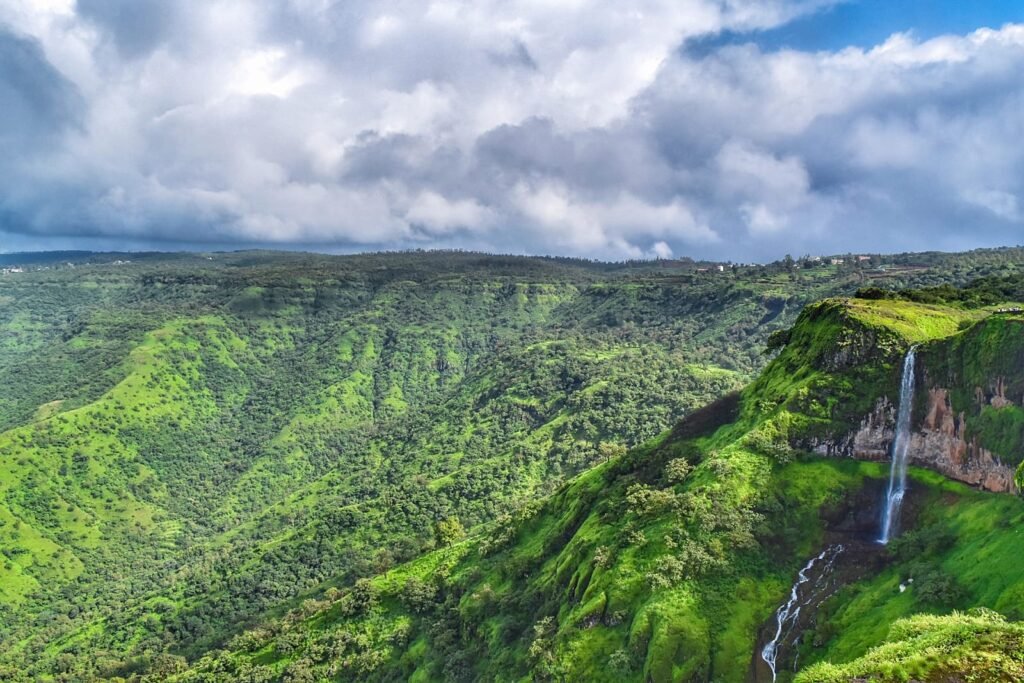
Maharashtra to connect 350 locations into an eco-tourism circuit
Packing for a hot car

Hot Air Balloon Festival (Karnataka)
The Town You Sleep In
Why the base town shapes a monsoon waterfall trip more than any single fall, what to look for, and towns in Karnataka, Kerala and Goa worth considering.
One village ghat upriver
Train versus road that week
Markets before the 20th, not on it
Journeys Worth Discovering
Explore inspiring destinations, memorable journeys and travel stories from across India and beyond.
Explore destinations




