
If you want to understand what slow mountain travel means in India, take one road and give it a week. Our choice for June is the road that leaves Shimla, crosses the apple belt around Narkanda, drops to the Sutlej and then follows that river upstream into Kinnaur, ending at the village of Kalpa beneath the Kinner Kailash range. It is a road of real contrasts: pine forest and bare rock, crowded towns and tiny villages, Hindu temples carved in wood and Buddhist prayer flags. Most of all, it is a road that punishes hurry and rewards patience.
The road itself
The route follows what is now part of National Highway 5, historically known as the Hindustan–Tibet Road, built in the colonial era along the line of older trade paths. The distance from Shimla to Kalpa is a little over 200 kilometres, but distance means very little here. Road conditions vary with season, landslides and ongoing construction, and a journey that looks like a long day on a map is far better split across several days.
In June the road is generally open, and the weather in the higher sections is pleasant. Towards the end of the month, as the monsoon approaches, the risk of landslides increases, particularly in the Kinnaur gorge. Check current road status with local authorities or your homestay before setting out, and leave a buffer day at the end of your trip.
Day one and two: Shimla to Narkanda
Many travellers rush past Narkanda on their way somewhere else. Stop instead. The town sits at roughly 2,700 metres on a ridge surrounded by apple orchards and forest, and in June it is cool, green and far calmer than Shimla.
The classic walk is up to Hatu Peak, where a small wooden temple sits among deodar and fir. You can drive most of the way, but walking at least part of it lets you hear the forest. On a clear morning the views of the snow ranges are a quiet reward. Spend an evening in an orchard homestay and ask about the apple year: in June the fruit is still small and green on the branches, and growers watch the weather closely.
Day three: down to the Sutlej and up to Sarahan
From Narkanda the road descends steeply towards the Sutlej, and the air warms as you go. Rampur, the old seat of the Bushahr rulers, is a busy river town, worth a short stop for its palace exterior and bazaar.
Above the river, a side road climbs to Sarahan, home to the Bhimakali temple. The temple is one of the best examples of the wood-and-stone architecture of this region, with tiered roofs and carved balconies. Visitors are generally asked to observe dress rules, such as covering the head, and some inner areas may have restrictions; follow what the temple staff tell you. Sarahan itself is quiet, with views across the valley to the Srikhand range. One night here slows the whole trip down in a good way.
Day four: into Kinnaur
Beyond Jeori the valley tightens into a gorge. This stretch is dramatic and, honestly, sometimes unnerving: sheer rock above, the river far below and hydroelectric works along the way. Drive in daylight, take breaks and do not race other vehicles.
At Karcham, the Baspa river joins the Sutlej, and a road turns off into the Baspa or Sangla valley. If you have time, this detour is one of the most beautiful in Himachal. Sangla and the villages around it are surrounded by orchards and forest, and the road continues to Chitkul, often described as the last inhabited village on this side of the border with Tibet. Chitkul has become popular, so go early in the day or stay overnight to feel it at its quietest.
Day five and six: Kalpa
Kalpa sits above Reckong Peo, the district headquarters of Kinnaur, at around 2,900 metres. Its reason for fame is the view. Across the valley rises the Kinner Kailash range, and at dawn the peaks catch the first light while the village is still in shadow. Many visitors look for the rock pillar associated with Kinner Kailash, considered sacred by many in the region.
The village itself is worth walking slowly. Look for old houses of stone and wood, a temple in the traditional style, a small Buddhist monastery, and the apple orchards that cover the slopes. Kinnaur apples are highly prized, and in June the orchards are busy with work. Kinnauri people often wear the distinctive green-banded cap, and you may see it everywhere from the bus stand to village gatherings.
There is nothing to tick off in Kalpa. Sit, watch the light move across the range, walk down to a village and back, and drink apple juice or tea with whoever runs your guesthouse.
Why this route explains slow travel
On this road, rushing simply does not work. The gorge does not allow it, the weather may not allow it and the villages do not respond to it. Travellers who try to drive Shimla to Kalpa in a single day usually arrive exhausted and see little. Those who take five or six days notice how the landscape shifts from green forest to drier, rockier ground, and how architecture, food and faith change with it.
It is also a route where your choices matter. Staying in family-run homestays keeps your spending in the valley. Buying fruit and dried goods from local sellers supports orchard families. Carrying your waste back down helps villages with little infrastructure to deal with it.
Practical notes
- Getting there: Shimla is connected by road from Chandigarh and by the narrow-gauge Kalka–Shimla railway. HRTC (Himachal Road Transport Corporation) buses run along this route to Reckong Peo and beyond; check current timetables locally.
- Permits: Indian citizens generally do not need a permit to reach Kalpa or Sangla. Areas further up towards the border may require an Inner Line Permit, especially for foreign nationals. Check current rules before you go.
- Altitude: Kalpa and Chitkul are high enough that some people feel mild altitude effects. Climb gradually, stay hydrated and rest on arrival.
- Money and network: ATMs and mobile signal can be patchy in smaller villages. Carry some cash.
- Fuel: Fill up in larger towns such as Rampur and Reckong Peo.
A road for patient travellers
The Sutlej road is not a secret, and in June you will not have it to yourself. But it remains one of the clearest lessons in how to travel the Indian Himalaya: one road, many days, and enough time to let each stop become a place rather than a photo. Leave Shimla in the morning, stop when the view tells you to, and arrive in Kalpa without being in a hurry to leave.
More from Issue 74
- Escape the Heat: June 2025 Issue Index
- Editor’s letter: Escape the Heat with Meaningful Mountain & Slow Travel Experiences in India
- Hill Stations to Beat the Heat in June: Discover India’s Coolest Escapes
- Destinations with Magical June 21st Sunrises
- Best Places to Settle for a June Workation
- Discover Hidden Villages of the Himalayas for a June Retreat
- Spiritual Sojourns in Summer: Pilgrimages to Take in June
- Three days, not a checklist: Landour and Mussoorie, slowly
- What to skip on a first summer trip to the hills
- A quieter place beside the famous one: Tirthan Valley beside Kullu–Manali
- Food, stay, and how you actually move in the summer hills
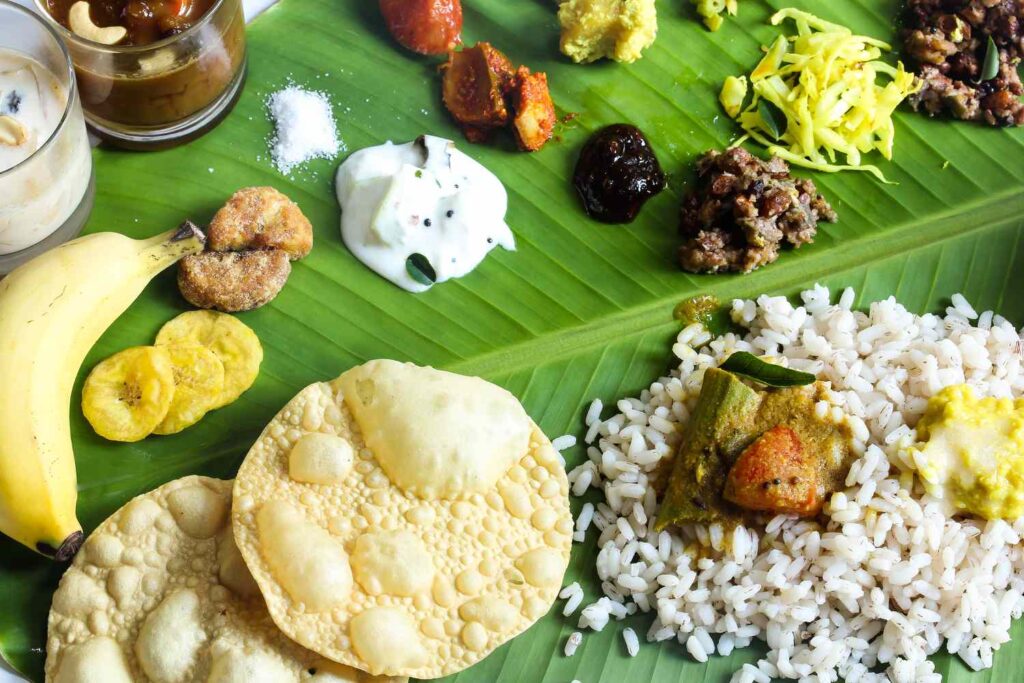
Kerala Cuisine: An Exquisite Blend of Coconut, Spice, & Traditional Flavours

Bike Ride In Sikkim
The Town You Sleep In
Why the base town shapes a monsoon waterfall trip more than any single fall, what to look for, and towns in Karnataka, Kerala and Goa worth considering.
One village ghat upriver
Train versus road that week
Markets before the 20th, not on it
Journeys Worth Discovering
Explore inspiring destinations, memorable journeys and travel stories from across India and beyond.
Explore destinations




