
Every June, the road to Manali becomes one of India’s busiest holiday routes. The town fills, traffic snakes up through the Kullu valley, and the most famous viewpoints are crowded from morning to night. Yet a short detour off that same highway leads into a very different place: the Tirthan Valley, a narrow, forested river valley in Kullu district where the main sounds are flowing water and birdsong.
Tirthan is no longer a secret. It has grown steadily in popularity, and on long weekends it can be busy too. But compared with Manali in peak season, it remains a quieter, slower alternative, and a good example of how choosing the neighbour of a famous place can transform a mountain trip.
Where it is
Tirthan Valley lies in the Banjar area of Kullu district in Himachal Pradesh. Travelling up the Chandigarh–Manali highway, you turn off near Aut, close to the long road tunnel there, and follow a smaller road along the Tirthan river towards Banjar. From the turn-off, villages such as Nagini and Gushaini are a relatively short drive, though mountain roads always take longer than the distance suggests.
The Tirthan river is a tributary in the Beas river system, flowing down from the higher ranges. Much of the upper valley lies on the edge of the Great Himalayan National Park, which gives the area its unusual sense of wildness.
Why it is different from Manali
The difference is partly scale. Instead of a large town, Tirthan is a string of villages and hamlets, with homestays and small guesthouses scattered along the river and up the slopes. There are no malls, few big hotels and very little nightlife. Days are shaped by walks, river time and meals with your hosts.
It is also a different kind of landscape. The valley is narrow and green, with orchards, terraced fields, old wooden houses and thick forest on the slopes. In June it is warm by day at the river level but pleasantly cool in the evenings, and higher villages are cooler still.
What to do
Spend time by the river
The simplest pleasure in Tirthan is sitting by the river. Many homestays are close to the water, and the sound becomes the background to everything. The river is known for trout, and angling is regulated; if you want to fish, ask locally about licences, seasons and catch-and-release rules rather than assuming it is allowed.
Swimming is not recommended. The water is cold and fast, and currents can be dangerous, especially when snowmelt or rain raises levels.
Walk into the forest
Short walks from Gushaini and nearby villages lead through orchards and forest to smaller hamlets. Ask your hosts for routes suited to your fitness; many have a favourite walk to a waterfall or village temple.
The Great Himalayan National Park
The Great Himalayan National Park was inscribed as a UNESCO World Heritage Site in 2014. It protects a large area of high mountain forest, alpine meadows and glaciers, and is home to species such as the Himalayan tahr, musk deer and several pheasants including the western tragopan. Most visitors see only its fringes, but even a day walk into the buffer zone gives a feel for its scale.
Entry to the park requires permits, and longer treks should be done with registered guides. The park administration has offices in the area; check current rules, fees and routes there or on official sources before planning a trek. Note that the monsoon months bring heavy rain and leeches, and some routes may be closed.
Jibhi and Jalori Pass
Across a ridge from the Tirthan river, the village of Jibhi has become popular for its wooden homestays and forest setting. From there, the road climbs to Shoja and on to Jalori Pass, at over 3,000 metres. From the pass, popular walks lead to Serolsar Lake, a small lake surrounded by forest, and in the other direction to the ruins of Raghupur Fort, with wide views. Both are moderate walks of a few hours return. The pass road is narrow and steep; drive carefully or hire a local driver.
Old architecture
The region is known for its traditional kath-kuni architecture, with alternating layers of wood and stone. One famous example is the tall tower of Chehni Kothi near Banjar, reached by a walk from the road. Respect that many such buildings are still in use by local communities, and ask before entering temple areas.
Where to stay
Tirthan, Jibhi and the surrounding villages have a wide range of homestays, from simple village rooms to more comfortable guesthouses. Staying with a family gives you home-cooked Himachali food and local knowledge about walks and weather. Book ahead in June, and check access: some homestays are a short walk from the road, which matters if you have heavy luggage.
A note on fragility
The valley’s growing popularity brings both opportunity and pressure. New buildings have appeared close to the river, and waste management is a challenge. Heavy rain in recent monsoons has also caused flooding and damage in parts of Himachal, including river valleys like this one. As a visitor, you can help by choosing responsible stays, avoiding plastic, staying on trails and respecting the river.
Getting there
- By road: From Delhi or Chandigarh, take the highway towards Manali and turn off near Aut. Overnight buses run to the Kullu–Manali area; from Aut, local taxis and some buses serve the Banjar side. Check local timetables.
- By air: The nearest airport is at Bhuntar near Kullu. Flights are limited and weather-dependent.
- Time needed: At least three to four nights to make the detour worthwhile.
Practical notes
- Network and cash: Mobile networks work in many areas but can be patchy. Carry cash for small homestays and shops.
- Weather: June is generally pleasant. Pre-monsoon rain is possible, and the monsoon typically arrives towards the end of the month. Check advisories.
- Leave no trace: Take your rubbish with you, especially on walks.
The lesson of the neighbour
Tirthan works because it asks you to slow down. There are no headline sights to rush between, only a river, forests and villages. In a month when much of the Kullu valley is crowded, that is a gift. The next time a famous hill town feels too full, look at the map for the valley next door.
More from Issue 74
- Escape the Heat: June 2025 Issue Index
- Editor’s letter: Escape the Heat with Meaningful Mountain & Slow Travel Experiences in India
- Hill Stations to Beat the Heat in June: Discover India’s Coolest Escapes
- Destinations with Magical June 21st Sunrises
- Best Places to Settle for a June Workation
- Discover Hidden Villages of the Himalayas for a June Retreat
- Spiritual Sojourns in Summer: Pilgrimages to Take in June
- The one route that explains slow mountain travel: Shimla to Kalpa along the Sutlej
- Three days, not a checklist: Landour and Mussoorie, slowly
- What to skip on a first summer trip to the hills
- Food, stay, and how you actually move in the summer hills
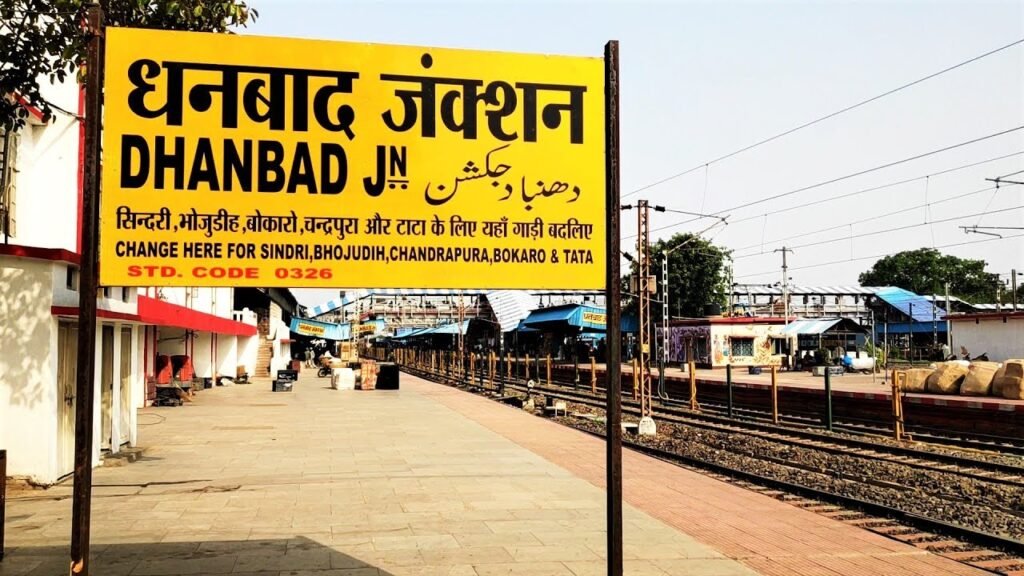
Around Dhanbad

Bekal Fort: The Largest Fort in Kerala

Best Places to Settle for a June Workation
The Town You Sleep In
Why the base town shapes a monsoon waterfall trip more than any single fall, what to look for, and towns in Karnataka, Kerala and Goa worth considering.
One village ghat upriver
Train versus road that week
Markets before the 20th, not on it
Journeys Worth Discovering
Explore inspiring destinations, memorable journeys and travel stories from across India and beyond.
Explore destinations




