
Dear reader,
There is a particular feeling to India’s coast in May. The air is thick and warm, the light is hard at noon and golden by evening, and everyone seems to be waiting. Fishermen are mending nets and preparing boats for the annual break in fishing. Shack owners on many beaches are counting down to the day they pack up. The sea itself has a restlessness that, in a few weeks, will become the monsoon.
This is the moment our May issue sets out for the coast.
Why go now
May is not the most comfortable month for a beach holiday. It is hot and humid in most coastal places, and by the end of the month the weather can turn. But it has real advantages. Many beaches are quieter than in the winter peak. Prices for stays often soften. On the Konkan coast, it is the height of mango season, and the markets smell of Alphonso. In the islands, before the monsoon, visibility underwater can still be good, though conditions vary.
Above all, May reminds us that the coast is a living place with seasons, not a permanent holiday backdrop. That is a useful perspective to carry with you.
Respect the sea
Every year, the news brings reports of visitors drowning at Indian beaches. Many of these tragedies happen at popular beaches, in water that looked inviting. Rip currents, sudden drop-offs and rough pre-monsoon seas can overwhelm even confident swimmers.
So my first request this month is simple. Swim only where swimming is allowed and lifeguards are on duty. Follow flag warnings and the advice of local people. Do not go into the sea after drinking alcohol, and never at night. Keep children within arm’s reach. A beach holiday should end with sunburn and memories, not grief.
Travel the coast with care
Coastal communities depend on the sea for food and livelihoods, and many are dealing with erosion, plastic pollution and the pressures of tourism. As visitors, we can help in small ways. Choose locally run homestays and eat in local restaurants. Buy fish and produce from local markets. Refuse plastic bottles where you can. Leave turtle nesting sites, mangroves and dunes alone. Respect fishing villages as homes and workplaces, not photo opportunities.
What you will find inside
Alongside our published pieces on responsible beach travel, water adventures, island trips, the eastern seaboard and budget beach holidays, this issue adds a few slower stories. We drive the Konkan coast from Ratnagiri to Goa, crossing creeks by ferry and stopping at sea forts. We spend three unhurried days in Gokarna. We offer an honest list of things to skip on a first beach trip, introduce Tarkarli and Devbagh as quieter neighbours to Goa, and finish with a practical guide to food, stays and transport along the coast.
A note on the monsoon
The south-west monsoon usually reaches Kerala around the start of June and moves up the west coast over the following weeks, but its timing varies each year. In some places, beaches are closed to swimming and many water sports and boat services stop for the season. Check local advisories before you travel, especially in the last week of May, and be flexible if plans need to change.
Go to the sea this month. Sit on the sand at dusk, eat a fish thali that someone’s grandmother would approve of, and watch the waves with respect.
Warmly,
Khushi Anand, Editor
More from Issue 73
- Beach Travel & Coastal Experiences: May 2025 Issue Index
- How to Explore Beaches Responsibly in Summer 2025
- Try Snorkeling, Kayaking, and Scuba Diving in India
- Planning a Trip to Andaman, Lakshadweep or Diu
- Walk through Coastal Journeys Along the Eastern Seaboard
- Why May is the Best Time for a Budget Beach Holiday
- The one route that explains the Konkan coast: Ratnagiri to Goa by the sea road
- Three days, not a checklist: Gokarna, slowly
- What to skip on a first beach trip in India
- A quieter place beside the famous one: Tarkarli and Devbagh beside Goa
- Food, stay, and how you actually move on India’s coast

The Palace on Wheels

Best National Parks to Visit in February for Animal Sightings
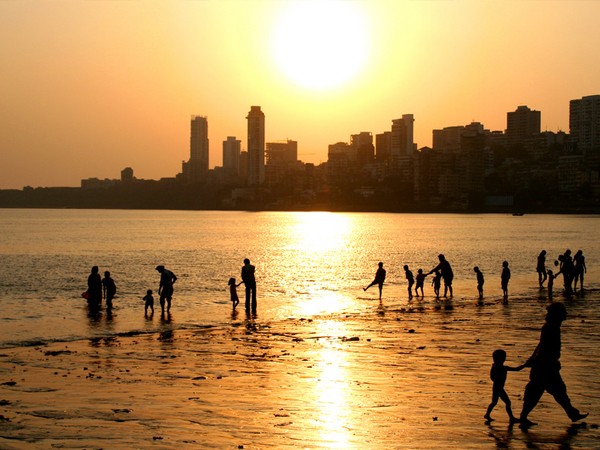
What’s Mumbai Without Its Beaches?
The Town You Sleep In
Why the base town shapes a monsoon waterfall trip more than any single fall, what to look for, and towns in Karnataka, Kerala and Goa worth considering.
One village ghat upriver
Train versus road that week
Markets before the 20th, not on it
Journeys Worth Discovering
Explore inspiring destinations, memorable journeys and travel stories from across India and beyond.
Explore destinations




