
Three days is not long in Kumaun. Roads are slow, distances are deceptive, and the region is far too big to see in a single trip. But three days is enough to get a feel for it, if you resist the temptation to tick off as many places as possible. This plan is built around three different experiences: a lake town, an old hill capital and a Himalayan forest. It assumes you arrive by train at Kathgodam or by road from Delhi, and that you are willing to travel slowly.
Distances and driving times here are approximate. Mountain roads change with the weather, and traffic in peak season can double journey times. Check locally and leave room for delays.
Day 1: Nainital, early and late
Nainital is the best-known town in Kumaun, and for good reason: the lake, wrapped in forested hills, is genuinely beautiful. It is also very crowded in summer, especially on weekends. The trick is timing.
Arrive by late morning if you can, settle in and spend the middle of the day quietly. Then go out in the late afternoon, when the light softens. Walk along the lake on the quieter side away from the Mall Road, or row a boat. Visit the Naina Devi temple, on the northern shore, which gives the town its name. In the evening, the Mall Road is lively with families and food stalls.
The next morning, wake up early. Before the crowds arrive, Nainital is a different place: mist on the water, quiet streets and the sound of birds. If the weather is clear, walk or take a taxi up to one of the viewpoints on the ridges above town, such as Snow View or Tiffin Top, for views of the high peaks to the north. Some of these walks are steep; ask locally about routes and current conditions.
Day 2: Almora, the old capital
From Nainital, drive to Almora, roughly 60 to 70 kilometres away and about two to three hours on the road through Bhowali and the Kosi valley. You may want to stop at Kainchi Dham on the way, but expect crowds.
Almora has a very different character from Nainital. It is a working town rather than a resort, built along a ridge and once the capital of the Chand kings. Spend the afternoon walking the old bazaar, with its stone-paved lanes, temples and shops selling copperware, woollens and sweets. Try bal mithai, a brown fudge-like sweet coated with sugar balls, which Almora is famous for.
In the late afternoon, head to Kasar Devi, a ridge a few kilometres outside town with a small temple and a long history of attracting writers, artists and spiritual seekers. The sunset views from here can be spectacular.
If you have extra time, the temple complex at Jageshwar, about an hour or more from Almora, is one of the most remarkable sites in Kumaun: more than a hundred stone temples, many centuries old, set among tall deodar trees.
Day 3: Binsar, the forest
On the third day, drive north from Almora to Binsar Wildlife Sanctuary, roughly 25 to 30 kilometres away. Binsar is a forest of oak and rhododendron on a high ridge, and on clear days it offers one of the widest views of the Himalayan range in Kumaun, with peaks including Nanda Devi visible on the horizon.
There is an entry fee at the sanctuary gate; check current charges. Walk the trail to Zero Point, a viewpoint at the top of the ridge, and spend time listening to the forest. Binsar is home to a wide range of birds, and if you are lucky you may spot langurs or deer.
If you can, stay a night inside or near the sanctuary. Accommodation is limited and simple, and electricity can be scarce, but watching the peaks catch the first light of dawn is unforgettable.
Why this is not a checklist
You might notice that this plan leaves out many famous places: Ranikhet, Kausani, Mukteshwar, Munsyari and more. That is intentional. Three days in Kumaun can easily become three days in a car if you try to see too much.
Instead, this plan gives you three different moods: a lake town, a cultural capital and a forest. It allows time to walk, sit, eat and talk to people. If you love it, you can come back and go further next time.
Practical tips
Book accommodation in advance in peak season, roughly April to June and around holidays. Nainital in particular fills up fast.
Hire a local driver for the journey if you are not used to mountain roads. Drivers who know the region make the trip safer and less stressful.
Carry layers. Even in summer, mornings and evenings can be cool, especially at Binsar.
Expect the monsoon from around late June. Views become less reliable, and landslides can disrupt roads. October and November often bring the clearest mountain views.
Carry cash. ATMs are available in Nainital and Almora, but network coverage can be patchy in forests and villages.
Where to eat
In Nainital, the Mall Road has plenty of restaurants and street food stalls. In Almora, look for small eateries serving Kumaoni dishes such as bhatt ki churkani, a black soybean curry; aloo ke gutke, spiced potatoes; and madua roti, made with finger millet. Ask your homestay host if they can cook a local meal; it is often the best food you will have on the trip.
Variations
If you are coming in winter, Nainital is quieter and the air is often crisp and clear, but some higher roads may be affected by snow. If you have an extra day, add Jageshwar or a night in Kausani. If you are a keen walker, consider a day hike on one of the trails around Binsar or Almora with a local guide.
A slower way to see Kumaun
Kumaun is a region best enjoyed at a walking pace. Three days will only give you a taste, but if you spend them slowly, you will understand why so many travellers return year after year. Watch the light on the lake, wander the old bazaar, listen to the forest. The checklist can wait for your next visit.
More from Issue 62
- June 2024
- Editor’s Letter: Kumaun, the Gentler Face of the Himalaya
- Explore Ranikhet: Kumaun’s Himalayan Haven
- Exploring Munsyari in Kumaun, Uttarakhand
- The Enchanting Land of Kumaun
- Gwaldam, A Hidden Gem in the Heart of Kumaun
- Discover Mukteshwar: A Serene Hill Station in Uttarakhand
- Brahmatal Trek: Explore the Serene Himalayan Beauty
- Kathgodam to Munsyari: The One Road That Explains Kumaun
- What to Skip on Your First Trip to Kumaun
- Sattal and Pangot: The Quieter Lakes and Forests Beside Nainital

Let’s Explore Goa!
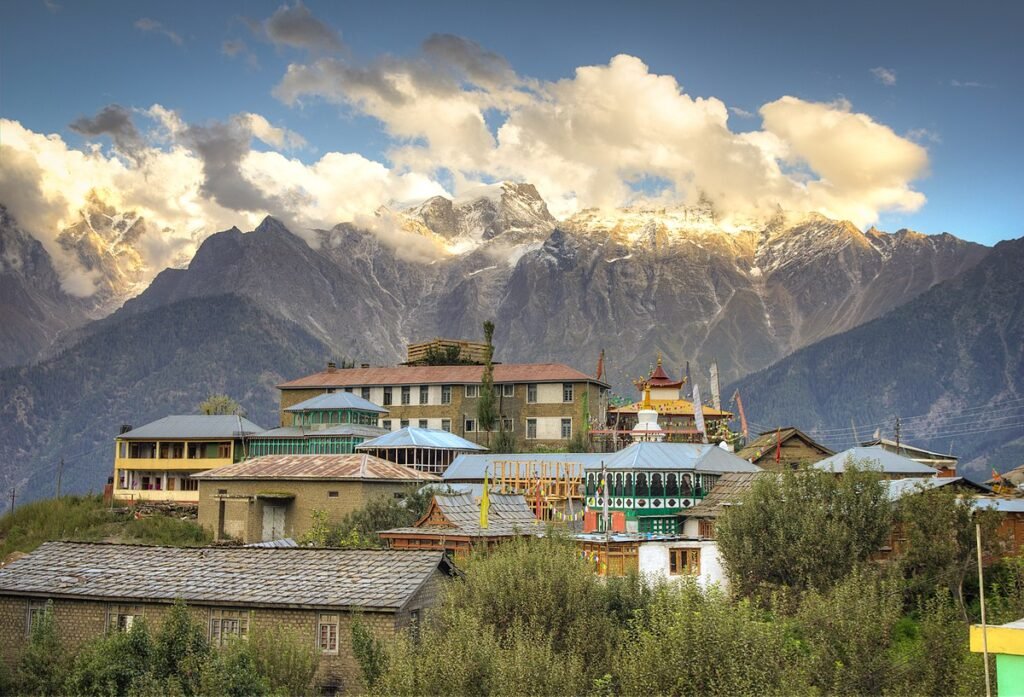
The Kalpa Village in Kinnaur, Himachal Pradesh
Two days of Braj Holi, not a week of chaos
The Town You Sleep In
Why the base town shapes a monsoon waterfall trip more than any single fall, what to look for, and towns in Karnataka, Kerala and Goa worth considering.
One village ghat upriver
Train versus road that week
Markets before the 20th, not on it
Journeys Worth Discovering
Explore inspiring destinations, memorable journeys and travel stories from across India and beyond.
Explore destinations




