
The Narmada does not get the attention of the Ganga, and that is precisely why it is such a rewarding river to travel. It flows west across central India, from its source at Amarkantak to the Arabian Sea in Gujarat, and for many Hindus it is among the holiest of all rivers. Devotees walk the Narmada parikrama, a circumambulation of the entire river on foot that can take months. You do not need months. But three days in two river towns in Madhya Pradesh, Maheshwar and Omkareshwar, will show you why the Narmada inspires such devotion.
This is not a checklist. It is a plan built around the river’s rhythm, with plenty of time to sit, walk and watch.
Before you go
The cooler months, roughly October to March, are the most comfortable time to visit. Summers in the Malwa region are very hot, and the monsoon raises the river considerably, which can affect boat rides and access to some ghats. January is a lovely month here: clear skies, mild days and cool evenings.
Indore is the usual gateway, with an airport and good rail links. Maheshwar and Omkareshwar are each a few hours by road from Indore and are roughly 60 to 70 kilometres apart, so a hired car makes it easy to link them. Check current road conditions and driving times locally.
Day one: Maheshwar and its ghats
Maheshwar is a small town with an outsized history. It was the capital of Ahilyabai Holkar, the eighteenth-century Maratha queen remembered across India for her piety, her administration and her patronage of temples and ghats in many pilgrimage towns. Her fort and palace rise above the river, and the long sweep of stone ghats below them is one of the most beautiful riverfronts in central India.
Arrive by early afternoon and settle in. Then walk down to the ghats. Unlike the crowded waterfronts of bigger pilgrimage centres, Maheshwar’s ghats are often calm. Women wash clothes and bathe, children jump into the water, and priests tend small shrines. Carved stone temples with tall spires stand along the steps, and small shrines line the walls of the fort.
As the sun drops, take a short boat ride. Seen from the water, the fort, temples and ghats glow golden in the evening light. If there is an evening aarti while you are there, stay for it. Then walk back up through the fort gate and into the town for dinner.
Day two: weaving, temples and stillness
Start early, on the ghats, when the light is soft and the river is at its most peaceful. Sit for a while. Watch the pilgrims light lamps and float flowers on the water. This is the heart of the Narmada experience: unhurried, devotional and deeply local.
Later in the morning, explore the fort complex. Inside you will find temples, courtyards and a small museum-like display associated with the Holkar family. Opening arrangements can vary, so check on the spot.
Maheshwar is also famous for its handloom textiles. Maheshwari saris, with their light weave and characteristic borders, have been produced here for a long time, and the craft is closely associated with Ahilyabai’s patronage. Today, weaving cooperatives and small workshops in the town keep the tradition alive. Visiting a workshop and watching the looms is one of the best ways to understand the town beyond its temples. If you buy, buy directly from weavers or reputable cooperatives where possible.
In the afternoon, drive to Omkareshwar. The road crosses rural Malwa, with fields, small villages and glimpses of the river.
Day three: Omkareshwar, the sacred island
Omkareshwar is built around an island in the Narmada called Mandhata, which many people say is shaped like the sacred syllable Om when seen from above. The town is one of the most important pilgrimage centres on the river, and it is home to the Omkareshwar temple, one of the twelve jyotirlingas, the most sacred shrines of Shiva. On the opposite bank stands the Mamleshwar temple, which is also deeply venerated, and many pilgrims visit both.
Begin your day with the river. Cross by the pedestrian bridge or by boat, and walk along the ghats as the town wakes up. The temples can be very crowded, especially on Mondays, festival days and during the month of Shravan, so an early visit is wise. Expect queues and security checks, and follow the instructions of temple staff.
After your darshan, or simply your visit, consider walking the parikrama path around Mandhata island. It is a much smaller echo of the great Narmada parikrama, and takes a few hours on foot. The path passes temples, ruins, viewpoints and quiet stretches of river. Wear good shoes, carry water and set off early to avoid the midday heat.
In the afternoon, find a quiet spot by the water and simply rest. Watch the boats crossing, the pilgrims bathing and the light changing on the river. This is a good moment to reflect on what makes the Narmada special. Unlike many rivers, it is often described as being sacred along its entire length, and some devotees believe that even the stones of its bed are forms of Shiva. Smooth stones from the river, known as banalingas, are revered as natural lingas.
What you will skip
This plan leaves out a lot. You will not see Mandu, the extraordinary ruined fort city on a plateau not far from Maheshwar, or the Narmada’s dramatic marble gorges at Bhedaghat near Jabalpur, or the source at Amarkantak. Those are wonderful journeys in their own right. But by limiting yourself to two towns and three days, you give the river time to work on you.
Practical notes
- Dress modestly at temples and ghats. Remove shoes where asked.
- Agree on boat prices before you set off.
- Water levels can change because of dams upstream. Follow local advice about bathing and stay out of fast water.
- Carry small change for offerings and tea stalls.
- Respect photography restrictions inside temples.
Why the Narmada
The Ganga is the river most people think of when they imagine India’s holy rivers. But the Narmada offers something different: a sacred river that is still, in many places, calm and unhurried, flowing past towns where the rhythm of devotion feels unchanged by mass tourism. Three days here will not show you everything. They will show you enough to want to come back.
More from Issue 45
- January 2023
- Editor’s Letter: The Holy Rivers of India
- The Ganga River
- The Yamuna River
- The Narmada River
- The Godavari River
- The Kaveri River
- The Mandakini River
- The Alaknanda River
- The Krishna River
- Rishikesh to Devprayag: The One Route That Explains India’s Holy Rivers

Mannarasala Ayilyam
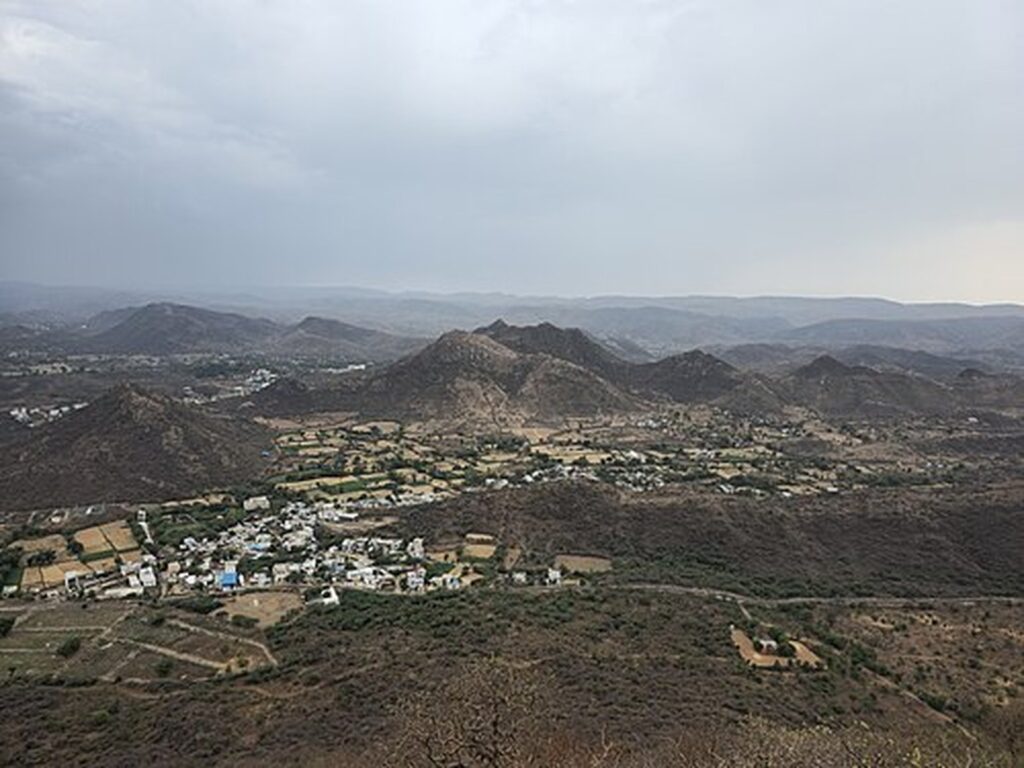
Nature and Solitude in the Sajjangarh Wildlife Sanctuary
Editor’s Letter: Bhutan, a Kingdom That Asks for Patience
The Town You Sleep In
Why the base town shapes a monsoon waterfall trip more than any single fall, what to look for, and towns in Karnataka, Kerala and Goa worth considering.
One village ghat upriver
Train versus road that week
Markets before the 20th, not on it
Journeys Worth Discovering
Explore inspiring destinations, memorable journeys and travel stories from across India and beyond.
Explore destinations




