Dear reader,
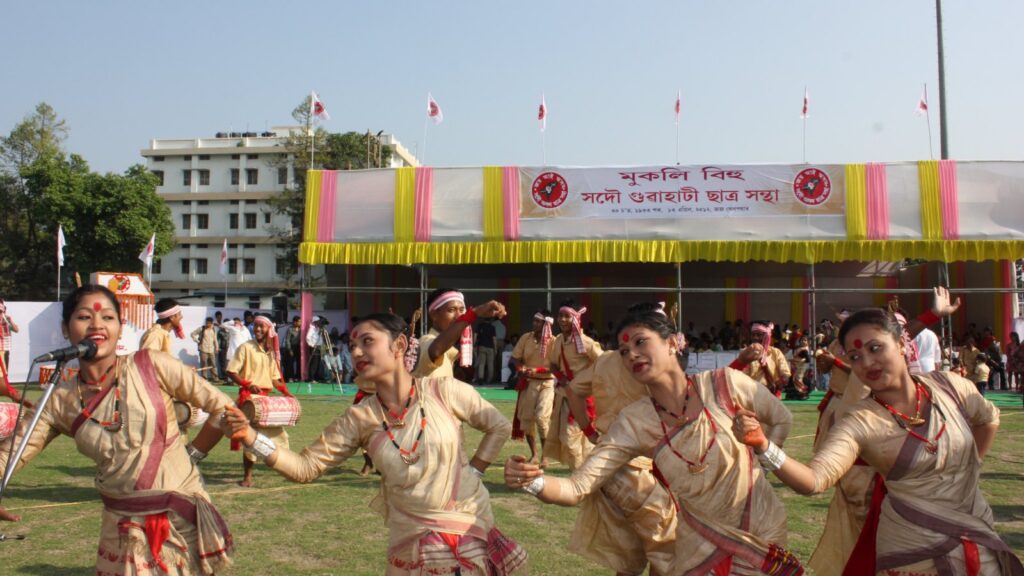
There is a moment, at almost every village festival in India, when the drums change tempo. The conversation stops. Children push to the front. Someone’s grandmother, who has been sitting quietly all evening, gets to her feet. And then the dancing begins. This issue of Travel Viewpoint is about that moment, and about the many forms it takes across this country. It is our issue on the folk dances of India.
I have always believed that if you want to understand a place, you should watch how its people celebrate. Monuments tell you about kings and empires. Markets tell you about trade. But dances tell you about ordinary people: what they grow, what they fear, whom they worship, how they court, how they mourn and how they mark the turning of the seasons. A harvest dance in Assam, a devotional circle in Gujarat, a drum dance in a Karnataka village and a masked dance in Purulia are all, in their own way, maps of a community’s life.
What is in this issue
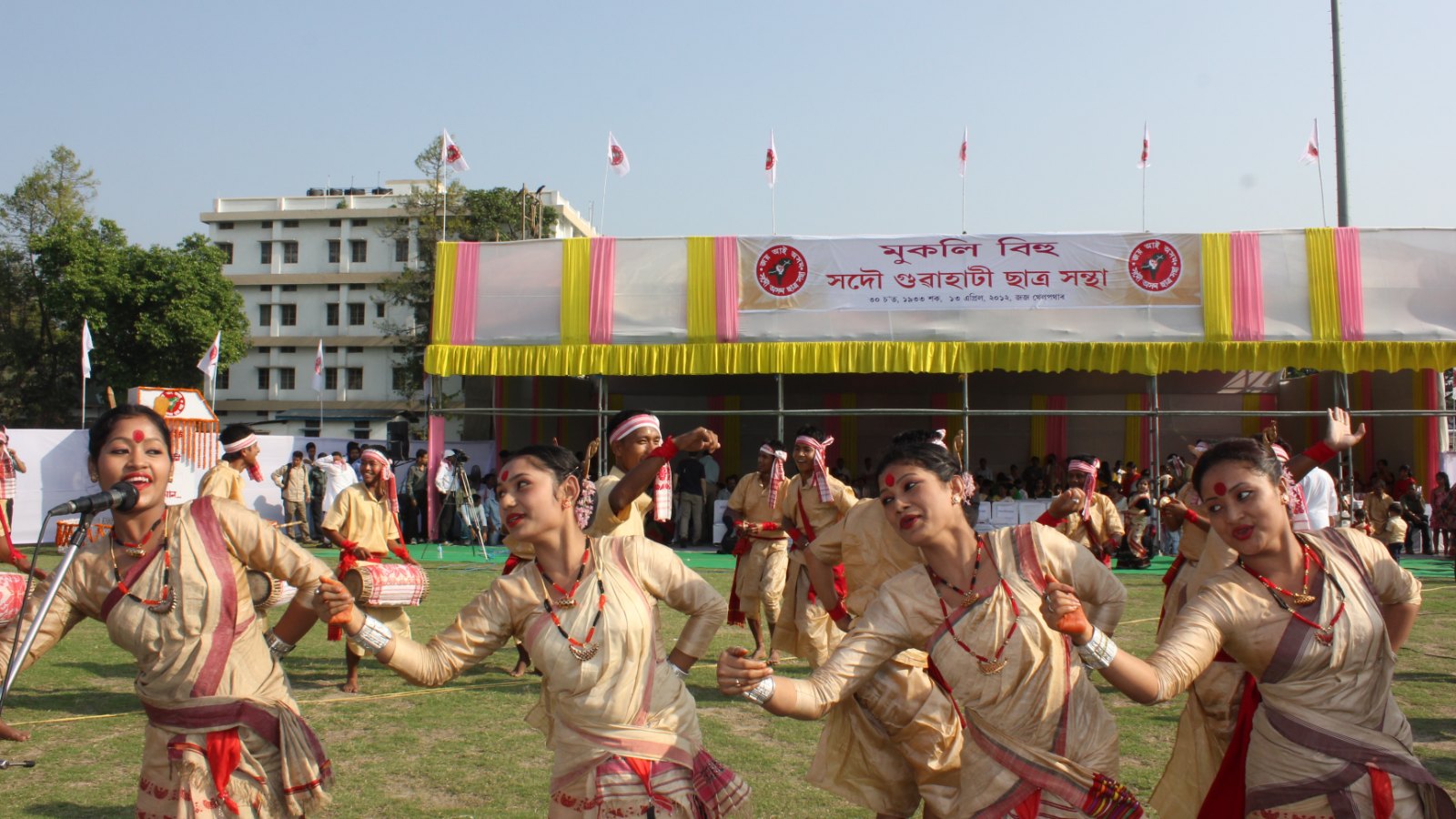
We begin in Gujarat with Garba, the circular dance performed through the nights of Navratri in honour of the goddess, now danced by Gujaratis in cities across the world. From there we go east to Assam for Bihu, the dance of the spring festival of Rongali Bihu, with its swirling mekhela chadors, its buffalo-horn pepa and its joyous energy.
We travel to Tamil Nadu for Karakattam, in which dancers balance decorated pots on their heads in honour of the rain goddess Mariamman. We spend time with Chhau, the martial, often masked dance tradition of eastern India, whose Purulia, Seraikela and Mayurbhanj styles are recognised by UNESCO as Intangible Cultural Heritage. We watch Ghoomar in Rajasthan, the graceful twirling dance of women in flowing ghaghras. We go to Jammu and Kashmir for Dumhal, a dance of the Wattal community traditionally performed by men in long robes and tall conical caps. We look at the Matki dance of Madhya Pradesh’s Malwa region, and at Lavani from Maharashtra, with its powerful rhythms of the dholki and its long history on the tamasha stage.
We also have a new feature: a journey down the coast from Udupi in Karnataka to Kannur in northern Kerala, following two of India’s most extraordinary performance traditions, Yakshagana and Theyyam, through the temple grounds and village shrines where they are still performed in their own context, not on a stage for visitors.
Watching with respect
Many of the dances in this issue are not performances in the way a concert is. They are rituals, offerings or community celebrations. That means a few things for travellers. First, the calendar matters: most are tied to festivals, harvests or temple seasons, and dates often follow the lunar calendar, so check locally rather than relying on a fixed date found online. Second, the setting matters: a dance performed in a village courtyard at three in the morning is a very different experience from a twenty-minute cultural show in a hotel lobby, and both have their place, but please know which one you are watching. Third, the people matter. Ask before you photograph. Do not walk into the performance space. Follow the lead of the local audience about where to sit, when to be silent and when it is fine to join in.
Why this matters now
Folk dances in India are living traditions, which means they change. Some are thriving, adopted by schools, colleges and diaspora communities around the world. Others depend on a handful of families or troupes who struggle to make a living from their art. When you watch a performance, buy a ticket, tip the troupe, or buy a recording or craft from the artists, you help keep that tradition alive. When you share an honest account of what you saw, you help others find it too.
I would also gently ask that we resist the urge to treat any dance as a costume to try on. Some dances welcome everyone into the circle, and Garba nights are famously open. Others are sacred and restricted to particular communities or people who have undergone particular preparation. A little curiosity and a few questions will tell you which is which.
How to find the real thing
Readers often ask us how to see a folk dance in its own setting rather than as a hotel show. There is no single answer, but a few habits help. Plan around festivals rather than around sights: Navratri for Garba, mid-April for Rongali Bihu, the Chaitra Parva season for Chhau in parts of eastern India, and the winter and early summer months for many temple festivals in coastal Karnataka and northern Kerala. Ask the people who live there, from your homestay host to the driver to the shopkeeper who sells you tea, because local festivals are rarely well publicised online. Visit state cultural academies and tourism offices, which sometimes keep calendars of performances. And be ready to stay up late; the best performances often begin long after dinner and end near dawn.
A personal note
My own favourite memory of folk dance is of a wedding in a small town, many years ago, when an elderly uncle who had not spoken a word to anyone all day suddenly stood up, tied a scarf around his head, and led the entire baraat in a dance that went on for nearly an hour. No one had taught him on a stage. He had learned it from his father, who had learned it from his. That is what a folk dance is: knowledge carried in the body, passed from one generation to the next.
I hope this issue sends you to a festival you have never seen, in a corner of India you have not yet explored. Go for the dance; stay for the people. And when the drums change tempo and the circle opens, if you are invited, step in.
Write and tell us what you saw. We love hearing from you.
With warm wishes,
Khushi Anand, Editor