
There is a distinct, quiet tragedy that often befalls ancient cities. When a civilization has survived for centuries, weathering empires, sieges, and the relentless march of modernity, it eventually runs the risk of becoming fossilized. The architecture remains, but the soul evaporates, leaving behind a manicured, ticketed museum where history is kept safely behind velvet ropes. I had expected to find this same beautiful, hollowed-out decay when I traveled to the heart of Rajasthan. I was prepared for the grand illusions of the tourism industry, expecting a culture that merely performed its past for an audience.
But I was entirely wrong. Udaipur is not a diorama. It is a staggering, living monument to human endurance, and its culture is not merely preserved, it is fiercely, actively inhabited.
The realization did not come to me while standing in a crowded museum or reading a historical plaque. It came on my first evening, sitting on the water-worn stone embankments of the western shore. The geography of Mewar dictates a rhythm of extremes, demanding a sensory surrender to its environment. During the peak hours of the afternoon, the city is a chaotic symphony of heat, color, and commerce. The lakes are churned by heavy boat engines, and the dense urban grid vibrates with an exhausting, kinetic frenzy. Yet, the true character of this civilization is revealed only through the withdrawal of light.
I watched as the sun dipped behind the Aravalli ridges, and a profound atmospheric shift took hold. I realized then that the ancient ghats go completely silent after dark. It was an abrupt, almost startling transition. The sunset crowds vanish, and a vast canopy of stars emerges over the floating palaces. Staring out across the water, the architectural titans of the city ceased to be mere tourist attractions. The palace lights glow brightly, and far off, the gentle lap of water meets the stone. The city’s identity, I understood in that moment, relies on this exact nocturnal erasure of the modern world. There were no city lights. No noise. Just history and water.
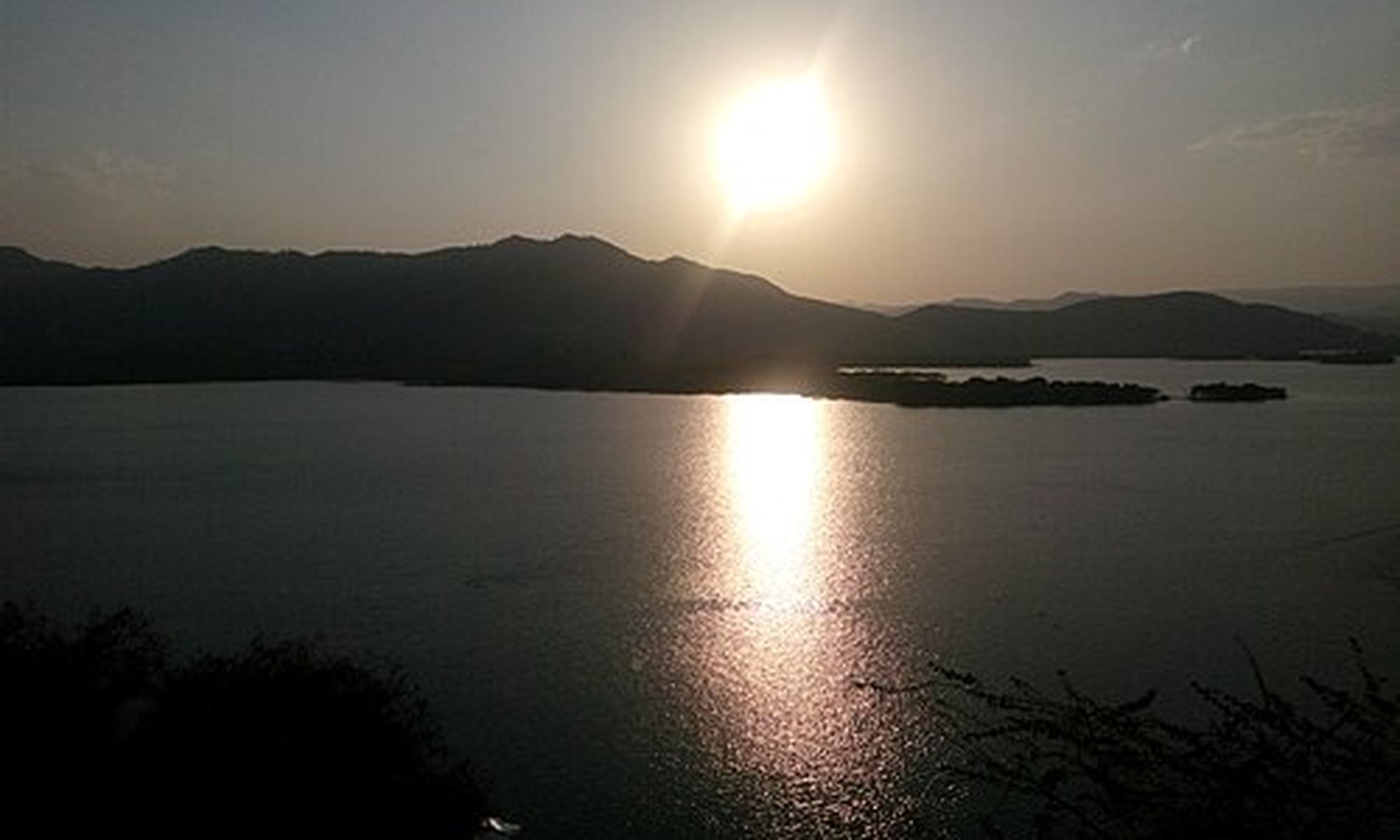
This is the great secret of Rajasthani cultural preservation: it relies on the natural environment to do the heavy lifting of solemnity. The people here have not had to build glass cases for their heritage because the landscape itself acts as the sanctuary. As I continued to watch the horizon, the royal lake goes completely silent after dark. The daytime tourist boats vanish, the ripples settle into black glassy water, and warm golden lights stretch across the surface. It was an overwhelming visual to process. The night air cools, and far off, a single temple bell echoes. It was not a performance. It was a private, ancient dialogue between the granite and the water, unfolding exactly as it had for hundreds of years. The realization struck me profoundly: there was no city traffic. No noise. Just water and heritage.
This stubborn refusal to let history become purely ornamental extended far beyond the imperial lakes. I wanted to understand how the memory of Mewar survived within the domestic sphere, away from the monumental grandiosity of the Maharanas. The answer lay deep within the labyrinthine, impossibly narrow alleys of the Old City. I found myself seeking out the ancestral townhouses, the dense, inward-facing fortresses of domestic life.
Pushing open a heavy, iron-studded door, I entered a space that immediately severed my connection to the twenty-first century. It was a 300-year-old haveli, and crossing its threshold felt like stepping back into the 18th century. I walked down a dimly lit, narrow stone corridor with intricate arches, designed specifically to break the chaotic momentum of the street outside. The spatial psychology of these homes is brilliant, they are engineered for isolation and intimacy.
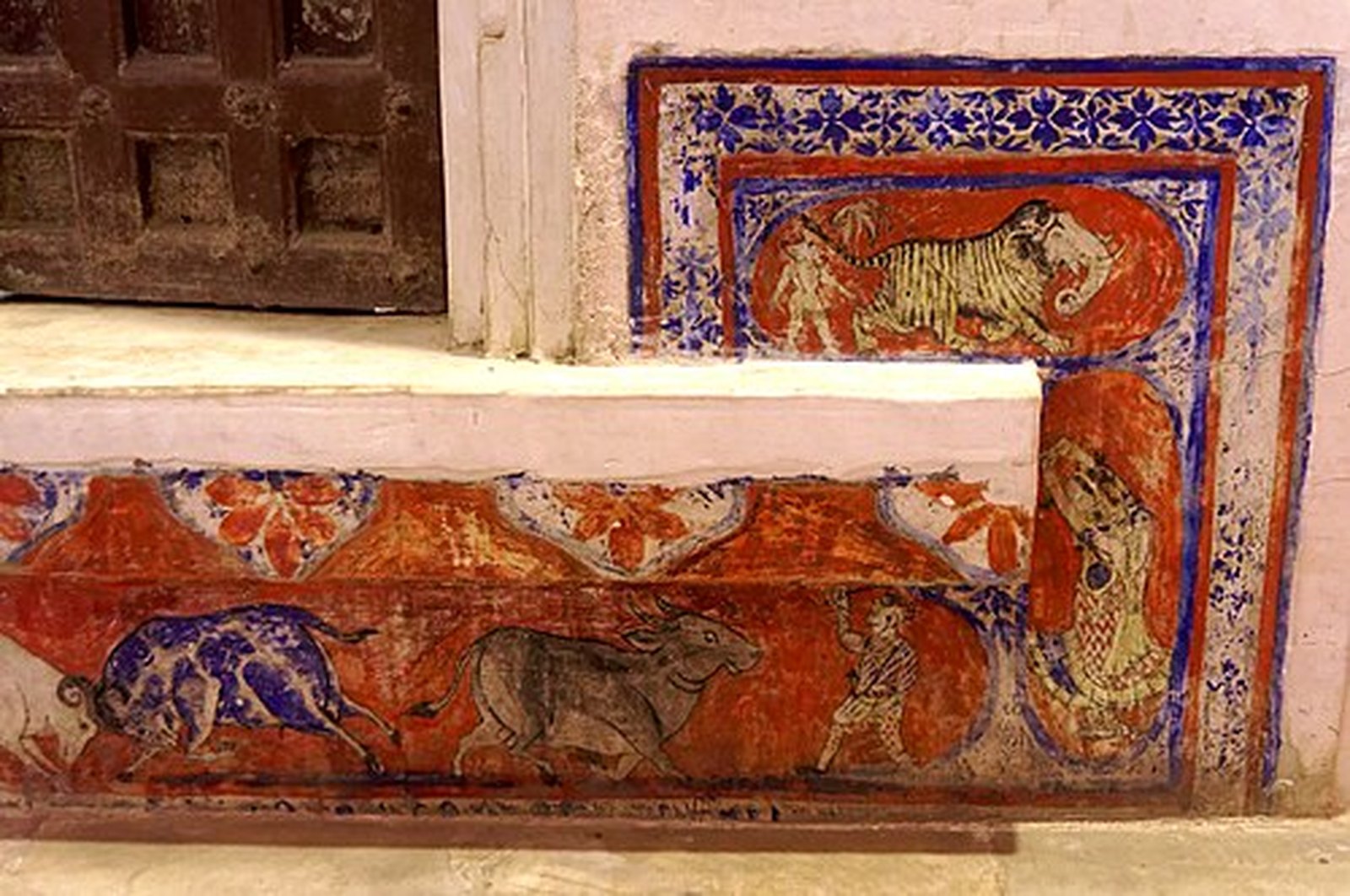
The dark corridor opened suddenly into a central, open-air courtyard. The grand haveli goes completely silent after dark. The daytime chatter vanishes, the carved archways cast long shadows, and warm vintage lamps illuminate the painted frescoes. I sat on the cool stone floor, looking up at the overhanging balconies, marveling at the fact that these walls were not cordoned off by historical societies. Families still live here, navigating the steep stairs and heavy stone thresholds daily. They maintain the lime plaster and the natural mineral paints of the frescoes not because it is a novelty, but because it is their home. As I sat there, the night breeze sets in, and far off, the faint sound of a traditional flute drifts across the dark. The architecture trapped the melody perfectly, transforming the courtyard into an instrument. In that space, there were no modern crowds. No noise. Just heritage and art.
Yet, for all its delicate art and refined architecture, one cannot grasp the ethos of Udaipur without confronting the brutal, unforgiving geography that birthed it. The luxury of the lakeside palaces was bought with the blood and paranoia of a kingdom constantly under siege. To understand this, I had to leave the comfort of the valley and ascend into the raw, dry-deciduous wilderness of the Aravalli mountains.
I traveled up the winding, treacherous switchbacks to reach the Monsoon Palace, an imposing, stark fortress situated 3,100 feet above the City of Lakes. Standing on those high, exposed terraces, the wind was fierce, and the sheer scale of the topographical isolation was terrifying. But as dusk turned to night, the atmosphere shifted just as it had by the water. The hilltop palace goes completely silent after dark. The daytime winds drop, the marble courtyards settle under a pitch-black canopy, and the city below glows like scattered gold dust.
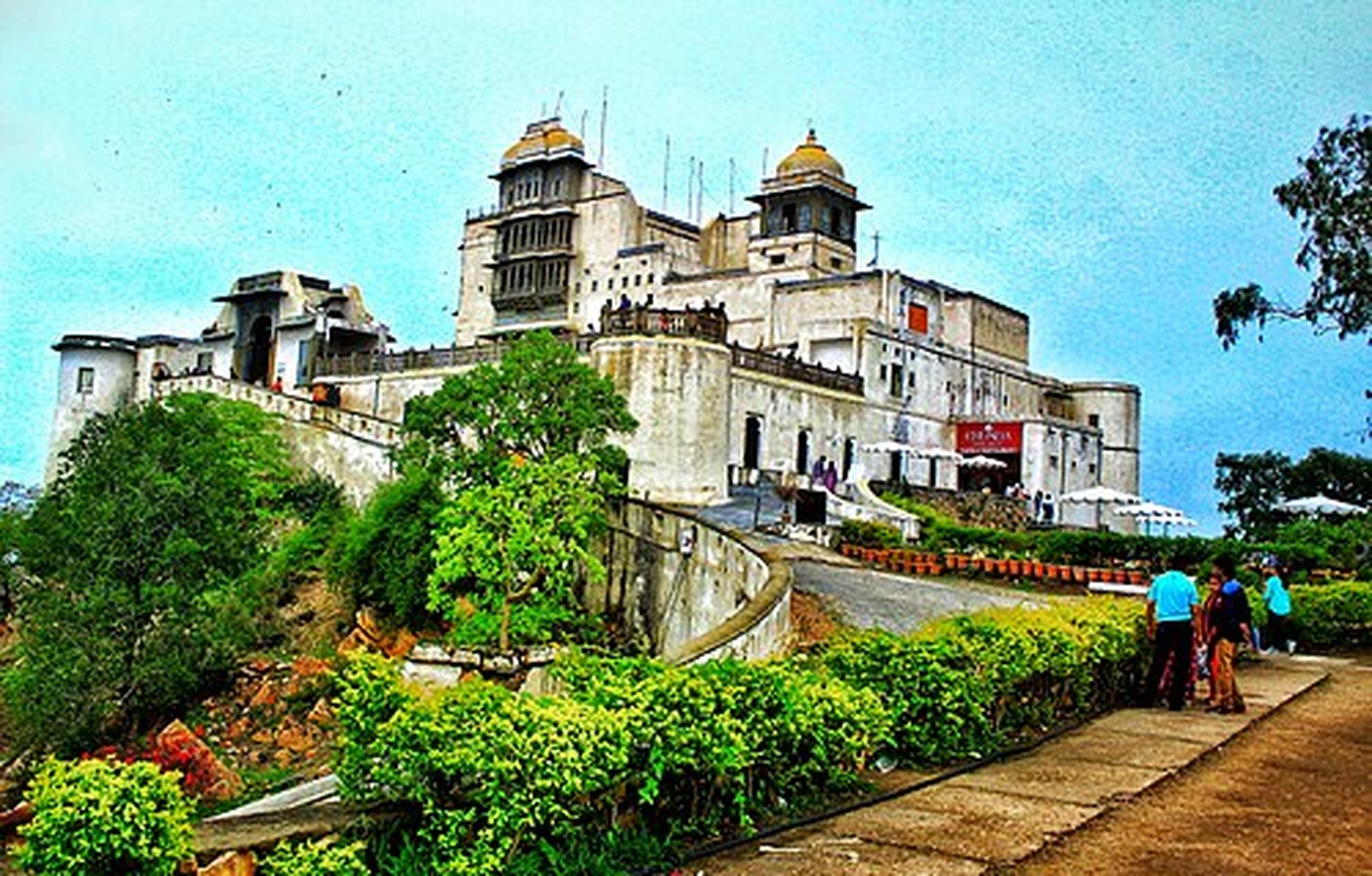
Looking down at the glittering civilization nestled between the dark ridges, the martial history of Rajasthan finally made sense to me. This culture is fiercely protected because it was forged in an environment that constantly threatened to destroy it. Ancient walls sit in shadow, and far off, the faint hum of Udaipur fades into the valley. Out here, on the ragged edge of the kingdom, the illusion of safety dissolved. There was no heavy traffic. No noise. Just mountains and stars. The art, the music, and the architecture of Mewar are profound precisely because they are acts of supreme defiance against this harsh, surrounding emptiness.
I sought out one final, defining experience before my time in the region concluded. I wanted to see the landscape entirely stripped of human architecture, to witness the raw foundation of the region. I ventured out to Badi Lake, a place often referred to as the lake in Udaipur nobody tells you about.
Arriving in the deep hours of the night, I found a landscape entirely devoid of commercial development. There were no floodlights, no vendors, and no marble palaces floating on the horizon. The wilderness lake goes completely silent after dark. Standing on the rugged shoreline, I felt an intense, elemental connection to the earth. The daytime heat drops, the surrounding Aravalli hills settle under a pitch-black canopy, and the stars glow brightly enough to reflect on the water. I watched the silhouettes of the historic pavilions sit in shadow, and far off, the faint call of a night owl echoes.
This, I realized, was the bedrock of the Rajasthani identity. The culture did not conquer this wilderness; it adapted to it, respecting its quiet terror and immense beauty. Standing by the black water, with no city lights. No noise. Just nature and stars, the full weight of my journey settled over me.
Udaipur had completely dismantled my cynical assumptions. I had arrived expecting to evaluate a historical theme park, looking for the seams where the performance of culture fell apart. Instead, I found a civilization anchored deep in the bedrock, continuing to dictate its own terms to the modern world. The people of Mewar are the custodians of an unbroken lineage of stone, water, and shadow. They do not merely remember their history; they wake up inside it every single day, keeping the ancient lamps lit against the dark.
