
Srinagar is often sold as a list. Dal Lake, a shikara ride, the Mughal gardens, a houseboat night, a floating market, a day trip to Gulmarg or Pahalgam. Many visitors try to fit all of it into a couple of days and leave with photographs but little sense of the city. This plan does the opposite. It spends three unhurried days on and around Srinagar’s lakes, and it leaves out more than it includes. The aim is not to see everything, but to understand how a city lives on water.
Before you go, check current travel advisories and local conditions, which can change in Kashmir. Weather, road closures and local events can all affect plans, and your hosts are usually the best source of up-to-date advice.
Day one: arrive and slow down on Nigeen
Most travellers head straight for the busy Boulevard side of Dal Lake. Consider basing yourself on or near Nigeen Lake instead for at least part of your stay. Nigeen is connected to the larger Dal system but is generally calmer, with fewer motorboats and vendors, and its houseboats tend to be quieter. Ask your host about access by road and by water before you book.
Spend your first afternoon doing almost nothing. Sit on the houseboat’s front deck, watch the light change on the water and the Zabarwan hills, and let the altitude and travel settle. In the late afternoon, take a short shikara ride through the channels around Nigeen rather than a long tour. Ask the boatman to go slowly and to take you past the residential stretches where families live and work on the water. You will see vegetable gardens, small boats carrying goods and children, and the ordinary routines that make the lake a neighbourhood rather than a backdrop.
In the evening, eat on the houseboat if meals are offered. Kashmiri home cooking, from rajma and haak to the more elaborate wazwan dishes on special occasions, is often better in a family setting than in a restaurant.
Day two: the lake at dawn and the old city
Set an alarm. The vegetable market on Dal Lake, where growers sell produce from their floating gardens to traders by boat, is generally held very early in the morning, roughly around sunrise. The timing can vary with the season, so ask your boatman the evening before and agree a fair rate in advance. Even if the market is smaller than you expected, the ride across the lake in the first light is often the most memorable hour of a Srinagar trip.
Return for breakfast and rest. Late in the morning, head into the old city, known locally as Shehr-e-Khaas. This is where the lake system, the Jhelum River and centuries of history meet. Walk around Jamia Masjid with its wooden pillars, visit the Khanqah-e-Moula shrine on the river bank if it is open to visitors, and follow the lanes around the area’s old bridges and wooden houses. Dress modestly and ask before photographing people or the interiors of religious sites.
The Jhelum was historically Srinagar’s main highway, and seeing it alongside the lakes explains why the city was built where it is. Water was transport, defence and livelihood all at once.
In the late afternoon, return to the lake side. Rather than queuing for a Boulevard shikara, consider a walk along a quieter stretch of the shore, or simply watch the evening from your houseboat.
Day three: one garden, done properly
The Mughal gardens are the part of Srinagar most often rushed. It is common to see visitors drive from Nishat to Shalimar to Chashme Shahi in a single afternoon, spending twenty minutes in each. Pick one garden and give it a morning.
Nishat Bagh, with its terraces running down towards Dal Lake, and Shalimar Bagh, associated with the Mughal emperor Jahangir, are the most famous. Either works well. Arrive near opening time, walk the terraces slowly, sit under the chinar trees and watch how the channels carry water down through the garden towards the lake. The gardens were designed around water just as the city was, and seeing one properly helps you understand the logic behind the rest.
If you have energy afterwards, the Hazratbal shrine on the western shore of Dal Lake is a short drive away and offers a different perspective on the lake and the city’s spiritual life. Again, dress modestly and follow the guidance given at the gate.
Spend your last evening on the water. A final shikara ride at sunset, with the mountains darkening behind the houseboats, is a good way to say goodbye.
What this plan leaves out
You will notice there are no day trips to Gulmarg, Sonamarg or Pahalgam. Those are worth seeing, but each takes most of a day and pulls you away from the city. If you have a fourth or fifth day, add one. If you do not, it is better to know Srinagar well than to see the mountains from a car window.
The plan also skips the long shopping detours that are often built into tours. Kashmiri crafts such as papier-mâché, walnut wood carving, carpets and shawls are genuinely beautiful, but it is easy to be pressured into purchases. Buy only from places you choose yourself, take your time, and be cautious about claims regarding materials such as pashmina unless the seller can back them up.
Practical notes
- When to go: spring and autumn are generally the most comfortable; summer is busy, and winter can be very cold with occasional disruptions.
- Houseboats: confirm what is included, how you reach the boat, and whether meals are provided before you book.
- Shikaras: agree the route and rate before you set off; fixed or posted rates may exist at some ghats.
- Connectivity: mobile networks can behave differently in Kashmir, especially for prepaid connections from other states; check with your provider.
- Respect: Srinagar is a lived-in city, not a theme park. Ask before photographing people, and be patient with local customs.
Why three days is enough
Three days is not long, but it is enough if you stop trying to collect sights. Srinagar’s lakes reward repetition: the same channel at dawn and at dusk, the same deck on a sunny afternoon and in light rain. By the end of this plan you will not have seen everything, but you will have spent real time with the place, and you will know whether you want to come back for longer. Most people who travel this way do.
A note on houseboat etiquette
Houseboats are family businesses and family homes at the same time. Keep noise down in the evening, ask before using shared spaces, and switch off lights and heaters when you leave your room. If you want to see the kitchen or learn a recipe, ask politely; many hosts are happy to share. A small, sincere thank you at the end of your stay goes a long way.
More from Issue 49
- May 2023
- Editor’s Letter: Lake Cities of India
- Srinagar – The Mesmerizing Lake City
- Udaipur – The Venice of the East
- Nainital – The City of Lakes
- Shillong – The Lake City of Northeast
- Bhopal – The City of Lakes
- Kodaikanal – The Lake City
- Hussain Sagar to Osman Sagar: The Route That Explains Hyderabad’s Lakes
- What to Skip on Your First Trip to Kodaikanal
- Jaisamand: The Quieter Lake Beside Udaipur
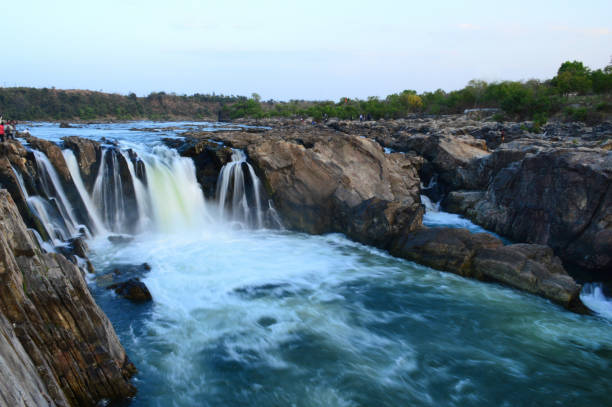
The Narmada River
May 2021

Setting up cafes at Yamuna riverfront is on the cards
The Town You Sleep In
Why the base town shapes a monsoon waterfall trip more than any single fall, what to look for, and towns in Karnataka, Kerala and Goa worth considering.
One village ghat upriver
Train versus road that week
Markets before the 20th, not on it
Journeys Worth Discovering
Explore inspiring destinations, memorable journeys and travel stories from across India and beyond.
Explore destinations




