
For most pilgrims, Yamunotri is the first stop on the Char Dham Yatra, and also the briefest. Package tours often arrive in the evening, climb to the temple the next morning and drive on towards Gangotri the same afternoon. It works, but it misses much of what makes the valley special. This piece suggests a slower way to visit Yamunotri, with time for the villages, the hot springs and the river.
As of April 2022, the temple is expected to reopen around Akshaya Tritiya in early May, as is traditional, with the exact date announced by temple authorities. Check official announcements and registration requirements before you travel.
The shrine and its setting
Yamunotri is the source of the Yamuna, one of the holiest rivers in Hinduism. The temple dedicated to the goddess Yamuna sits at roughly 3,300 metres in a narrow gorge, beneath the high peaks of the Bandarpunch massif. The actual source of the river, a glacial lake, lies higher still and is rarely visited.
Near the temple, hot springs emerge from the mountainside. Surya Kund, the most famous, is so hot that pilgrims tie rice and potatoes in cloth and dip them in the water to cook as prasad. Another spring feeds a bathing pool where pilgrims bathe before darshan.
The approach
The road to Yamunotri usually passes through Dehradun and Mussoorie or via Vikasnagar, reaching Barkot, the main town in the valley. From Barkot, the road follows the Yamuna up through Syana Chatti and Hanuman Chatti to Janki Chatti, where it ends.
From Janki Chatti, the trek to the temple is roughly 5 to 6 kilometres, climbing steadily along a paved path above the river. Ponies, palkis and porters are available. Most walkers take two to four hours to climb, depending on fitness and crowds.
A slower plan
Instead of the usual one-night rush, consider three nights in the valley.
Night one: Barkot
Arrive at Barkot and spend the evening walking through the town and along the river. Barkot is an ordinary mountain market town, and that is its charm. It gives you a sense of daily life in the valley, away from the pilgrim crowds. On a clear day, the views of Bandarpunch from the outskirts are lovely.
Night two: Kharsali or Janki Chatti
Drive up to Janki Chatti in the morning. Across the river sits Kharsali, an old village where the goddess Yamuna is brought in winter when the temple is closed. Its temple to Shani is among the oldest structures in the area, built in a traditional style of stone and wood. Walk across to the village, see the temple and the houses, and spend the night in or near Kharsali if you can find accommodation, or at Janki Chatti.
Staying here allows you to start the trek to Yamunotri at first light, before the crowds.
Day three: the temple
Begin the climb at dawn. The path is quieter early, and the light in the gorge is beautiful. At the temple, take your time. Bathe in the hot spring pool if you wish, offer prayers, and watch pilgrims cooking rice at Surya Kund. Sit by the river and listen to it.
Walk back down slowly, with time to stop at the small shrines and viewpoints along the way. Return to Janki Chatti or Barkot for the night.
Night three: rest
Use your final evening to rest before the long drive to Uttarkashi and Gangotri. If you have energy, walk along the river or visit a smaller temple in the valley.
Why linger
Pilgrims who rush through Yamunotri often remember only the crowds and the climb. Those who stay longer remember the villages, the hot springs, the river at dawn and the sense of stepping into an older mountain world. A slower visit also helps with acclimatisation and makes the rest of the yatra easier.
The people of the valley
The communities of the Yamuna valley have served pilgrims for generations. Porters and pony handlers often come from villages in the region and beyond. Shopkeepers, cooks and guesthouse owners depend on the short season. Treat them with respect, pay fairly and remember that the yatra is their livelihood as well as your pilgrimage.
Food along the way
The food in the Yamuna valley is simple and warming. Dhabas at Barkot, Hanuman Chatti and Janki Chatti serve dal, rice, roti, seasonal vegetables and endless cups of sweet tea. Along the trek, small stalls sell tea, snacks and maggi, the unofficial fuel of Himalayan pilgrims. If you stay in a village homestay, you may be offered local dishes made with red rice, millets or rajma grown in the valley. Ask what is local and in season. Eating light before the climb and drinking plenty of water will help you feel better at altitude.
Travelling with elderly parents
Many pilgrims bring parents to Yamunotri. The slower plan suits them especially well. A night at Janki Chatti means an early start without a long drive the same morning, and a palki or pony for the climb can be arranged locally. Walk beside them, rest often and keep warm layers handy for the cold gorge.
Practical notes
- Register for the yatra through official channels as required.
- Carry warm clothes and rain gear; the gorge can be cold even in May.
- Start the trek early to avoid crowds and afternoon weather.
- If hiring a pony or palki, confirm the rate in advance.
- The path can be crowded and narrow in places; be patient.
- Carry your waste back down; the valley is fragile.
- Accommodation near Janki Chatti is limited and fills quickly in peak season.
When to go
May and June are the peak months, with pleasant days but heavy crowds. The monsoon from July to mid-September brings landslides and is best avoided unless you are flexible. Late September and October offer clear skies and fewer pilgrims before the temple closes around Diwali, as is traditional.
The bigger picture
Yamunotri is often treated as a box to tick at the start of a long journey. Given time, it becomes something more: a valley with its own rhythm, its own villages and its own quiet beauty. Slow down here, and the rest of the yatra will feel different too.
More from Issue 36
- Editor’s Letter: The Char Dham Yatra Returns
- Next Char Dham Yatra stop is Kedarnath
- And Char Dham Yatra’s last stoppage is Badrinath
- First stopover of Char Dham Yatra, Yamunotri!
- Gangotri, the second stoppage of the Char Dham Yatra!
- History of Chota Char Dham Yatra
- Travel Around Rishikesh
- Helicopter Versus Road to Kedarnath
- Char Dham Registration, Weather and the Queue That Surprises People
- A Rest Day in Ukhimath

Exploring the Yoga & Meditation Oasis of Rishikesh
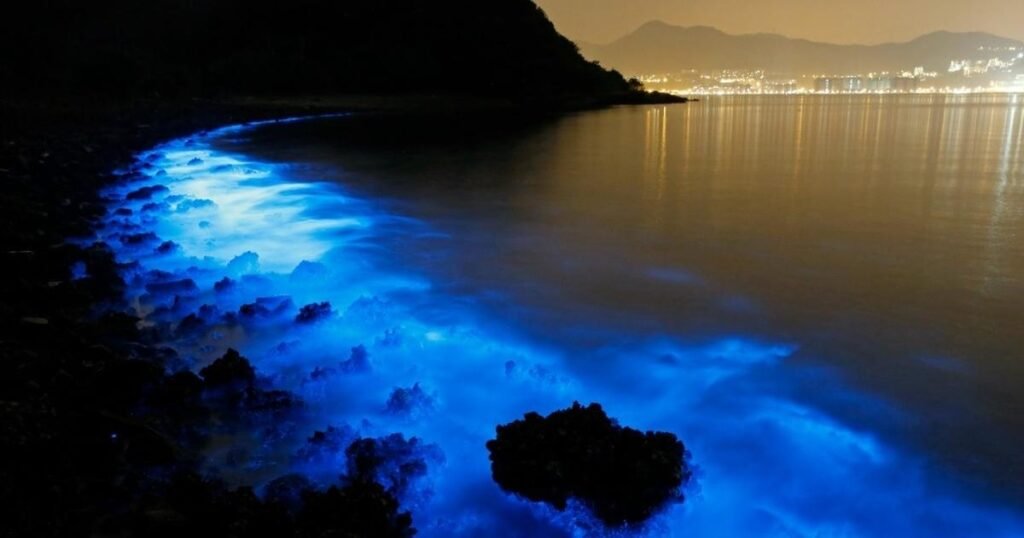
Bangaram Beach: An Oasis of Serenity and Raw Elegance
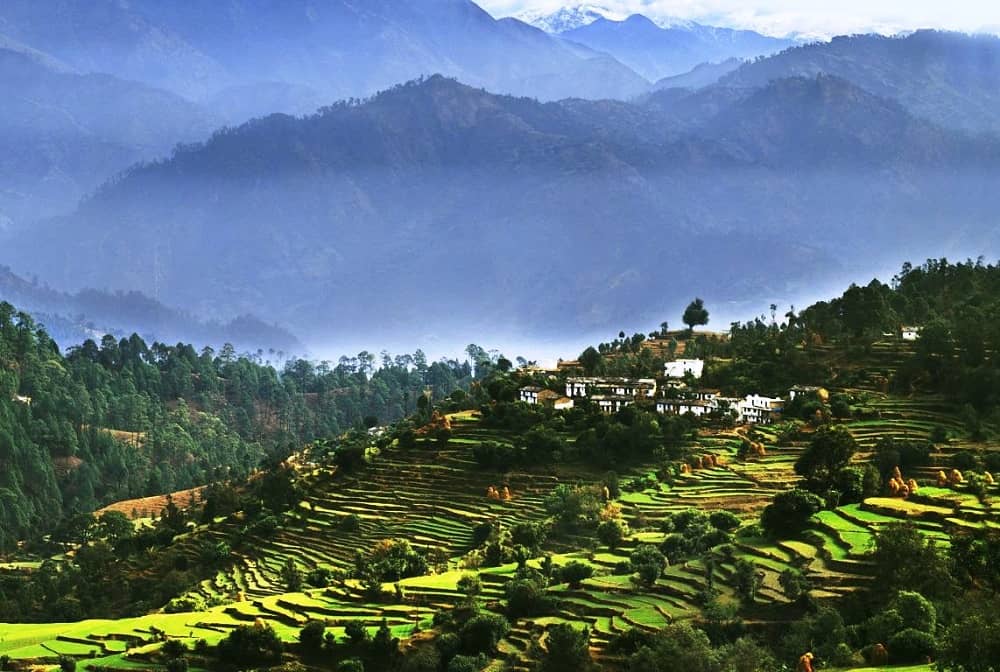
Explore Ranikhet: Kumaun’s Himalayan Haven
The Town You Sleep In
Why the base town shapes a monsoon waterfall trip more than any single fall, what to look for, and towns in Karnataka, Kerala and Goa worth considering.
One village ghat upriver
Train versus road that week
Markets before the 20th, not on it
Journeys Worth Discovering
Explore inspiring destinations, memorable journeys and travel stories from across India and beyond.
Explore destinations




