
Dear readers,
This is an unusual issue to introduce. We had planned our May 2020 edition on Jammu and Kashmir many months ago, imagining readers packing for houseboats on Dal Lake, meadow walks at Pahalgam and Gulmarg, and the long road from Jammu into the mountains. Instead, as we go to press, most of India is under lockdown, trains and flights are suspended and nobody is travelling for pleasure. We have decided to publish anyway, not as an invitation to travel now, but as a way of keeping a place in mind until travel is possible again, safely and responsibly.
Why Kashmir, and why still
Few places in India occupy the imagination like the Kashmir valley. Poets, painters, emperors and filmmakers have all tried to describe it. The Mughals built gardens along the shores of Dal Lake, and generations of Indian families have taken their first trip to the mountains here. For many readers, Kashmir means snow, apples, saffron, walnut wood and the slow glide of a shikara at dusk.
But Jammu and Kashmir is much more than the valley. The Jammu region, with its temples and its gateway towns, is the starting point for the Vaishno Devi pilgrimage and the first stop for many visitors. The Chenab valley and the remote district of Kishtwar, with high passes and saffron fields of its own, remain little known outside the region. Each part has its own landscapes, languages, foods and traditions.
A region in transition
We cannot write about Jammu and Kashmir without acknowledging the past year. In August 2019, the region’s special status was revoked and the former state was reorganised into two union territories, Jammu and Kashmir, and Ladakh. Restrictions on movement and communications followed, and tourism, a vital part of the local economy, fell sharply. Many houseboat owners, shikara rowers, guides, drivers, artisans and hoteliers have endured an extremely difficult year, and the pandemic has now added fresh hardship.
We are not in a position to say how travel in the region will look in the months ahead. Rules on internet access, permits, quarantines and movement have changed often, and may change again. Please follow official advisories and listen to local voices before you plan a trip.
What is in this issue
Our features begin with Srinagar, the summer capital, and an overview of the region for first-time visitors. We then travel south to Jammu, the winter capital, with its temples and bazaars, and follow the pilgrim route to Vaishno Devi in the Trikuta hills. We look at the Amarnath Yatra, the summer pilgrimage to a cave shrine high above Pahalgam, and at Leh, now part of the new union territory of Ladakh but long linked with Kashmir by road and history.
Further pieces, still being prepared, will look at Dal Lake and the houseboats, Pahalgam in the Lidder valley, the Hazratbal shrine on the lake’s western shore and the remote district of Kishtwar, with its gorges, high meadows and saffron fields.
Food to look forward to
Kashmiri food deserves a trip of its own. The wazwan, a multi-course feast prepared by specialist cooks called waza, is the centrepiece of weddings and celebrations, with dishes such as rogan josh, yakhni and gushtaba. Vegetarian travellers will find nadru, lotus stem, cooked in many ways, along with haak greens and dum aloo. Mornings begin with bread from the local baker, the kandur, and noon chai, a pink salted tea; afternoons with kahwa, green tea with saffron, cardamom and almonds. In Jammu, look for rajma with rice and kalari, a local cheese.
Travelling well when the time comes
When it is possible to travel again, we hope readers will visit Jammu and Kashmir thoughtfully. A few suggestions:
- Stay with local hosts in houseboats, guest houses and homestays.
- Hire local guides, drivers and shikara rowers, and pay fairly.
- Buy crafts directly from artisans or reputable cooperatives, and ask how items were made.
- Dress modestly, particularly at shrines and in villages, and follow local customs.
- Ask before photographing people.
- Carry your waste out of meadows and lakesides; plastic is a serious problem at popular sites.
- Check security and road advisories before travelling, especially to remote areas.
The question of seasons
Kashmir’s seasons shape every trip. Spring brings almond and tulip blossom, usually from March into April. Summer, from May to August, is the main season for meadows and treks. Autumn turns the chinar trees red and gold. Winter brings snow and skiing in Gulmarg, though roads can close. Jammu, at lower altitude, is hot in summer and pleasant in winter.
This year, the tulip season came and went with gardens closed to visitors. It is a strange thought, flowers blooming for no one, but also a reminder that these places will be waiting.
Crafts of the valley
Kashmir’s crafts are another reason to return. Papier-mâché boxes painted with chinar leaves and birds, walnut-wood carving, crewel embroidery, hand-knotted carpets and fine pashmina shawls are made in workshops across Srinagar and surrounding villages. Many artisans have had almost no buyers this year.
A note of hope
In the weeks of lockdown, many of us have found ourselves looking through old photographs and planning journeys we cannot yet take. We hope this issue offers some of that pleasure: a chance to imagine the scent of kahwa, the call of a kingfisher over the lake, the first view of snow peaks from a meadow.
We also hope it reminds readers of the people for whom tourism is a livelihood. Many of them have shared their stories with us over the years, and we look forward to returning when it is safe.
A note on accuracy
Information in this issue reflects our best understanding at the time of writing, but circumstances in spring 2020 are changing almost daily. Opening dates, permits, transport, quarantine rules and security conditions may all be different by the time you travel. Please check official sources and local hosts before making plans.
Thank you for reading, and for staying home when it matters. Stay safe, look after one another and keep dreaming of the mountains.
Khushi Anand, Editor
More from Issue 13
- May 2020
- Srinagar, The Summer Capital Of Jammu And Kashmir
- Let’s travel to Jammu & Kashmir!
- Jammu, The Winter Capital
- Leh (Ladakh)
- Vaishno Devi
- Amarnath Yatra
- Dal Lake
- Pahalgam
- Hazratbal Mosque
- Kishtwar Travel

Bhuj – The Jewel of the Kachchh
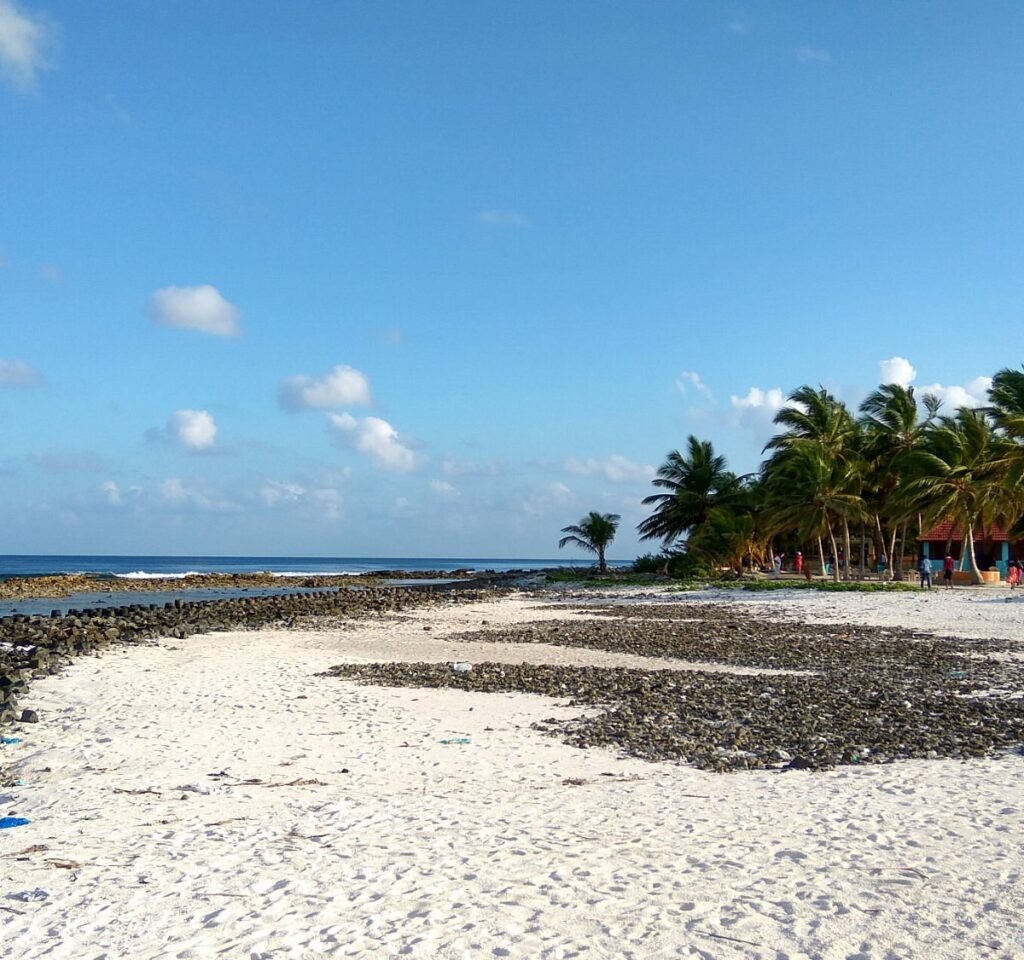
Kalpeni Beach: An Enchanting Tropical Wonderland
The Town You Sleep In
Why the base town shapes a monsoon waterfall trip more than any single fall, what to look for, and towns in Karnataka, Kerala and Goa worth considering.
One village ghat upriver
Train versus road that week
Markets before the 20th, not on it
Journeys Worth Discovering
Explore inspiring destinations, memorable journeys and travel stories from across India and beyond.
Explore destinations




