
Somewhere between the first pair of binoculars and the tenth birding group chat, many of us learn the wrong ambition. We learn to want the list to grow in public. We learn to treat a wetland as a level to clear. November, with its honest abundance of winter waterbirds, makes that ambition easy — and a little cheap.
There is another way to spend a morning at Keoladeo, Chilika or any quieter jheel: a hide if one exists, a bund if it does not, a notebook, and no obligation to announce what you saw. The point is not purity. The point is attention. Birds repay attention more reliably than they repay performance.
What a hide is for
A hide — or a watchtower, or simply the shadow side of a tree line — is a tool for reducing your outline. It lets feeding continue closer than a walking party usually allows. You are not invisible. You are merely less rude. In parks with towers, use them without turning the platform into a phone booth. In boat marshes such as Mangalajodi, the boat itself is the hide: stay seated, keep gestures small, and let the guide’s silence set the tone.
If there is no formal hide, invent stillness instead of invention of access. Sit longer at one corner of water. Let the first ten minutes be empty. Lists love motion; understanding loves staying. Carry a small cushion or scarf if the concrete of a tower bites through your patience — comfort is part of staying put.
The notebook without the boast
Write the unglamorous things. Wind direction. Water level against last week’s mark if you know it. Whether the pintails were tipping or sleeping. How many minutes after sunrise the first harrier appeared. A sketch of a bill shape beats a blurry claim of a rarity. Date and place are enough identity; you do not owe social media a carousel.
Checklists are not villains. eBird and local count efforts help science when done carefully. The problem begins when the checklist becomes the only story you can tell, and when getting the story requires pressing a bird. If adding one name means flushing a roost, leave the name off. The marsh will not issue a certificate either way.
Manners that look like method
Wear colours that disappear into winter scrub. Keep voices for the walk back. Do not play calls to “bring them in.” Do not drone over a flock. On trails, yield to people who are already watching; your hurry is not more important than their quiet. On boats, ask before standing for a photograph. These habits feel small until you have watched a morning collapse because one person treated the wetland like a studio.
Guides and rickshaw-pullers at Bharatpur, boatmen at Chilika, forest staff at lesser-known wetlands — they notice who is birding and who is collecting content. Hire them, listen to them, and let them refuse a bad approach. A guide who says “not closer” is doing the job you paid for.
Share sightings generously when someone asks beside you; withhold only the urge to compete. Birding season is long enough for both of you to see a harrier.
What you leave with
You may leave with fewer species than the loudest person in the parking lot. You may leave with one paragraph about how shovelers move water through those absurd bills. That paragraph will last. Birding season in India is generous enough that you do not need to strip-mine it for status.
A hide, a notebook, no checklist boast: it is not a slogan against community. It is a way to remain a guest. The migrants already flew far enough. The least we can do is watch them without turning their rest into our reputation.

Brahmatal Trek: Explore the Serene Himalayan Beauty

Exploring Munsyari in Kumaun, Uttarakhand
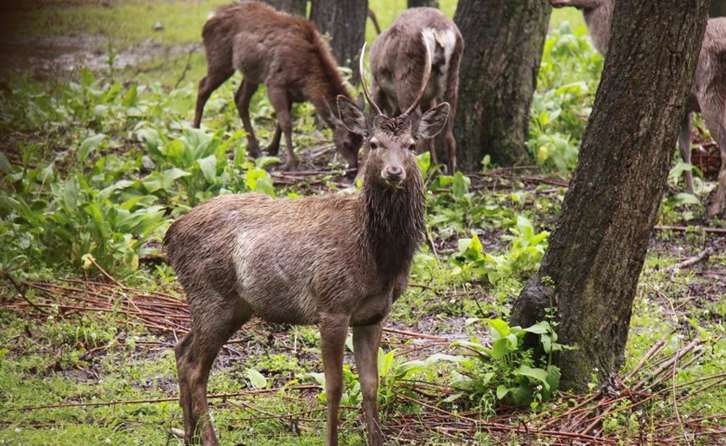
Unveiling Kashmir’s Wildlife
The Town You Sleep In
Why the base town shapes a monsoon waterfall trip more than any single fall, what to look for, and towns in Karnataka, Kerala and Goa worth considering.
One village ghat upriver
Train versus road that week
Markets before the 20th, not on it
Journeys Worth Discovering
Explore inspiring destinations, memorable journeys and travel stories from across India and beyond.
Explore destinations




