
In November, Indian wetlands look suddenly busier. The temptation is to narrate that busyness as spectacle — “thousands arrive,” “rare visitors grace our shores” — until the birds become fireworks. What migrants actually do is quieter and more physical. They have spent energy on long flights along routes such as the Central Asian flyway. Once they reach a marsh, a lagoon or a floodplain jheel, their job is to feed, rest, stay warm enough, and avoid being eaten. Everything else is our story layered on top.
Feeding comes first
Ducks and geese did not travel to admire bunds. Dabbling ducks — pintails, shovelers, teal and their cousins — work shallow water and flooded edges for seeds, plants and invertebrates. Diving ducks use deeper pockets. Geese graze and grub in wetlands and adjacent fields where they are tolerated. Waders probe mud with bills shaped for different depths of prey. Pelicans fish cooperatively or alone, depending on species and conditions. When you watch a flock tip, sweep or stab for an hour, you are watching recovery from migration, not a show staged for binoculars.
Timing follows food and safety. Early morning and late afternoon are often peak feeding windows; midday may mean loafing on open water where a bird can see danger coming, or sitting out wind in the lee of reeds. Fog delays movement. Disturbance resets the clock: a flushed flock burns calories it needed for the next cold night.
Roosts, routes and daily maps
Many waterbirds keep a daily map — night roost, morning feeding ground, perhaps a second site as water levels change. At places like Keoladeo, dykes and water regimes create a patchwork of depths that different species use. At Chilika, tide, salinity and reed cover shape where flocks pack. Birds also move between wetlands across a region when one site dries or becomes noisy. A “empty” morning at a famous park can mean the birds are ten kilometres away on a quieter bund, not that migration failed.
Raptors are part of the same economy. Marsh harriers quarter reedbeds; eagles watch concentrations of waterfowl. Their presence is not an interruption to birding. It is proof the food chain is intact.
What they are not doing
They are not collecting tick lists. They are not obliged to remain in the same photogenic corner because a festival weekend has begun. They do not benefit from playback calls that pull them off feeding. Nest photography ethics matter less in pure wintering mode for many long-distance waterfowl, yet roosts and concentrated feeding flocks still deserve space — especially when boats or footpaths can pin birds against a bank.
Be careful, too, with inherited legends. Some species that once wintered regularly at a celebrated site no longer do; others appear only in certain water years. Accurate birding means accepting absence without inventing presence.
How to watch the work
Stand or sit with one behaviour in mind. How does a shoveler’s bill sift? How does a godwit’s probe differ from a stilt’s pick? When do geese stop feeding and lift as a sheet? A notebook that records behaviour will teach more than a notebook that only records names. If you hire a guide at Bharatpur or a boat at Mangalajodi, ask them what the birds are doing, not only what they are called.
November migrants are guests with metabolic bills to pay. Our best manners are simple: keep distance, keep noise down, keep to paths and permitted boats, and let feeding continue. The season’s wonder is not that birds arrive. It is that, having arrived, they get on with the ordinary labour of staying alive until spring pulls them north again.
Three Days in Agra, Not a Taj-and-Go Checklist
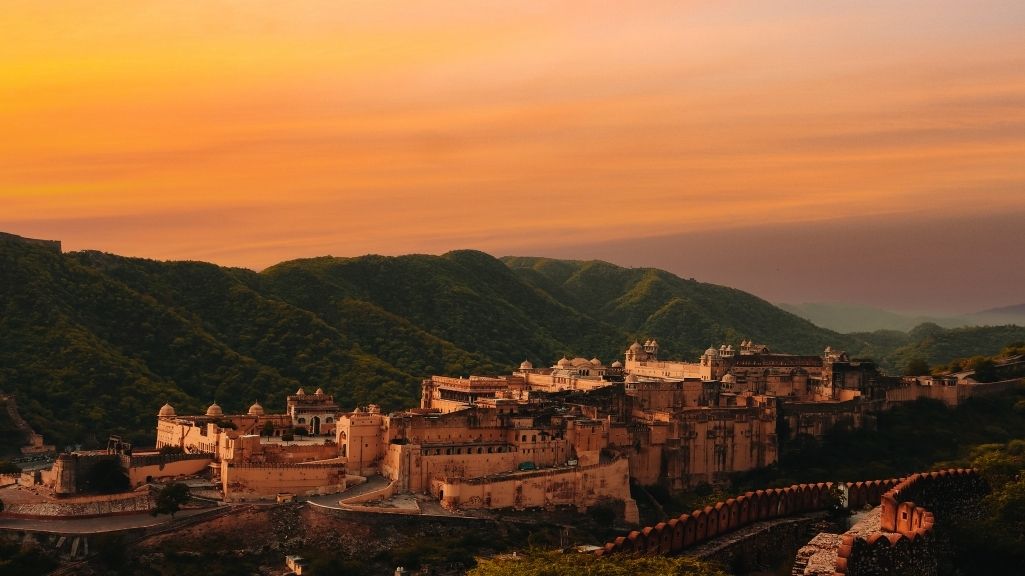
Why October is the Best Time to Explore India’s Fortresses

Magnificent “Mandi”
The Town You Sleep In
Why the base town shapes a monsoon waterfall trip more than any single fall, what to look for, and towns in Karnataka, Kerala and Goa worth considering.
One village ghat upriver
Train versus road that week
Markets before the 20th, not on it
Journeys Worth Discovering
Explore inspiring destinations, memorable journeys and travel stories from across India and beyond.
Explore destinations




