
The classic Agra itinerary is a day trip: an early train from Delhi, a dash to the Taj, a quick look at the Fort, lunch, a marble shop and a train back. You will see the monument, but you will not see Agra. Three days changes everything. With three days you can choose the right light for each building, rest through the hottest hours, wander the bazaars, eat properly and still have time to sit in a garden doing nothing. This is not a checklist. It is a rhythm, built around how the city actually feels, and you should bend it to your own pace.
Before you start
Check the calendar first. The Taj Mahal is closed to general visitors on Fridays, so avoid putting your main Taj morning on a Friday. Buy tickets through official channels and allow time for security checks. If you can, stay in or near Taj Ganj or the area south of the monument, so that you can walk to the gates at dawn without battling traffic.
Day one: arrive slowly, look from across the river
Afternoon: settle in
Arrive in Agra by midday if possible, check in, eat a simple lunch and rest. The temptation is to rush to the Taj immediately. Resist it. Your first view should be the best one, not a hurried one in the harsh afternoon light.
Late afternoon: Itimad-ud-Daulah
Instead, cross the Yamuna to Itimad-ud-Daulah, the tomb Nur Jahan built for her father in the 1620s. It is small, intimate and astonishingly detailed, with marble inlay, carved screens and painted interiors that hint at what was to come at the Taj. It is often far quieter than the big monuments, and you can take your time studying the patterns of stone and light.
Sunset: Mehtab Bagh
From there, continue to Mehtab Bagh, the garden directly across the river from the Taj. As the sun sets, the dome glows above the water, and you see the monument as the Mughals intended it to be seen from the opposite bank. It is a gentle, unforgettable introduction, and it makes the next morning even more special.
Evening: a quiet dinner
Eat near your hotel and sleep early. Tomorrow begins before dawn.
Day two: the Taj at dawn, the Fort by afternoon
Dawn: the Taj Mahal
Be at the gate as it opens, around sunrise. The early hours are cooler and less crowded, and the marble shifts from grey to pink to gold to white as the sun climbs. Walk the garden slowly, sit on a bench by the water channels, then go up to the platform. Look closely at the inlay work, the calligraphy and the perfect symmetry of the complex. Visit the mosque and the guesthouse that flank the mausoleum, which many visitors skip. Give yourself at least two or three hours here.
Late morning: breakfast in Taj Ganj
Afterwards, wander into Taj Ganj for breakfast. Agra’s classic morning meal is bedai, a crisp fried bread served with a spicy potato curry, followed by hot jalebi. Ask locally where it is freshest that day.
Midday: rest
Return to your hotel and rest through the hottest part of the day. This is one of the main advantages of a three-day plan: you do not have to see everything in the worst light and the worst heat.
Afternoon: Agra Fort
In the afternoon, head to Agra Fort. Explore Akbar’s red sandstone palaces and Shah Jahan’s marble pavilions, the audience halls and the Musamman Burj, where tradition says Shah Jahan spent his final years looking out at the Taj. Late afternoon light on the red walls is beautiful, and the views of the river and the Taj from the ramparts tie your first two days together.
Evening: Kinari Bazaar
As the Fort closes, walk into the old city around Kinari Bazaar and the nearby markets. It is noisy, crowded and full of life, with stalls selling fabrics, trimmings, spices, sweets and household goods. Try petha, Agra’s famous translucent sweet made from ash gourd, from a well-established shop, and buy a box to carry home.
Day three: Fatehpur Sikri and Sikandra
Morning: Fatehpur Sikri
Leave early for Fatehpur Sikri, about 40 kilometres west of Agra. Akbar built this capital in the 1570s near the hermitage of Sheikh Salim Chishti, and the court occupied it for only a short period before moving away. Its palaces, courtyards and pavilions are wonderfully preserved. Walk through the Panch Mahal, the Diwan-i-Khas with its carved central pillar, and the palace courtyards, then visit the Jama Masjid, entered through the soaring Buland Darwaza. Inside the courtyard is the marble tomb of Salim Chishti, where visitors tie threads on the screens when they make a wish. Dress modestly and be prepared to remove your shoes.
Afternoon: Akbar’s Tomb at Sikandra
On the way back, stop at Sikandra to visit the tomb of Akbar, completed under his son Jahangir. Its great gateway, decorated with inlaid geometric patterns and topped by minarets, leads into a vast garden where deer and monkeys roam. The tomb itself blends Indian, Persian and other influences, much like Akbar’s reign. It is usually far quieter than the Taj, and the garden is a lovely place to sit in the late afternoon.
Evening: a farewell meal
End your trip with a good dinner. Agra’s cuisine reflects its Mughal past, with rich curries, kebabs and breads, alongside the vegetarian traditions of the wider Braj region. Ask your hotel or a trusted local for recommendations.
Tips for a three-day Agra trip
- Avoid Fridays for your Taj visit, as it is closed to general visitors.
- Use licensed guides with identification and agree on what is included before you start.
- Carry water, wear comfortable shoes, and use sun protection even in winter.
- Be firm but polite with touts; you do not need to visit shops you did not ask to see.
- Check current timings and entry rules on official websites, as they change.
Why three days matters
With three days, Agra stops being a frantic day trip and becomes a place you understand. You see the Taj from across the river before you walk inside it, you watch it change colour at dawn, and you trace its story back through the Fort and Fatehpur Sikri. You also discover a living city of markets, sweets and gardens. And when you finally leave, you will carry with you not one photograph, but many memories.
More from Issue 58
- February 2024
- Editor’s Letter: Agra, Beyond the Single Photograph
- Exploring the Majestic Taj Mahal
- Discovering the Mughal Marvels of Agra
- Agra Odyssey: Tongas Ride, Culture, Shopping, & Cuisine
- Food history through Agra’s cuisine
- Taj Ganj to Fatehpur Sikri: The One Route That Explains Agra
- What to Skip on Your First Trip to Agra
- Itimad-ud-Daulah and Sikandra: The Quieter Agra Beside the Taj
- Food, Stay and Getting Around in Agra
- A Week Inside Agra: Living Slowly Beside the Taj
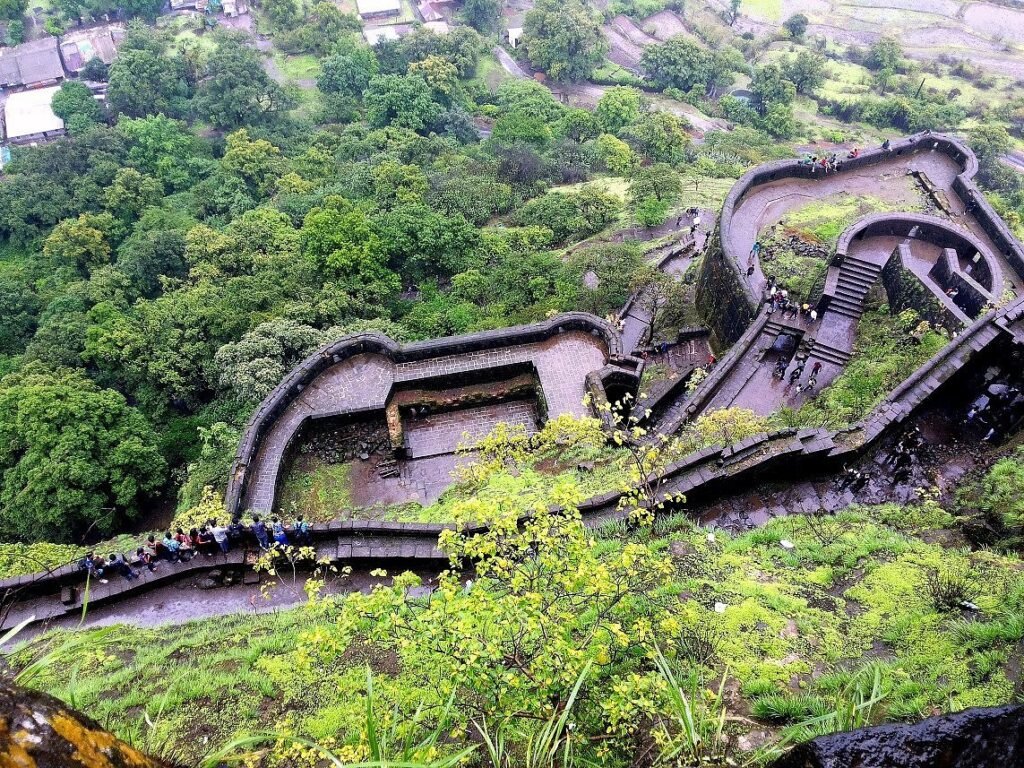
Lohgad Fort Trek, Maharashtra
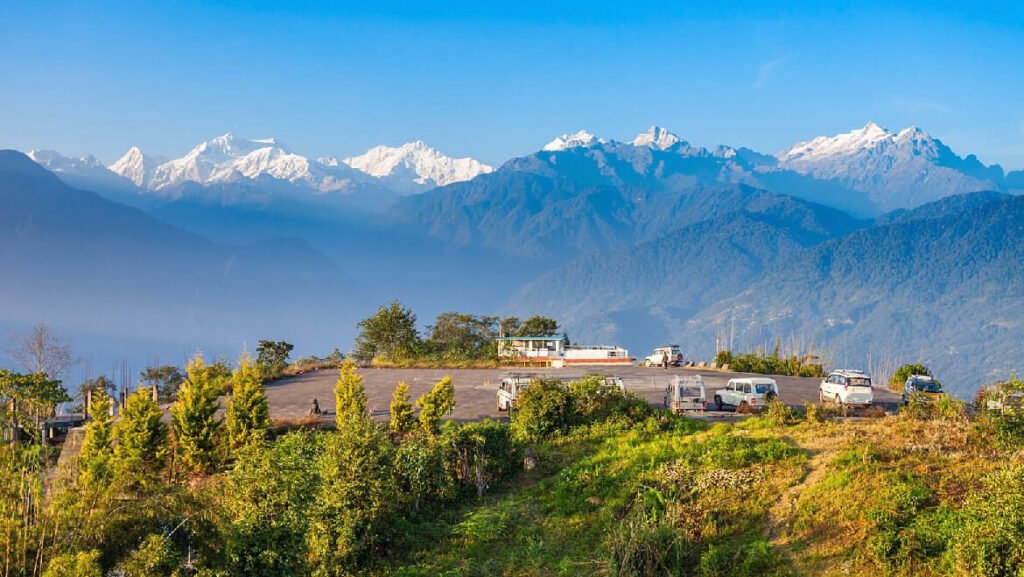
Pelling Tourism: Famous For Its Natural Scenic Beauty
Mathura or Vrindavan? Choosing a base for Braj Holi
The Town You Sleep In
Why the base town shapes a monsoon waterfall trip more than any single fall, what to look for, and towns in Karnataka, Kerala and Goa worth considering.
One village ghat upriver
Train versus road that week
Markets before the 20th, not on it
Journeys Worth Discovering
Explore inspiring destinations, memorable journeys and travel stories from across India and beyond.
Explore destinations




