
Kewzing is the kind of village you might drive straight through on the road between Ravangla and Legship without noticing. A few houses along the road, a monastery, cardamom fields on the slopes, prayer flags in the wind. But stop for a night or two in one of its homestays, and you will understand why Kewzing has become one of the best-known places in Sikkim for rural tourism. This is a story about staying in a village home, and why it is worth doing.
Where Kewzing is
Kewzing lies in South Sikkim, a short drive from Ravangla, on the route towards Legship and West Sikkim. The village sits at a comfortable altitude, with forests, farmland and views of the surrounding hills. It is home largely to Bhutia families, and Buddhist culture is woven into everyday life.
Kewzing has been promoted as a homestay village for years, with local families opening their homes to visitors. The idea is simple: instead of staying in a hotel, you stay with a family, eat what they eat and share in the rhythms of village life.
What a homestay is like
A homestay in Kewzing is not a hotel with a different name. You are a guest in someone’s home. Rooms are usually simple and clean, with warm bedding and basic facilities. Some homes have attached bathrooms; others share. Hot water may be provided by a geyser or in buckets, depending on the house.
What makes the experience special is the people. Your hosts will usually cook for you, chat with you in the evening and, if you show interest, explain their customs, farming and festivals. Some families can arrange walks, visits to the monastery or demonstrations of local crafts.
Food from the kitchen
Meals in a Kewzing homestay are typically home-cooked, based on local produce. You might eat rice, dal, seasonal vegetables, local greens and pickles, and perhaps meat dishes in some homes. Momos and thukpa are common, and you may be offered local tea or butter tea. Many families grow their own vegetables, and Sikkim’s emphasis on organic farming means much of what is on your plate is local.
If you have dietary requirements, tell your hosts in advance. They will usually do their best to accommodate.
Days in the village
Life in Kewzing moves at a gentle pace, and the best way to enjoy it is to slow down with it.
Morning walks
Wake early and walk through the village as it comes to life. Smoke rises from kitchen chimneys, farmers head to the fields, and children walk to school. Walk out along footpaths into the cardamom fields and forest, and you may hear birds you cannot see.
The monastery
Kewzing has a monastery, the Bon Monastery, associated with the Bon tradition, an ancient faith of the Himalayan region. Visiting with your host can help you understand its place in the life of the village. Always ask before taking photographs and follow local customs inside.
Farming and crafts
Depending on the season, you may be able to see or join in farm work: planting, harvesting or tending to animals. Large cardamom is an important crop in Sikkim, and Kewzing’s slopes are well suited to it. Some families are involved in weaving or other crafts, and may be happy to show you.
Evenings by the fire
Evenings in a homestay are often spent around the kitchen fire or in the family room, talking, eating and drinking tea. This is where you will learn the most: stories about the village, festivals, and how life is changing. If you play an instrument or have photos from your home, share them. Exchange is part of the experience.
Day trips from Kewzing
Kewzing makes a good base for exploring South and West Sikkim:
- Ravangla and Buddha Park are a short drive away.
- Ralang Monastery is close by.
- The Maenam Wildlife Sanctuary offers trekking in the forest above Ravangla.
- Temi Tea Garden and Namchi are within reach.
- Pelling and Pemayangtse are further but possible in a day.
That said, part of the point of staying in a village is to stay put. Do not fill every hour with sightseeing.
When to go
Spring, from around March to May, brings mild weather and flowering trees in the surrounding hills. Autumn, from around October to November, offers clear skies and mountain views. The monsoon months bring heavy rain, which can affect roads, though the landscape is lush. Winters are cold but often clear.
In March, you can expect cool mornings and evenings and pleasant days. It is a good time for walks.
How to book
Homestays in Kewzing can be booked through local tourism networks, some operators and, increasingly, online platforms. Because the village is small, it is wise to book ahead, especially in peak seasons. We have not listed specific homestays or prices because these change. Ask your host about what is included, such as meals and activities, before you arrive.
Homestay etiquette
- Remember that you are in someone’s home. Respect family routines and privacy.
- Ask before photographing people, especially elders and children.
- Dress modestly and be mindful of religious spaces.
- Be flexible about facilities. Hot water and electricity may be limited.
- Avoid plastic and take your rubbish with you.
- Pay fairly for the services you receive.
Why it matters
Homestays like those in Kewzing are part of a wider effort in Sikkim to spread the benefits of tourism to rural communities. When you stay with a family, your money goes directly to them. You also help keep village life viable for young people who might otherwise leave.
For travellers, the benefits are just as real. You see a side of Sikkim that hotels cannot show you: the everyday life, the food, the faith, the hospitality. You leave knowing the names of people, not just places.
A night, or two
If you can, stay two nights in Kewzing. The first night, you are a guest. By the second, you start to feel like part of the household. That shift is the real reason to come.
Homestay details, booking channels and local practices may change. Please check current information with local tourism contacts before you travel.
More from Issue 59
- March 2024
- Editor’s Letter: Sikkim
- Sikkim in March: Rhododendron and Permits
- Gangtok in Three Nights
- North Sikkim: What a First Trip Can Hold
- Ravangla and Namchi When the Flowers Start
- The Road to Yumthang
- Pemayangtse Before the Coaches
- Protected-Area Permit Notes
- One Monastery Morning, Not Seven
- Lachung Market, Not a List
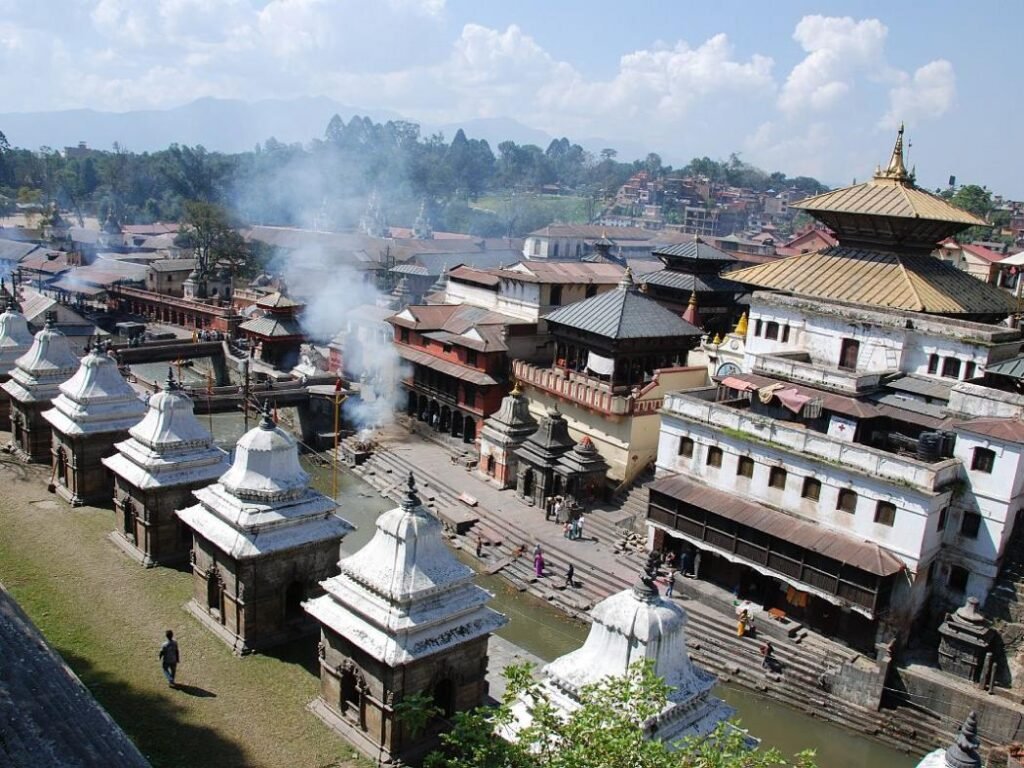
Top 10 Temples Of Kathmandu!

Tribes Found In Andaman & Nicobar Islands
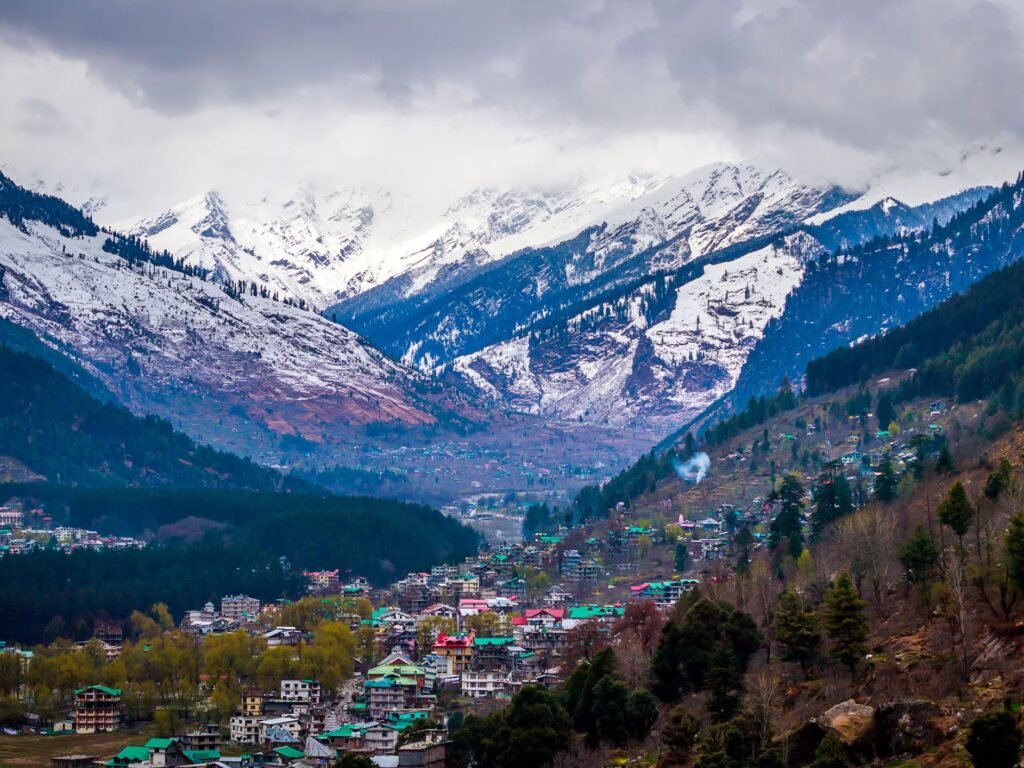
“Manali” India’s Adventure Playground
The Town You Sleep In
Why the base town shapes a monsoon waterfall trip more than any single fall, what to look for, and towns in Karnataka, Kerala and Goa worth considering.
One village ghat upriver
Train versus road that week
Markets before the 20th, not on it
Journeys Worth Discovering
Explore inspiring destinations, memorable journeys and travel stories from across India and beyond.
Explore destinations




