
Some journeys are about the destination. The road to Yumthang is one of those rare routes where the journey is just as memorable as the valley at the end of it. Between Gangtok and the meadows north of Lachung, the landscape changes again and again: from subtropical gorges to pine forests, from roaring waterfalls to apple orchards, and finally to a broad glacial valley surrounded by snow peaks. This is a story about that road and how to travel it well.
Leaving Gangtok
The journey usually starts early in the morning from Gangtok, in a vehicle arranged through a registered tour operator. North Sikkim is a protected area, and permits are required for Indian and foreign visitors alike; your operator will normally handle them in advance. Carry your ID and copies of your permit, as there are several check posts along the way.
The first part of the drive descends and winds along the hills north of the capital. Kabi Lungchok, a short way from Gangtok, is a historical site associated with a treaty between the Lepcha and Bhutia communities, and some drivers will stop briefly here if you ask.
Along the Teesta
Soon the road reaches the Teesta valley, and for much of the drive the river is your companion, flowing far below or rushing beside the road. The landscape is green and steep, with terraced fields, bamboo groves and small villages. On a clear day, the light in the valley is beautiful.
Waterfalls on the way
The road to the north is known for its waterfalls. The Seven Sisters Waterfall, a series of cascades on the hillside beside the road, is a popular stop, especially after rain. Further on, the Naga Falls and Bhim Nala Falls are also striking. In March, before the monsoon, the flows may be gentler, but the falls are still worth a pause.
Mangan and Chungthang
Mangan, the headquarters of the northern district, is a common stop for lunch or tea. It is also known for its large cardamom plantations, as Sikkim is one of India’s major producers of large cardamom. The town has a market and a few simple eateries.
Beyond Mangan, the road continues to Chungthang, where the Lachen and Lachung rivers meet to form the Teesta. Chungthang is the junction for the two branches of North Sikkim. Here, the road to Yumthang turns north-east towards Lachung, while the other route goes north to Lachen.
Lachung: the village before the valley
Lachung sits at roughly 2,700 metres, in a valley surrounded by steep mountain walls. It is a village of wooden houses, apple orchards and prayer flags, with a monastery on the hillside above. The village has a traditional local governance system, the Dzumsa, which plays a role in community affairs, and residents are known for their welcoming spirit.
Most travellers spend the night in Lachung after the long drive from Gangtok, which often takes six to eight hours or more depending on conditions. This night is important for acclimatisation, so rest, eat well and drink plenty of water.
In March, Lachung can be very cold, and snow is possible. The orchards will usually be bare, though early buds may appear later in spring. Mornings can be crisp and clear, with sunlight touching the snowy peaks above the village.
The final climb to Yumthang
The next morning, the road climbs from Lachung towards the Yumthang Valley. It is around 25 kilometres or so, but the drive takes time because the road is mountainous. Along the way, the forest changes to fir and rhododendron, and the views open up.
The Shingba Rhododendron Sanctuary lies on this route and is home to many species of rhododendron. When the flowering season arrives, usually from late spring, the hillsides can be ablaze with colour. In March, the sanctuary may still be under snow, with only the earliest signs of spring.
Yumthang Valley
Yumthang, at around 3,500 metres, is a wide valley with a river running through it, grassy meadows and snow-capped mountains all around. It is often called the “Valley of Flowers” of Sikkim, because in spring and early summer it is covered in primulas, rhododendrons and other wildflowers. In winter and early spring, it may be snow-covered, which gives it a quieter, starker beauty.
There are hot springs in the valley, traditionally believed to have healing properties. Yaks graze in the meadows, and small tea stalls serve hot drinks to visitors. Walk slowly, breathe deeply and take it in.
Zero Point, if conditions allow
From Yumthang, some vehicles continue further up to Yumesamdong, commonly known as Zero Point, at an even higher altitude. The landscape here is often snowbound, and the area is close to the end of the civilian road. Access depends on weather and road conditions and may involve an additional charge payable locally. The altitude here is high enough that symptoms of altitude sickness can appear quickly, so keep the visit short and descend if you feel unwell.
When to travel
Yumthang is most famous for its spring flowers, usually from around April to June, though the exact timing varies with snowfall and temperature. Autumn, from around October to November, brings clear skies and good mountain views. Winter and early spring, including March, can be cold and snowy, and road access may be affected. The monsoon months bring heavy rain and a risk of landslides.
If you travel in March, you are likely to see snow and early spring, not peak bloom. Many travellers find this beautiful in its own way, but it is worth knowing in advance.
Practical tips for the road
- Travel with a registered operator and a driver familiar with the route.
- Carry warm layers, gloves, a hat and sturdy footwear.
- Bring snacks and water for the long drive.
- Keep your camera ready, but stay in the vehicle on narrow sections unless your driver stops.
- Respect check posts and follow instructions from army and police personnel.
- Take altitude seriously: rest in Lachung before going higher.
Responsible travel
The Yumthang Valley and the Shingba sanctuary are fragile ecosystems. Do not pick flowers, stay on paths and take all your rubbish back with you. Sikkim has strong environmental policies, and visitors can help by avoiding plastic and supporting local businesses in Lachung.
Why the road matters
By the time you reach Yumthang, you will have travelled through almost every kind of Himalayan landscape: river gorges, forests, waterfalls, villages and high meadows. The valley is beautiful, but the road is what makes the experience. Travel it slowly, stop often, and let it tell its story.
Road conditions, permit requirements, access to Zero Point and flowering seasons change. Please check current information with Sikkim Tourism or a registered operator before you travel.
More from Issue 59
- March 2024
- Editor’s Letter: Sikkim
- Sikkim in March: Rhododendron and Permits
- Gangtok in Three Nights
- North Sikkim: What a First Trip Can Hold
- Ravangla and Namchi When the Flowers Start
- Pemayangtse Before the Coaches
- A Homestay in Kewzing
- Protected-Area Permit Notes
- One Monastery Morning, Not Seven
- Lachung Market, Not a List

Wildlife of Bhutan
Jageshwar in Sawan: A Quieter Shiva Shrine in the Deodar Forest
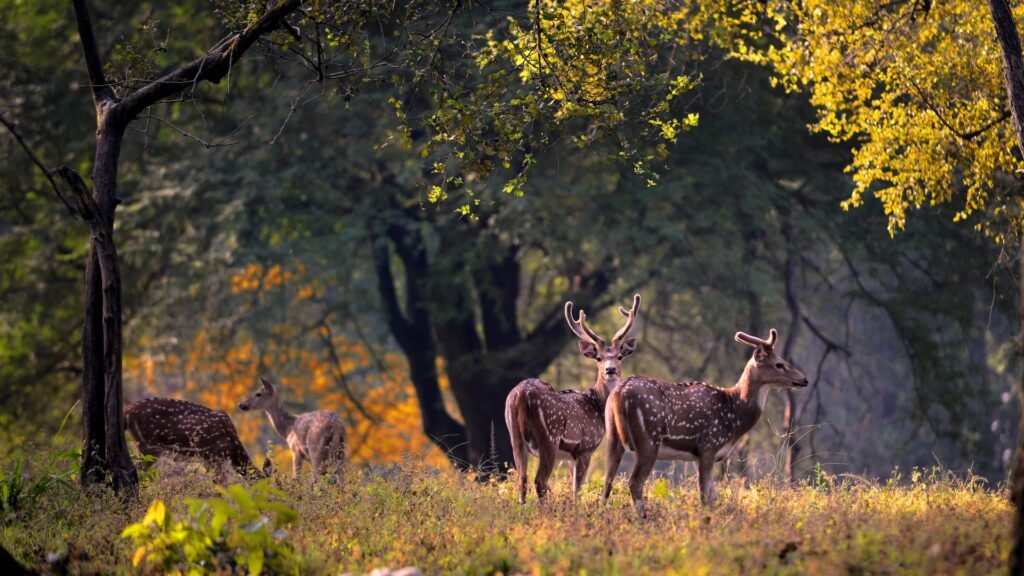
Kanha National Park
The Town You Sleep In
Why the base town shapes a monsoon waterfall trip more than any single fall, what to look for, and towns in Karnataka, Kerala and Goa worth considering.
One village ghat upriver
Train versus road that week
Markets before the 20th, not on it
Journeys Worth Discovering
Explore inspiring destinations, memorable journeys and travel stories from across India and beyond.
Explore destinations




