
In Sawan, the great Shiva temples of north India draw millions of devotees. Kashi Vishwanath, Baidyanath, Mahakaleshwar and the ghats of Haridwar are crowded from before dawn until late at night. But in the hills of Kumaun, about 35 kilometres from Almora by most estimates, there is a temple complex where Sawan is celebrated with equal devotion and far fewer people: Jageshwar.
Jageshwar is a cluster of more than a hundred stone temples set in a valley of tall deodar trees beside a small stream, the Jata Ganga. It is one of the most remarkable heritage sites in Uttarakhand, and in Sawan it hosts a local fair, the Jageshwar Shravani Mela, that draws pilgrims from across the region. Dates, timings and rules change, so please check locally before you travel.
A temple town in the forest
The approach to Jageshwar is part of its magic. The road from Almora winds through pine and then deodar forest, and the valley narrows until the temples appear among the trees. Their tall stone spires, built in the curvilinear nagara style, rise against the dark green of the forest.
The temples are generally dated by historians to between roughly the 7th and 12th centuries, though some local traditions place them much earlier. They are protected by the Archaeological Survey of India, which also runs a small museum on site displaying sculptures from the complex. Check museum opening days before you go.
Is Jageshwar a jyotirlinga?
Some traditions regard Jageshwar as the site of the Nageshwar jyotirlinga, one of the twelve most sacred Shiva shrines. This is debated: other traditions identify Nageshwar with a temple near Dwarka in Gujarat or with Aundha in Maharashtra. Whatever position you take, Jageshwar is clearly one of the most important Shiva sites in the Himalaya, and for many local devotees it is the heart of Sawan.
The main temples
The Jageshwar complex contains two main groups. The Jageshwar temple, dedicated to Shiva as Jageshwar or Nagesh, is a focal point, and the Mahamrityunjaya temple, often described as the largest in the complex, is especially popular for prayers for health and long life. There are many smaller shrines, some dedicated to other deities, and the carvings on doorways and walls repay a slow look.
A short distance up the road is Dandeshwar, another group of old temples, and further on Vriddha Jageshwar, a smaller shrine on a ridge, reached by a walk through the forest. Ask locally for current access and routes.
Sawan at Jageshwar
During Sawan, Jageshwar comes alive with devotees performing abhishek, offering water, milk and bel leaves on the lingam, and with the Shravani Mela, a fair that brings stalls, music and visitors from surrounding villages. Mondays are the busiest days. Crowds are much smaller than at the great pilgrimage centres, but the valley is narrow and parking is limited, so traffic can still build up.
For travellers, Sawan brings both beauty and challenge. The forest is at its greenest, mist hangs in the deodars and the stream runs full. But the monsoon also brings heavy rain, slippery paths and the risk of landslides on mountain roads.
A morning at Jageshwar
The best time to be here is early. Before the first buses arrive, priests open the main shrines, bells begin to ring and a few devotees move quietly between the temples with brass pots of water. Mist drifts through the deodars, and the stone spires appear and disappear. Walk slowly around the complex, sit for a while on the steps near the stream, and then visit the museum once it opens. By late morning in Sawan, the courtyard fills with families and the mela stalls come to life, and that is a good moment to walk up towards Dandeshwar or into the forest.
Why visit instead of the famous temples
Calm. You can spend time at Jageshwar without queuing for hours.
Heritage. The temple architecture is among the finest in the Himalaya, and the setting in the deodar forest is unique.
Nature. The valley is quiet, green and full of birdsong, especially early in the morning.
Local culture. The Shravani Mela is a genuinely local festival, offering a glimpse of how Sawan is celebrated in Kumaoni villages.
Practical tips
Getting there. Jageshwar is reachable by road from Almora, roughly 35 kilometres away, and from Kathgodam, the nearest major railway station. Mountain roads are slow, and in the monsoon, journeys can take much longer. Hire a local driver if you are not used to hill driving.
Accommodation. Options are limited to small guesthouses, a government tourist rest house and homestays in nearby villages. Book ahead in Sawan.
Food. Simple vegetarian meals are available near the temples. In Sawan, expect sattvic food. Try Kumaoni dishes such as aloo ke gutke or bhatt ki churkani where available.
Dress and conduct. Dress modestly, remove shoes before entering temples, follow instructions from priests and ASI staff and ask before photographing rituals or people.
Weather. Carry rain gear and warm layers; mornings and evenings can be cool even in summer. Check weather warnings and road conditions before travelling.
Cash. Carry cash, as card acceptance and network coverage can be limited.
Combining Jageshwar with other places
Jageshwar pairs naturally with Almora, the old Kumaoni capital, and with Binsar Wildlife Sanctuary, a forested ridge with wide Himalayan views. If you have more time, you could continue to Bageshwar, a temple town at a river confluence, or towards Patal Bhuvaneshwar, a cave temple near Gangolihat that is also associated with Shiva. Read more about the region in our June 2024 issue on Kumaun.
Travel lightly
Jageshwar is a protected heritage site in a fragile forest environment. Avoid plastic, take your rubbish with you, do not climb on or touch ancient carvings and keep noise low. Do not throw offerings wrapped in plastic into the stream.
A quieter Sawan
If the great pilgrimage towns feel overwhelming, Jageshwar offers another way to experience Sawan: a stone temple in a deodar forest, the sound of a mountain stream, a few devotees pouring water on the lingam on a misty Monday morning. It is a reminder that the month of Shiva is celebrated not only in vast crowds, but also in quiet places like this.
More from Issue 63
- July 2024
- Editor’s Letter: Sawan, the Month the Rain Comes for Shiva
- Explore India’s Magnificent Temples: A Journey Through History & Art
- Eat Right, Skip Smart: Your Guide to the Holy Month of Sawan
- Embrace Divinity at Baidyanath Jyotirlinga Temple
- Divine Steps of the Kanwar Yatra
- Top 5 Destinations for Sawan 2024
- The Rise of Homestays in India
- Haridwar to Neelkanth: The Kanwar Road That Explains Sawan
- Three Days in Varanasi in Sawan, Not a Checklist
- What to Skip on Your First Sawan Pilgrimage
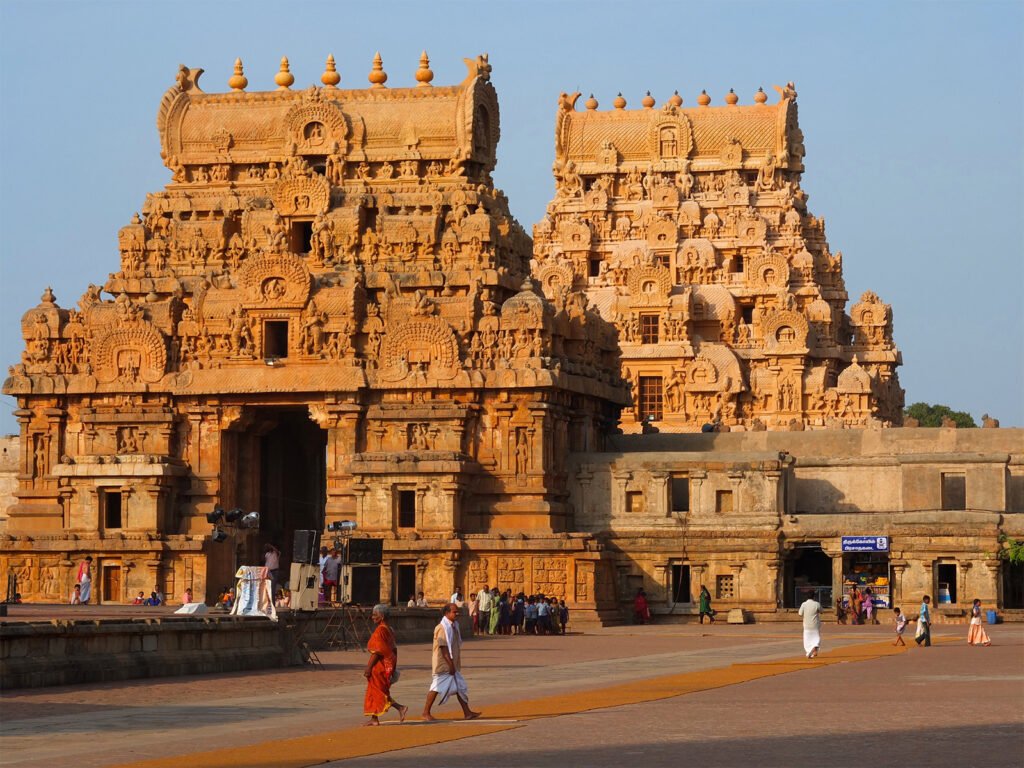
Thanjavur, The Brihadeshwara Temple!

Darjeeling’s Tea Tourism: A Symphony of Senses in the Champagne of Teas
Avalanche, Road and Permit Notes
The Town You Sleep In
Why the base town shapes a monsoon waterfall trip more than any single fall, what to look for, and towns in Karnataka, Kerala and Goa worth considering.
One village ghat upriver
Train versus road that week
Markets before the 20th, not on it
Journeys Worth Discovering
Explore inspiring destinations, memorable journeys and travel stories from across India and beyond.
Explore destinations




